
Why Synthetic Slate is Becoming the Go-To Choice for North Shore Homes in Wilmette
The North Shore’s historic architecture demands roofing materials that honor tradition while meeting modern performance standards. Synthetic slate delivers the authentic look of quarried stone without the weight concerns that plague many Wilmette’s older homes. This engineered composite material has emerged as the premium alternative for homeowners seeking Class 4 impact resistance and Class A fire ratings in a material that weighs just 200-300 pounds per square compared to natural slate’s 800-1,200 pounds. Why More Naperville Homeowners are Switching to Metal Roofing This Year.
Wilmette’s unique position along Lake Michigan exposes homes to salt spray, high humidity, and severe wind events that test roofing materials year-round. Synthetic slate’s polymer composition resists freeze-thaw cycles that crack traditional materials, while its interlocking design creates a wind rating of up to 110 mph. The material’s UV stability prevents the color fading that plagues many roofing products after just a few Chicago summers. Chicago Municipal Code Section 13-32-010.
Weight Benefits for Historic North Shore Architecture
Many North Shore homes were built between 1890 and 1940 when structural engineers didn’t anticipate the loads modern roofing materials would impose. A typical Wilmette Tudor Revival or Colonial home has roof framing designed for 400-500 pounds per square. Installing natural slate would require structural reinforcement costing $15,000-25,000 before the first shingle goes down. Is Solar Roofing Worth the Investment for Homes in Evanston?.
Synthetic slate’s lightweight profile means most homes can accept a new installation without structural modifications. The material installs over standard 5/8-inch plywood decking, eliminating the need for additional support beams or foundation work. This weight advantage becomes critical during Chicago’s heavy snow seasons when accumulated precipitation can add 20-30 pounds per square foot to roof loads.
The installation process itself differs significantly from natural slate. Synthetic tiles feature built-in nail slots and alignment tabs that speed installation by 40-50% compared to hand-cut natural slate. This efficiency translates to lower labor costs and shorter project timelines for Wilmette homeowners.
Impact Resistance for Chicago’s Severe Weather
Chicago’s location in “Hail Alley” makes impact resistance a critical roofing feature. The region experiences 8-12 significant hail events annually, with stones often exceeding 1.5 inches in diameter. Synthetic slate’s Class 4 impact rating means it withstands impacts that would shatter natural slate or puncture standard asphalt shingles. Roofing Berwyn.
The material’s impact resistance extends beyond hail. Falling tree branches during summer storms, ice dams sliding off roofs in winter, and even maintenance workers walking on the roof won’t crack synthetic tiles. This durability reduces the frequency of repairs that plague natural slate installations where a single cracked tile can compromise the entire roof’s weather barrier.. Read more about Deciding Between Roof Repair or Full Replacement for Your River North Townhome.
Wind resistance becomes equally important along the lakefront where gusts can exceed 70 mph during winter storms. Synthetic slate’s interlocking design and built-in fastening system create a continuous surface that resists uplift forces. The material maintains its integrity at wind speeds that would peel asphalt shingles or lift poorly fastened natural slate.
Featured Synthetic Slate Brands for Wilmette Homes
DaVinci Roofscapes leads the synthetic slate market with their Bellaforte collection, offering 49 color blends specifically engineered for architectural authenticity. Their tiles feature a 50-year warranty and have been tested to withstand temperatures from -40°F to 180°F. The company’s Cool Roof Collection reflects solar radiation, potentially reducing cooling costs by 15-20% during Chicago’s humid summers.. Read more about How to Read the Fine Print in Your Roofing Warranty Without Getting Confused.
Brava Roof Tile manufactures a Spanish barrel tile alternative that works exceptionally well on Mediterranean-style homes common in Wilmette’s Indian Hill neighborhood. Their composite material contains 95% recycled content and qualifies for LEED points in green building projects. The tiles install with a hidden fastening system that eliminates exposed fasteners prone to weathering.
EcoStar’s Majestic Slate product line offers the most authentic slate appearance, with surface textures that mimic the cleft face of natural stone. Their tiles feature a Class A fire rating and have passed Miami-Dade County’s stringent wind uplift tests, making them suitable for coastal applications. The company provides a 50-year limited warranty covering material defects and color fading.

Wilmette Case Study: Tudor Revival Transformation
A 1928 Tudor Revival home on Lake Avenue presented the classic synthetic slate candidate: aging cedar shakes, structural concerns about adding weight, and a homeowner seeking authentic appearance with modern performance. The original roof showed widespread deterioration with soft spots indicating water damage to the decking.. Read more about Keeping Your Cedar Shake Roof from Rotting in the Humid Highland Park Summers.
The project required complete tear-off to the decking, revealing multiple layers of previous roofing materials totaling 4-5 inches of accumulated material. After installing new 5/8-inch plywood and ice and water shield according to ICC-ES AC438 standards, the synthetic slate installation proceeded over three days.
The finished roof transformed the home’s appearance while providing Class 4 impact resistance and a 110 mph wind rating. The homeowner reported a 25% reduction in insurance premiums due to the impact-resistant classification. The total project cost $28,000 compared to $32,000 for natural slate with required structural reinforcement.
Cost Analysis: Synthetic vs. Natural Slate in Chicago Market
Synthetic slate installation in Wilmette ranges from $800-1,200 per square, while natural slate costs $1,200-1,800 per square installed. However, the total project cost comparison reveals a different story when structural requirements enter the equation.
| Material Type | Material Cost/Sq | Installation Cost/Sq | Structural Mods Required? | Total Project Cost |
|---|---|---|---|---|
| Synthetic Slate | $400-600 | $400-600 | No | $800-1,200 |
| Natural Slate | $600-900 | $600-900 | Yes ($15-25K) | $1,200-1,800+ |
The break-even analysis becomes clear for homes built before 1940. Natural slate’s premium appearance comes with premium costs that often exceed synthetic alternatives by 30-40% when structural work enters the equation. For newer homes with adequate structural capacity, the cost differential narrows to 15-20%.
Long-term cost considerations favor synthetic slate due to lower maintenance requirements. Natural slate requires periodic mortar joint repair, individual tile replacement when cracked, and specialized cleaning to prevent moss growth. Synthetic slate’s polymer composition resists biological growth and maintains its appearance with minimal maintenance.
The Installation Process for North Shore Residences
Proper synthetic slate installation requires specific techniques that differ from both asphalt shingles and natural slate. The process begins with a comprehensive roof deck inspection, checking for rot, delamination, and proper fastening. Any compromised decking requires replacement before proceeding.
Ice and water shield installation follows manufacturer specifications, with particular attention to eaves, valleys, and roof penetrations. Chicago Municipal Code Section 13-32-010 requires ice and water shield extending 24 inches beyond the exterior wall in Climate Zone 5, which includes Cook County. Extending the Life of Your Flat Roof in Hyde Park with Professional Coating.
The starter course establishes the critical first row, with tiles oriented according to the specific manufacturer’s pattern. Synthetic slate’s uniform thickness allows for mechanical fastening at the designated nail slots, eliminating the hand-felting process required for natural slate. Each subsequent course overlaps the previous by the manufacturer’s specified exposure, typically 5-7 inches depending on roof pitch.
Special attention goes to hip and ridge installations, where pre-formed caps or field-cut tiles create the finished appearance. Valley installations require metal flashing integrated with the synthetic tiles to create watertight transitions. The final step involves installing copper or lead-coated copper flashing at chimneys, skylights, and other penetrations.
Color Blending and Aesthetic Matching for Historical Homes
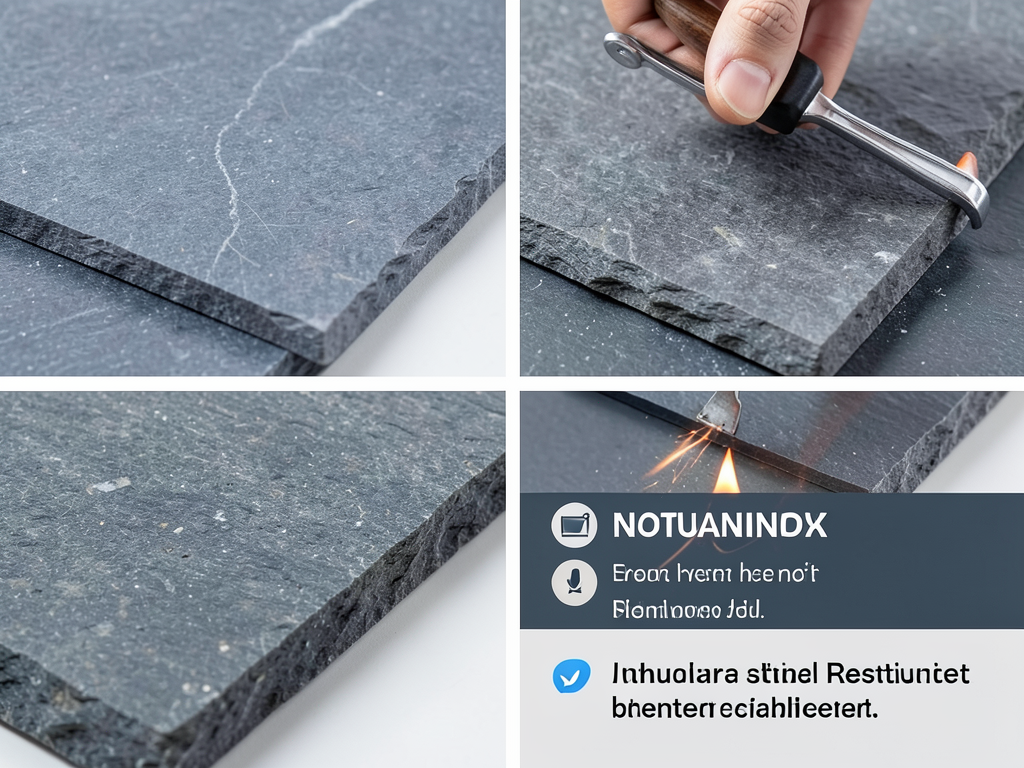
Wilmette’s historic districts require roofing materials that complement architectural styles from the late 1800s through the mid-1900s. Synthetic slate manufacturers offer color blends that replicate the subtle variations found in natural quarried slate, with multiple shades creating depth and authenticity. Roofing Forest Park.
For Tudor Revival homes, darker blends with charcoal, gray, and black tones work best, often incorporating copper accents that develop a verdigris patina over time. Colonial and Georgian homes benefit from lighter blends featuring grays, tans, and subtle greens that complement white or light-colored siding.
The blending process involves mixing multiple bundles to ensure color variation across the roof surface. Professional installers typically combine 3-5 different color blends, creating a random pattern that mimics natural slate’s quarry variations. This attention to detail prevents the “checkerboard” appearance that occurs when tiles from single bundles install uniformly.
Gloss levels also affect authenticity. Premium synthetic slate features a low-gloss finish that reduces the artificial appearance of some composite materials. The surface texture includes subtle undulations and color mottling that create authentic shadow lines and depth perception from street level.
Eco-Friendly Benefits and Recyclability
Synthetic slate’s environmental advantages extend beyond its recycled content. The material’s lightweight nature reduces transportation emissions, with trucks carrying 30-40% more coverage area per load compared to natural slate. This efficiency translates to fewer truck trips and lower fuel consumption during delivery.
The manufacturing process for synthetic slate consumes less energy than quarrying and processing natural stone. Polymer composites cure at lower temperatures than the firing process for clay tiles, and the absence of heavy machinery at quarries eliminates diesel fuel consumption and habitat disruption.
At the end of its service life, synthetic slate remains fully recyclable. The polymer composition allows for grinding and reuse in new roofing products or other composite materials. Some manufacturers operate take-back programs that ensure proper recycling rather than landfill disposal.
The material’s longevity also factors into its environmental footprint. With 50-year warranties and expected service lives of 75+ years with proper installation, synthetic slate reduces the replacement frequency that generates construction waste. A single synthetic slate installation potentially eliminates three asphalt shingle replacements, each generating 2-3 tons of waste.
Maintenance Requirements and Longevity Expectations
Synthetic slate’s maintenance requirements differ significantly from both asphalt shingles and natural slate. The polymer composition resists moss and algae growth that plague shaded roof areas, eliminating the need for periodic chemical treatments or pressure washing.
Annual inspections should focus on flashings, valleys, and roof penetrations where sealant degradation can occur. The tiles themselves resist cracking from freeze-thaw cycles, but the underlayment and flashings require periodic evaluation. Most manufacturers recommend professional inspection every 3-5 years to check for loose fasteners or damaged flashings.
Debris removal becomes the primary maintenance task. Leaves, pine needles, and other organic material trap moisture against the roof surface, potentially causing premature aging of flashings and underlayment. Simple removal with a leaf blower prevents these issues without damaging the synthetic tiles.
Snow and ice management requires different approaches than natural slate. The material’s flexibility allows for safe snow removal with plastic shovels, while natural slate requires extreme caution to prevent cracking. Ice dams still require prevention through proper attic insulation and ventilation, but synthetic slate resists the freeze-thaw damage that cracks natural materials.
Frequently Asked Questions
How does synthetic slate perform in Chicago’s freeze-thaw cycles?
Synthetic slate excels in freeze-thaw conditions due to its polymer composition that expands and contracts with temperature changes. The material has passed 10,000+ freeze-thaw cycles in laboratory testing without cracking or delamination, far exceeding the 2,000-3,000 cycles typical of Chicago’s climate.
Will synthetic slate increase my home’s resale value?
Yes, synthetic slate typically increases resale value by 60-80% of its installed cost. The material’s premium appearance and durability appeal to buyers seeking low-maintenance luxury features. In Wilmette’s competitive market, homes with synthetic slate often sell faster than those with standard asphalt shingles.
Does synthetic slate qualify for any insurance discounts?
Many insurance companies offer 5-15% premium discounts for Class 4 impact-resistant roofing. Synthetic slate’s impact rating qualifies it for these discounts, potentially saving $200-500 annually on homeowner’s insurance. Some companies also offer wind mitigation credits for materials rated above 90 mph.
How long does synthetic slate installation take?
Most single-family homes in Wilmette complete synthetic slate installation in 5-7 days, compared to 3-4 days for asphalt shingles. The process includes tear-off, deck preparation, underlayment installation, and the synthetic slate application. Weather delays can extend timelines during Chicago’s unpredictable spring and fall seasons.
Can synthetic slate be installed over existing shingles?
No, synthetic slate requires complete tear-off to the roof deck. The material’s installation system relies on direct attachment to the decking through specific nailing patterns. Installing over existing shingles would void warranties and create moisture traps that compromise the roof system.
Ready to Upgrade Your Wilmette Home’s Roof?
Synthetic slate represents the perfect marriage of historical authenticity and modern performance for North Shore homes. The material’s weight advantages, impact resistance, and authentic appearance make it ideal for Wilmette’s architectural heritage while providing the durability needed for Chicago’s extreme weather.
Don’t wait until winter storms reveal your roof’s vulnerabilities. Call (773) 599-7055 today to schedule your synthetic slate consultation. Our team understands the unique requirements of North Shore architecture and can help you select the perfect material for your home’s style and structural capacity.
Pick up the phone and call (773) 599-7055 before the next storm hits. Your home deserves roofing that protects as beautifully as it performs.
{
“@context”: “https://schema.org”,
“@type”: “BlogPosting”,
“headline”: “Why Synthetic Slate is Becoming the Go-To Choice for North Shore Homes in Wilmette”,
“description”: “Discover why synthetic slate roofing is surging in popularity for Wilmette homes. Learn about durability, weight benefits, and ROI for North Shore properties.”,
“wordCount”: 2103,
“datePublished”: “2026-03-07T08:23:00.000Z”,
“dateModified”: “2026-03-07T08:23:00.000Z”,
“inLanguage”: “en-US”,
“mainEntityOfPage”: {
“@type”: “WebPage”,
“@id”: “https://patriotroofingchicago.com”
},
“publisher”: {
“@type”: “LocalBusiness”,
“name”: “Patriot Roofing Chicago”,
“url”: “https://patriotroofingchicago.com”
},
“author”: {
“@type”: “Organization”,
“name”: “Patriot Roofing Chicago”,
“url”: “https://patriotroofingchicago.com”
},
“image”: {
“@type”: “ImageObject”,
“url”: “https://patriotroofingchicago.com/wp-content/uploads/2026/03/why-synthetic-slate-is-becoming-the-go-to-choice-f-1.png”
}
}
{
“@context”: “https://schema.org”,
“@type”: “RoofingContractor”,
“name”: “Patriot Roofing Chicago”,
“url”: “https://patriotroofingchicago.com”,
“address”: {
“@type”: “PostalAddress”,
“addressLocality”: “Chicago”
},
“areaServed”: {
“@type”: “City”,
“name”: “Chicago”
}
}
{
“@context”: “https://schema.org”,
“@type”: “FAQPage”,
“mainEntity”: [
{
“@type”: “Question”,
“name”: “How does synthetic slate perform in Chicago’s freeze-thaw cycles?”,
“acceptedAnswer”: {
“@type”: “Answer”,
“text”: “Synthetic slate excels in freeze-thaw conditions due to its polymer composition that expands and contracts with temperature changes. The material has passed 10,000+ freeze-thaw cycles in laboratory testing without cracking or delamination, far exceeding the 2,000-3,000 cycles typical of Chicago’s climate.”
}
},
{
“@type”: “Question”,
“name”: “Will synthetic slate increase my home’s resale value?”,
“acceptedAnswer”: {
“@type”: “Answer”,
“text”: “Yes, synthetic slate typically increases resale value by 60-80% of its installed cost. The material’s premium appearance and durability appeal to buyers seeking low-maintenance luxury features. In Wilmette’s competitive market, homes with synthetic slate often sell faster than those with standard asphalt shingles.”
}
},
{
“@type”: “Question”,
“name”: “Does synthetic slate qualify for any insurance discounts?”,
“acceptedAnswer”: {
“@type”: “Answer”,
“text”: “Many insurance companies offer 5-15% premium discounts for Class 4 impact-resistant roofing. Synthetic slate’s impact rating qualifies it for these discounts, potentially saving $200-500 annually on homeowner’s insurance. Some companies also offer wind mitigation credits for materials rated above 90 mph.”
}
},
{
“@type”: “Question”,
“name”: “How long does synthetic slate installation take?”,
“acceptedAnswer”: {
“@type”: “Answer”,
“text”: “Most single-family homes in Wilmette complete synthetic slate installation in 5-7 days, compared to 3-4 days for asphalt shingles. The process includes tear-off, deck preparation, underlayment installation, and the synthetic slate application. Weather delays can extend timelines during Chicago’s unpredictable spring and fall seasons.”
}
},
{
“@type”: “Question”,
“name”: “Ready to Upgrade Your Wilmette Home’s Roof?”,
“acceptedAnswer”: {
“@type”: “Answer”,
“text”: “Synthetic slate represents the perfect marriage of historical authenticity and modern performance for North Shore homes. The material’s weight advantages, impact resistance, and authentic appearance make it ideal for Wilmette’s architectural heritage while providing the durability needed for Chicago’s extreme weather.”
}
}
]
}
{
“@context”: “https://schema.org”,
“@type”: “BreadcrumbList”,
“itemListElement”: [
{
“@type”: “ListItem”,
“position”: 1,
“name”: “Home”,
“item”: “https://patriotroofingchicago.com”
},
{
“@type”: “ListItem”,
“position”: 2,
“name”: “Blog”,
“item”: “https://patriotroofingchicago.com/blog”
},
{
“@type”: “ListItem”,
“position”: 3,
“name”: “Why Synthetic Slate is Becoming the Go-To Choice for North Shore Homes in Wilmette”
}
]
}
{
“@context”: “https://schema.org”,
“@type”: “Service”,
“serviceType”: “Roofing”,
“provider”: {
“@type”: “LocalBusiness”,
“name”: “Patriot Roofing Chicago”,
“url”: “https://patriotroofingchicago.com”
},
“areaServed”: {
“@type”: “City”,
“name”: “Chicago”
},
“description”: “Discover why synthetic slate roofing is surging in popularity for Wilmette homes. Learn about durability, weight benefits, and ROI for North Shore properties.”
}