
menu

Sagging Roof Deck in Chicago – Expert Diagnosis and Structural Repair Before It Collapses

When your roof deck bows, dips, or deflects, you are looking at a structural failure that worsens with every freeze-thaw cycle. We identify the root cause and engineer the fix.

Slider Image 1
Slider Image 2
Slider Image 3
Slider Image 4
Slider Image 5
Slider Image 7
Slider Image 8
Slider Image 9
Slider Image 10
Slider Image 11

Why Chicago Roof Decks Sag and Why It Matters Right Now

You notice it when you look up from the driveway. A subtle dip in the roofline. A visible sag where the roof should be flat. That is not cosmetic. That is bowing roof sheathing or warped roof plywood telling you something has failed underneath.

Chicago's extreme freeze-thaw cycles accelerate roof deck failure faster than almost any other climate. Water infiltrates through worn shingles during November rains, freezes in January, expands, and cracks the plywood. By March, the thaw weakens the wood grain. Each cycle compounds the damage. Add in the fact that many Chicago homes built between 1920 and 1960 used tongue-and-groove board decking with minimal fasteners, and you get structures that were never designed for modern shingle weights or ice dam loads.

Sunken roof boards are often the result of undersized rafters or trusses spaced too far apart. When snow accumulates at 20 pounds per square foot, undersized framing cannot handle the load. The decking deflects between the supports. Dipping roof decking also signals water damage to the underlying wood. Once plywood absorbs moisture and loses rigidity, it cannot recover. The fibers compress. The panel bows permanently.

Deflected roof sheathing is dangerous because it creates a trampoline effect. The deck flexes under foot traffic, which loosens fasteners, breaks shingle seals, and opens pathways for wind-driven rain. You are not just looking at an ugly roofline. You are looking at a structural liability that insurance adjusters will flag during claims inspections.

Why Chicago Roof Decks Sag and Why It Matters Right Now
How We Diagnose and Fix Sagging Roof Decks the Right Way

How We Diagnose and Fix Sagging Roof Decks the Right Way

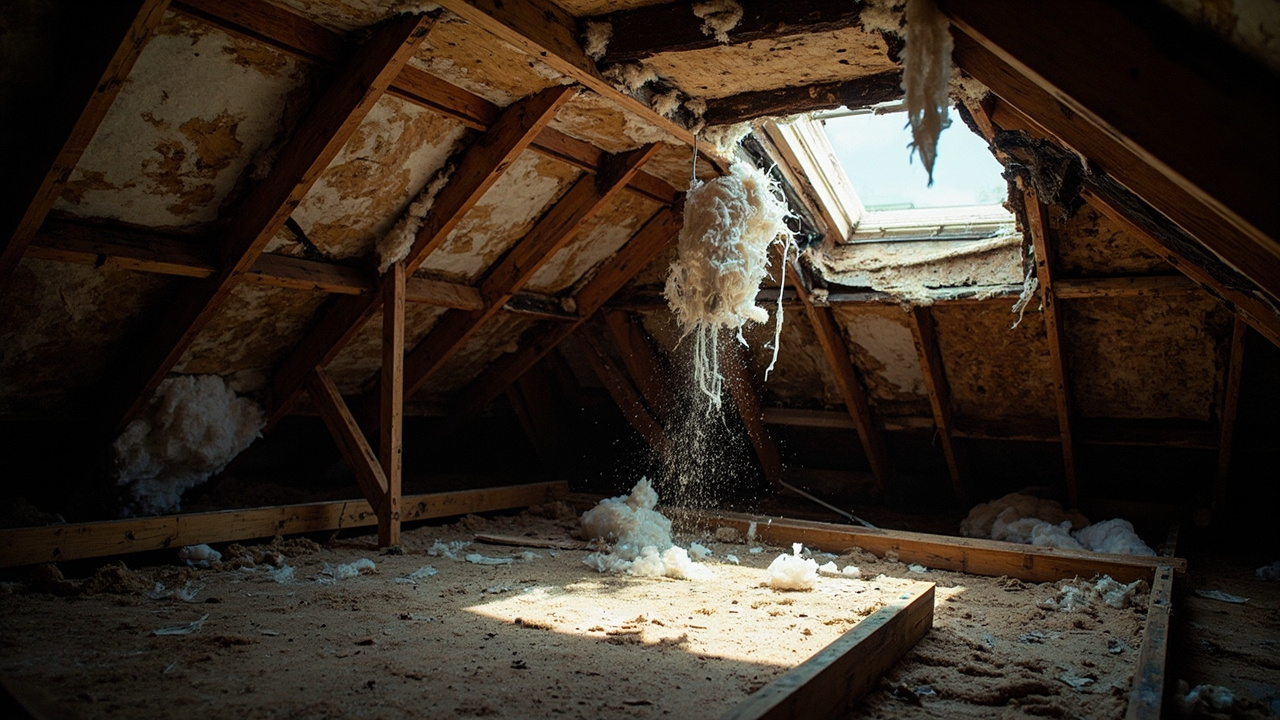
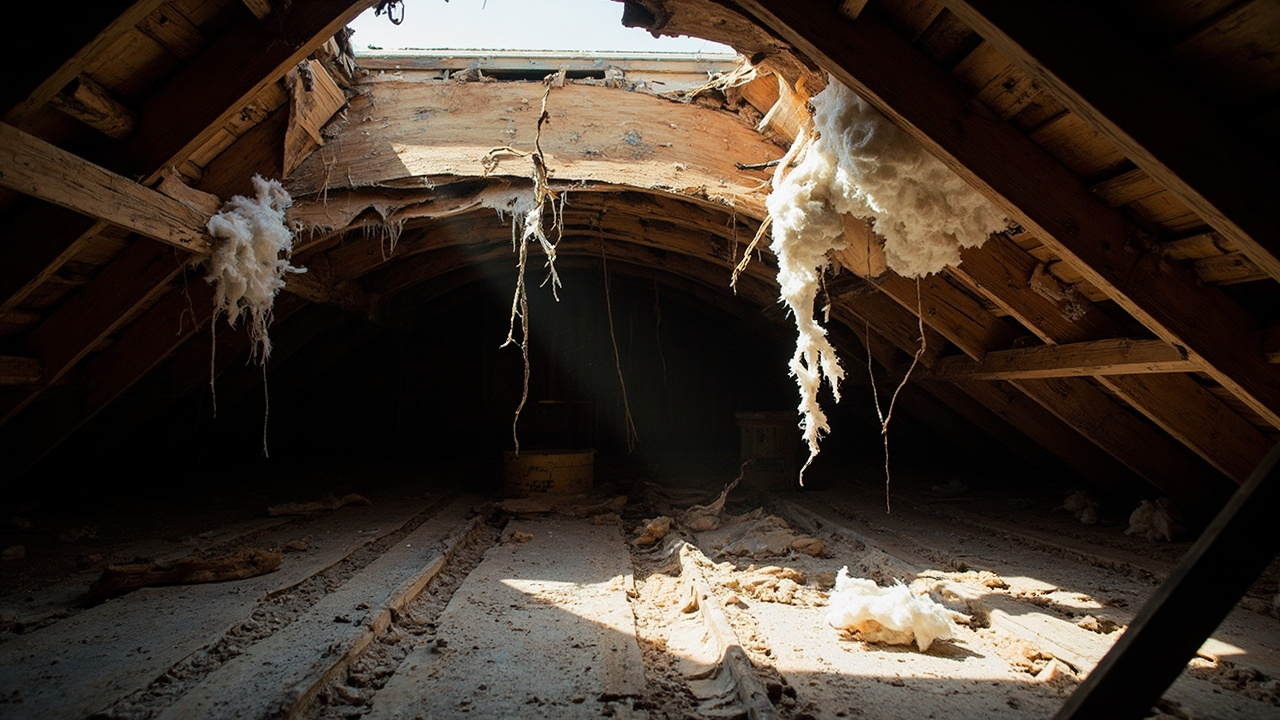
We do not patch sagging decks. We solve them. The first step is identifying whether the problem is the sheathing, the framing, or both. We access the attic and measure deflection from below using a laser level. We check rafter spacing, look for rot, and measure moisture content with a pin meter. If the framing is undersized or damaged, no amount of new plywood will fix the sag. The structure must be reinforced first.

For bowing roof sheathing caused by water damage, we remove the compromised panels and inspect the rafters for rot. If the framing is sound, we sister new dimensional lumber alongside weak members to restore load capacity. Then we install new plywood or OSB sheathing with proper H-clip spacing to prevent differential movement between panels. We use ring-shank nails every six inches along the edges and every 12 inches in the field to meet Chicago wind uplift requirements.

For warped roof plywood caused by ventilation failure, we address the airflow issue before we replace the deck. Inadequate soffit or ridge venting traps heat and moisture in the attic, which warps the sheathing from below. We calculate the net free ventilation area your attic needs based on square footage and install additional vents as required. Then we replace the warped panels with properly rated sheathing.

We do not use shortcuts like adding a second layer of plywood over a sagging deck. That doubles the dead load without solving the structural problem. The sag remains. The new layer simply follows the contour of the old one. We strip the deck to the framing, fix the root cause, and rebuild it to code.

What Happens During a Roof Deck Structural Repair

Sagging Roof Deck in Chicago – Expert Diagnosis and Structural Repair Before It Collapses
01

Attic and Exterior Inspection

We inspect from both sides. From the attic, we measure deflection, check rafter spacing, and test for rot using a moisture meter. From the roof surface, we walk the deck to identify soft spots and measure the degree of sag using a straightedge. We photograph all damage for documentation and review it with you before proposing a fix.
02

Structural Reinforcement and Replacement

We strip the roofing down to the sheathing and remove all compromised plywood. If rafters are undersized or damaged, we sister new framing members alongside them and secure with structural screws. Then we install new plywood with proper fastener schedules and H-clips between sheets to prevent sagging between supports. We also address ventilation deficiencies to prevent future warping.
03

New Roofing and Final Inspection

Once the deck is flat and structurally sound, we install new underlayment, drip edge, and shingles. We walk the completed roof to verify zero deflection under load. You get a roof deck that will not sag, bow, or dip under snow load or foot traffic. We document all framing repairs with photos for your records and provide a detailed scope of work summary.

Why Chicago Homeowners Trust Us for Roof Deck Repairs

Most roofers avoid structural work. They prefer simple tear-offs where the deck is solid and the job is predictable. When they encounter sagging or deflected sheathing, they either walk away or try to hide it under new shingles. That is negligence. A sagging deck is a liability. It compromises the integrity of the entire roof system.

We specialize in the repairs other contractors avoid. We have framing experience. We understand load paths, span tables, and the Chicago building code requirements for roof deck fastening and ventilation. We know that homes in neighborhoods like Portage Park, Jefferson Park, and Norwood Park often have original 1950s roof framing that was never designed for the weight of modern architectural shingles or the ice loads we see during Chicago winters.

We also understand how Chicago's microclimates affect roof performance. Homes near the lake experience higher humidity and more frequent freeze-thaw cycles than homes further west. Homes with mature tree canopies retain moisture on the roof surface longer, which accelerates wood decay. Homes in historic districts have architectural constraints that require careful planning to preserve the original roofline while upgrading the structure beneath.

When we repair a sagging roof deck, we do it once. We do not use bandaid solutions. We address the root cause, reinforce the framing if needed, replace all compromised sheathing, and ensure proper ventilation to prevent recurrence. You get a roof deck that will outlast the shingles on top of

it. We also provide documentation of all structural repairs, which protects your home value and simplifies future insurance claims or home sales.

What You Can Expect From Start to Finish

Same-Week Inspection Scheduling

We know that a sagging roof deck creates anxiety. You are wondering if it is safe, how much it will cost, and whether you need to move out during repairs. We schedule inspections within three to five business days of your call. During the inspection, we access your attic, walk your roof, measure deflection, and provide a written assessment the same day. You get clarity fast. Most structural repairs are completed within one to two weeks once materials are ordered, weather permitting.

Detailed Structural Assessment

Our assessment includes rafter spacing measurements, moisture content readings, and load capacity calculations. We identify whether the sag is caused by undersized framing, water damage, or fastener failure. We photograph all findings and review them with you in plain language. You will understand what failed, why it failed, and what needs to happen to fix it permanently. We also provide a detailed scope of work with material specifications so you can share it with your insurance adjuster if needed.

Engineered Structural Repair

We do not guess. We calculate. If your rafters are spaced 24 inches on center and need to support a 40-pound-per-square-foot snow load, we size the framing reinforcement accordingly. If your attic ventilation is insufficient, we install additional vents to meet the one square foot of net free area per 150 square feet of attic space standard. You get a roof deck that is flat, rigid, and code-compliant. No sagging. No deflection. No shortcuts.

Post-Repair Documentation and Maintenance Guidance

We provide before-and-after photos of all framing repairs, a summary of materials used, and a breakdown of code compliance upgrades. This documentation is critical if you ever file an insurance claim or sell your home. We also provide guidance on attic ventilation maintenance and how to spot early signs of future problems. You will know what to look for during seasonal inspections and when to call us back if something changes.

Frequently Asked Questions

You Have Questions,
We Have Answers

How to fix a sagging deck roof? +

Fixing a sagging deck roof requires structural assessment first. A professional inspects the framing, decking, and support posts to identify the cause. Common fixes include sistering new joists alongside weakened ones, replacing rotted decking boards, or adding additional support beams. In Chicago, freeze-thaw cycles and heavy snow loads often cause structural damage that compromises deck roofs. You may need to remove roofing material to access framing. Temporary jacks stabilize the structure during repairs. Do not attempt this yourself. Improper fixes create safety hazards and code violations. A licensed contractor ensures repairs meet Chicago building codes and handle our weather extremes.

How serious is a sagging roof? +

A sagging roof is extremely serious. It signals structural failure in your roof framing, often from rotted rafters, broken trusses, or inadequate support. In Chicago, heavy snow accumulation and ice dams accelerate this damage. A sagging roof risks complete collapse, particularly during winter storms when additional weight stresses already compromised framing. You face water infiltration that damages insulation, drywall, and electrical systems. Mold grows rapidly in moisture-trapped areas. The longer you wait, the more expensive repairs become. What starts as a framing issue spreads to sheathing, underlayment, and interior finishes. Get a structural inspection immediately. This is not cosmetic.

Is it expensive to fix a sagging roof? +

Fixing a sagging roof is expensive because it involves structural work. Minor repairs with limited framing damage cost less than full rafter replacement. Costs increase when contractors discover rotted sheathing, compromised trusses, or water damage extending into walls and ceilings. In Chicago, accessing roof structures during winter adds difficulty. The scope determines price. Sistering joists costs less than replacing entire roof sections. You also pay for permits, engineering reports if required by Chicago building codes, and material removal. Waiting makes it worse. Small structural issues spread quickly. Get multiple quotes from licensed contractors who can assess the full extent of damage before committing.

How much roof sagging is acceptable? +

No roof sagging is acceptable. Your roof should form a straight plane from ridge to eave. Any visible dip, wave, or sag indicates structural problems. Even minor sagging of one or two inches signals compromised framing that will worsen. Chicago winters with heavy snow loads accelerate structural failure. You might see slight settlement in older homes, but this still requires evaluation. A professional uses levels and laser measurements to assess the severity. Do not rationalize visible sagging as normal aging. Wood rot, insect damage, or undersized framing causes sagging. Each freeze-thaw cycle in Chicago worsens the problem. Address it before collapse becomes a real risk.

Will insurance cover a sagging roof? +

Insurance coverage for a sagging roof depends on the cause. If sudden storm damage, falling trees, or ice dam-related structural failure caused the sagging, your homeowners policy likely covers repairs. However, insurance denies claims for gradual deterioration, poor maintenance, or age-related wear. Chicago winters create ice dams and snow load issues that may qualify for coverage if documented properly. File your claim immediately with photos showing the damage timeline. An adjuster assesses whether the cause is covered. Insurers often dispute structural claims, so detailed documentation helps. Review your policy for exclusions. A public adjuster can help navigate complex claims if denied.

How much does it cost to fix a sagging deck? +

Fixing a sagging deck involves structural repairs that vary in cost based on damage extent. Minor joist reinforcement costs less than full deck replacement. You pay for materials like treated lumber, fasteners, and flashing, plus labor for framing work. In Chicago, contractors factor in weather delays and code compliance for load-bearing structures. Costs increase if footings need replacement or posts require resetting. Extensive rot from moisture infiltration raises expenses significantly. Permits add to the total. Get a structural assessment before budgeting. Many deck failures stem from improper initial construction or inadequate ledger board attachment. Expect higher costs for thorough, code-compliant repairs that prevent future problems.

How to tell if a roof is about to collapse? +

Warning signs of roof collapse include visible sagging or dipping, cracks in exterior walls, doors and windows that stick or pop open, and cracking sounds from the attic. In Chicago, heavy snow accumulation creates immediate collapse risk. Check your attic for bent or cracked rafters, split wood, and separating joints. You may see daylight through roof boards or notice interior ceiling cracks spreading rapidly. Water stains indicate ongoing leak damage weakening structure. If you hear popping, cracking, or groaning sounds, evacuate immediately and call emergency services. Severe weather events trigger many collapses. Do not enter the structure if you suspect imminent failure.

How much does it cost to lift a roof? +

Lifting a roof to correct structural issues is complex and expensive. Costs vary based on home size, extent of structural damage, and whether you need complete reframing or targeted repairs. The process involves temporary support systems, hydraulic jacks, and often requires engineering oversight to meet Chicago building codes. You pay for labor-intensive work that may take days or weeks. Material costs include new framing lumber, sheathing, and roofing. If the entire roof structure needs replacement, costs rise significantly. Winter work in Chicago adds difficulty and expense. Most contractors recommend this only when structural damage is severe and other repair methods fail.

How long does it take to fix a sagging roof? +

Fixing a sagging roof takes anywhere from several days to several weeks depending on damage severity and scope. Minor repairs like sistering a few rafters may take two to four days in good weather. Extensive structural work requiring truss replacement, sheathing removal, and interior repairs takes weeks. In Chicago, weather delays extend timelines significantly. Winter work is slower and more dangerous. Contractors need time for inspections, permits, material delivery, and coordination with engineers if required. You may need temporary tarps or weather protection during repairs. Factor in drying time if water damage exists. Rush jobs compromise quality. Choose a realistic timeline that allows proper structural repairs.

Is a sagging ceiling covered by insurance? +

A sagging ceiling may be covered by insurance if sudden, covered damage caused it. Storm damage, burst pipes, or structural failure from insured events typically qualify for coverage. However, gradual sagging from age, poor maintenance, or settling is excluded. In Chicago, ice dam damage that causes ceiling sagging may be covered depending on your policy language. Document the timeline and cause carefully. Insurance adjusters investigate whether the damage is sudden or gradual. File claims immediately with photos and professional inspection reports. Many insurers deny structural claims initially, requiring appeals with engineering evidence. Review your policy exclusions and consider hiring a public adjuster for complex claims.

How Chicago's Freeze-Thaw Cycles Accelerate Roof Deck Failure

Chicago experiences an average of 40 freeze-thaw cycles per winter. Water infiltrates through damaged shingles, soaks into the plywood, freezes overnight, and expands. This expansion cracks the wood fibers. When temperatures rise above freezing during the day, the ice melts and the wood contracts. Over time, this cycle degrades the structural integrity of the sheathing. The plywood loses rigidity, fasteners loosen, and the deck begins to sag between rafters. Homes in neighborhoods like Lincoln Square, Albany Park, and Rogers Park see accelerated deck failure because of higher moisture exposure from nearby Lake Michigan.

Chicago building codes require roof sheathing to be fastened with specific nail schedules to resist wind uplift. Many older homes were built before these standards existed. When we repair a sagging deck, we bring the fastening up to current code, which protects your home during severe weather. We also ensure compliance with Chicago's ventilation requirements, which are designed to prevent moisture buildup in attics during cold winters. Local expertise matters because we understand how Chicago's climate and building history create unique challenges for roof deck longevity.
Roofing Services in The Chicago Area

Patriot Roofing is proud to be a locally owned and operated business committed to serving our community and the surrounding areas. Our deep understanding of the local climate and architectural styles allows us to provide roofing solutions that are perfectly suited to the unique needs of our clients. We invite you to explore our service area and see why so many residents trust us for all their roofing needs.

Address:
Patriot Roofing Chicago, 2111 S Halsted St, Chicago, IL, 60608

Additional Services We Offer

Our news updates

Latest Articles & News from The Blogs

How to Maintain the Integrity of Steep-Pitched Tudor Roofs in Lincoln Square Steep-pitched Tudor roofs dominate the architectural landscape of…

How to Maintain the Integrity of Steep-Pitched Tudor Roofs in Lincoln Square

How to Maintain the Integrity of Steep-Pitched Tudor Roofs in Lincoln Square Steep-pitched Tudor roofs dominate the architectural landscape of…

Dealing with Extra Wear and Tear on Hegewisch Roofs Near Industrial Areas

Dealing with Extra Wear and Tear on Hegewisch Roofs Near Industrial Areas If you live in Hegewisch near Chicago’s industrial…

The Benefits of Investing in Impact-Resistant Shingles for Your Austin Neighborhood Home

The Benefits of Investing in Impact-Resistant Shingles for Your Austin Neighborhood Home Chicago’s location in the Midwest makes it particularly…

Contact Us

A sagging roof deck will not fix itself. It will get worse with every storm and every freeze. Call us at (773) 599-7055 to schedule an inspection this week. We will assess the damage, explain your options, and provide a detailed repair plan.