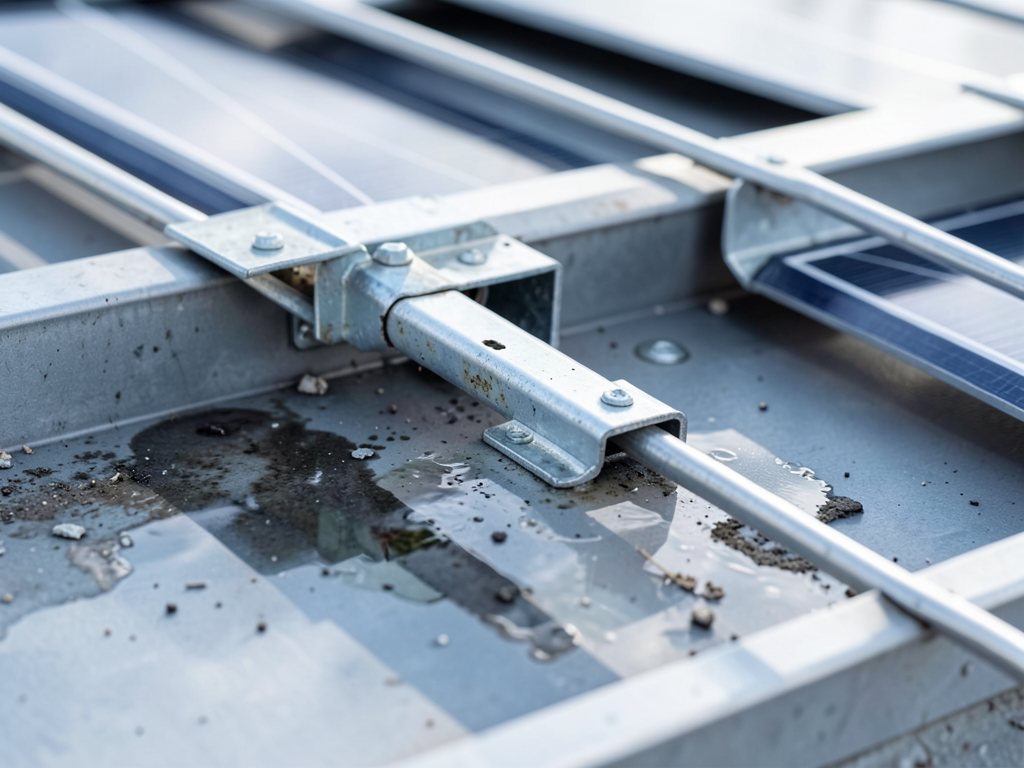


Chicago sits at the southwestern edge of Lake Michigan, creating a unique weather pattern that produces intense, sustained rainfall events. Lake effect moisture combines with spring and summer storm systems to deliver high-volume downpours that overwhelm roof drainage systems in minutes. The flat and low-slope roofs common across Chicago bungalows and two-flats rely on functional drains and scuppers. When debris clogs these systems during a storm, water ponds on the roof surface and finds any weakness in the membrane or flashing. The freeze-thaw cycles from October through April crack shingles and open seams, creating vulnerabilities that remain invisible until the next heavy rain exposes them. This combination makes emergency roof leak repair one of the most common calls we receive in the Chicago metro area.
Chicago building codes require specific roof slope minimums and drainage capacities based on local rainfall data. Our crews know these requirements because we work across every Chicago neighborhood, from historic Pullman homes with original slate to modern Lincoln Park construction with complex rooflines. We understand how Cook County permit requirements affect emergency repairs and when temporary fixes can proceed without inspection. This local knowledge matters when you need fast action during a storm. A roofing company from outside the area will not know how to navigate Chicago code compliance or source materials that match the architectural styles specific to neighborhoods like Bridgeport, Rogers Park, or Beverly. Local expertise means faster repairs and correct solutions the first time.