




Melrose Park sits in the direct path of Lake Michigan weather systems that create rapid temperature swings throughout winter. When temperatures drop below freezing at night and climb above 40 during the day, ice dams form along roof edges near North Avenue and Broadway. These freeze-thaw cycles stress shingles and open gaps where water infiltrates attics. The older housing stock near Fifteenth Avenue features steeper roof pitches and valleys that trap debris and moisture.
Summer brings different challenges. Thunderstorms rolling across Cook County produce straight-line winds exceeding 60 mph. These winds peel back shingles and damage flashing around chimneys and vents. The mature trees throughout Melrose Park drop branches that puncture roofing materials. Local building codes require permits for roof replacements over 100 square feet, and inspectors check for proper ventilation and ice barrier installation.
The combination of aging roofs built before modern codes and intense weather creates constant repair needs. Homes built in the 1950s and 1960s often have inadequate attic ventilation, causing premature shingle failure. Understanding these specific conditions means knowing which materials perform best and which shortcuts cause callbacks. Contractors who serve the entire Chicago metro miss these neighborhood details that affect every roof decision.
Patriot Roofing Chicago has repaired and replaced roofs across Melrose Park since our founding. We know the difference between storm damage that needs immediate attention and wear that can wait for better weather. Our crews recognize the warning signs specific to this area, from ice dam damage patterns to wind uplift on flat commercial roofs near the industrial corridor.
We built our reputation on transparent communication. When we inspect your roof, you get photos of every problem area with clear explanations of what needs repair now versus what to monitor. No pressure tactics or inflated quotes. Our estimates break down material costs, labor, and permit fees so you understand exactly what you're paying for. We explain why certain shingle grades make sense for Melrose Park weather and which ones are marketing gimmicks.
Our installation crews complete most residential roofs in one to two days, minimizing disruption to your household. We use tarps and magnetic sweepers to protect your property and remove every nail from your lawn. Each project includes proper underlayment, starter strips, and ice barriers that meet or exceed code requirements. We coordinate directly with village inspectors to schedule reviews and handle any corrections immediately.
When storms hit, we prioritize emergency tarping to stop active leaks before scheduling permanent repairs. Our dispatch system ensures someone answers your call during business hours, and our voicemail provides after-hours emergency contacts. We've built relationships with insurance adjusters who work in Cook County, which speeds up claim processing and reduces your out-of-pocket costs. This local knowledge and accountability keeps customers calling us first when roof problems appear.

When your roof leaks during a storm, water damage spreads fast. We dispatch crews for emergency tarping the same day you call. Our trucks carry tarps, fasteners, and materials to stop water infiltration immediately. We protect your attic and ceiling until permanent repairs can begin. Emergency service includes documentation for insurance claims.

Every estimate breaks down material costs, labor rates, permit fees, and disposal charges. We explain which shingle grades perform best in Melrose Park weather and why certain underlayments prevent ice dam damage. You receive written quotes before work begins. No surprise charges appear on final invoices. Our pricing includes cleanup, inspection coordination, and warranty registration.
Melrose Park requires permits for most roofing work and inspects installations for proper ventilation and ice barriers. Our crews follow International Residential Code standards and village requirements on every project. We install the correct number of fasteners per shingle, proper flashing around penetrations, and adequate ventilation to prevent premature failure. Projects pass inspection without callbacks or corrections.
Our installation teams live and work in the Chicago area. They understand Melrose Park weather patterns and building styles. When you call with questions during or after your project, you reach the same people who did the work. We stand behind every installation because our reputation depends on satisfied neighbors. Local crews mean faster response times and personal accountability.
Patriot Roofing Chicago handles everything from emergency leak repairs to complete roof replacements across residential and commercial properties in Melrose Park. Our service range covers urgent storm damage that threatens your interior, planned replacements for aging roofs reaching end of life, and preventive maintenance that extends roof performance. We work on steep-slope shingle roofs common in residential neighborhoods, low-slope commercial systems along the industrial areas, and flat roofs on multi-family buildings.
Each service category requires different expertise and materials. Emergency repairs demand fast response and temporary protection. Roof replacements involve permit coordination, material selection, and multi-day installation schedules. Maintenance programs catch small problems before they become expensive failures. We match the right approach to your situation and timeline.
Our crews carry materials and equipment for common repair needs on every truck. For replacement projects, we order materials specific to your roof design and local code requirements. Commercial work includes coordination with property managers and business owners to minimize disruption. Whether you need immediate leak repair or scheduled replacement, we provide the same attention to quality workmanship and clear communication throughout the process.
Storm damage requires immediate attention to prevent water from destroying insulation, drywall, and personal property. We dispatch crews within hours to tarp damaged areas and stop active leaks. Our emergency service includes temporary repairs that protect your home until permanent fixes can be scheduled. We document damage for insurance claims and provide written assessments of repair costs. Emergency repairs cover torn shingles, damaged flashing, punctured membranes, and compromised valleys that allow water penetration during active weather events.
Aging roofs need complete replacement when repairs no longer prevent leaks or when shingles reach their rated lifespan. We remove old materials down to the decking, inspect for rot or structural damage, and install new underlayment and shingles that meet current code standards. Replacement projects include proper ventilation systems, ice barriers along eaves, and upgraded flashing around chimneys and vents. We coordinate permits with Melrose Park building department and schedule inspections. Most residential replacements complete in one to two days with full cleanup and magnetic nail sweeping.
Regular roof inspections catch small problems before they require expensive repairs. Our maintenance programs include annual inspections that check shingle condition, flashing integrity, and ventilation performance. We clear debris from valleys and gutters, reseal penetrations where caulk has failed, and replace damaged shingles before leaks develop. Maintenance extends roof life by addressing wear patterns early. Commercial properties benefit from scheduled inspections that prevent business disruption. Residential maintenance programs provide documentation for warranty claims and help plan replacement budgets before emergency situations force rushed decisions.
Melrose Park's climate creates predictable roof damage patterns that affect homes and businesses throughout the village. Understanding these common issues helps property owners recognize warning signs before minor problems become expensive emergencies. The combination of freeze-thaw cycles, summer storms, and aging building stock means most properties face similar challenges at some point.
Older homes near Lake Street and Twenty-Fifth Avenue experience ice dam damage most winters. These homes often lack adequate attic insulation and ventilation, allowing heat to escape through the roof and melt snow. Water backs up under shingles and leaks into living spaces. Storm damage concentrates along the commercial corridor where large flat roofs and attached buildings create wind uplift conditions. High winds during thunderstorms peel back membrane seams and damage parapet flashing.
Tree damage affects properties throughout residential neighborhoods. Mature trees drop branches during storms, puncturing shingles and damaging gutters. Even without direct impacts, overhanging branches scrape away protective granules and deposit moisture-trapping debris in valleys. These localized problems compound over time, creating widespread wear that leads to premature replacement needs. Recognizing these patterns helps property owners take preventive action and budget for inevitable repairs.
Ice dams form when heat escapes through inadequate attic insulation and melts snow on the roof surface. Water runs down to cold eaves where it refreezes, creating barriers that trap additional meltwater. This water backs up under shingles and leaks into walls and ceilings. Ice dams indicate ventilation problems that require attic improvements alongside roof repairs to prevent recurring damage each winter.
Summer thunderstorms produce straight-line winds that exceed shingle wind ratings on older roofs. Wind catches improperly fastened or aged shingles and peels them back or tears them away completely. Missing shingles expose underlayment to UV damage and create entry points for water during subsequent storms. Wind damage often concentrates on roof edges and ridges where uplift forces are strongest.
Metal flashing around chimneys, vents, and skylights deteriorates from temperature cycling and UV exposure. Caulk seals crack and separate, allowing water to seep behind flashing and rot roof decking. Improperly installed flashing creates immediate leak points. Flashing failures often go unnoticed until water stains appear on interior ceilings. These repairs require removing shingles to access deteriorated flashing and properly integrate new materials.
Asphalt shingles lose protective granules as they age, exposing the asphalt layer to direct sunlight. UV radiation breaks down the asphalt, causing shingles to curl, crack, and lose waterproofing capability. Excessive granule loss appears as bare spots on shingles and accumulation in gutters. Once shingles reach this stage, patching individual areas no longer provides reliable protection. Complete replacement becomes necessary to prevent widespread leaking.
From your first call to final inspection, Patriot Roofing Chicago maintains clear communication and professional service standards on every project. We understand roof work disrupts your routine and requires access to your property. Our process minimizes inconvenience while ensuring quality results that protect your investment.
Initial contact puts you directly with someone who understands roofing, not a call center reading scripts. We schedule inspections at times that work for your schedule, including evenings and weekends when necessary. Our inspection includes attic access to check for existing water damage, ventilation issues, and structural concerns that affect roof performance. You receive photos documenting current conditions and detailed explanations of recommended repairs or replacement.
Once you approve our estimate, we handle permit applications and schedule work around weather forecasts and your availability. Installation crews arrive on time with clearly marked vehicles and introduce themselves before starting work. We protect landscaping, walkways, and driveways with tarps and barriers. Daily cleanup removes debris and nails before crews leave each evening. Final cleanup includes magnetic sweeping and inspection of your entire property for fallen materials. This attention to communication and property protection ensures you feel confident throughout the entire process.
Every project begins with complete roof inspection from shingles to decking. We photograph damage areas, check flashing integrity, and assess attic ventilation. You receive a written report explaining current conditions, necessary repairs, and optional improvements. For insurance claims, we document storm damage with detailed photos and measurements that support your claim. Our inspection identifies underlying problems that could affect new roof performance, including inadequate ventilation or structural issues requiring attention before installation begins.
Our crews follow manufacturer specifications and building code requirements on every installation. We use the correct number of fasteners per shingle, install proper underlayment and ice barriers, and flash all penetrations according to industry standards. Crew leaders inspect work throughout each day to catch any deviations before they become problems. We coordinate required inspections with village building department and address any inspector comments immediately. Quality control continues through final cleanup and customer walkthrough.
After installation completes and passes inspection, we register your material warranties with manufacturers and provide copies of all documentation. You receive care instructions for your new roof and contact information for future service needs. We follow up within two weeks to address any questions or concerns. Our workmanship warranty covers installation defects, and we respond quickly to any callbacks. This ongoing support ensures your roof performs as expected for years after installation completes.
We keep the roofing process simple and predictable. Three clear phases take you from initial concern to completed project without confusion or surprises.
Call (773) 599-7055 to schedule your inspection. We examine your roof from shingles to structure, photograph problem areas, and check attic conditions. You receive a detailed written estimate explaining necessary work, material options, and project timeline. For storm damage, we document conditions for insurance claims. Estimates include permit fees, material costs, labor rates, and disposal charges. No hidden fees appear later. Approval requires your signature on a clear contract that specifies scope of work and payment terms.
We obtain required permits and schedule work around weather conditions. Crews arrive on schedule with materials and equipment to complete your project efficiently. Most residential roofs finish in one to two days. We protect your property with tarps and barriers, remove old materials down to decking, inspect for damage, and install new roofing systems that meet code requirements. Daily cleanup removes debris before crews leave. We coordinate required inspections with village building department and address any inspector comments immediately.
Complete cleanup includes magnetic nail sweeping across your entire property, removal of all debris, and final inspection with you present. We walk you through the completed work, explain care requirements, and answer questions. You receive copies of inspection approvals, material warranties, and our workmanship guarantee. We register warranties with manufacturers and provide contact information for future service needs. Payment is due only after you approve the completed work and cleanup meets your standards.
Professional roofing requires adherence to International Residential Code standards, manufacturer specifications, and local building requirements. Melrose Park enforces permit requirements for roof replacements exceeding 100 square feet and requires inspections to verify proper installation. Understanding these standards helps property owners recognize quality work and avoid contractors who cut corners.
The IRC mandates specific underlayment requirements based on roof pitch. Slopes between 2:12 and 4:12 require two layers of underlayment or a single layer of self-adhering modified bitumen. Steeper slopes need only one layer of underlayment, but best practices in freeze-thaw climates include self-adhering ice barrier along eaves extending at least 24 inches inside exterior wall lines. This prevents ice dam damage during winter months.
Proper fastening patterns directly affect wind resistance and warranty validity. Shingle manufacturers specify the number and placement of fasteners per shingle. Most architectural shingles require six fasteners installed in the nailing zone one inch from each edge and spaced according to shingle design. Fasteners driven too high or too low compromise wind rating and void warranties. Overdriven fasteners that crush shingles create leak points. Underdriven fasteners that leave nail heads exposed allow water infiltration.
Ventilation requirements balance intake and exhaust to prevent moisture accumulation and excessive attic heat. The IRC requires one square foot of ventilation per 150 square feet of attic space when ventilation is balanced between intake and exhaust. Continuous ridge vents paired with soffit vents provide optimal airflow. Inadequate ventilation causes premature shingle failure, ice dam formation, and mold growth in attic spaces. Many older Melrose Park homes lack proper ventilation, requiring upgrades during roof replacement to meet current standards and prevent recurring problems.
Flashing installation follows specific sequencing and overlap patterns around chimneys, walls, valleys, and penetrations. Step flashing along walls must weave with each shingle course with proper overlap. Valley flashing requires underlayment protection and metal flashing that extends at least seven inches on each side of valley centerline. Chimney flashing includes base flashing, step flashing, and counter flashing that integrates with masonry. Improper flashing creates the most common leak points on otherwise sound roofs.
Melrose Park requires building permits for most roofing work and conducts inspections to verify proper installation. Permits ensure contractors follow current codes for underlayment, ventilation, and flashing. Working without permits risks fines and creates problems when selling your property. Inspections catch installation defects before they cause expensive damage. Licensed contractors handle permit applications and coordinate required inspections as standard practice on every project.
Shingle quality affects lifespan and weather resistance. Architectural shingles rated for 130 mph winds perform better in Melrose Park storms than basic three-tab shingles. Algae-resistant shingles prevent black streaking common in humid climates. Underlayment choice matters equally. Synthetic underlayment resists tearing and provides better protection than traditional felt paper. Self-adhering ice barriers prevent leak damage from ice dams. Material costs vary significantly, but proper selection prevents premature failure.
Most residential roof replacements complete in one to two days depending on size, complexity, and weather conditions. Tear-off and disposal happen first, followed by decking inspection and repairs. Underlayment and new shingles install in sections working from eaves to ridge. Complex roofs with multiple valleys, dormers, or steep pitches require additional time. Weather delays are common. Professional contractors never rush installation to meet artificial deadlines when conditions compromise quality.
Material warranties from manufacturers cover defects in shingles for periods ranging from 25 years to lifetime depending on product grade. These warranties require proper installation following manufacturer specifications. Workmanship warranties from contractors cover installation defects for specified periods. Registration with manufacturers activates enhanced warranty coverage and protects future claims. Keep all warranty documentation with property records. Understand what warranties cover and exclusions for wind damage or improper maintenance.
Educational video covering essential roofing information for Melrose Park homeowners. Topics include local weather challenges, ice dam prevention, storm damage recognition, material selection, building code requirements, and replacement timing. Features expert insights on proper installation standards, ventilation requirements, and maintenance practices that extend roof life in Cook County's climate conditions.
Patriot Roofing Chicago serves residential and commercial properties throughout Melrose Park and adjacent Cook County communities. Our service area extends across the neighborhoods surrounding North Avenue and Broadway where older homes face similar weather challenges and building code requirements. We know the housing stock in these areas, from post-war bungalows near Fifteenth Avenue to mid-century ranches along Lake Street.
The residential neighborhoods south of North Avenue feature mature trees and steep-pitch roofs common to homes built in the 1950s and 1960s. These properties require careful navigation during installation and experience predictable wear patterns from shade and organic debris accumulation. Storm damage in this area often includes branch impacts and shingle loss from wind uplift along ridge lines. Properties near the Des Plaines River corridor face additional moisture challenges that affect attic ventilation and underlayment selection.
Commercial properties concentrate along the industrial corridor near Twenty-Fifth Avenue where flat and low-slope roofs dominate. These buildings require different materials and installation techniques than residential steep-slope systems. Modified bitumen and EPDM rubber membrane systems common in commercial applications demand specialized knowledge of seam welding, fastening patterns, and drainage design. We handle both emergency leak repairs and planned replacements for commercial clients who need to minimize business disruption.
Our service extends north into Franklin Park and south into Bellwood, serving property owners throughout the greater Melrose Park metro area. This geographic focus allows us to maintain response times under two hours for emergency calls and develop relationships with local building inspectors who streamline permit and inspection processes. We understand microclimate variations across different neighborhoods and how proximity to major highways like the Eisenhower Expressway affects wind patterns and debris accumulation on roofs.
The diverse property types across our service area require different approaches. Multi-family buildings need coordination with property managers and tenant notification. Historic homes require sensitivity to architectural details and material matching. New construction in developing areas demands strict adherence to current energy codes and ventilation standards. This breadth of experience across Melrose Park and surrounding communities means we handle any roofing challenge competently and efficiently regardless of property type or location.
Roof replacement pricing in Melrose Park varies based on several factors. Your roof size, material choice, and complexity of the job all influence the final investment. Asphalt shingle roofs tend to be more affordable, while metal and tile options require higher upfront spending. Steep pitches, multiple chimneys, and skylights add to labor time. Removal of old materials and necessary repairs to decking also affect pricing. Get three written estimates from local contractors. Compare what each quote includes, from materials to cleanup. Most Melrose Park homeowners find quality roof replacement to be a worthwhile investment in home protection.
Several warning signs tell you when your Melrose Park roof needs replacement. Look for curling, cracking, or missing shingles across large areas. Check your attic for water stains or light coming through the roof boards. Granules collecting in gutters mean your shingles are wearing out. Sagging areas indicate structural problems. If your roof is 20 years old or older, replacement time approaches. After severe storms, inspect for widespread damage. Moss growth and dark streaks suggest moisture issues. Multiple leaks in different areas signal system failure. A professional inspection gives you a clear assessment of your roof's condition.
Most residential roof installations in Melrose Park take one to three days. A standard single-family home with asphalt shingles gets completed in one to two days with good weather. Larger homes or complex roof designs need three to five days. Metal roofing takes longer than asphalt. Rain delays push timelines back. Your contractor removes old materials, inspects and repairs decking, installs underlayment, and applies new roofing. Cleanup happens at the end. Steep roofs and multiple levels add time. Your roofing contractor provides a specific timeline during your estimate based on your home's unique features.
Roof replacement pricing in Melrose Park varies based on several factors. Your roof size, material choice, and complexity of the job all influence the final investment. Asphalt shingle roofs tend to be more affordable, while metal and tile options require higher upfront spending. Steep pitches, multiple chimneys, and skylights add to labor time. Removal of old materials and necessary repairs to decking also affect pricing. Get three written estimates from local contractors. Compare what each quote includes, from materials to cleanup. Most Melrose Park homeowners find quality roof replacement to be a worthwhile investment in home protection.
Several warning signs tell you when your Melrose Park roof needs replacement. Look for curling, cracking, or missing shingles across large areas. Check your attic for water stains or light coming through the roof boards. Granules collecting in gutters mean your shingles are wearing out. Sagging areas indicate structural problems. If your roof is 20 years old or older, replacement time approaches. After severe storms, inspect for widespread damage. Moss growth and dark streaks suggest moisture issues. Multiple leaks in different areas signal system failure. A professional inspection gives you a clear assessment of your roof's condition.
Most residential roof installations in Melrose Park take one to three days. A standard single-family home with asphalt shingles gets completed in one to two days with good weather. Larger homes or complex roof designs need three to five days. Metal roofing takes longer than asphalt. Rain delays push timelines back. Your contractor removes old materials, inspects and repairs decking, installs underlayment, and applies new roofing. Cleanup happens at the end. Steep roofs and multiple levels add time. Your roofing contractor provides a specific timeline during your estimate based on your home's unique features.
Yes, you need a building permit for roof replacement in Melrose Park. The Village of Melrose Park requires permits for all roofing projects. Your contractor typically handles the permit application process. The village reviews your plans to ensure compliance with local building codes. Inspectors check the work during or after installation. Permit fees apply based on project scope. Working without a permit leads to fines and complications when selling your home. The permit process protects you by ensuring proper installation standards. Choose a contractor familiar with Melrose Park requirements. They navigate the permit process efficiently while keeping your project on schedule.
Metal roofing lasts longest in Melrose Park weather conditions, often 40 to 70 years. Metal withstands ice, snow, heavy rain, and high winds common to the area. Slate and tile roofs also provide exceptional longevity, lasting 50 to 100 years. Asphalt shingles, the most popular choice, last 20 to 30 years in Melrose Park's climate. Architectural shingles outlast basic three-tab versions. Proper installation and ventilation extend any roof's lifespan. Regular maintenance prevents premature failure. Consider your budget and how long you plan to stay in your home when choosing materials. Quality installation matters as much as material choice.
Storm damage shows up in several ways on your Melrose Park roof. Walk around your property looking for shingles on the ground or in gutters. Check for dented or cracked shingles, especially after hail. Look for bruising on shingles where hail impact removed granules. Missing or lifted shingles indicate wind damage. Dents on metal roof vents, flashing, and gutters suggest hail. Inside your home, water stains on ceilings point to leaks. Take photos of damage for your insurance claim. Schedule a professional inspection quickly after storms. Document everything before making temporary repairs.
Melrose Park building codes sometimes allow installing new shingles over one existing layer. This approach saves money on tear-off and disposal fees. The existing roof must be flat and in good condition. Two or more layers already present require complete removal. New shingles over old add weight to your roof structure. You cannot inspect the decking for rot or damage when overlaying. Most roofing professionals recommend complete tear-off for better results and longer lifespan. A full replacement lets contractors fix underlying problems. Check with your local building department about specific requirements before deciding on an overlay installation.
Inspect your Melrose Park roof twice per year, in spring and fall. These seasonal checks catch problems before they worsen. Schedule professional inspections every three years for roofs under 10 years old. Roofs older than 10 years need annual professional inspections. After severe storms, hail, or high winds, get an immediate inspection. Look for obvious damage from the ground between professional visits. Check for missing shingles, damaged flashing, and clogged gutters. Inspections cost less than repairs from undetected damage. Early detection of small problems prevents expensive repairs. Keep inspection records for insurance purposes and home sale documentation.
Your homeowners insurance covers roof replacement when storm damage or covered perils cause the need. Policies typically cover wind, hail, fire, and falling objects. Gradual wear and tear from age does not qualify for coverage. Insurance pays for sudden, unexpected damage. Your deductible applies to roof claims. Some policies offer replacement value while others pay depreciated value. Older roofs face coverage limitations or higher premiums. Document storm damage with photos immediately. File claims promptly after damage occurs. An adjuster inspects your roof to determine coverage. Review your policy details to understand your specific coverage limits and exclusions.
Late spring through early fall offers the best timeframe for Melrose Park roof replacement. Summer provides ideal weather with warm temperatures and low rainfall. Shingles seal properly in warm conditions. Fall works well before winter weather arrives. Spring allows repairs after winter damage assessment. Avoid winter installation when possible due to cold temperatures affecting shingle adhesion and worker safety. Extreme heat in mid-summer slows work progress. Book your project early for preferred scheduling. Contractors stay busy during peak season. Flexible timing sometimes means better pricing during slower months. Weather delays happen regardless of planning, so build buffer time into your schedule.
Yes, you need a building permit for roof replacement in Melrose Park. The Village of Melrose Park requires permits for all roofing projects. Your contractor typically handles the permit application process. The village reviews your plans to ensure compliance with local building codes. Inspectors check the work during or after installation. Permit fees apply based on project scope. Working without a permit leads to fines and complications when selling your home. The permit process protects you by ensuring proper installation standards. Choose a contractor familiar with Melrose Park requirements. They navigate the permit process efficiently while keeping your project on schedule.
Metal roofing lasts longest in Melrose Park weather conditions, often 40 to 70 years. Metal withstands ice, snow, heavy rain, and high winds common to the area. Slate and tile roofs also provide exceptional longevity, lasting 50 to 100 years. Asphalt shingles, the most popular choice, last 20 to 30 years in Melrose Park's climate. Architectural shingles outlast basic three-tab versions. Proper installation and ventilation extend any roof's lifespan. Regular maintenance prevents premature failure. Consider your budget and how long you plan to stay in your home when choosing materials. Quality installation matters as much as material choice.
Storm damage shows up in several ways on your Melrose Park roof. Walk around your property looking for shingles on the ground or in gutters. Check for dented or cracked shingles, especially after hail. Look for bruising on shingles where hail impact removed granules. Missing or lifted shingles indicate wind damage. Dents on metal roof vents, flashing, and gutters suggest hail. Inside your home, water stains on ceilings point to leaks. Take photos of damage for your insurance claim. Schedule a professional inspection quickly after storms. Document everything before making temporary repairs.
Melrose Park building codes sometimes allow installing new shingles over one existing layer. This approach saves money on tear-off and disposal fees. The existing roof must be flat and in good condition. Two or more layers already present require complete removal. New shingles over old add weight to your roof structure. You cannot inspect the decking for rot or damage when overlaying. Most roofing professionals recommend complete tear-off for better results and longer lifespan. A full replacement lets contractors fix underlying problems. Check with your local building department about specific requirements before deciding on an overlay installation.
Inspect your Melrose Park roof twice per year, in spring and fall. These seasonal checks catch problems before they worsen. Schedule professional inspections every three years for roofs under 10 years old. Roofs older than 10 years need annual professional inspections. After severe storms, hail, or high winds, get an immediate inspection. Look for obvious damage from the ground between professional visits. Check for missing shingles, damaged flashing, and clogged gutters. Inspections cost less than repairs from undetected damage. Early detection of small problems prevents expensive repairs. Keep inspection records for insurance purposes and home sale documentation.
Your homeowners insurance covers roof replacement when storm damage or covered perils cause the need. Policies typically cover wind, hail, fire, and falling objects. Gradual wear and tear from age does not qualify for coverage. Insurance pays for sudden, unexpected damage. Your deductible applies to roof claims. Some policies offer replacement value while others pay depreciated value. Older roofs face coverage limitations or higher premiums. Document storm damage with photos immediately. File claims promptly after damage occurs. An adjuster inspects your roof to determine coverage. Review your policy details to understand your specific coverage limits and exclusions.
Late spring through early fall offers the best timeframe for Melrose Park roof replacement. Summer provides ideal weather with warm temperatures and low rainfall. Shingles seal properly in warm conditions. Fall works well before winter weather arrives. Spring allows repairs after winter damage assessment. Avoid winter installation when possible due to cold temperatures affecting shingle adhesion and worker safety. Extreme heat in mid-summer slows work progress. Book your project early for preferred scheduling. Contractors stay busy during peak season. Flexible timing sometimes means better pricing during slower months. Weather delays happen regardless of planning, so build buffer time into your schedule.
Patriot Roofing is proud to be a locally owned and operated business committed to serving our community and the surrounding areas. Our deep understanding of the local climate and architectural styles allows us to provide roofing solutions that are perfectly suited to the unique needs of our clients. We invite you to explore our service area and see why so many residents trust us for all their roofing needs.
Address:
Melrose Park, IL, 60160
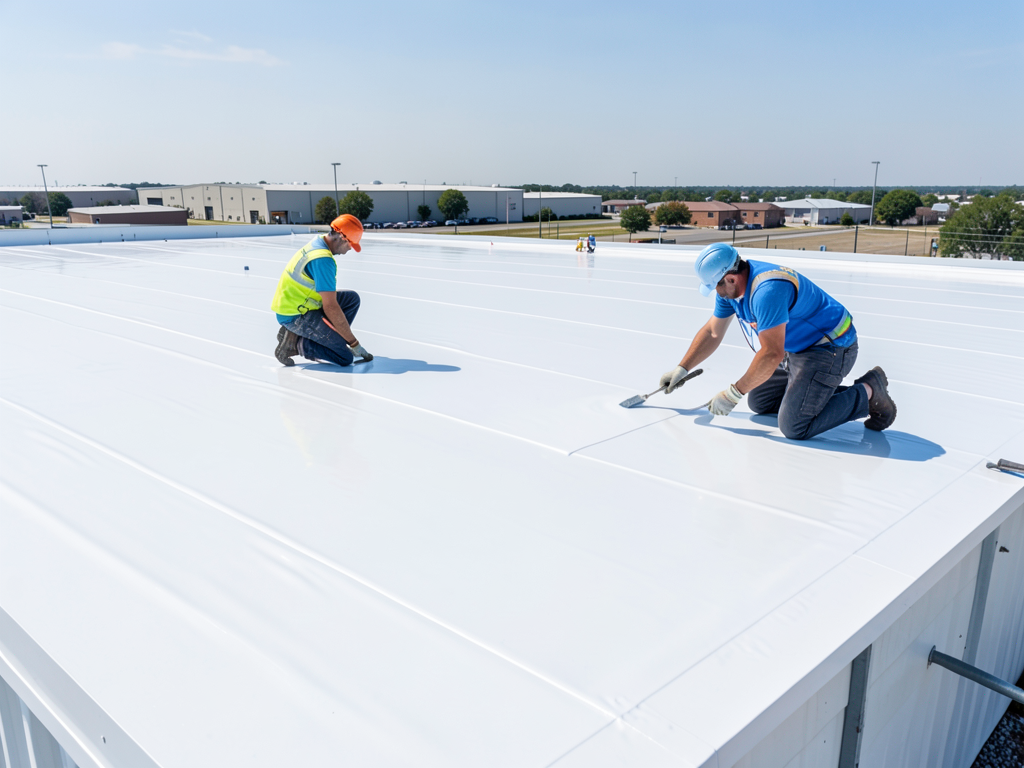
What a Commercial Roof Recovery Coating Can Actually Do for Your Warehouse in Elk Grove Village A commercial roof recovery coating can extend your warehouse roof life by 10-15 years while cutting costs by up…
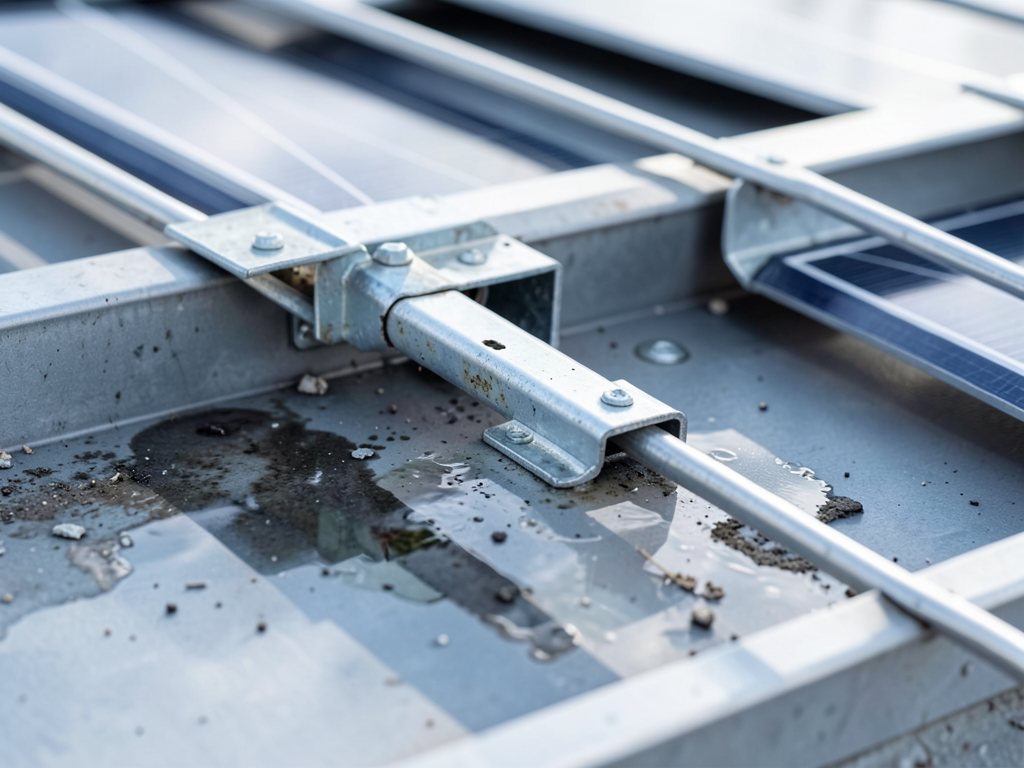
The Right Way to Seal Roof Leaks Around Solar Panels in Skokie When water starts…

Why K-Style Gutters and Half-round Gutters Perform Differently on Homes in Longwood Manor When choosing…

How to Tell if Your Historic Home in Bowmanville Has Asbestos Shingles If your Bowmanville…
Don't wait until small problems become expensive emergencies. Call Patriot Roofing Chicago at (773) 599-7055 for a free inspection and honest assessment of your roof condition. We provide transparent estimates and schedule work around your timeline. Serving Melrose Park with quality roofing services you can trust.