
menu

Soffit & Fascia Services in Chicago | Protecting Your Roofline from Lake Effect Weather

Expert soffit and fascia repair, replacement, and installation protecting Chicago homes from ice damage, wind-driven rain, and the freeze-thaw cycles that destroy untreated rooflines every winter.

Slider Image 1
Slider Image 2
Slider Image 3
Slider Image 4
Slider Image 5
Slider Image 7
Slider Image 8
Slider Image 9
Slider Image 10
Slider Image 11

Why Chicago's Climate Destroys Soffit and Fascia Faster Than Most Cities

Chicago's position on Lake Michigan creates a roofing nightmare most homeowners do not see coming. The lake effect dumps moisture into your soffit and fascia year-round. Winter freeze-thaw cycles split wood fascia boards down the grain. Spring rains drive water behind aluminum soffit panels. Summer humidity rots the wood substrate behind vinyl fascia wraps.

You notice the damage when paint peels in sheets. When wasps build nests in soffit gaps. When you see daylight through your roofline from the attic. By then, the rot has spread to roof decking and rafter tails.

Chicago's older neighborhoods, from Lincoln Park to Beverly, feature homes built between 1920 and 1960 with original wood fascia and open eave construction. These homes need soffit and fascia replacement every 20 to 30 years. Newer homes in areas like Edison Park or Norwood Park use maintenance-free materials, but improper installation leaves gaps where ice dams form.

The city's building code requires proper ventilation ratios. Many contractors skip soffit vents or install them incorrectly. Poor ventilation traps heat in your attic. That heat melts snow on your roof. The meltwater refreezes at the eaves. Ice dams form. The fascia board takes the brunt of the expansion pressure.

Fascia board replacement becomes urgent when you see sagging gutters. The fascia is the anchor point. When it rots, your gutter system fails. Water pours behind the siding. You get foundation problems, basement seepage, and landscape erosion. Soffit and fascia installation must account for ventilation, ice dam prevention, and material expansion rates in Chicago's temperature swings.

Why Chicago's Climate Destroys Soffit and Fascia Faster Than Most Cities
How We Approach Soffit and Fascia Repair and Replacement

How We Approach Soffit and Fascia Repair and Replacement

Most contractors nail up prefab panels and leave. We start by removing damaged sections to expose the rafter tails and roof decking. We check for rot in the structural lumber. If the rafter tails are compromised, we sister new lumber alongside the damaged sections. This step separates competent soffit and fascia contractors from the ones who create callback nightmares.

We measure ventilation requirements based on your attic square footage. Chicago's code mandates a 1:150 ratio for attic ventilation when you use both soffit vents and ridge vents. We calculate the net free area for each vent panel. We space them to create balanced intake and exhaust. Unbalanced ventilation causes moisture accumulation and kills your new fascia installation within five years.

Material selection depends on your home's age and architecture. Historic homes in areas like Ravenswood or Old Town need wood fascia to match the original trim profiles. We use cedar or treated pine with a proper primer system. Modern homes get cellular PVC or aluminum-wrapped fascia. PVC does not rot. It expands and contracts, so we use hidden fasteners with slotted holes.

Aluminum soffit panels need proper J-channel installation. The J-channel must slope away from the house to drain water. Most hacks nail it level. Water sits in the channel. It wicks into the wood substrate. The rot starts behind the aluminum where you cannot see it.

We replace drip edge flashing when we replace fascia. The drip edge directs water away from the fascia face. Without it, water runs down the fascia board and soaks the end grain. End grain absorbs water like a sponge. Your new fascia rots in three years.

Patriot Roofing Chicago trains crews to recognize secondary damage. We check soffit areas above bay windows and porch roofs. These transition points collect ice. We add extra blocking and ventilation strips to prevent future failures.

What Happens During Your Soffit and Fascia Service

Soffit & Fascia Services in Chicago | Protecting Your Roofline from Lake Effect Weather
01

Roofline Damage Assessment

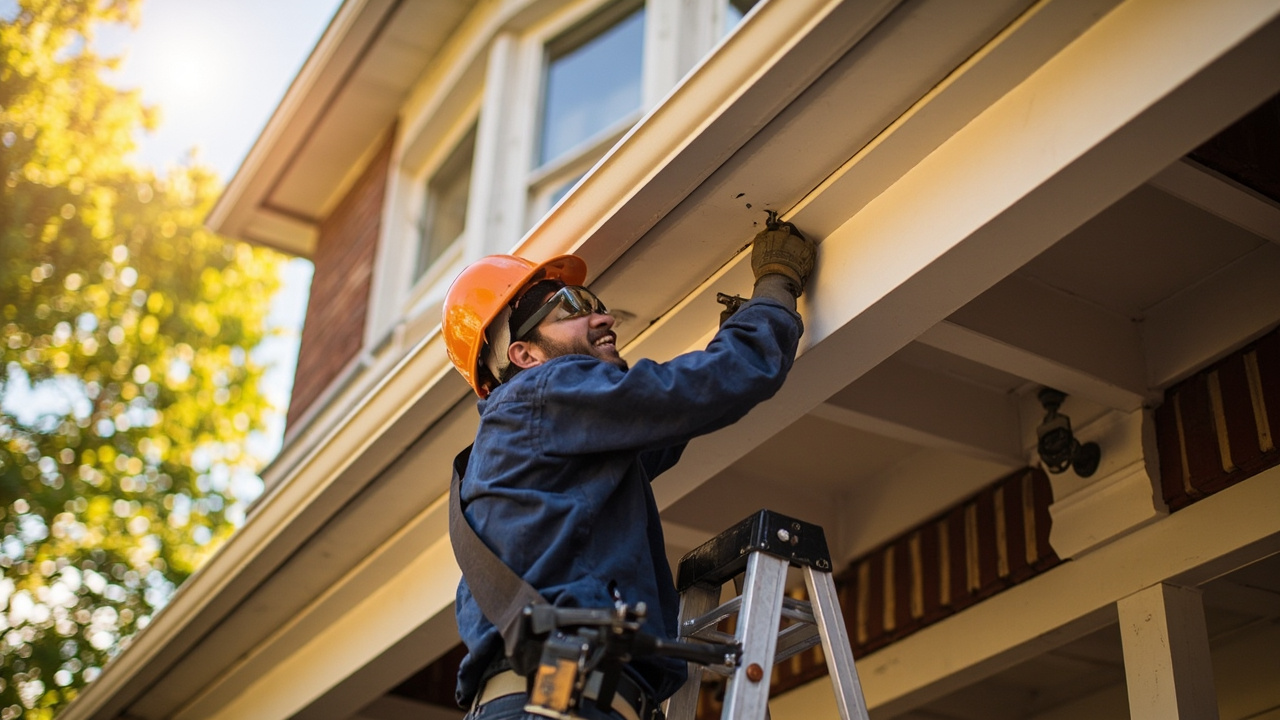
We inspect from the attic and exterior. Interior inspection reveals rot in rafter tails, roof decking, and the top plate of your exterior walls. Exterior inspection identifies failed caulk joints, open seams in soffit panels, and fascia boards separating from the wall. We photograph damage for insurance documentation. We measure existing ventilation and compare it to code requirements. You get a written report before we discuss solutions.
02

Removal and Structural Repair

We remove damaged soffit panels and fascia boards without damaging your siding or roof shingles. We expose the framing. We replace rotted rafter tails using sistered lumber and structural screws. We treat exposed wood with borate solution to prevent future rot. We install new blocking between rafters to support soffit panels. We replace deteriorated drip edge and install ice and water shield membrane along the eaves if your roof lacks it.
03

Installation and Ventilation Balance

We install new fascia boards or fascia covers using corrosion-resistant fasteners. We prime all cut edges on wood fascia before installation. We install vented soffit panels with proper J-channel and F-channel trim. We verify ventilation pathways are clear from soffit to ridge. We seal all trim joints with polyurethane caulk rated for temperature extremes. We clean up daily and complete a final walkthrough where you inspect the work before we consider the job finished.

Why Chicago Homeowners Choose Local Soffit and Fascia Experts

National roofing chains send crews who have never worked through a Chicago winter. They do not understand how lake effect snow loads stress rooflines differently than snow in other cities. They do not account for the freeze-thaw cycles that happen 40 to 50 times each winter along the North Shore and northwest suburbs.

We work in neighborhoods from Rogers Park to Mount Greenwood. We know which streets have homes with original 1920s bungalow details that need custom-milled fascia profiles. We know which subdivisions in Portage Park used particleboard soffit in the 1970s that needs complete replacement, not repair.

Chicago's building inspectors enforce the International Residential Code with local amendments. Section R806 governs attic ventilation. Inspectors calculate net free ventilation area. They measure soffit vent spacing. They verify balanced intake and exhaust. We pull permits for fascia board replacement when the work affects structural members or ventilation systems. Most homeowners do not know when permits are required. Contractors who skip permits leave you liable.

We maintain relationships with local lumberyards that stock materials suited for Chicago's climate. Big box stores sell soffit panels rated for southern climates. Those panels crack at 10 degrees below zero. We use materials rated for temperature extremes from minus 20 to plus 120 degrees Fahrenheit.

Insurance claims for storm damage often include soffit and fascia repair. Adjusters look for pre-existing rot versus sudden wind damage. We document the difference. We provide detailed estimates that separate storm damage from deferred maintenance. This documentation helps you get the claim paid without fighting the insurance company for six months.

Patriot Roofing Chicago has repaired soffit and fascia on Chicago's brick two-flats, greystones, and post-war ranch homes. Each style has different attachment methods and ventilation challenges. Experience with local architecture matters when you are screwing fascia into 100-year-old brick corbels.

What You Can Expect When You Hire Us

Project Timeline and Scheduling

Most soffit and fascia installation projects take two to four days for an average Chicago home. Complex jobs with structural repairs or custom millwork take longer. We schedule around weather windows. We do not install fascia when temperatures drop below 40 degrees because caulk will not cure properly and PVC becomes brittle. We start work between 8 AM and 9 AM to respect your neighbors. We provide a daily cleanup. We tarp open areas if rain threatens overnight. You get a start date and a completion date in writing.

The Inspection and Estimate Process

We perform a free exterior inspection. We also ask to see your attic to check for hidden water damage. Many homeowners discover roof leaks during fascia inspections. We measure the linear footage of fascia and soffit. We calculate ventilation requirements. We take photos of damage. You receive a written estimate within 48 hours. The estimate breaks down materials, labor, structural repairs, and disposal costs separately. You know exactly what you are paying for. We do not use allowances or vague line items. If we find additional damage during demolition, we stop and show you the problem before proceeding.

Quality of Materials and Workmanship

We use commercial-grade aluminum coil stock for wrapped fascia. The coating is baked enamel, not vinyl film that peels. Wood fascia gets factory-primed cedar or treated pine. We do not use finger-jointed pine for exterior applications. Soffit panels are solid vinyl or perforated aluminum depending on ventilation needs. Fasteners are stainless steel or hot-dipped galvanized. We hand-drive nails into solid wood blocking, not just sheathing. We caulk every joint with Sherwin-Williams 950A polyurethane, not cheap acrylic latex. You get materials that last 25 to 30 years, not five.

Warranty and Maintenance Guidance

We provide a written warranty covering materials and labor. The warranty excludes damage from ice dams caused by inadequate attic insulation, which is a separate issue. We explain how to maintain your new soffit and fascia. You should inspect caulk joints annually and recaulk any gaps before water enters. You should keep gutters clean so overflow does not soak the fascia. You should trim tree branches that scrape soffit panels during windstorms. We offer annual maintenance inspections where we check fasteners, caulk joints, and ventilation pathways. Most customers schedule inspections every three years.

Frequently Asked Questions

You Have Questions,
We Have Answers

How much should soffits and fascias cost? +

Soffit and fascia costs vary based on material, home size, and damage extent. Vinyl typically costs less than aluminum or wood. For a standard Chicago home, expect pricing to reflect regional labor rates and material availability. Factors include linear footage, soffit ventilation requirements, and whether structural repairs are needed. Homes in historic Chicago neighborhoods with custom woodwork may see higher costs. Chicago's freeze-thaw cycles often create hidden damage that affects final pricing. Request a detailed estimate that breaks down material versus labor costs and includes inspection of underlying wood for rot or water damage.

What kind of contractor fixes soffit and fascia? +

You need a roofing contractor or exterior remodeling specialist for soffit and fascia work. These professionals understand how these components integrate with your roofing system, gutters, and attic ventilation. Avoid general handymen for this work because improper installation creates moisture problems and compromises your roof structure. Look for contractors familiar with Chicago building codes and ventilation requirements specific to our climate. A qualified contractor will inspect your roof edge, check for water damage, and ensure proper venting to prevent ice dam formation during harsh Chicago winters. Always verify licensing and insurance before hiring.

What are two common problems with soffits and fascia? +

Water damage and poor ventilation are the two most common problems. Water infiltrates through damaged gutters or roof edges, causing soffit and fascia boards to rot. This happens frequently in Chicago due to heavy snow loads and ice dam formation. Poor ventilation occurs when soffits lack proper vents or become blocked by insulation or debris. This traps moisture in your attic, leading to mold growth and reduced energy efficiency. Both issues worsen during Chicago's extreme temperature swings. Regular inspection after winter prevents small problems from becoming structural nightmares that damage your roof decking and interior walls.

How much do you charge to install a soffit? +

We do not provide specific pricing without inspecting your home because every project differs. Soffit installation costs depend on linear footage, material choice, access difficulty, and existing damage. Chicago homes often have hidden rot behind existing soffits that requires repair before new installation. We measure your roofline, assess structural condition, check ventilation needs, and provide a written estimate. Factors like two-story access, historic trim matching, or urgent storm damage affect project scope. We break down material and labor costs clearly so you understand what you pay for and why proper installation protects your home from Chicago's harsh weather cycles.

Does homeowners insurance cover fascia damage? +

Homeowners insurance may cover fascia damage if caused by a covered peril like wind, hail, or falling trees. Chicago's severe storms often qualify. Insurance typically excludes damage from deferred maintenance, rot, or gradual deterioration. Document damage immediately with photos and file your claim quickly. An adjuster will inspect and determine coverage. Many Chicago homeowners find partial coverage where storm damage is covered but underlying rot is not. Review your policy's wind and hail deductibles. If unsure, we can help document storm damage and provide estimates for your claim. Never delay repairs waiting for approval.

How much does it cost to replace gutters on a 3 bed semi? +

This question asks about gutters, which is separate from soffit and fascia services. Gutter replacement costs depend on material, linear footage, and downspout configuration. For a typical Chicago three-bedroom semi-detached home, expect costs to vary based on aluminum versus copper gutters and whether fascia boards need repair first. Chicago's heavy rainfall and snow accumulation require properly sized gutters with adequate pitch. Many homeowners replace gutters simultaneously with fascia work because damaged fascia often stems from failed gutters. Request a comprehensive roofline inspection to understand how these systems work together and prevent future water damage.

What are signs of soffit rot? +

Look for visible discoloration, sagging sections, or soft spots when you press the material. Peeling paint indicates moisture trapped beneath the surface. You may see water stains or dark streaks running down from the roofline. Holes or cracks where animals enter signal deteriorated wood. In Chicago homes, check for white frost or ice buildup inside your attic near the eaves, which indicates ventilation failure and moisture problems. Musty odors in your attic suggest hidden rot. Pest activity like carpenter ants or woodpeckers often targets rotted soffit areas. Inspect after winter when freeze-thaw damage becomes most apparent.

Can you replace fascia without removing the roof? +

Yes, you can replace fascia without removing roofing in most cases. The fascia board attaches to rafter ends below the roof edge. A skilled contractor removes the gutter, carefully detaches the old fascia, and installs new boards without disturbing shingles. However, if rot extends into rafter tails or roof decking, partial roof removal becomes necessary. Chicago homes with ice dam damage often have this complication. The drip edge may need temporary removal and reinstallation. Proper fascia replacement includes checking underlying structure for damage. This approach saves money compared to full roof replacement when caught early.

How long does soffit repair take? +

Most soffit repairs take one to three days depending on damage extent and access difficulty. Simple section replacement on a single-story Chicago bungalow might finish in one day. Two-story homes or widespread rot take longer. Weather delays are common in Chicago, especially during spring and fall. Extensive repairs requiring rafter or roof decking work extend the timeline. We schedule work during dry periods to prevent further water infiltration. Emergency repairs after storm damage may happen faster. Timeline includes material delivery, removal of damaged sections, structural repairs if needed, new installation, and paint or finish work. Proper repairs should not be rushed.

What is the average cost to replace soffits? +

Complete soffit replacement costs vary widely based on home size, material selection, and underlying damage. Vinyl costs less than aluminum or engineered wood. Chicago homes typically require between 100 and 300 linear feet of soffit depending on house footprint and architectural style. Costs increase when structural repairs are needed or when matching historic details on older Chicago properties. Proper ventilation installation adds to material costs but prevents future problems. Regional labor rates, disposal fees, and seasonal demand affect pricing. Request multiple estimates that detail material specifications, ventilation strategy, and warranty terms. Investing in quality materials withstands Chicago's extreme climate longer.

How Chicago's Freeze-Thaw Cycles Accelerate Fascia Failure

Chicago experiences 40 to 60 freeze-thaw cycles each winter. Water infiltrates cracks in your fascia board during the day when temperatures rise above freezing. That water freezes overnight when temperatures drop to 20 degrees. Ice expands with 1,700 pounds per square inch of pressure. The expansion splits wood fascia along the grain. Each cycle widens the crack. By spring, your fascia board has splits an inch wide. Soffit and fascia replacement becomes necessary because repairs only delay the inevitable structural failure. Homes near the lake in Edgewater or Rogers Park face worse conditions because lake effect moisture keeps fascia boards damp through winter.

Chicago's Department of Buildings enforces strict ventilation codes, but many older homes were built before these codes existed. Soffit and fascia contractors in Chicago must understand how to retrofit ventilation into homes with closed eaves or inadequate attic access. We work with local inspectors who know which neighborhoods have recurring problems. Homes in Beverly and Morgan Park often have closed soffits that trap heat. Homes in Jefferson Park and Portage Park were built with minimal roof overhangs. Local expertise prevents failed inspections and ensures your soffit and fascia installation meets current code without expensive rework.
Roofing Services in The Chicago Area

Patriot Roofing is proud to be a locally owned and operated business committed to serving our community and the surrounding areas. Our deep understanding of the local climate and architectural styles allows us to provide roofing solutions that are perfectly suited to the unique needs of our clients. We invite you to explore our service area and see why so many residents trust us for all their roofing needs.

Address:
Patriot Roofing Chicago, 2111 S Halsted St, Chicago, IL, 60608

Additional Services We Offer

Our news updates

Latest Articles & News from The Blogs

How to Maintain the Integrity of Steep-Pitched Tudor Roofs in Lincoln Square Steep-pitched Tudor roofs dominate the architectural landscape of…

How to Maintain the Integrity of Steep-Pitched Tudor Roofs in Lincoln Square

How to Maintain the Integrity of Steep-Pitched Tudor Roofs in Lincoln Square Steep-pitched Tudor roofs dominate the architectural landscape of…

Dealing with Extra Wear and Tear on Hegewisch Roofs Near Industrial Areas

Dealing with Extra Wear and Tear on Hegewisch Roofs Near Industrial Areas If you live in Hegewisch near Chicago’s industrial…

The Benefits of Investing in Impact-Resistant Shingles for Your Austin Neighborhood Home

The Benefits of Investing in Impact-Resistant Shingles for Your Austin Neighborhood Home Chicago’s location in the Midwest makes it particularly…

Contact Us

Do not wait until your gutters fall off or water stains appear on your interior walls. Call Patriot Roofing Chicago at (773) 599-7055 for a free roofline inspection. We identify problems before they become expensive structural repairs.