
menu

Valley Leak Repair in Chicago – Stop Water Damage Before It Spreads Through Your Home

Expert valley leak repair protects Chicago homes from costly interior damage, mold growth, and structural compromise caused by improperly sealed roof valleys and deteriorated flashing systems.

Slider Image 1
Slider Image 2
Slider Image 3
Slider Image 4
Slider Image 5
Slider Image 7
Slider Image 8
Slider Image 9
Slider Image 10
Slider Image 11

Why Chicago Roof Valleys Fail and What Happens When They Do

Roof valleys channel massive amounts of water off your roof during every rainstorm. When valleys fail in Chicago, the results show up fast. Water stains appear on ceilings. Insulation gets soaked. Mold starts growing in attics within 48 hours.

Chicago's freeze-thaw cycles destroy valley integrity faster than most homeowners expect. Ice dams form where valleys meet the main roof plane. Snow melts during the day, refreezes at night, and forces water under shingles and flashing. By spring, the damage is done.

You notice the problem when you see water running down interior walls during heavy rain. Sometimes you smell it first. That musty odor in the upstairs bedroom means water has been collecting for weeks. The drywall feels soft when you press it. Paint bubbles near the ceiling line.

Fixing roof valley leaks requires more than a patch job. Failed valleys need complete flashing replacement and proper underlayment installation. Sealing roof valley joints with caulk might stop the visible leak temporarily, but it does nothing to address the underlying failure. Patching roof valley leaks without correcting the structural issues guarantees the problem returns within months.

The valley channels water from two roof planes into a single stream. When Chicago storms dump two inches of rain in an hour, a compromised valley cannot handle the volume. Water backs up under shingles, saturates the roof deck, and finds every gap in your ceiling. Repairing damaged roof valleys means addressing both the visible damage and the hidden deterioration underneath.

Most valley failures start with poor installation or aging materials. The flashing corrodes. The sealant dries out and cracks. Shingles along the valley edges lift from repeated freeze-thaw stress. Once water penetrates the roof deck, the problem accelerates.

Why Chicago Roof Valleys Fail and What Happens When They Do
How Proper Valley Leak Repair Protects Your Chicago Home

How Proper Valley Leak Repair Protects Your Chicago Home

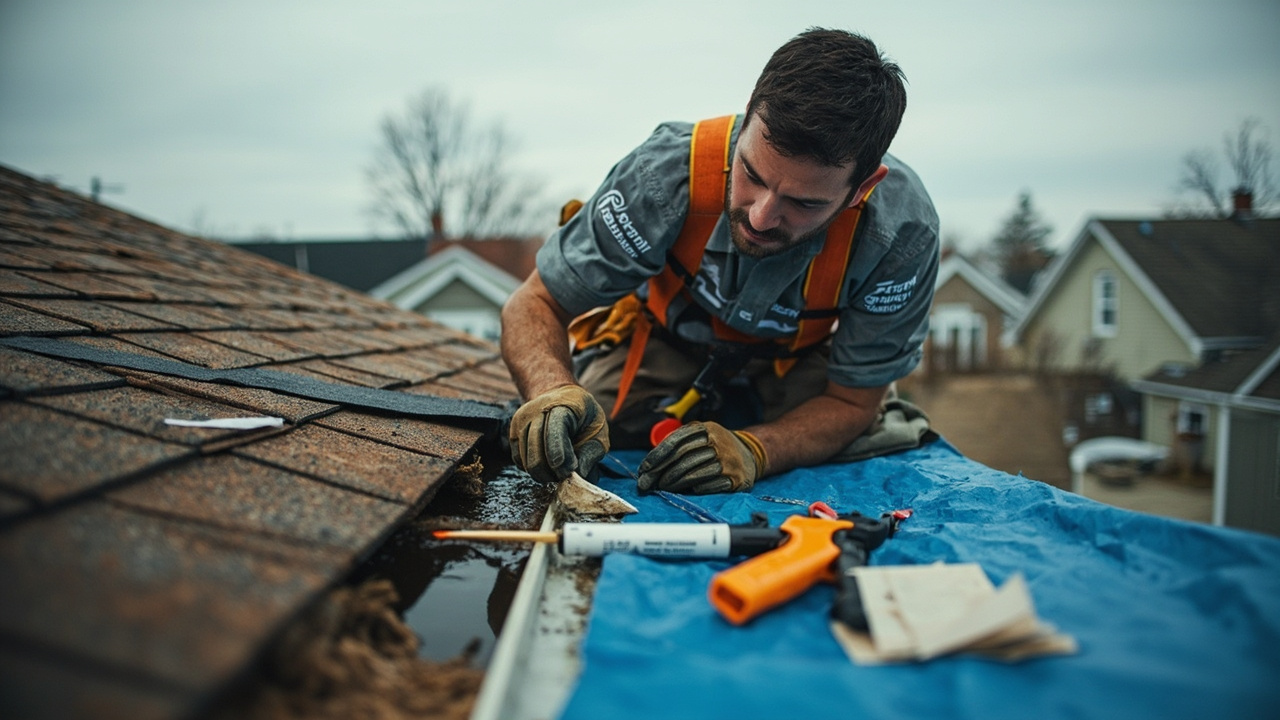
Roof valley flashing repair starts with complete tear-out of the compromised section. We remove shingles extending at least 18 inches from each side of the valley centerline. This exposes the full scope of damage to the underlayment and decking. Half measures do not work. You cannot repair a valley by working around existing materials.

We inspect the roof deck for rot and soft spots. Chicago's humidity means water damage spreads beyond the obvious leak point. Decking that feels solid might have lost 40 percent of its structural integrity. We probe every suspect area and replace compromised sections with exterior-grade plywood that meets Chicago building code requirements.

The valley gets new Ice and Water Shield underlayment that extends 36 inches on each side of the centerline. This self-adhering membrane creates a waterproof barrier that stops ice dam infiltration. Standard felt paper fails in valleys because it cannot seal around nail penetrations. Ice and Water Shield bonds directly to the decking and self-seals around fasteners.

We install new valley flashing using either woven or closed-cut methods, depending on your roof design and shingle type. Woven valleys interlock shingles from both roof planes for maximum water resistance. Closed-cut valleys use metal flashing as the primary water channel with shingles cut to precise angles. Both methods work when executed correctly. Both fail when shortcuts get taken.

The critical detail is the overlap sequence. Each course of shingles must overlap the one below it by at least six inches. The valley flashing extends under the upper shingles and over the lower shingles. Water flows over the top surface without finding gaps. We secure everything with corrosion-resistant fasteners placed outside the water channel.

Sealing roof valley joints happens last, after all mechanical fasteners are set. We use roofing mastic specifically formulated for Chicago temperature extremes. This creates a final barrier against wind-driven rain while allowing the valley to flex with seasonal temperature changes.

What Happens During Your Valley Repair

Valley Leak Repair in Chicago – Stop Water Damage Before It Spreads Through Your Home
01

Complete Valley Assessment

We photograph the damaged valley from multiple angles and inspect your attic for water stains, mold growth, and insulation damage. The leak you see on your ceiling often originates several feet away from where water finally drips through. We trace the water path back to the actual failure point and measure the full extent of compromised decking before providing repair specifications.
02

Structural Repair and Waterproofing

Damaged roof decking gets replaced with code-compliant materials secured to rafters with ring-shank nails. We install Ice and Water Shield across the entire valley and extend it past the leak zone. The new valley flashing goes down next, positioned to channel water away from vulnerable joints. Each shingle course gets hand-cut to the correct angle and secured outside the water flow path.
03

Final Sealing and Testing

We seal all exposed nail heads and flashing edges with premium roofing mastic rated for Chicago winters. The repaired section gets water-tested before we leave. We run a hose along the valley for 15 minutes while someone checks your attic and ceilings for moisture. You get documentation of all replaced materials and photos of the completed repair for your records.

Why Chicago Homeowners Choose Patriot Roofing Chicago for Valley Repairs

Valley repairs look simple until you account for Chicago winters. Generic roofing contractors use materials and methods that work fine in moderate climates but fail here within two years. We use Ice and Water Shield rated for our temperature extremes. Our flashing extends past minimum code requirements because we know how ice dams behave on Chicago roofs.

Chicago building codes require specific underlayment and flashing details for valley installations. Inspectors check overlap measurements, fastener placement, and material specifications. We know these requirements because we work with them daily. Your repair passes inspection the first time. You avoid delays and the expense of rework.

Patriot Roofing Chicago understands how Chicago's architecture affects valley performance. Older homes in neighborhoods like Lincoln Park and Lakeview have steep roof pitches and complex valley intersections. Bungalows in Portage Park have low-slope valleys that handle water differently. We adapt our methods to your specific roof design rather than applying one-size-fits-all solutions.

The materials we stock are chosen for Chicago conditions. The sealants remain flexible at minus-20 degrees. The flashing metal resists corrosion from road salt carried by winter winds. The shingles match your existing roof in both color and weathering pattern. The repair blends seamlessly with the surrounding roof surface.

We schedule valley repairs around Chicago weather patterns. Spring and fall provide optimal installation conditions. We do not rush repairs during marginal weather because compromised adhesion leads to failure. If your valley is actively leaking, we install temporary weatherproofing until conditions allow permanent repair. A tarp properly secured stops immediate damage without creating new problems.

Most valley failures reveal themselves during heavy rain or rapid snowmelt. We respond quickly because we know water damage accelerates hourly once it starts. Our trucks carry valley repair materials as standard inventory. We complete most residential valley repairs in one day, weather permitting.

What to Expect When You Call for Valley Leak Repair

Response Time and Scheduling

We schedule valley inspections within 48 hours of your call during normal conditions. Active leaks causing interior damage get priority response. Our inspection takes 30 to 45 minutes and includes attic access to trace the leak source. You receive a written assessment that same day with photos showing the damage extent. Most valley repairs get scheduled within one week. We provide temporary leak mitigation if weather delays permanent repair. You get a three-hour arrival window on repair day, not all-day waits.

The Inspection Process

Our technician examines the valley from roof level and checks your attic for hidden water damage. We use moisture meters to identify saturated decking and insulation that looks dry. You get honest answers about whether you need a simple flashing repair or complete valley reconstruction. We explain what failed, why it failed, and what prevents recurrence. The inspection includes a written estimate with material specifications and labor breakdown. We answer your questions in plain language without pressure tactics.

The Quality of Completed Work

Your repaired valley handles Chicago storms and ice dams without leaking. The new flashing extends past minimum code requirements. Shingles along the valley edges are hand-cut and sealed to prevent wind lift. All fasteners sit outside the water channel where they belong. The repair blends with your existing roof. We clean up completely, including magnetic sweeps for fallen nails. You receive photos of the completed work showing proper overlap and flashing placement. The repair meets or exceeds Chicago building code standards.

Warranty and Future Protection

We stand behind valley repairs with written warranties covering both labor and materials. The specific coverage depends on the materials used and scope of work. We provide maintenance recommendations specific to your roof design and valley configuration. Annual inspections catch minor issues before they become major leaks. We keep your repair documentation on file so future service calls reference the exact materials and methods used. If you experience any issues with the repaired valley, we return to assess and address the concern.

Frequently Asked Questions

You Have Questions,
We Have Answers

How to fix a leaking valley? +

Fixing a leaking valley requires removing the damaged shingles and inspecting the valley flashing underneath. If the flashing is corroded or improperly installed, you must replace it with new metal or synthetic valley liner. Clean all debris from the valley channel, then reinstall shingles with proper overlap and sealant. In Chicago, freeze-thaw cycles often crack valley flashing, causing leaks that worsen over time. A professional roofer will assess whether the leak stems from flashing failure, improper shingle placement, or ice dam damage common in our winters. Avoid DIY fixes if you lack experience working on steep pitches.

How much to repair a valley on a roof? +

Valley repair costs in Chicago typically depend on the extent of damage, roofing material, and accessibility. Minor repairs like resealing flashing or replacing a few shingles cost less than full valley replacement requiring new flashing and underlayment. The pitch of your roof, the type of valley system (open metal versus woven shingles), and the need for ice and water barrier upgrades all affect pricing. Homes in older Chicago neighborhoods with multi-layer tear-offs or complex roof lines face higher costs. Request a detailed estimate that breaks down materials and labor so you understand exactly what you pay for.

Can heavy rain cause roof valley leaks? +

Yes, heavy rain exposes existing weaknesses in roof valleys. If your valley flashing has small holes, improper seams, or gaps where shingles meet metal, intense rainfall overwhelms the drainage system and forces water under the roofing material. Chicago storms dump significant rainfall in short periods, stressing valleys that handle runoff from two roof planes. If your attic shows water stains after heavy rain but not during light showers, your valley likely has a breach. Standing water from clogged gutters can also back up into valleys, causing leaks that appear only during downpours.

Is a coolant leak worth fixing? +

This question addresses automotive coolant leaks, not roofing. If you meant a roof valley leak, yes, it is worth fixing immediately. Valley leaks in Chicago homes worsen quickly due to freeze-thaw cycles that expand small cracks into major failures. Water infiltration damages roof decking, insulation, and interior finishes, leading to mold growth and structural rot. Delaying repairs turns a manageable fix into a costly replacement project. Even minor valley leaks allow moisture into your attic, compromising energy efficiency and creating conditions for ice dams during winter. Address valley leaks as soon as you notice ceiling stains or attic moisture.

How to waterproof a valley? +

Waterproofing a valley starts with proper underlayment. Install ice and water barrier along the entire valley length, extending at least 12 inches up each roof plane. This self-sealing membrane protects against water driven by wind or ice dams. Next, install metal valley flashing (aluminum or copper for longevity) or use a woven shingle method with extra sealant. In Chicago, where winter ice and summer storms test roofing systems year-round, apply roofing cement at all seams and shingle edges. Ensure the valley has a slight downward slope to prevent standing water, which accelerates material breakdown.

Is a roof leak covered by homeowners insurance? +

Homeowners insurance typically covers roof leaks caused by sudden, accidental events like storm damage or falling trees. If your valley leak results from a recent hail storm or wind damage, your policy may cover repairs. However, insurance does not cover leaks from poor maintenance, gradual wear, or aging materials. In Chicago, insurers often require documentation proving storm damage occurred on a specific date. They may deny claims if they determine the leak existed before the covered event. Review your policy's exclusions and deductible, and document all damage with photos before filing a claim.

Why do roof valleys leak? +

Roof valleys leak because they channel large volumes of water from two roof planes into a narrow path, stressing flashing and shingle seals. Common causes include corroded or improperly installed valley flashing, missing sealant at shingle edges, and debris buildup that dams water. In Chicago, freeze-thaw cycles crack valley materials, while ice dams force water under shingles. Valleys installed without ice and water barrier or with inadequate shingle overlap fail prematurely. Poor workmanship during initial installation or previous repairs often leaves gaps where water infiltrates. Regular inspections catch these issues before leaks cause interior damage.

What is the best time of year for roof repair? +

Late spring through early fall offers the best conditions for roof repair in Chicago. Temperatures between 50 and 85 degrees allow shingles and sealants to adhere properly. Asphalt shingles become brittle in freezing weather and too soft in extreme heat, making installation difficult. Summer storms can delay projects, but contractors have better availability after the spring rush. Avoid scheduling repairs during winter unless you face an emergency leak, as cold temperatures prevent proper sealing and ice makes work dangerous. Plan non-urgent valley repairs for May through September when weather cooperates and materials perform as designed.

What is the cheapest way to fix a leaking roof? +

The cheapest temporary fix involves applying roofing cement or sealant to visible gaps in valley flashing or shingle seams. This buys time until you can afford proper repairs, but it does not address underlying problems like corroded flashing or damaged decking. For longer-lasting budget repairs, replace only the damaged section of valley rather than the entire run. However, cheap fixes often fail during Chicago winters when ice and snow test every weakness. Investing in quality valley repair now prevents water damage that costs far more than the initial fix. Avoid patching over problems that need replacement.

What is the average cost to repair a roof leak? +

Roof leak repair costs vary widely based on location, severity, and required materials. Simple fixes like replacing a few shingles and resealing cost less than repairs involving rotten decking or full valley replacement. In Chicago, accessibility matters. Single-story homes cost less than steep multi-story structures requiring special safety equipment. The type of roofing material (asphalt shingles versus tile or metal) affects pricing. Emergency repairs during storms may carry premium rates. Most contractors provide free inspections and written estimates. Get multiple quotes that detail scope of work so you compare apples to apples.

How Chicago Weather Accelerates Valley Deterioration

Chicago valleys face temperature swings of 60 degrees between January nights and July afternoons. This expansion and contraction stresses sealants, flashing, and shingle adhesives beyond their design limits. Lake Michigan humidity keeps moisture trapped under shingles longer than in drier climates. Freeze-thaw cycles average 40 to 50 per winter in the Chicago area. Each cycle forces ice crystals deeper into tiny gaps in valley flashing and sealant joints. By the time the leak becomes visible inside your home, the valley has likely been failing for months. Understanding these local conditions explains why roof valley flashing repair cannot wait until next year.

Chicago building inspectors specifically examine valley installations during roofing permits because they see the same failures repeatedly. Contractors unfamiliar with Chicago conditions use materials rated for milder climates. The repairs fail within two winters. Patriot Roofing Chicago works with the same inspectors and suppliers serving Chicago roofers for decades. We know which underlayment products perform on Chicago roofs because we see the results years later. This local expertise means your valley repair uses proven materials installed to standards that account for Chicago reality, not generic roofing theory that works in Phoenix or Atlanta but fails here.
Roofing Services in The Chicago Area

Patriot Roofing is proud to be a locally owned and operated business committed to serving our community and the surrounding areas. Our deep understanding of the local climate and architectural styles allows us to provide roofing solutions that are perfectly suited to the unique needs of our clients. We invite you to explore our service area and see why so many residents trust us for all their roofing needs.

Address:
Patriot Roofing Chicago, 2111 S Halsted St, Chicago, IL, 60608

Additional Services We Offer

Our news updates

Latest Articles & News from The Blogs

How to Maintain the Integrity of Steep-Pitched Tudor Roofs in Lincoln Square Steep-pitched Tudor roofs dominate the architectural landscape of…

How to Maintain the Integrity of Steep-Pitched Tudor Roofs in Lincoln Square

How to Maintain the Integrity of Steep-Pitched Tudor Roofs in Lincoln Square Steep-pitched Tudor roofs dominate the architectural landscape of…

Dealing with Extra Wear and Tear on Hegewisch Roofs Near Industrial Areas

Dealing with Extra Wear and Tear on Hegewisch Roofs Near Industrial Areas If you live in Hegewisch near Chicago’s industrial…

The Benefits of Investing in Impact-Resistant Shingles for Your Austin Neighborhood Home

The Benefits of Investing in Impact-Resistant Shingles for Your Austin Neighborhood Home Chicago’s location in the Midwest makes it particularly…

Contact Us

Water damage spreads hourly once a valley fails. Call Patriot Roofing Chicago at (773) 599-7055 for same-week inspection and repair. We respond quickly, work cleanly, and fix valleys right the first time.