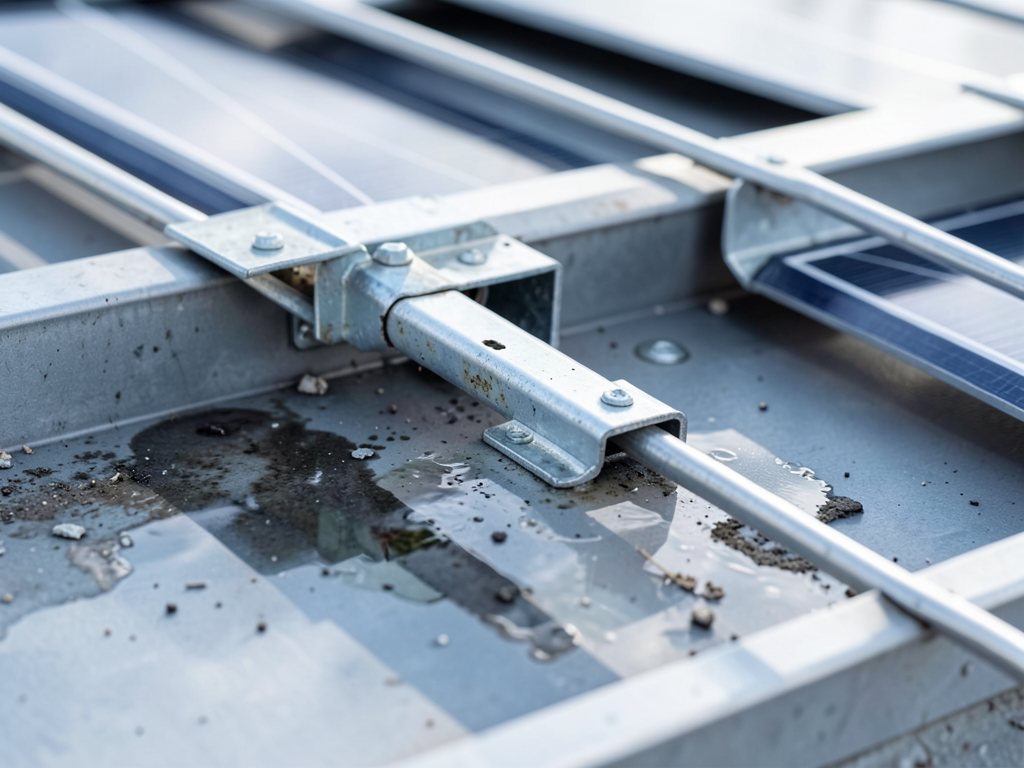


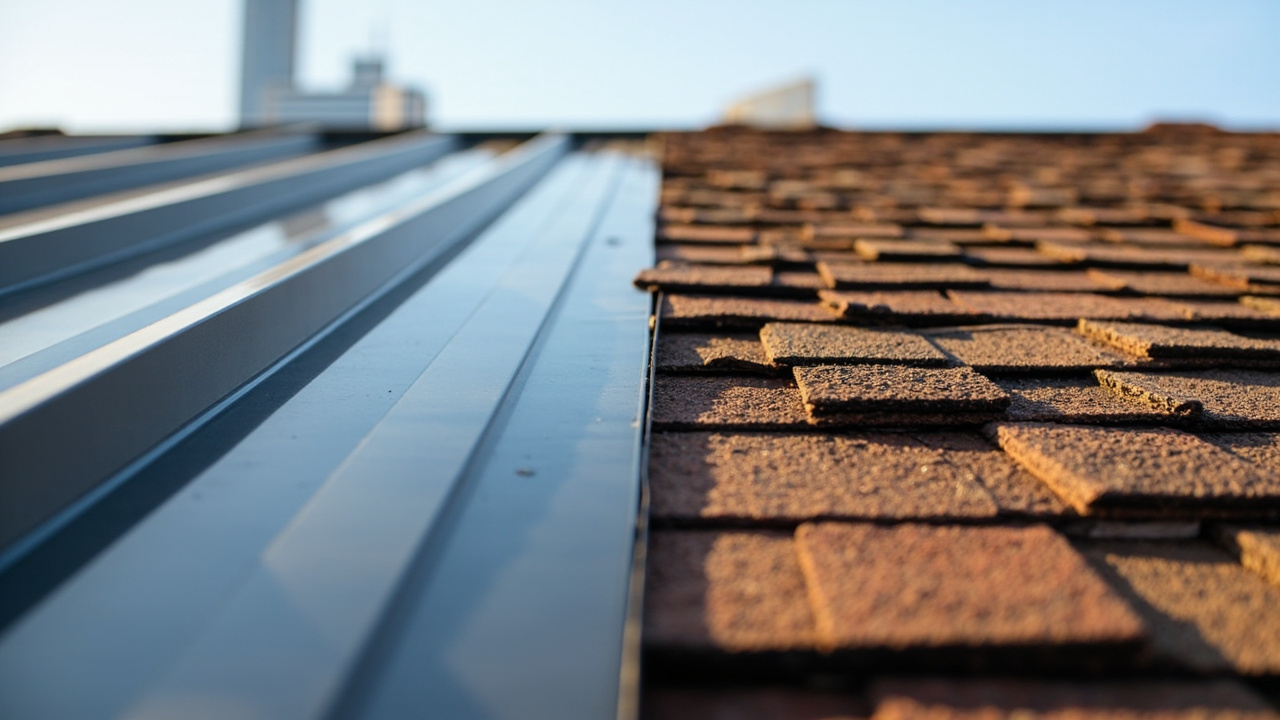

Chicago experiences 40 to 50 freeze-thaw cycles each winter, one of the highest counts in the nation. When temperatures cross the freezing point repeatedly, trapped moisture in asphalt shingles expands and contracts. This breaks down the asphalt binder and loosens granules, which are the protective layer that shields the shingle from UV damage. You will see bare spots and accelerated aging. Metal roofing does not absorb moisture, so freeze-thaw cycles do not degrade the material. This climate reality is why the upfront cost difference between metal and asphalt roof systems narrows significantly when you calculate replacement frequency over 30 years.
Patriot Roofing Chicago has installed roofs in every neighborhood from Rogers Park to Beverly, and we have seen how local conditions affect material performance. Homes near the lake get hit harder by wind-driven rain and snow, which demands better flashing details and higher-grade underlayment. Properties in older neighborhoods like Bridgeport and Pilsen often have low roof pitch, which limits shingle options but works well for standing seam metal. We understand Chicago building inspectors and what they look for during final inspection. This local knowledge prevents the costly mistakes that out-of-town contractors make when they do not understand our climate or code requirements.