
menu

Slate & Synthetic Slate Roofing in Chicago – Authentic Elegance Built to Survive Lake Effect Freeze-Thaw Cycles

Natural slate roof tiles and composite slate roofing engineered to withstand Chicago's brutal winter expansions and summer heat waves without the weight penalties or maintenance headaches of quarried stone.

Slider Image 1
Slider Image 2
Slider Image 3
Slider Image 4
Slider Image 5
Slider Image 7
Slider Image 8
Slider Image 9
Slider Image 10
Slider Image 11

Why Chicago's Climate Destroys Inferior Slate Roofing Systems

Chicago's position on Lake Michigan creates a weather gauntlet that tests every roofing material to failure. The freeze-thaw cycles hit 40 to 60 times per winter. Water infiltrates microscopic cracks in authentic slate roofing, expands when temperatures drop below freezing, and creates fracture lines that compound season after season. By year five, you see displaced tiles. By year ten, water intrusion damages sheathing and insulation.

The wind shear coming off the lake generates uplift forces that stress fastener points. Natural slate roof tiles weigh 800 to 1,500 pounds per square. That mass creates momentum during wind events. If the underlayment fails or fasteners pull loose, individual tiles become projectiles. We have pulled damaged slate from neighboring properties after microbursts rolled through Lincoln Park and Lakeview.

Composite slate roofing offers an alternative, but not all synthetics perform equally. Low-grade faux slate shingles use recycled plastics that become brittle in subzero temperatures. The polymer matrix cracks. UV degradation accelerates when summer temperatures on dark roofs exceed 160 degrees. Imitation slate tiles from discount suppliers often lack the proper impact resistance ratings required by Chicago building codes in high-wind zones.

You need a slate or synthetic slate system engineered for this specific environment. The material selection, fastener schedule, underlayment type, and flashing details must account for Chicago's unique combination of freeze-thaw severity, wind exposure, and structural load limits on older masonry buildings common in neighborhoods like Hyde Park and Bronzeville.

Why Chicago's Climate Destroys Inferior Slate Roofing Systems
How We Engineer Slate Roofing Systems for Chicago Structural Realities

How We Engineer Slate Roofing Systems for Chicago Structural Realities

We start with a structural load assessment. Most Chicago homes built before 1950 have rafter systems sized for cedar shake or asphalt shingles, not the dead load of natural slate roof tiles. We calculate existing and required load capacity. If your framing cannot support authentic slate roofing, we specify composite slate roofing with Class 4 impact resistance and a weight profile under 400 pounds per square. You get the aesthetic without structural reinforcement costs.

Fastener selection determines longevity. We use copper or stainless steel slating nails, never galvanized. The salt-laden moisture from Lake Michigan accelerates corrosion on zinc coatings. Copper nails cost more but eliminate the rust bleed and fastener failure we see on competitor installations after eight to twelve years. Each slate gets two fasteners minimum, positioned to avoid stress concentration at the nail holes.

Underlayment must handle vapor drive and ice dam pressure. We install a high-temperature synthetic underlayment rated to 260 degrees, not basic felt paper. This prevents adhesive breakdown during summer heat. At eaves and valleys, we add a self-adhering ice and water barrier that extends 36 inches beyond the interior wall line. Chicago's ice dams form when snow melts from interior heat loss, runs down to the cold eave, and refreezes. That ice forces water under shingles. Proper underlayment stops the infiltration.

Flashing details matter more than the slate itself. We fabricate copper or lead-coated copper flashings for chimneys, valleys, and sidewalls. Pre-formed aluminum step flashing oxidizes and fails. Custom metalwork costs more upfront but eliminates the callback repairs we see on budget installations where valley flashings separate or chimney crickets rust through.

What Happens During Your Slate Roofing Installation

Slate & Synthetic Slate Roofing in Chicago – Authentic Elegance Built to Survive Lake Effect Freeze-Thaw Cycles
01

Structural Assessment and Material Selection

We inspect your attic framing, measure rafter spans and joist spacing, and calculate dead load capacity. This determines whether you can support natural slate roof tiles or need composite slate roofing. We pull building department records for older homes to verify any previous structural modifications. You receive a written structural report with load calculations and material recommendations before any tear-off begins. This prevents mid-project surprises and ensures code compliance.
02

Precision Tear-Off and Deck Preparation

We remove existing roofing down to the sheathing, inspect for rot or delamination, and replace compromised decking with CDX plywood. Any rafter damage gets sistered or replaced. We install drip edge at eaves and rakes before underlayment goes down. The synthetic underlayment gets mechanically fastened every 12 inches. Ice and water barrier covers eaves, valleys, and penetrations. Proper deck prep eliminates 90 percent of future leak points. We do not skip this phase to meet aggressive timelines.
03

Slate Installation and Final Inspection

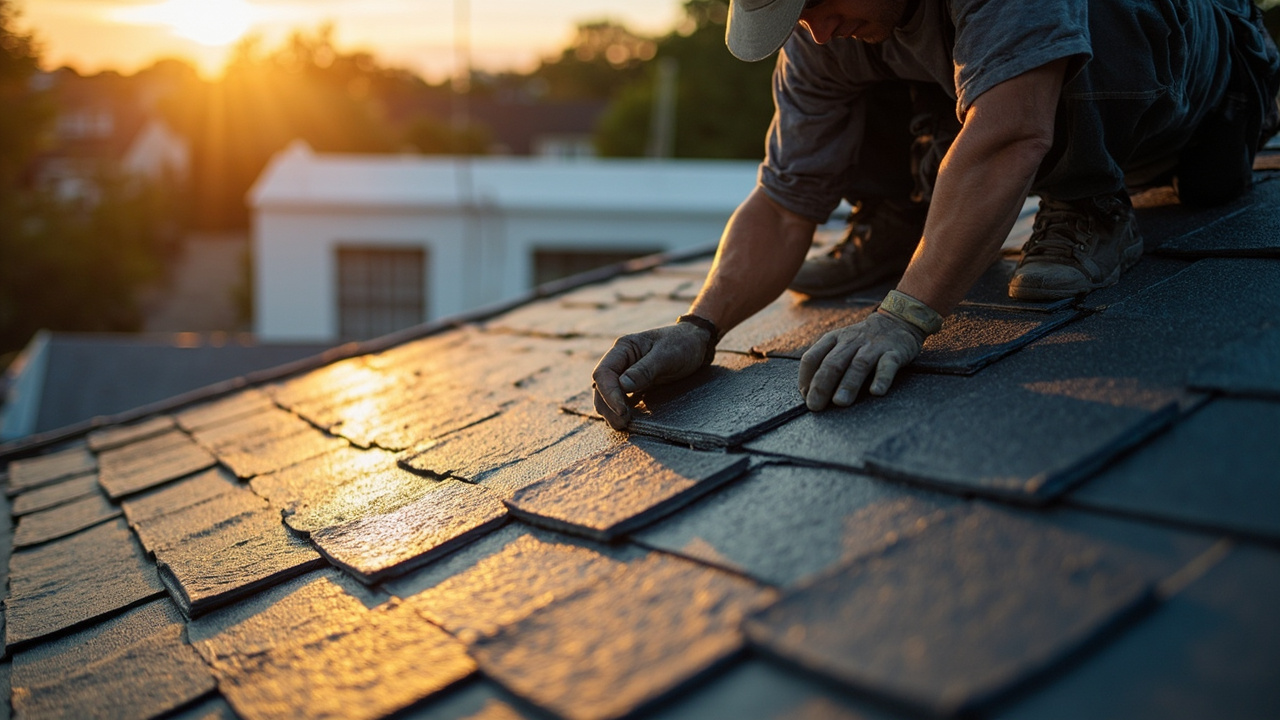
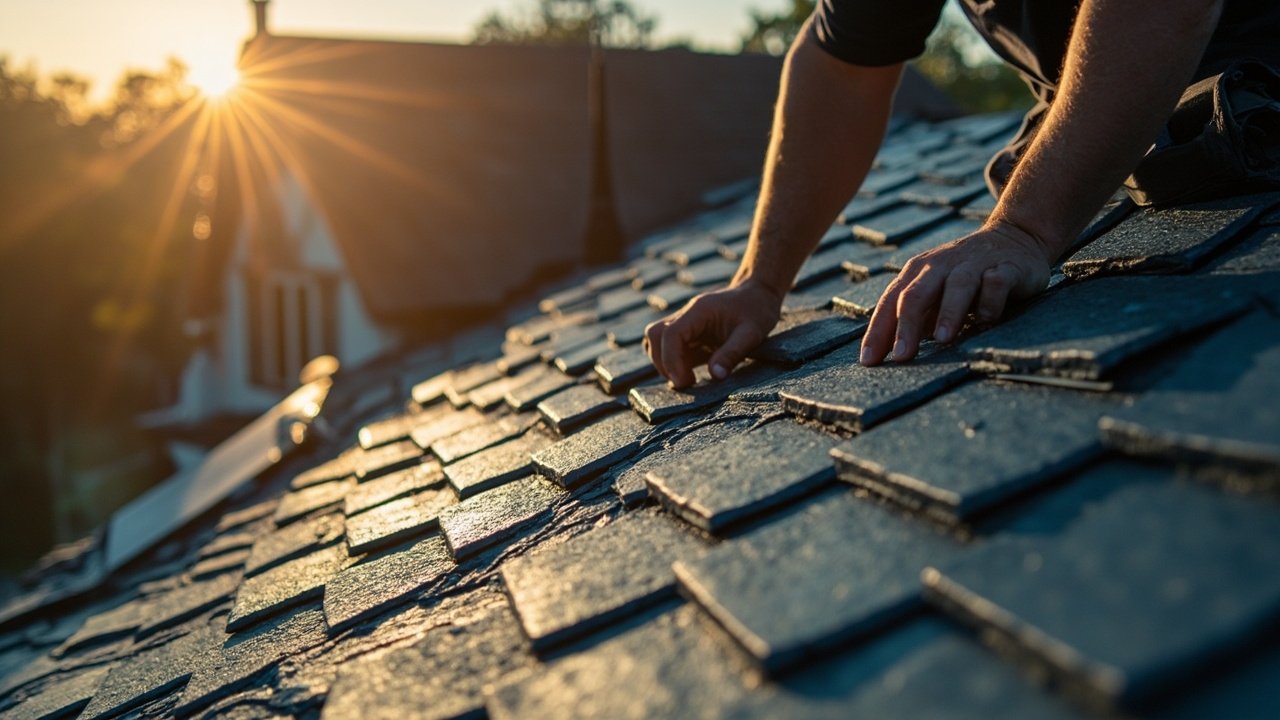
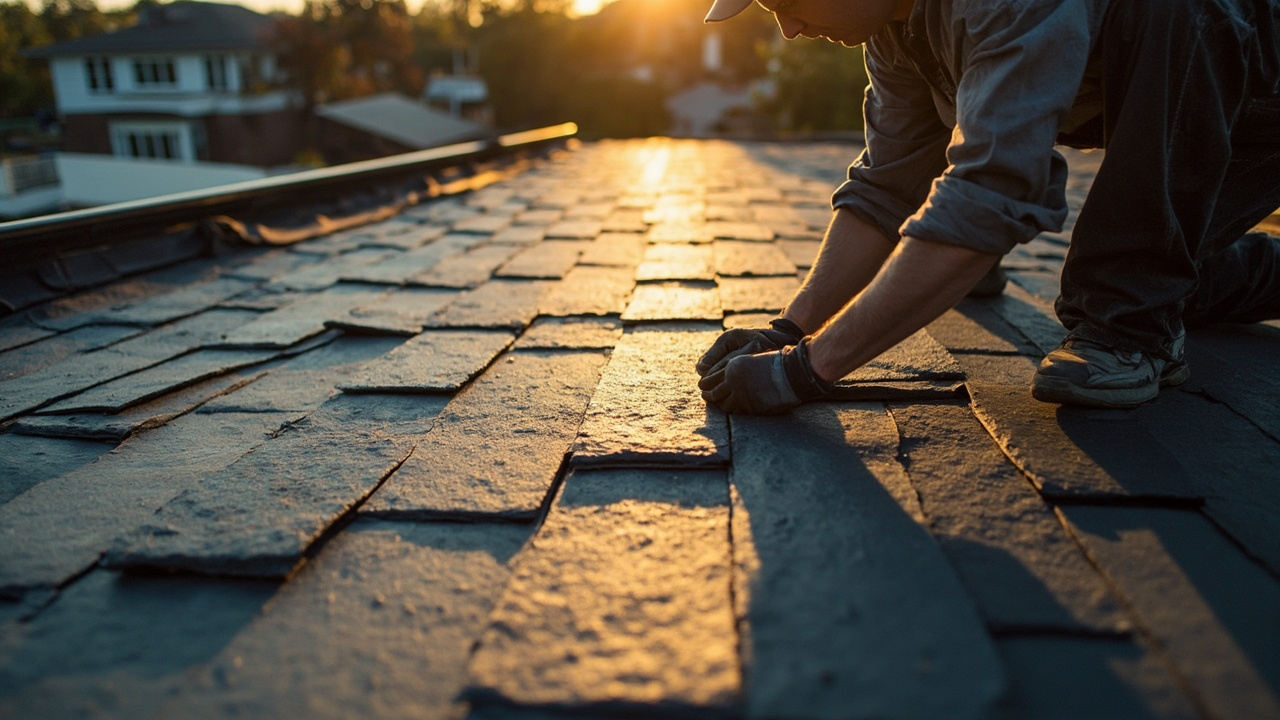
We install slate tiles starting at the eave, working upward in overlapping courses. Each tile gets hand-nailed with copper fasteners positioned to avoid breakage. Faux slate shingles or authentic slate roofing both follow manufacturer specifications for exposure and overlap. Ridge caps get mortared or mechanically secured depending on material type. We complete a final walk to verify fastener count, check flashing sealant, and confirm proper ventilation. You receive installation photos and material certifications for your records and future property transfers.

Why Chicago Property Owners Choose Local Slate Roofing Expertise

Chicago's building codes differ by zone and historic district designation. Lincoln Park, Old Town, and parts of Hyde Park have landmark commission oversight. Any visible roofing changes require design approval. We navigate the Certificate of Appropriateness process. We know which imitation slate tiles match the original 1920s Vermont slate common in these neighborhoods. We understand the color palettes, texture profiles, and size graduations that pass historical review.

Our crews work year-round in Chicago weather. We know the temperature windows for synthetic underlayment adhesion. We know when morning frost will prevent sealant activation. We schedule installations around wind forecasts because lifting sheets of slate in 25 mph gusts creates safety hazards and material waste. Out-of-state contractors underestimate Lake Michigan wind and lose days to weather delays.

We maintain relationships with local slate suppliers and synthetic manufacturers. When a tile breaks during installation or years later from impact damage, we can source exact matches. The composite slate roofing product lines change every five to seven years. If you used a national contractor who installed a discontinued product, finding replacement tiles becomes difficult. We stock common profiles and maintain supplier contacts for obsolete materials.

The buildings in Chicago demand specific installation techniques. Masonry walls require different flashing approaches than wood-frame construction. Flat roofs adjacent to slate sections need proper transition details to prevent ponding and ice buildup. We have installed slate on everything from Queen Anne Victorians in Pullman to mid-century modern homes in Beverly. That breadth of experience prevents the trial-and-error approach that creates callbacks and warranty claims.

What You Get When You Choose Professional Slate Roofing Installation

Project Timeline and Scheduling

A typical slate roofing installation on a 2,000 square foot home takes seven to ten working days depending on roof complexity and material choice. Natural slate roof tiles require more labor for cutting and fitting than composite slate roofing. We schedule around weather windows. We do not install during active precipitation or when temperatures fall below manufacturer minimums for adhesive products. You receive a written timeline with milestones. We communicate daily about progress and any field conditions that affect scheduling. Rush timelines compromise quality, so we build realistic schedules that account for Chicago's weather unpredictability.

Pre-Installation Assessment Process

We conduct a physical roof inspection, access your attic to evaluate framing and ventilation, and photograph existing conditions. We measure roof planes, calculate material quantities, and identify potential complications like hidden valleys or unusual penetrations. You receive a written assessment that explains structural capacity, recommends authentic slate roofing or faux slate shingles based on your building, and outlines any required repairs before installation begins. We pull permits and coordinate inspections. The assessment takes 60 to 90 minutes. You get a detailed report within 48 hours that breaks down material options, cost factors, and projected timelines.

Quality of Materials and Workmanship

We install Class 4 impact-rated composite slate roofing or premium-grade natural slate roof tiles sourced from Vermont, Virginia, or Pennsylvania quarries. All underlayment meets ASTM D226 or D4869 standards. Copper or stainless fasteners prevent corrosion failure. Flashing is custom-fabricated from 16-ounce copper or lead-coated copper. We follow NRCA and slate manufacturer installation standards for fastener placement, overlap, and exposure. Every crew member has completed manufacturer-specific training for the products we install. The finished roof meets Chicago wind load requirements and passes building department inspection on the first submission.

Post-Installation Support and Maintenance

Slate roofing requires minimal maintenance but benefits from periodic inspection. We offer annual checkups to identify loose tiles, damaged flashing, or debris accumulation in valleys. Imitation slate tiles may need occasional cleaning to remove algae growth in shaded areas. Natural slate roof tiles can last 75 to 100 years if properly maintained. We provide written care instructions specific to your material type. If storm damage occurs, we document it for insurance claims and source matching replacement tiles. Our relationship continues beyond installation because slate roofing is a multi-generational investment that requires specialized knowledge for repairs.

Frequently Asked Questions

You Have Questions,
We Have Answers

What is a synthetic slate roof? +

A synthetic slate roof mimics the look of natural stone slate but uses engineered materials like polymer composites, rubber, or plastic. These materials are molded and colored to replicate the texture and appearance of quarried slate. Synthetic slate weighs significantly less than natural stone, making it easier to install on homes without heavy structural reinforcement. It resists Chicago's freeze-thaw cycles better than some natural materials and won't crack as easily during installation. Manufacturers design synthetic slate to handle wind uplift and impact from hail or debris. It offers homeowners the visual appeal of slate without the weight or fragility of traditional stone.

How long does synthetic slate last? +

Synthetic slate roofs typically last 40 to 50 years when properly installed and maintained. Lifespan depends on the quality of the product and local weather conditions. Chicago's temperature swings and heavy snow loads test roofing materials, but quality synthetic slate resists cracking and fading. Some products carry warranties up to 50 years, though actual performance varies by brand and installation quality. Unlike asphalt shingles that degrade faster, synthetic slate maintains structural integrity longer. Regular inspections help catch issues like damaged underlayment or loose fasteners. Proper attic ventilation extends lifespan by preventing heat and moisture buildup that can warp synthetic materials.

How much does a synthetic slate roof cost? +

Synthetic slate roofing costs vary based on product quality, roof complexity, and labor rates in the Chicago metro. Expect to pay more than asphalt shingles but less than natural stone slate. Cost factors include roof pitch, square footage, removal of old materials, and structural reinforcement needs. Complex rooflines with valleys, dormers, or turrets increase labor costs. Local building codes may require additional underlayment or ice-and-water barriers for Chicago's climate. Material costs differ between brands and styles. Get detailed estimates from multiple contractors to compare options. Factor in longevity when evaluating cost, as synthetic slate lasts longer than cheaper alternatives.

What are the advantages and disadvantages of synthetic slate and natural slate? +

Synthetic slate offers lighter weight, easier installation, and lower cost compared to natural slate. It resists cracking during installation and handles Chicago's freeze-thaw cycles well. However, synthetic materials may fade over time and lack the authentic texture of quarried stone. Natural slate lasts 75 to 100 years and offers unmatched durability and fire resistance. It maintains color for decades and adds significant resale value. The downside is extreme weight requiring structural reinforcement, high material and labor costs, and brittleness during installation. Natural slate also requires skilled installers familiar with proper flashing and fastening techniques to prevent leaks and breakage.

How Chicago's Historic Architecture Drives Demand for Authentic Slate Roofing Solutions

Chicago's pre-1940 housing stock includes thousands of homes originally roofed with Vermont or Pennsylvania slate. These buildings in Lincoln Park, Lake View, and Hyde Park feature load-bearing masonry walls designed for the weight of natural slate roof tiles. When replacement time arrives, property owners face a choice between maintaining historical accuracy with authentic slate roofing or switching to composite slate roofing that replicates the appearance without the weight or cost. Historic district regulations often mandate material matching, which requires understanding the original slate source, color variations, and size graduations. Chicago's Landmark Commission reviews replacement materials for visible elevations. We work within these requirements daily.

Local building codes require specific wind ratings and fastener schedules based on exposure category. Properties near the lakefront fall into higher wind zones than inland neighborhoods. The structural requirements for slate installations vary by building age and construction type. We maintain current ICC certifications and attend Chicago Building Department training updates. Our familiarity with local inspectors and permit processes prevents delays. When you hire a roofing contractor who understands Chicago's specific regulatory environment and architectural history, you avoid the rejected permits and failed inspections that plague out-of-area contractors unfamiliar with local standards for faux slate shingles and authentic materials.
Roofing Services in The Chicago Area

Patriot Roofing is proud to be a locally owned and operated business committed to serving our community and the surrounding areas. Our deep understanding of the local climate and architectural styles allows us to provide roofing solutions that are perfectly suited to the unique needs of our clients. We invite you to explore our service area and see why so many residents trust us for all their roofing needs.

Address:
Patriot Roofing Chicago, 2111 S Halsted St, Chicago, IL, 60608

Additional Services We Offer

Our news updates

Latest Articles & News from The Blogs

How to Maintain the Integrity of Steep-Pitched Tudor Roofs in Lincoln Square Steep-pitched Tudor roofs dominate the architectural landscape of…

How to Maintain the Integrity of Steep-Pitched Tudor Roofs in Lincoln Square

How to Maintain the Integrity of Steep-Pitched Tudor Roofs in Lincoln Square Steep-pitched Tudor roofs dominate the architectural landscape of…

Dealing with Extra Wear and Tear on Hegewisch Roofs Near Industrial Areas

Dealing with Extra Wear and Tear on Hegewisch Roofs Near Industrial Areas If you live in Hegewisch near Chicago’s industrial…

The Benefits of Investing in Impact-Resistant Shingles for Your Austin Neighborhood Home

The Benefits of Investing in Impact-Resistant Shingles for Your Austin Neighborhood Home Chicago’s location in the Midwest makes it particularly…

Contact Us

Call (773) 599-7055 now to schedule your structural evaluation and material consultation. We provide written assessments with load calculations, material recommendations, and transparent pricing. Your roof deserves engineering, not guesswork.