
menu

Condensation & Moisture Issues in Chicago – Expert Diagnosis and Permanent Solutions for Roof Sweating and Attic Dampness

Chicago's freeze-thaw cycles and humid summers create the perfect conditions for condensation and moisture issues. Our diagnostic process identifies the root cause of roof sweating, attic moisture buildup, and trapped dampness to deliver lasting repairs.

Slider Image 1
Slider Image 2
Slider Image 3
Slider Image 4
Slider Image 5
Slider Image 7
Slider Image 8
Slider Image 9
Slider Image 10
Slider Image 11

Why Chicago Homes Battle Constant Moisture Problems

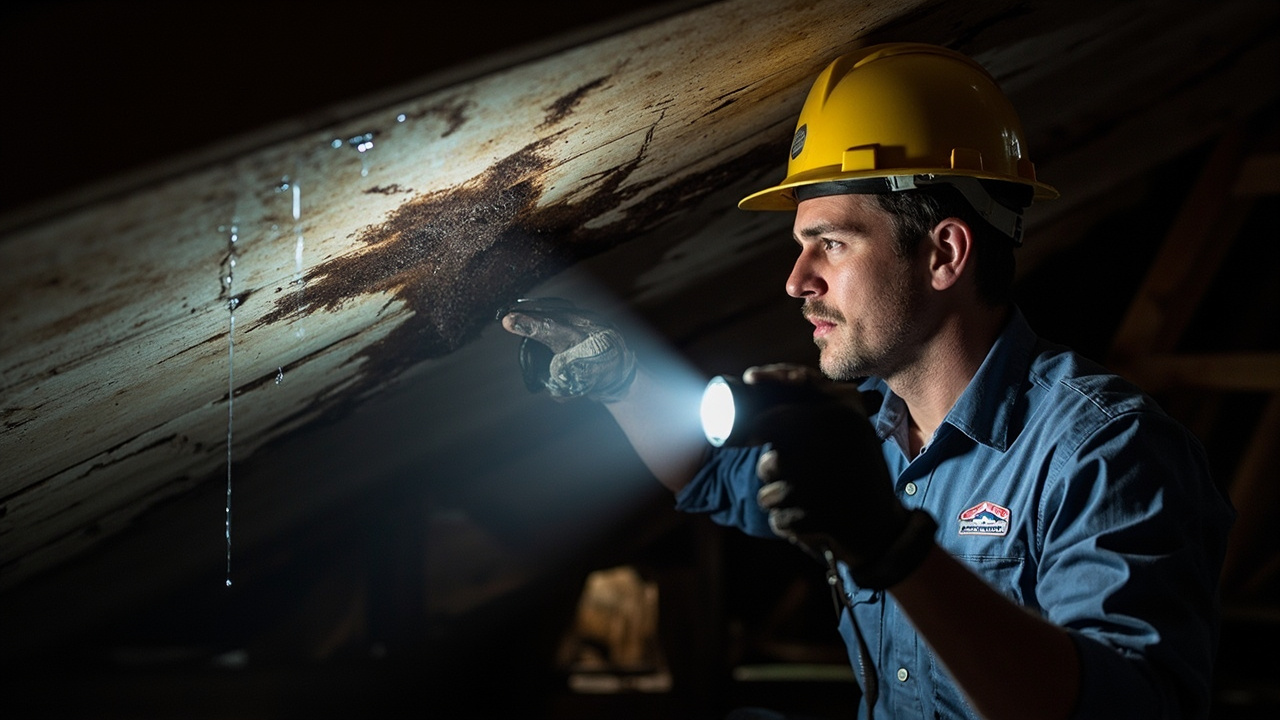
You walk into your attic and see water droplets on the underside of your roof deck. The insulation feels damp. There's a musty smell. This is not a leak. This is condensation, and it destroys homes across Chicago every winter.

Chicago's climate creates a brutal one-two punch. Winter temperatures plummet to single digits while heated indoor air rises into your attic. When warm, moisture-laden air contacts freezing roof decking, you get roof sweating. Water droplets form. They saturate insulation. They drip onto drywall. They create mold.

Summer humidity makes it worse. Lake Michigan pushes moisture inland. Attic temperatures spike to 150 degrees. Poor ventilation traps that humid air. The cycle repeats. Roof space condensation becomes a year-round battle.

Most homeowners think they have a leak. They call a roofer who slaps tar on shingles and leaves. The real problem is airflow and vapor management. Trapped moisture in roof assemblies causes more structural damage than minor leaks because it's constant and hidden.

Chicago's older homes, especially brick bungalows and two-flats common in neighborhoods like Jefferson Park and Portage Park, were built before modern ventilation standards. Attic moisture buildup was not a design consideration. Ridge vents did not exist. Soffit vents were minimal. Vapor barriers were an afterthought.

The result is predictable. Roof dampness leads to wood rot. Rafters lose structural integrity. Mold spreads through insulation. Energy bills spike because wet insulation has zero R-value. You are heating and cooling the outdoors.

This is fixable, but it requires diagnosis, not guesswork.

Why Chicago Homes Battle Constant Moisture Problems
How We Diagnose and Eliminate Moisture at the Source

How We Diagnose and Eliminate Moisture at the Source

Fixing condensation requires understanding thermodynamics and building science. We do not sell you a new roof when you need better ventilation. We measure, calculate, and solve the actual problem.

First, we inspect your attic during temperature extremes. We look for frost accumulation on nail tips, which is a telltale sign of excessive interior moisture meeting cold surfaces. We check insulation depth and condition. We measure ventilation using the 1:150 rule. Your net free ventilation area must equal 1/150th of your attic floor area. Most Chicago attics fail this test.

We trace moisture sources. Is your bathroom exhaust venting into the attic instead of outside? Are you running a humidifier on high during winter? Is your dryer vent disconnected in the basement? These are common culprits. Warm air carries moisture. When it escapes into the attic, you get condensation.

Next, we evaluate your vapor barrier. Older homes have none. Newer homes have it installed incorrectly. The vapor barrier belongs on the warm side of the insulation, facing down into your living space. We find it reversed or torn constantly.

Ventilation design matters. You need balanced intake and exhaust. Soffit vents pull cool air in. Ridge vents or gable vents push warm air out. If your soffits are blocked by insulation or you have insufficient ridge venting, air stagnates. We calculate the exact square inches of ventilation your roof needs based on pitch and square footage.

We also check for ice dam damage. Ice dams form when heat escapes through your roof, melts snow, and refreezes at the eaves. This creates a moisture reservoir that forces water under shingles. Proper insulation and ventilation prevent ice dams.

The fix might be adding baffles, increasing insulation, installing a continuous ridge vent, or sealing air leaks. Every home is different.

Our Three-Phase Moisture Elimination Process

Condensation & Moisture Issues in Chicago – Expert Diagnosis and Permanent Solutions for Roof Sweating and Attic Dampness
01

Thermal and Moisture Assessment

We conduct a full attic inspection during winter months when condensation is most visible. Using thermal imaging and moisture meters, we map problem areas and identify the exact failure points in your ventilation system. We document frost on nail tips, wet insulation, and airflow obstructions. This diagnostic phase determines whether you need ventilation upgrades, air sealing, vapor barrier installation, or a combination of all three.
02

Ventilation and Insulation Correction

We install baffles between rafters to maintain airflow from soffit to ridge. We add or replace insulation to meet modern R-values without blocking ventilation paths. We seal penetrations where plumbing stacks, electrical wires, and exhaust fans allow conditioned air to escape into the attic. If your home lacks a ridge vent, we cut and install continuous venting along the peak. We balance intake and exhaust to create negative pressure that pulls moisture out naturally.
03

Verification and Monitoring Protocol

After corrections, we return during the next temperature extreme to verify the fix. We check for frost buildup, measure relative humidity in the attic, and confirm that airflow patterns have changed. You receive documentation showing before and after moisture readings. We provide a maintenance checklist so you can monitor attic conditions seasonally. Most moisture issues resolve within one heating cycle once ventilation and air sealing are corrected.

Why Patriot Roofing Chicago Understands Local Moisture Dynamics

Condensation is not a roofing problem. It is a building science problem. Most roofers do not understand psychrometrics or dew point calculations. They see water and assume leak. They miss the real issue.

We have worked on thousands of Chicago homes. We know the common construction flaws in brick bungalows, Georgians, and post-war ranches. We know that homes built before 1960 often lack proper attic ventilation. We know that 1980s construction used plastic vapor barriers that trap moisture instead of letting it escape.

Chicago's building codes have evolved. Modern energy codes require specific R-values and ventilation ratios. When we upgrade your attic, we meet or exceed current code. This protects your home value and ensures future buyers do not inherit a moisture problem.

We also understand seasonal timing. Winter is diagnostic season. We can see the moisture problem clearly. Spring and summer are repair season when attic work is safer and faster. We schedule our moisture assessments during January and February when condensation is most visible.

Lake Michigan's influence is significant. Homes within five miles of the lake experience higher humidity. Neighborhoods like Rogers Park, Edgewater, and South Shore see more severe condensation problems than western suburbs. We adjust ventilation strategies based on microclimate.

We do not upsell unnecessary work. If your roof structure is sound and you only need ventilation improvements, we tell you. If your shingles are failing and trapping moisture, we explain why a roof replacement is the better long-term investment. Transparency builds trust.

Our crews are trained in air sealing techniques. We use spray foam, caulk, and weatherstripping to close bypasses around chimneys, plumbing stacks, and recessed lights. These details matter. A single unsealed penetration can dump gallons of moisture into your attic every winter.

You get a written report with photos, moisture readings, and a prioritized action plan.

What to Expect When You Call Us About Moisture Problems

Diagnostic Timeline

We schedule your moisture assessment within three to five business days. The inspection takes 60 to 90 minutes. We need access to your attic, and we prefer to inspect during cold weather when condensation is active. You receive a written report within 48 hours detailing findings, moisture levels, ventilation deficiencies, and recommended corrections. If your situation is urgent, such as visible mold or structural damage, we prioritize same-week service and can begin remediation immediately after diagnosis.

Comprehensive Moisture Evaluation

Our assessment includes thermal imaging to detect temperature differentials, moisture meter readings on wood decking and rafters, ventilation calculations based on attic square footage, and air leak detection using smoke pencils or blower door tests. We inspect insulation type and depth, check for blocked soffit vents, evaluate ridge vent effectiveness, and identify interior moisture sources like improperly vented exhaust fans. You get photos of every problem area and a clear explanation of what is causing your condensation issue.

Lasting Moisture Control

Once we correct ventilation and air sealing, condensation stops. Your attic stays dry year-round. Insulation maintains its R-value, which lowers energy bills. Wood decking and rafters dry out, preventing rot and mold. You eliminate the musty smell. Your home becomes healthier and more efficient. Most clients see results within one heating season. We document improvements with follow-up moisture readings so you have proof the problem is solved. Proper ventilation also extends shingle life by reducing thermal stress during summer months.

Ongoing Support and Prevention

We provide a seasonal maintenance checklist to help you monitor attic conditions. This includes checking for frost on nails in January, ensuring soffit vents stay clear of debris, and confirming exhaust fans vent to the exterior. If you have questions about humidity levels or notice changes in your attic, you can call us for guidance. We offer annual attic inspections to verify that ventilation remains effective and insulation has not shifted. Our goal is to solve the problem once and give you the knowledge to maintain a dry, healthy attic permanently.

Frequently Asked Questions

You Have Questions,
We Have Answers

How do you fix excessive condensation? +

Fix excessive condensation by improving ventilation first. Open windows briefly to let humid air escape, even in winter. Install exhaust fans in bathrooms and kitchens, then run them during and after showers or cooking. Check attic insulation and ventilation, especially in Chicago homes where cold attic spaces meet warm indoor air. Seal air leaks around windows and doors. Use a dehumidifier in basements or crawl spaces where moisture collects. If condensation persists on windows or walls, you may need vapor barriers installed or ductwork inspected for leaks. Address the root cause, not just the symptom.

What are signs of excessive condensation? +

Watch for water droplets on windows, especially on cold Chicago mornings. You might see foggy glass, water pooling on sills, or frost forming on interior window surfaces. Damp spots on walls or ceilings, peeling paint, and musty odors signal hidden condensation. Black mold or mildew growing in corners, closets, or bathrooms indicates ongoing moisture problems. Check for warped wood, rust on metal fixtures, or discolored drywall. In extreme cases, you will notice rotting wood framing or insulation damage in attics and crawl spaces. These signs mean your home traps too much moisture.

How to solve moisture problems in a house? +

Solve moisture problems by controlling sources and improving airflow. Fix plumbing leaks immediately. Install or repair gutters and downspouts to direct water away from your foundation. Grade soil away from the house, critical in Chicago where clay soil holds water. Insulate cold surfaces like pipes and ducts to prevent condensation. Add ventilation in attics, crawl spaces, and bathrooms. Use exhaust fans when cooking or showering. Inspect your roof for missing shingles or damaged flashing. Seal cracks in your foundation. If problems persist, install a whole-house dehumidifier or consult a professional to identify hidden sources.

How to know if it's condensation or a leak? +

Condensation forms on cold surfaces and disappears when you wipe it. It shows up symmetrically on windows or walls, often in patterns. A leak creates irregular stains, drips, or puddles. Water from leaks stays wet and spreads, often traveling from the actual source. Check the attic during rain. If water appears only during or after precipitation, you have a leak. Condensation happens year-round, worse in winter or humid weather. Touch the surface. Cold, wet glass with no damage above it means condensation. Water stains with rings, discoloration, or sagging drywall mean a leak.

Why is my house getting so much condensation? +

Your house traps moisture from daily activities like cooking, showering, and breathing. Poor ventilation keeps humid air inside. Chicago winters worsen the problem because heating systems dry outdoor air, but indoor activities keep adding moisture. Older homes lack vapor barriers or proper insulation, letting warm, moist air contact cold surfaces. Basement moisture seeps through foundation walls, especially in clay soil common here. Unvented gas appliances release water vapor. Too many plants, wet laundry drying indoors, or aquariums add humidity. Tight weatherization without balanced ventilation traps moisture. Your home needs both insulation and airflow to manage humidity.

What draws moisture out of your house? +

Proper ventilation draws moisture out best. Exhaust fans in bathrooms and kitchens push humid air outside. Whole-house ventilation systems exchange stale indoor air for fresh outdoor air. Dehumidifiers pull water from the air mechanically, especially useful in Chicago basements. Opening windows creates cross-ventilation, flushing moisture out. Attic vents and ridge vents let warm, moist air escape from the top of your home. In crawl spaces, foundation vents or encapsulation systems control moisture. Air conditioning removes humidity during summer. Materials like desiccants or silica gel absorb small amounts, but mechanical ventilation solves the root problem.

Does condensation mean my house is too cold? +

Not always. Condensation happens when warm, humid indoor air touches cold surfaces like windows or walls. Your house temperature matters less than the temperature difference between air and surfaces. Chicago winters create large temperature gaps, making condensation common even in heated homes. Poor insulation lets cold penetrate walls and windows, creating condensation zones. Low indoor temperatures can worsen the issue, but high humidity is usually the main culprit. A house at 68 degrees with 60 percent humidity will have more condensation than one at 65 degrees with 40 percent humidity. Focus on controlling moisture sources first.

Will a dehumidifier reduce condensation? +

Yes, a dehumidifier reduces condensation by lowering indoor humidity. Aim for 30 to 50 percent relative humidity in winter, 50 to 60 percent in summer. Dehumidifiers work best in basements and enclosed spaces where moisture collects. They treat the symptom, not the cause. If your condensation comes from poor ventilation, uninsulated windows, or air leaks, a dehumidifier helps but does not fix the underlying problem. In Chicago homes with damp basements, a dehumidifier prevents mold and reduces condensation upstairs. Pair it with proper ventilation and insulation for lasting results. Empty the reservoir regularly or install a drain line.

What causes too much moisture in a house? +

Too much moisture comes from daily life and structural issues. Cooking, showering, and breathing release water vapor. Unvented clothes dryers dump humidity indoors. Plumbing leaks, roof leaks, and foundation cracks let water enter. Poor grading sends rainwater toward your house instead of away. In Chicago, clay soil holds water against foundations, pushing moisture through basement walls. Inadequate ventilation traps humid air. Overwatering houseplants, wet firewood stored inside, and humidifiers set too high all add moisture. Cold surfaces like uninsulated pipes and ducts cause water vapor to condense. Identify and fix each source systematically.

What absorbs moisture quickly? +

Desiccants like silica gel, calcium chloride, and activated charcoal absorb moisture quickly in small spaces like closets or safes. Rock salt placed in bowls pulls humidity from the air. Baking soda works for localized moisture in drawers or cabinets. These materials treat tiny areas, not whole rooms. For larger spaces, a dehumidifier removes moisture faster and more effectively. In Chicago basements, spreading fresh lime on dirt floors absorbs ground moisture temporarily. Kitty litter works in a pinch for damp garages or storage areas. For serious moisture problems, these quick fixes only buy time until you address the real cause.

How Chicago's Freeze-Thaw Cycles Make Roof Space Condensation a Year-Round Threat

Chicago experiences 50 to 60 freeze-thaw cycles every winter. Daytime temperatures climb above freezing, then plummet overnight. This constant fluctuation accelerates moisture problems. When snow melts on your roof during the day, water infiltrates through worn shingles or damaged flashing. At night, temperatures drop and that moisture freezes inside your attic. The expansion and contraction weakens roof decking and creates more entry points for moisture. Combined with poor ventilation, this creates a compounding problem where both external water intrusion and internal condensation attack your roof structure simultaneously.

Chicago's building inspectors understand local moisture challenges. When we upgrade attic ventilation, we pull permits and ensure all work meets current International Residential Code standards. This protects you during home sales and insurance claims. We are familiar with the specific requirements for historic districts in neighborhoods like Lincoln Park and Old Town, where exterior alterations require approval. Our experience with local codes and inspection processes means your moisture remediation is done correctly the first time, with proper documentation that adds value to your property.
Roofing Services in The Chicago Area

Patriot Roofing is proud to be a locally owned and operated business committed to serving our community and the surrounding areas. Our deep understanding of the local climate and architectural styles allows us to provide roofing solutions that are perfectly suited to the unique needs of our clients. We invite you to explore our service area and see why so many residents trust us for all their roofing needs.

Address:
Patriot Roofing Chicago, 2111 S Halsted St, Chicago, IL, 60608

Additional Services We Offer

Our news updates

Latest Articles & News from The Blogs

How to Maintain the Integrity of Steep-Pitched Tudor Roofs in Lincoln Square Steep-pitched Tudor roofs dominate the architectural landscape of…

How to Maintain the Integrity of Steep-Pitched Tudor Roofs in Lincoln Square

How to Maintain the Integrity of Steep-Pitched Tudor Roofs in Lincoln Square Steep-pitched Tudor roofs dominate the architectural landscape of…

Dealing with Extra Wear and Tear on Hegewisch Roofs Near Industrial Areas

Dealing with Extra Wear and Tear on Hegewisch Roofs Near Industrial Areas If you live in Hegewisch near Chicago’s industrial…

The Benefits of Investing in Impact-Resistant Shingles for Your Austin Neighborhood Home

The Benefits of Investing in Impact-Resistant Shingles for Your Austin Neighborhood Home Chicago’s location in the Midwest makes it particularly…

Contact Us

Condensation does not fix itself. Every day you wait, moisture damages your roof structure and insulation. Call Patriot Roofing Chicago at (773) 599-7055 for a professional moisture assessment. We diagnose the root cause and deliver permanent solutions.