
menu

Commercial Roof Replacement in Chicago – Minimize Downtime with Industrial-Grade Solutions

Chicago commercial building owners need reliable industrial roof replacement that keeps operations running. Patriot Roofing Chicago delivers commercial reroofing solutions designed for business continuity, code compliance, and long-term asset protection across the greater Chicago metro.

Slider Image 1
Slider Image 2
Slider Image 3
Slider Image 4
Slider Image 5
Slider Image 7
Slider Image 8
Slider Image 9
Slider Image 10
Slider Image 11

Chicago's Climate Demands Commercial Roof Systems Built for Freeze-Thaw Punishment

Your commercial building roof faces unique punishment in Chicago. Winter temperatures drop below zero, then swing back into the 40s within 48 hours. This freeze-thaw cycle destroys membrane integrity, cracks flashing seams, and turns minor leaks into structural failures. Water infiltrates compromised seams, freezes overnight, expands, and rips apart roofing systems from the inside out.

Chicago's flat commercial roof design compounds the problem. Unlike pitched residential systems, flat roofs pool water during spring storms and fall rains. That standing water finds every weakness in aging EPDM, TPO, or built-up roofing systems. Once water breaches the membrane, it soaks insulation, compromises decking, and threatens inventory, equipment, and tenant spaces below.

Industrial roof replacement becomes necessary when you notice interior water stains, sagging ceiling tiles, or visible membrane bubbling. These are not cosmetic issues. They signal compromised structural integrity that risks business interruption, inventory loss, and liability exposure. Commercial building roof replacement protects your asset value and keeps operations running without disruption.

The Loop, River North, and industrial corridors along the Chicago River house facilities that cannot afford downtime. Manufacturing plants, distribution centers, office buildings, and retail complexes need commercial flat roof replacement executed with precision and speed. Your roof is not a repair project. It is a business continuity decision that requires contractors who understand commercial reroofing logistics, material specifications, and Chicago building code requirements.

Chicago's Climate Demands Commercial Roof Systems Built for Freeze-Thaw Punishment
Commercial Roof Installation That Protects Your Balance Sheet

Commercial Roof Installation That Protects Your Balance Sheet

Industrial roof replacement requires more than tearing off old material and rolling out new membrane. Your facility needs a roofing system engineered for Chicago's thermal cycling, wind loads, and drainage requirements. Patriot Roofing Chicago approaches commercial reroofing as a structural investment, not a commodity service.

We conduct infrared moisture scans to map trapped water in existing insulation layers. This prevents the costly mistake of installing new membrane over saturated substrate. Wet insulation loses R-value, promotes deck rot, and voids manufacturer warranties. We remove compromised sections, replace damaged decking, and install properly tapered insulation systems that direct water to scuppers and drains.

Material selection depends on your building use, traffic patterns, and HVAC equipment loads. TPO offers superior UV resistance and heat-welded seams that withstand Chicago wind. EPDM provides proven durability for buildings without HVAC foot traffic. Modified bitumen works for facilities requiring puncture resistance from rooftop equipment.

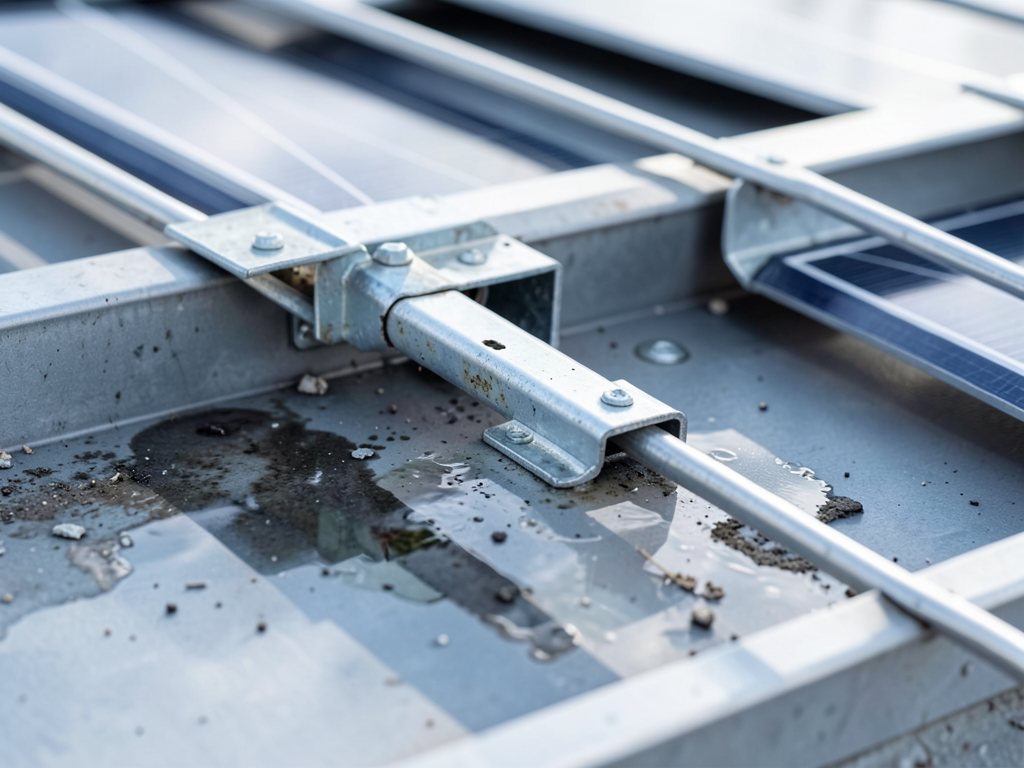
Flashing details determine roof longevity. We fabricate custom counterflashing for parapet walls, pitch pans for pipe penetrations, and curb caps for HVAC units using 24-gauge galvanized steel. Every seam gets mechanical fastening plus adhesive seal. Every drain receives clamping rings torqued to specification. This level of detail prevents the callbacks and patch jobs that plague commercial building roof replacement projects handled by generalists.

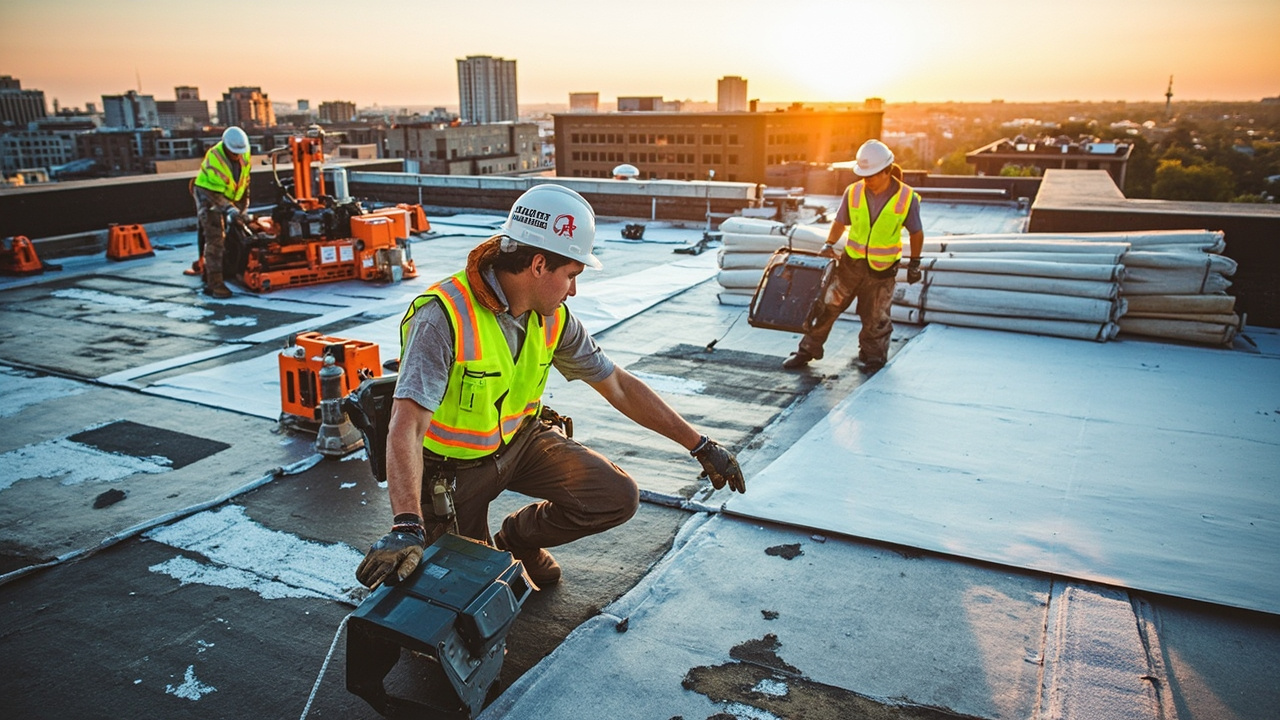
Our crews work in phases to keep your facility operational. We isolate work zones, maintain emergency egress routes, and coordinate material deliveries to avoid blocking loading docks. You do not shut down operations for commercial flat roof replacement. You schedule it around your business requirements.

Your Commercial Roof Replacement Timeline

Commercial Roof Replacement in Chicago – Minimize Downtime with Industrial-Grade Solutions
01

Building Assessment and Specification

We conduct a roof core analysis to determine existing assembly composition, insulation condition, and deck substrate. Our team measures drainage patterns, documents penetrations, and photographs problem areas. You receive a detailed specification outlining membrane options, insulation R-values, and warranty coverage. This assessment includes coordination with property managers to schedule work around tenant operations and identify access restrictions.
02

Phased Tear-Off and Installation

We section your roof into work zones, maintaining weather-tight integrity on inactive areas. Crews remove existing membrane, inspect and replace damaged decking, install tapered insulation systems, and apply new roofing in coordinated phases. All penetrations receive new flashing assemblies fabricated on-site. We hot-air weld TPO seams or torch modified bitumen according to manufacturer protocols. Daily cleanup protects your property and maintains safety compliance.
03

Final Inspection and Documentation

Every commercial roof installation receives third-party inspection for warranty activation. We conduct flood testing on all drains, thermographic scanning on membrane seams, and pull testing on fastener patterns. You receive as-built drawings showing insulation layout, drain locations, and equipment curb details. This documentation supports your facility management program and satisfies insurance carrier requirements. We schedule annual inspections to maintain warranty compliance.

Why Chicago Commercial Properties Trust Patriot Roofing Chicago

Commercial building owners need contractors who understand Chicago's commercial building code amendments, wind uplift requirements, and fire rating specifications. Your roof replacement must comply with Chapter 15 requirements for roof deck construction and Section 1504 for performance standards. We pull permits, coordinate inspections, and deliver code-compliant installations that satisfy your insurance carrier and protect your certificate of occupancy.

Chicago's commercial districts demand logistical expertise. Buildings in the Loop require street closure permits and crane placement coordination. River North properties need material deliveries scheduled around traffic restrictions. Industrial corridors along Elston and Ashland require coordination with rail schedules and truck routing. Patriot Roofing Chicago manages these logistics so your project stays on schedule without disrupting business operations.

We maintain relationships with major roofing manufacturers, which gives you access to extended warranties and material availability. When supply chain disruptions delay generic contractors for months, we secure TPO membrane, polyiso insulation, and flashing materials through distributor partnerships. Your project does not stall waiting for materials.

Our crews include OSHA 30-hour certified foremen and trained membrane installers who understand heat-welding techniques, fastener spacing requirements, and seam inspection protocols. This is not entry-level labor learning on your roof. You get experienced commercial reroofing professionals who deliver quality installations the first time.

Chicago facility managers choose Patriot Roofing Chicago because we understand the difference between residential patch work and industrial roof replacement. Your building is an asset that requires protection, and your roof is the first line of defense against Chicago weather.

What Your Commercial Roof Replacement Includes

Project Timeline and Phasing

Most commercial roof replacement projects take two to six weeks depending on building size and weather conditions. We provide detailed timelines showing daily work zones, material delivery schedules, and inspection milestones. Our phased approach keeps your building weather-tight throughout the project. We coordinate with your facility management team to schedule noisy operations outside business hours and maintain access to critical equipment. You receive weekly progress updates and photo documentation showing completed work. Weather delays get communicated immediately with revised completion dates.

Comprehensive Roof Assessment

Your assessment includes infrared moisture scanning to map trapped water in existing insulation layers, core samples to determine assembly composition, and structural evaluation of decking condition. We measure roof slope to identify drainage problems and photograph all penetrations, flashing details, and problem areas. You receive a written report outlining findings, recommended solutions, and material specifications. This assessment identifies whether you need full tear-off replacement or if recover systems meet code requirements. We include budget estimates for different roofing systems so you can make informed decisions.

Quality Installation Standards

Every installation follows manufacturer specifications for fastener spacing, seam overlap, and insulation attachment. TPO seams receive hot-air welding with probe testing to verify bond strength. Modified bitumen gets torched to proper temperature for adhesion. We fabricate all flashing components on-site using 24-gauge galvanized steel with hemmed edges and sealed seams. Drain assemblies include clamping rings torqued to specification. All penetrations receive pitch pans or custom flashing boots. Your roof meets Chicago wind uplift requirements and fire rating standards. Third-party inspection validates quality before warranty activation.

Warranty Coverage and Maintenance

Manufacturer warranties cover membrane defects and installation workmanship when properly maintained. We provide maintenance plans that include biannual inspections, drain cleaning, and minor repairs. These inspections catch small problems before they become expensive failures and maintain warranty compliance. You receive inspection reports documenting roof condition, photos of problem areas, and recommendations for preventive maintenance. Our maintenance program extends roof life and protects your investment. We maintain detailed service records for insurance claims and property sale due diligence.

Frequently Asked Questions

You Have Questions,
We Have Answers

How much should a 2000 sq ft roof cost? +

A 2000 sq ft commercial roof in Chicago typically runs between $8,000 and $20,000, depending on material choice and structural requirements. TPO and EPDM systems sit at the lower end, while modified bitumen or PVC can push costs higher. Factor in Chicago's freeze-thaw cycles, which demand superior membrane quality and fastening systems. Structural reinforcement, insulation upgrades to meet Chicago energy code, and the condition of existing decking all affect the final number. Request a detailed scope from your contractor that itemizes materials, labor, and code compliance costs specific to commercial structures in Cook County.

How to replace a commercial roof? +

Commercial roof replacement starts with a comprehensive inspection to assess deck integrity and moisture intrusion. The contractor removes the existing membrane and damaged insulation, then evaluates and repairs substrate issues common in Chicago buildings due to thermal cycling. New insulation is installed to meet current energy codes, followed by the chosen roofing system: TPO, EPDM, PVC, or modified bitumen. Proper flashing around HVAC units and penetrations is critical. The process includes coordinating with building management to minimize tenant disruption and ensuring all work meets Chicago building codes. A qualified contractor schedules work during optimal weather windows to avoid moisture entrapment.

Does commercial insurance cover roof replacement? +

Commercial insurance typically covers roof replacement only when damage results from a covered peril like wind, hail, or fire. Gradual wear, poor maintenance, or age-related deterioration falls outside standard policies. In Chicago, storm damage claims require thorough documentation and adjuster inspection. Your policy may cover only the damaged section, not a full replacement. Review your policy's actual cash value versus replacement cost coverage. Some policies include depreciation deductions based on roof age. File claims promptly after Chicago's frequent severe weather events. Work with contractors experienced in insurance documentation to substantiate your claim and maximize coverage.

Do roofers make 100k a year? +

Experienced commercial roofers in Chicago can exceed $100,000 annually, particularly those specializing in complex flat roof systems common on commercial buildings. Compensation depends on skill level, certifications, and project scale. Foremen and estimators typically earn more than installation crew members. Chicago's robust commercial construction market and union presence drive higher wage scales compared to national averages. Roofers who work year-round, including winter emergency repairs, increase earning potential. Specialized skills in TPO welding, metal fabrication, or waterproofing command premium rates. This earning potential reflects the technical demands and liability associated with commercial roofing work in a major metro market.

What is the most expensive part of replacing a roof? +

Membrane and insulation represent the most expensive components of commercial roof replacement in Chicago. High-performance membranes like PVC or KEE can cost significantly more than standard TPO, but deliver superior durability against Chicago's temperature extremes. Insulation upgrades to meet current energy codes add substantial expense but reduce long-term HVAC costs. Labor costs rise when addressing structural deck issues, which Chicago buildings frequently require due to age and moisture exposure. Removal and disposal of existing materials also impact budgets, especially for multi-layer tearoffs. Metal flashing fabrication around mechanical units and parapet walls requires skilled labor at premium rates.

How to estimate roof replacement cost? +

Estimate commercial roof replacement by calculating square footage, then multiplying by material cost per square foot. Factor in insulation thickness required by Chicago energy codes, typically R-20 to R-30 for commercial applications. Add costs for deck repairs, which Chicago buildings often need due to moisture damage from freeze-thaw cycles. Include flashing, penetrations, and edge details. Account for tearoff and disposal if replacing existing systems. Obtain quotes from three qualified contractors familiar with Chicago building codes and weather considerations. Request itemized proposals that separate materials, labor, permits, and contingencies. Consider phased replacement if budget constraints exist for large commercial facilities.

How often should a commercial roof be replaced? +

Commercial roofs in Chicago require replacement every 15 to 30 years, depending on system type and maintenance quality. EPDM and TPO typically last 20 to 25 years, while PVC systems can reach 30 years with proper care. Chicago's freeze-thaw cycles and temperature swings accelerate membrane degradation. Modified bitumen roofs generally need replacement after 15 to 20 years. Regular inspections and proactive repairs extend service life significantly. Buildings with ponding water issues or deferred maintenance face earlier replacement. Track your roof's age and condition through documented inspections. Plan replacement before leaks compromise structural integrity or disrupt business operations.

Is commercial roofing worth it? +

Commercial roofing proves worthwhile when approached as a business continuity investment rather than expense. A quality roof protects inventory, equipment, and operations from Chicago's severe weather. Unplanned leaks cost far more in emergency repairs, tenant disruption, and property damage than scheduled replacement. Energy-efficient systems reduce HVAC costs, particularly relevant given Chicago's temperature extremes. Modern membranes offer superior warranties and performance compared to aging systems. Factor in liability reduction and tenant retention when evaluating ROI. The decision becomes less about if and more about when to replace based on condition assessments and budget planning for your commercial property.

Is it better to use plywood or OSB on a roof? +

Plywood outperforms OSB for commercial roof decking in Chicago due to superior moisture resistance and dimensional stability. Chicago's humidity and freeze-thaw cycles cause OSB to swell and degrade faster when exposed to moisture infiltration. Plywood maintains structural integrity better during roof repairs or membrane failures. Most Chicago commercial building codes and roofing system warranties specify plywood for low-slope applications. While OSB costs less upfront, plywood's longevity justifies the premium in commercial applications where deck failure creates significant liability. Specify CDX or better grade plywood for commercial installations. The choice impacts long-term roof performance and your ability to maintain warranty coverage.

Are commercial roof repairs tax deductible? +

Commercial roof repairs qualify as tax-deductible business expenses when they maintain existing functionality rather than improve property value. Routine maintenance, leak repairs, and partial membrane replacement typically qualify as current-year deductions. Full roof replacement usually requires capitalization and depreciation over 39 years for commercial property. However, the IRS Section 179 deduction or bonus depreciation may allow immediate expensing under specific conditions. Chicago business owners should document whether work restores the roof to original condition or extends its useful life. Consult your CPA to properly classify roofing expenses. Energy-efficient upgrades may qualify for additional tax incentives under federal programs.

How Chicago Building Code Shapes Commercial Roof Replacement Requirements

Chicago amended the International Building Code with stricter wind uplift requirements and fire ratings for commercial roofing systems. Your commercial roof installation must meet 90 mph wind speed design loads in most zones, with higher requirements near the lakefront. This means specific fastener patterns, insulation attachment methods, and membrane securement that exceed generic industry standards. Buildings over 60 feet require additional uplift resistance testing. Industrial roof replacement in Chicago requires permits, engineered drawings, and third-party inspection before occupancy approval. These requirements protect your investment and satisfy insurance carrier underwriting standards.

Patriot Roofing Chicago maintains relationships with the Department of Buildings and understands permit requirements for commercial reroofing projects across Cook County. We know which projects require structural engineer stamps, when architects of record need plan review, and how to expedite inspections without delays. Our familiarity with local building officials and inspection protocols keeps your project moving forward. Chicago commercial property owners need contractors who understand local code amendments, not out-of-state companies learning requirements on your job. We deliver compliant installations that protect your building and satisfy all regulatory requirements.
Roofing Services in The Chicago Area

Patriot Roofing is proud to be a locally owned and operated business committed to serving our community and the surrounding areas. Our deep understanding of the local climate and architectural styles allows us to provide roofing solutions that are perfectly suited to the unique needs of our clients. We invite you to explore our service area and see why so many residents trust us for all their roofing needs.

Address:
Patriot Roofing Chicago, 2111 S Halsted St, Chicago, IL, 60608

Additional Services We Offer

Our news updates

Latest Articles & News from The Blogs

How to Maintain the Integrity of Steep-Pitched Tudor Roofs in Lincoln Square Steep-pitched Tudor roofs dominate the architectural landscape of…

How to Maintain the Integrity of Steep-Pitched Tudor Roofs in Lincoln Square

How to Maintain the Integrity of Steep-Pitched Tudor Roofs in Lincoln Square Steep-pitched Tudor roofs dominate the architectural landscape of…

Dealing with Extra Wear and Tear on Hegewisch Roofs Near Industrial Areas

Dealing with Extra Wear and Tear on Hegewisch Roofs Near Industrial Areas If you live in Hegewisch near Chicago’s industrial…

The Benefits of Investing in Impact-Resistant Shingles for Your Austin Neighborhood Home

The Benefits of Investing in Impact-Resistant Shingles for Your Austin Neighborhood Home Chicago’s location in the Midwest makes it particularly…

Contact Us

Your building cannot afford roofing failure. Call Patriot Roofing Chicago at (773) 599-7055 for a comprehensive roof assessment and detailed project proposal. We deliver commercial roof replacement that protects business continuity and building value.