
menu

Roof Flashing Leaking in Chicago – Expert Diagnosis and Permanent Repair Solutions

Get accurate identification of your leaky roof flashing problem and professional repairs that stop water intrusion at the source, backed by proven roof flashing techniques for Chicago's demanding weather.

Slider Image 1
Slider Image 2
Slider Image 3
Slider Image 4
Slider Image 5
Slider Image 7
Slider Image 8
Slider Image 9
Slider Image 10
Slider Image 11

Why Roof Flashing Fails in Chicago's Freeze-Thaw Climate

You see water stains on your ceiling near a chimney or in an upstairs corner. Maybe you notice drips after heavy rain around a skylight or vent pipe. The problem is not your shingles. It is your flashing.

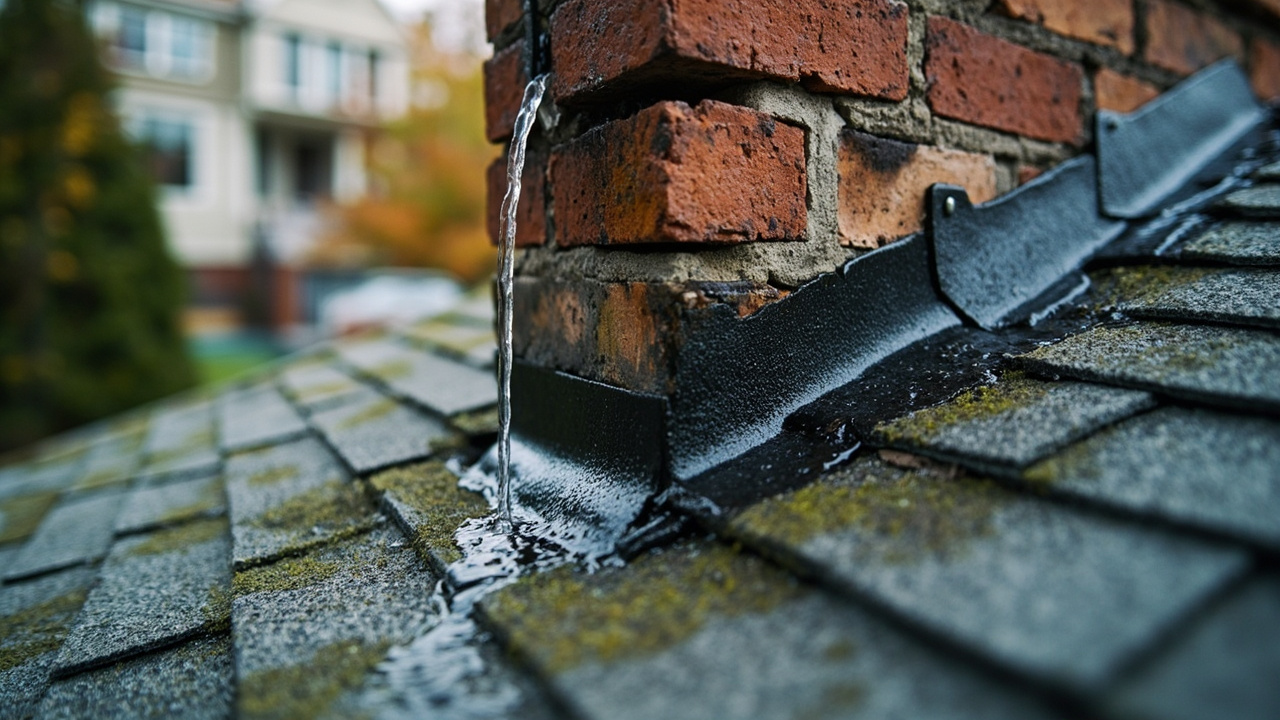
Roof flashing is the thin metal barrier installed where your roof plane meets a vertical surface like a chimney, wall, or vent stack. In Chicago, flashing takes a brutal beating. Winter temperatures drop below freezing over 100 days per year. Snow melts during the day, seeps behind flashing, then refreezes at night. This freeze-thaw cycle repeats dozens of times each season. The expansion and contraction gradually loosens fasteners, cracks sealant, and buckles metal.

Damaged roof flashing lets water slip behind your shingles and into wall cavities. You do not see the leak until drywall softens or mold appears. By then, the structural damage is already spreading.

Rusted roof flashing is common in older Chicago homes, especially on south and west exposures where sun and rain accelerate corrosion. Galvanized steel flashing installed before 1990 often shows rust perforation after 25 years. Once rust eats through, water pours in during every storm.

Loose roof flashing happens when nails back out due to thermal expansion or when high winds lift metal edges. Chicago's spring storms bring gusts over 40 mph. If flashing is not mechanically fastened correctly and sealed with compatible materials, wind will pry it loose.

Flashing seal failure is the silent killer. The caulk or mastic used to seal flashing joints dries out, cracks, and peels away. You cannot see this from the ground. Water follows the path of least resistance straight into your home.

Why Roof Flashing Fails in Chicago's Freeze-Thaw Climate
How We Diagnose and Repair Leaky Roof Flashing

How We Diagnose and Repair Leaky Roof Flashing

Most roofers slap caulk over flashing leaks and call it fixed. That repair fails within months because the underlying cause remains untreated.

Patriot Roofing Chicago uses a methodical approach. We start with a full roof inspection, not just the area where you see water. Flashing leaks often show up 10 feet away from the actual breach point because water travels along rafters and sheathing.

We examine every transition point: step flashing along dormers, counterflashing at chimneys, apron flashing at wall intersections, and valley flashing where roof planes meet. We check for nail pops, sealant gaps, metal fatigue, and improper overlap.

For chimneys, we look at the counterflashing embedment in mortar joints. Chicago's clay brick chimneys shift slightly as the house settles. This movement can crack mortar and pull counterflashing loose. We remove old counterflashing, recut reglets into mortar joints, and install new metal that tucks properly into the masonry.

Vent pipe flashing uses rubber boots that deteriorate under UV exposure. We replace brittle boots with high-grade EPDM or lead alternatives that last 30 years instead of 10.

We do not reuse old flashing. Even if the metal looks intact, nail holes and creases compromise its integrity. We fabricate new step flashing from 26-gauge galvanized steel or aluminum, depending on your roof material and local code requirements.

Each piece overlaps the one below by at least four inches. We secure flashing with ring shank nails, not smooth shank, so thermal cycling cannot back them out. We apply Ice and Water Shield underlayment behind all flashing for redundant protection.

The sealant matters. We use polyurethane or tripolymer sealants rated for metal-to-masonry joints. These remain flexible through temperature swings and adhere even when surfaces are slightly damp.

What Happens During Your Flashing Leak Repair

Roof Flashing Leaking in Chicago – Expert Diagnosis and Permanent Repair Solutions
01

Inspection and Documentation

We photograph every flashing transition on your roof and mark problem areas with measurements. You receive a detailed report showing exactly where water enters, what caused the failure, and which materials need replacement. This documentation helps with insurance claims and gives you a clear understanding of the scope before work begins.
02

Controlled Flashing Removal

We carefully remove shingles around the failed flashing without damaging surrounding materials. Old flashing gets extracted, and we inspect the underlying sheathing for rot or water damage. If decking shows soft spots, we replace those sections with CDX plywood before installing new flashing. This prevents future problems from starting under new metalwork.
03

Installation and Weatherproofing

New flashing goes in with proper overlap, mechanical fastening, and compatible sealants. We integrate Ice and Water Shield at all vulnerable transitions. Shingles get replaced to match your existing roof. Before leaving, we run a hose test on the repaired area to confirm water sheds correctly. You get photos of the completed work showing every detail of the installation.

Why Chicago Homeowners Trust Us for Flashing Repairs

Roof flashing leaks require precise metalwork and knowledge of building science. You need someone who understands how Chicago's weather attacks roof assemblies and who follows current code requirements.

Patriot Roofing Chicago has repaired flashing on every architectural style in the city. We work on Queen Anne Victorians in Old Town with ornate copper valleys. We handle flat-roof commercial buildings in the Loop with parapet wall flashing. We service suburban split-levels in Jefferson Park with standard step flashing.

We know Chicago's building codes. The city amended its residential code to require Ice and Water Shield at all valleys, eaves, and flashing penetrations. Many older homes were built before this requirement. When we repair flashing, we bring your roof up to current standards even if the original installation was legal at the time.

Our crews understand local construction methods. Chicago bungalows from the 1920s often have built-in gutters with hidden flashing that connects the gutter to the fascia. Ranch homes from the 1960s frequently have aluminum siding that tucks behind step flashing. Each architectural era has quirks that affect flashing repairs.

We also know how to work with Chicago's weather windows. Flashing repairs require dry conditions. We do not install metal in the rain or when temperatures drop below 40 degrees, because sealants will not cure properly. We schedule your repair during stable weather and complete the work in one day to minimize your home's exposure.

You get written documentation of all materials used, including manufacturer specs and product warranties. This matters for insurance claims and future home sales. A proper flashing repair adds value because it proves the roof system is sound.

What to Expect from Our Flashing Repair Service

Response Time and Scheduling

We provide inspection appointments within 48 hours of your call. During leak season (March through June and September through November), we prioritize active leaks. If water is entering your home, we offer emergency tarping to prevent further damage while we schedule the permanent repair. Most flashing repairs take four to eight hours depending on the number of penetrations. We complete work in a single day to avoid leaving your roof open overnight.

Inspection and Estimate Process

Our inspector climbs onto your roof with a camera and moisture meter. We document every flashing point and test for hidden moisture in sheathing and attic spaces. You receive photos, a written assessment, and a detailed estimate that breaks down materials and labor. We explain exactly what failed, why it failed, and what we will do differently. If your leak requires additional investigation, we tell you before starting demolition so there are no surprise costs.

Quality of Completed Work

You get new flashing fabricated to exact dimensions, installed with proper fastening schedules and overlap. We match your existing shingle color and style so the repair blends invisibly. All sealant joints are tooled smooth and inspected for voids. We clean up completely, including magnetic sweeps for dropped nails. Before we leave, we walk you through the completed work and show you photos of critical details like underlayment and counterflashing embedment. You see exactly what you paid for.

Warranty and Follow-Up

Our flashing repairs come with written warranties covering materials and workmanship. If you experience any water intrusion at the repaired area, we return to inspect and correct the issue at no charge. We also offer annual roof inspections that include flashing checks. This preventive service catches sealant deterioration and minor issues before they turn into leaks. Regular inspections extend the life of your entire roof system and give you documentation for insurance and resale purposes.

Frequently Asked Questions

You Have Questions,
We Have Answers

How to fix leaking roof flashing? +

Fixing leaking roof flashing requires removing damaged sections, cleaning the area, and installing new flashing with proper sealant. Start by inspecting all joints, chimneys, and valleys where water penetrates. Remove old caulk and debris. Apply roofing cement under new flashing and secure with nails. Seal edges with high-quality sealant rated for Chicago's freeze-thaw cycles. Step flashing around chimneys needs careful layering with shingles. If corrosion exists or multiple areas leak, full replacement prevents recurring problems. Chicago's harsh winters demand proper installation. DIY repairs often fail because flashing must integrate correctly with surrounding materials. Professional roofers ensure waterproof seals that survive heavy snow loads and summer storms.

Can roof flashing cause leaks? +

Yes. Roof flashing acts as a waterproof barrier at vulnerable joints where roof planes meet walls, chimneys, skylights, and valleys. When flashing corrodes, separates, or was improperly installed, water enters your home. Chicago homes face accelerated flashing failure due to freeze-thaw cycles that crack sealants and expand gaps. Wind-driven rain during spring storms forces water under lifted flashing edges. Chimney flashing often fails first because heat cycling loosens mortar joints. Valley flashing channels heavy water flow, so any gap creates immediate leaks. Most roof leaks trace back to flashing failure rather than shingle damage. Addressing flashing problems early prevents interior water damage and mold growth.

How much does it cost to repair flashing on a roof? +

Flashing repair costs vary based on location, material, and damage extent. Minor repairs like resealing chimney flashing may cost less than comprehensive valley flashing replacement. Material choice matters. Aluminum flashing costs less than copper but has shorter lifespan. Labor drives costs because proper installation requires removing surrounding shingles, fitting custom pieces, and resealing layers. Chicago building codes require specific flashing standards, especially around brick chimneys common in older neighborhoods. Accessibility affects pricing. Steep roofs or three-story homes increase labor time. Emergency repairs during winter cost more. Get multiple detailed estimates specifying materials and scope. Investing in quality flashing prevents costlier interior damage from recurring leaks.

Are roofers responsible for flashing? +

Yes. Professional roofers handle all flashing installation and repair as part of comprehensive roofing services. Flashing represents critical weatherproofing that requires specialized knowledge of how water flows across different roof geometries. Roofers cut, bend, and install custom flashing pieces that integrate with shingles, underlayment, and structural elements. Chicago roofers understand local building codes requiring specific flashing techniques for brick chimneys and ice dam prevention. Reputable contractors warranty their flashing work. If your roofer suggests skipping flashing replacement during roof installation, find another contractor. Proper flashing installation determines whether your roof stays watertight through Chicago's extreme weather. Quality roofers never compromise on flashing because it prevents callbacks and protects their reputation.

Does homeowners insurance cover flashing repair? +

Homeowners insurance typically covers flashing repair if damage resulted from covered perils like storm damage, fallen trees, or sudden accidents. Gradual deterioration from age or poor maintenance usually gets denied. Chicago's harsh winters accelerate flashing wear, but insurers classify this as normal wear. If a windstorm lifted shingles and damaged flashing, file a claim immediately. Document damage with photos before temporary repairs. Insurance adjusters often miss flashing damage during inspections, so have a roofer document all compromised areas. Wind damage claims succeed more often than leak claims. Review your policy's exclusions. If denied, appeal with contractor estimates showing storm causation. Some policies cover resulting interior water damage even if they deny flashing repair itself.

Does flex seal work on roof flashing? +

Flex Seal provides temporary emergency patches but fails as permanent flashing repair. The product cannot withstand Chicago's temperature extremes, freeze-thaw cycles, and UV exposure. Flex Seal degrades quickly on metal flashing, peels from dirty surfaces, and cracks when temperatures drop below freezing. Professional flashing uses rigid metal that channels water away from vulnerable joints. Flex Seal simply coats surfaces without addressing underlying structural problems like separated flashing or missing pieces. Use it only as emergency stopgap during active leaks until professional repair. Relying on Flex Seal long-term leads to hidden water damage because leaks continue beneath the coating. Proper flashing repair requires removing damaged sections, installing new metal, and integrating with surrounding roofing materials.

Can you replace flashing without replacing the roof? +

Yes. You can replace flashing without replacing the entire roof if shingles remain in good condition. Roofers carefully lift surrounding shingles, remove old flashing, install new pieces, and reseal shingles back down. This works well for isolated chimney flashing, skylight flashing, or small valley sections. However, if your roof exceeds 15 years old, consider full replacement. Chicago homes with older roofs often have brittle shingles that crack during flashing work, requiring patching with mismatched materials. Step flashing replacement around chimneys integrates easily. Valley flashing requires more extensive shingle removal. Reputable contractors assess whether isolated flashing replacement makes financial sense or if approaching roof age justifies complete replacement to avoid repeated service calls.

What are signs of failing roof flashing? +

Water stains on ceilings near chimneys, walls, or skylights signal flashing failure. Check attics after heavy rain for active drips or wet insulation around roof penetrations. Outside, look for rust stains, lifted flashing edges, missing sealant, or visible gaps between flashing and brick. Corroded metal appears pitted or has holes. Chicago's freeze-thaw cycles cause caulk to crack and separate from surfaces. Lifted shingles near valleys or chimneys expose flashing underneath. Moss or algae growth around flashing indicates persistent moisture. Paint peeling on interior walls below roof penetrations suggests hidden leaks. Sagging or soft spots on ceilings mean prolonged water intrusion. Inspect flashing twice yearly, especially after severe storms common to the Chicago area.

Is it normal for a roof to leak in heavy rain? +

No. A properly installed roof should not leak during heavy rain, regardless of intensity. If leaks appear only during storms, this indicates compromised flashing, damaged shingles, or inadequate drainage. Chicago's spring thunderstorms with wind-driven rain expose flashing vulnerabilities that light rain misses. Water backs up behind ice dams during winter thaws, finding gaps in deteriorated flashing. Heavy rain overwhelms clogged gutters, causing water to seep under shingle edges near flashing. Some homeowners mistake condensation for leaks during temperature swings, but true leaks trace to specific entry points. If your roof leaks during storms, schedule immediate inspection. Small flashing gaps worsen quickly, and delaying repair leads to rotted decking and interior damage.

What is the lifespan of roof flashing? +

Roof flashing lifespan depends on material quality and installation. Copper flashing lasts 70 years or more. Galvanized steel survives 20 to 30 years before rusting through. Aluminum flashing typically lasts 20 years. Chicago's climate shortens these timeframes due to freeze-thaw cycles, ice dam formation, and temperature extremes. Improperly installed flashing fails within five years regardless of material. Sealants require reapplication every 10 years as caulk degrades from UV exposure and thermal cycling. Chimney flashing experiences accelerated wear from heat. Inspect flashing condition during roof replacement even if it appears functional. Most roofers recommend replacing all flashing when installing new roofing to ensure waterproof integrity for the next 20 years.

How Chicago's Freeze-Thaw Cycles Accelerate Flashing Failure

Chicago experiences more than 35 freeze-thaw cycles each winter. Water trapped behind flashing expands nine percent when it freezes. This expansion pushes metal away from vertical surfaces and loosens fasteners. By spring, gaps that were invisible in October are wide enough to see from the ground. The problem compounds because Chicago gets heavy snow followed by rapid thaws. Meltwater sits against flashing during the day, then freezes solid at night. After 10 or 15 cycles, even properly installed flashing can fail. Older homes with original flashing from the 1960s or 1970s rarely survive more than 40 Chicago winters without developing leaky roof flashing around chimneys and dormers.

Patriot Roofing Chicago understands how local weather and construction practices affect roof longevity. We use flashing techniques designed for freeze-thaw environments. This means thicker metal, mechanical fastening instead of adhesive-only methods, and cold-weather sealants that remain flexible at subzero temperatures. We also know Chicago's building inspection standards. The city requires specific flashing details at parapet walls and rooftop HVAC equipment. If you are selling your home, proper flashing installation can affect your inspection report. Buyers and inspectors look for compliant flashing because damaged roof flashing signals deferred maintenance and hidden water damage.
Roofing Services in The Chicago Area

Patriot Roofing is proud to be a locally owned and operated business committed to serving our community and the surrounding areas. Our deep understanding of the local climate and architectural styles allows us to provide roofing solutions that are perfectly suited to the unique needs of our clients. We invite you to explore our service area and see why so many residents trust us for all their roofing needs.

Address:
Patriot Roofing Chicago, 2111 S Halsted St, Chicago, IL, 60608

Additional Services We Offer

Our news updates

Latest Articles & News from The Blogs

How to Maintain the Integrity of Steep-Pitched Tudor Roofs in Lincoln Square Steep-pitched Tudor roofs dominate the architectural landscape of…

How to Maintain the Integrity of Steep-Pitched Tudor Roofs in Lincoln Square

How to Maintain the Integrity of Steep-Pitched Tudor Roofs in Lincoln Square Steep-pitched Tudor roofs dominate the architectural landscape of…

Dealing with Extra Wear and Tear on Hegewisch Roofs Near Industrial Areas

Dealing with Extra Wear and Tear on Hegewisch Roofs Near Industrial Areas If you live in Hegewisch near Chicago’s industrial…

The Benefits of Investing in Impact-Resistant Shingles for Your Austin Neighborhood Home

The Benefits of Investing in Impact-Resistant Shingles for Your Austin Neighborhood Home Chicago’s location in the Midwest makes it particularly…

Contact Us

Water damage multiplies fast. Call Patriot Roofing Chicago at (773) 599-7055 for a same-week inspection. We identify the exact source of your flashing leak and provide a written repair plan with transparent pricing.