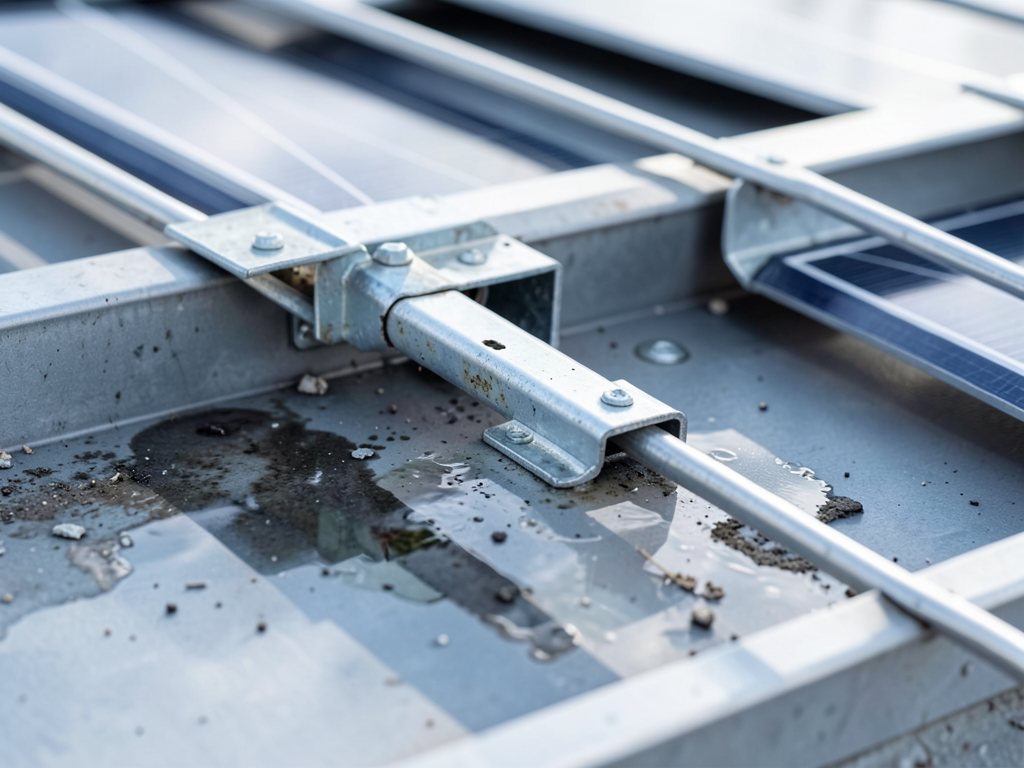


Chicago experiences temperature variations of 60 degrees or more between January lows and July highs. This constant expansion and contraction fatigues roofing materials faster than stable climates. Asphalt shingles develop micro-cracks. Flashing pulls away from penetrations. Sealants lose adhesion. The city's location near Lake Michigan adds moisture to every freeze-thaw cycle, forcing water into these weakened areas where it expands and splits materials from the inside. Emergency roof repair becomes necessary when years of thermal stress finally cause catastrophic failure during a storm.
Chicago building codes have evolved significantly over the past century, creating a patchwork of standards across different neighborhoods. Homes built before 1975 often lack the underlayment and ventilation requirements that modern codes mandate. Properties in areas like Wicker Park or Bucktown frequently have multiple roofing layers installed over decades, each one adding weight and hiding previous damage. Local contractors who specialize in emergency roofing services understand these historical construction methods and know how to stabilize failures without causing additional stress to aging structures.