




Lincolnwood sits in the direct path of severe Midwest weather systems that punish roofing systems year-round. Winter freeze-thaw cycles crack shingles and split seals. Ice dams form along gutters when heated attic air melts snow that refreezes at roof edges, forcing water under shingles and into homes near Crawford Avenue and Touhy. Spring storms bring hail that punctures asphalt shingles and tears metal flashing. Summer heat bakes roofs to 160 degrees, cooking adhesives and curling shingle edges.
The village's mature tree canopy in neighborhoods around Proesel Park drops branches during windstorms, puncturing roofing membranes. Falling leaves clog valleys and gutters, creating standing water that seeps through worn areas. Home styles common in Lincolnwood, including post-war ranch homes and bi-levels built in the 1950s and 1960s, now have aging roof systems reaching the end of their 20 to 25 year lifespan. Original chimneys and roof penetrations develop gaps as mortar deteriorates and flashing corrodes. Village building codes require permits for structural repairs and full replacements, but emergency patching to stop active leaks can begin immediately while paperwork processes.
Patriot Roofing Chicago has protected homes throughout Lincolnwood and the greater Chicago metro for over a decade. We know the roof problems that plague homes in your neighborhood because we've fixed hundreds of them. When you call our emergency line, you reach a roofer who can dispatch a crew, not an answering service reading a script.
Our trucks carry the materials needed for immediate repairs on Lincolnwood's most common roof types: three-tab asphalt shingles, architectural shingles, and flat rubber membranes on garage additions. We stock flashing, underlayment, and sealants that match existing roof systems so patches blend seamlessly. Our crews complete most emergency repairs in three to four hours, stopping leaks before water spreads through ceilings.
We work directly with insurance adjusters who cover storm damage throughout Cook County. We document damage with photos and measurements that satisfy claim requirements, then coordinate repairs around approval timelines. Our estimates break down material and labor costs clearly, explaining what insurance typically covers versus homeowner responsibility.
Unlike franchise operations that subcontract work to rotating crews, Patriot Roofing Chicago employs our installers directly. The same roofers who inspect your damage complete your repair. They answer your questions about roof condition, remaining lifespan, and prevention steps. We guarantee our repair work for two years and stand behind it when callbacks happen. Our reputation in Lincolnwood depends on roofs that stay fixed, not quick patches that fail after the next storm.

We answer emergency calls seven days a week and dispatch crews within two hours for active leaks. Our trucks carry tarps, sealants, and patching materials to stop water intrusion immediately, protecting your belongings while we schedule permanent repairs around your timeline and insurance approval.

We document storm damage with detailed photos and measurements that satisfy insurance requirements. Our estimates separate covered damage from pre-existing wear, and we work with adjusters to maximize legitimate claims. We've processed hundreds of claims through carriers serving Lincolnwood homeowners.
Every roofer on your project works directly for Patriot Roofing Chicago. We don't subcontract to rotating crews. The same installers who inspect your damage complete your repair, ensuring accountability and consistent quality. This direct relationship means faster callbacks if issues arise after installation.
We know the roof challenges specific to Lincolnwood homes because we've repaired them for years. We understand which neighborhoods have older homes with original roofs, where tree coverage causes damage, and how local weather patterns create specific failure points throughout the village.
Patriot Roofing Chicago handles every roofing need from emergency leak repairs to complete tear-offs and new installations. We repair storm damage, patch deteriorated areas, replace failing sections, and install full roof systems when repair costs approach replacement value. Our service range covers the roofing challenges common to Lincolnwood's housing stock.
We work on steep-slope residential roofs with asphalt shingles, the most common material in the village. We repair flat or low-slope sections on garage additions, covered porches, and bay window bump-outs using rubber membrane and modified bitumen systems. We replace damaged roof decking when water has rotted plywood sheathing, and we upgrade attic ventilation when poor airflow accelerates shingle aging.
Our services divide into three categories based on urgency and scope. Emergency repairs stop active damage when storms strike or sudden failures occur. Restoration work addresses accumulated wear on aging systems, extending roof lifespan through targeted repairs. Replacement projects involve complete tear-offs when existing roofs have reached failure point. Understanding which service level your situation requires depends on roof age, damage extent, and whether you're managing an immediate crisis or planning a needed upgrade.
When water enters your home through damaged roofing, speed determines how much destruction occurs. Emergency repairs stop active leaks within hours. We tarp damaged sections during storms, seal punctures from fallen branches, replace torn shingles, and secure lifted flashing. These repairs protect your home immediately while we assess total damage and plan permanent solutions. Emergency work includes temporary measures that hold through additional weather events and permanent patching that restores roof integrity without full replacement.
Roofs aged 15 to 20 years often develop isolated problems in vulnerable areas while most shingles remain functional. Restoration addresses these weak points without full replacement expense. We replace deteriorated valley flashing, reseal around chimneys and vents, repair damaged sections after tree removal, and replace missing or damaged shingles. Restoration includes upgrading problem areas with better materials, improving ventilation to prevent future heat damage, and reinforcing flashing at critical junctions where leaks commonly develop as roofs age.
When repair costs approach 40 percent of replacement value, or when roofs exceed their expected lifespan, complete replacement makes financial sense. We tear off existing shingles to deck level, replace damaged plywood sheathing, install new underlayment and ice barrier, apply architectural or three-tab shingles, and install new flashing around all penetrations. Full replacements include ridge venting improvements, upgraded valley protection, and drip edge installation. We coordinate permit applications with Lincolnwood building department and schedule inspections per village requirements.
Lincolnwood's climate and housing characteristics create predictable roof failures. Understanding these common problems helps homeowners recognize warning signs before minor issues become expensive emergencies. Most damage starts small with a lifted shingle or tiny flashing gap, then spreads as water penetrates underlayment and reaches roof decking.
Homes built in the 1950s through 1970s now have roofs installed in the 1990s or early 2000s approaching the end of their rated lifespan. Original roof systems have long since failed. Even properly installed shingles deteriorate after 20 to 25 years of exposure to temperature extremes, UV radiation, and physical stress from expansion and contraction. The mature trees that make Lincolnwood neighborhoods attractive also drop branches during storms and shed leaves that trap moisture against shingles. These factors combine to create the damage patterns we repair most often throughout the village.
Severe thunderstorms with straight-line winds lift shingle edges and tear tabs completely free. Lifted shingles expose underlayment to rain and allow water to migrate under adjacent shingles. Wind damage often affects the roof sections facing prevailing storm directions. Missing shingles create immediate leak risk and require fast replacement before the next rainfall.
Poor attic insulation allows heat to escape through roof decking, melting snow that refreezes at cold eaves. Ice builds up behind gutters, creating dams that force meltwater under shingles. Water then drips through ceilings near exterior walls. Ice dams require both immediate damage repair and ventilation improvements to prevent recurrence each winter.
Metal flashing that seals gaps between chimneys and roof surfaces corrodes after 15 to 20 years. Sealants dry out and crack. Water enters these gaps during rain, running down inside walls or dripping onto ceilings near chimney locations. Flashing replacement requires careful removal of shingles around the chimney perimeter and proper installation of step flashing and counter flashing.
Dead branches break loose during windstorms and puncture shingles, underlayment, and sometimes roof decking. Even small branches create holes that leak immediately. Large limbs cause structural damage requiring decking replacement. Tree damage needs fast tarping to prevent rain intrusion, followed by sheathing repair and shingle replacement that matches existing roof color and style.
We know that roof damage creates stress. Water dripping through ceilings signals serious problems requiring fast decisions. Our process eliminates confusion and keeps you informed at every step. When you call Patriot Roofing Chicago, you speak with experienced roofers who assess your situation over the phone and provide realistic timelines for response.
Emergency situations get immediate attention. We dispatch crews within two hours for active leaks and can tarp or patch damage the same day to stop water intrusion. Non-emergency repairs receive scheduled appointments within three to five days. We arrive on time, complete inspections thoroughly, and explain findings in clear language without technical jargon designed to confuse.
Our approach focuses on honest assessment of what repairs you actually need versus what can wait. We don't upsell unnecessary work, but we do explain when deferring repairs will lead to bigger problems. You receive written estimates that detail materials, labor, and timeline. We answer questions directly and help you understand how to work with insurance when storm damage is involved. Our goal is completing quality repairs that last while treating your home and time with respect.
You speak directly with experienced roofers when you call, not receptionists reading scripts. We answer questions about your specific situation over the phone and explain what to expect during inspection and repair. After on-site assessment, we provide written estimates with material specifications, labor breakdown, and realistic timelines. We text or call before arrival and update you if weather delays work. You receive photos of completed repairs showing the quality of our installation before we leave your property.
Our crews protect landscaping with plywood pathways when accessing roofs. We use tarps to catch debris during tear-offs and position dumpsters to minimize lawn damage. Magnetic rollers pick up nails from driveways and yard areas after each work day. We clean gutters of installation debris and leave your property cleaner than we found it. Respect for your home shows in details like removing boots before entering to inspect attic spaces and covering indoor areas when roof access requires entering through your home.
We guarantee our repair work for two years and our full replacements for ten years on labor. If problems develop with our installation, we return quickly to make it right at no additional charge. Our direct employment model means the same crews who completed your original work handle callbacks, ensuring accountability. We don't disappear after collecting payment. Our reputation in Lincolnwood depends on roofs that perform as promised, and we back our work with responsive service when rare issues occur.
Quality roofing work requires thorough inspection before repairs begin. We follow a proven process that identifies all damage, explains options clearly, and completes repairs right the first time.
We inspect your roof from ground level and on the roof surface, checking shingle condition, flashing integrity, and areas where leaks commonly develop. We document damage with photos and measurements. During inspection, we identify immediate threats requiring emergency attention and note areas showing wear that will need future attention. You receive honest assessment of total roof condition, not just the specific problem that prompted your call. We explain findings in clear terms and answer questions about what you're seeing in inspection photos.
After you approve our estimate, we schedule work within your timeline and around weather windows. Our crews arrive with all needed materials and complete most repairs in a single day. We protect your property during work, dispose of old materials properly, and clean thoroughly after completion. Complex repairs requiring deck replacement or structural work may extend to two or three days. We update you on progress and explain any additional issues discovered once damaged areas are opened up for repair.
Before our crew leaves, we walk you through completed repairs and show you the quality of our installation. We provide photos of finished work for your records and insurance documentation. We explain care instructions and signs to watch for that might indicate problems. You receive written warranty information and our direct contact numbers for any questions or concerns. Our cleanup includes magnetic rolling for nails and removal of all debris. We don't consider the job complete until you're satisfied with our work and your property is returned to clean condition.
Professional roofing in Illinois follows specific technical standards that determine installation quality and longevity. Understanding these standards helps homeowners recognize proper work and hold contractors accountable to best practices.
The International Residential Code, adopted by Illinois and enforced by local building departments including Lincolnwood, sets minimum requirements for roof covering materials, underlayment, flashing, and ventilation. Proper installations exceed these minimums. Asphalt shingle manufacturers including GAF, Owens Corning, and CertainTeed publish detailed installation instructions that contractors must follow to maintain warranty coverage. These instructions specify nail placement, adhesive application, and overlap requirements.
Village of Lincolnwood building codes require permits for complete roof replacements and structural repairs. Permit applications include material specifications and contractor licensing verification. Inspections verify that installation meets code requirements for wind resistance, fire rating, and proper flashing. Emergency leak repairs to stop active water intrusion can begin immediately without permits, but permanent structural work requires approval and inspection.
Roof ventilation directly affects shingle lifespan. Illinois building code requires one square foot of ventilation for every 150 square feet of attic space, balanced between soffit intake and ridge exhaust. Poor ventilation traps heat and moisture in attic spaces, cooking shingles from below and reducing their rated lifespan by 30 to 40 percent. Proper ventilation keeps attic temperatures within 10 degrees of outdoor air, preventing accelerated aging and ice dam formation.
Underlayment selection affects leak protection during installation and if shingles fail. Standard felt paper provides basic protection. Synthetic underlayments resist tearing better and shed water more effectively. Ice and water shield, a self-adhering membrane required along eaves in Illinois, prevents leaks from ice dams and wind-driven rain. Quality installations extend ice barrier coverage beyond the minimum code requirement of 24 inches inside the exterior wall line, protecting vulnerable areas around dormers and valleys.
Illinois code requires balanced attic ventilation with intake at soffits and exhaust at ridge or gable ends. Proper airflow prevents heat buildup that ages shingles prematurely and moisture accumulation that rots decking. Homes without adequate ventilation experience shingle failure years before rated lifespan. Ventilation upgrades during replacement extend new roof longevity significantly. We calculate required ventilation area and add intake or exhaust capacity to meet or exceed code minimums.
Shingle quality varies significantly across price points. Three-tab shingles cost less but carry 20-year warranties and show wear faster. Architectural shingles cost 20 to 30 percent more but last 25 to 30 years with better wind resistance and appearance. Underlayment choice affects longevity and leak protection. Premium materials increase upfront cost but reduce the likelihood of callbacks and extend roof lifespan, lowering lifetime cost despite higher initial investment.
Emergency leak repairs typically complete in three to four hours including assessment. Single-section replacements for storm damage finish in one to two days. Complete tear-offs on average Lincolnwood homes take two to three days depending on roof complexity and weather. Permit processing with Lincolnwood building department adds five to seven business days before work begins on full replacements. Insurance approval for storm claims adds one to three weeks to project timelines.
Village of Lincolnwood requires building permits for complete roof replacements and repairs involving structural work or deck replacement. Permits verify contractor licensing, material specifications, and code compliance. Emergency repairs to stop active leaks can begin immediately, but permanent work requires permit approval and inspection. Permit applications include contractor information, material specifications, and proof of liability insurance. Inspection confirms proper installation before project closeout. Working without required permits violates village code and complicates insurance claims.
Expert overview of roofing challenges specific to Lincolnwood, Illinois homes. Covers emergency leak repair, storm damage assessment, insurance claim documentation, and technical standards for quality roof installation. Explains common problems including wind damage, ice dams, flashing deterioration, and tree damage affecting homes throughout Lincolnwood neighborhoods. Details when repairs extend roof life versus when replacement becomes necessary based on age and damage extent.
Patriot Roofing Chicago serves homeowners throughout Lincolnwood and the surrounding Cook County area. We know the roofing challenges specific to different neighborhoods because we've worked in them for years. Homes east of Crawford Avenue near the Skokie border include many bi-level designs from the 1960s with complex roof lines and multiple valleys where leaks commonly develop. These homes often have original chimneys requiring flashing updates as mortar deteriorates. The tree-lined streets create beautiful canopy but also mean frequent branch damage during summer storms.
Properties along Touhy Avenue and the southern sections of the village include ranch homes from the 1950s with simpler roof designs but aging systems now requiring replacement. These neighborhoods see frequent ice dam problems in winter due to older attic insulation standards. Homes near Proesel Park and the northern residential areas include larger properties with attached garages featuring flat or low-slope roof sections requiring different repair approaches than main house steep-slope roofs.
We also serve neighboring communities throughout the North Shore and northwest suburbs. Skokie residents face identical weather challenges and similar housing stock. Niles homeowners contact us for storm damage repairs and replacement projects. Our service area extends to Morton Grove, Evanston, and Wilmette, where coastal proximity to Lake Michigan creates additional moisture challenges. Properties in Glenview and Northbrook require the same attention to ventilation and flashing detail that protects Lincolnwood homes.
Understanding the specific characteristics of homes in each area helps us provide accurate estimates and effective repairs. We know which neighborhoods have mature trees requiring extra cleanup, which streets have parking challenges requiring careful dumpster placement, and which areas have homeowner associations with architectural approval requirements. This local knowledge speeds project timelines and prevents surprises during installation. When you call Patriot Roofing Chicago, you're working with roofers who know your neighborhood and understand the specific challenges your home faces based on its location and age.
A new roof in Lincolnwood depends on several factors. Your home's size affects the total. A typical single-family home ranges from moderate to significant investment. Material choice matters. Asphalt shingles cost less than metal or slate. Roof complexity adds expense. Multiple valleys, chimneys, and steep slopes increase labor time. Removal of old materials adds to the total. Get three written estimates from licensed Lincolnwood contractors. Compare materials, labor, and completion timelines. Ask about ventilation upgrades and ice dam prevention. Quality installation protects your home for decades.
Most Lincolnwood roof replacements take two to five days. A standard single-family home with asphalt shingles needs two to three days. Larger homes or complex designs require four to five days. Metal roofs take longer than asphalt. Weather delays extend timelines. Rain stops work immediately. Contractors need dry conditions for proper installation. Your crew size affects speed. Three to five workers complete jobs faster. Removal of multiple old layers adds time. Expect one extra day for tear-off. Plan for noise and limited driveway access during the project.
Asphalt shingles work well in Lincolnwood's freeze-thaw cycles. Choose impact-resistant shingles rated for hail. Metal roofing excels in winter. Snow slides off easily. Ice dams form less often. Metal lasts 40 to 70 years. Rubber membrane roofing handles temperature swings. It flexes without cracking. Avoid cheap three-tab shingles. They fail faster in harsh weather. Look for Class 4 impact ratings. Check wind resistance ratings above 110 mph. Proper attic ventilation prevents ice dams regardless of material. Your underlayment matters as much as your shingles.
A new roof in Lincolnwood depends on several factors. Your home's size affects the total. A typical single-family home ranges from moderate to significant investment. Material choice matters. Asphalt shingles cost less than metal or slate. Roof complexity adds expense. Multiple valleys, chimneys, and steep slopes increase labor time. Removal of old materials adds to the total. Get three written estimates from licensed Lincolnwood contractors. Compare materials, labor, and completion timelines. Ask about ventilation upgrades and ice dam prevention. Quality installation protects your home for decades.
Most Lincolnwood roof replacements take two to five days. A standard single-family home with asphalt shingles needs two to three days. Larger homes or complex designs require four to five days. Metal roofs take longer than asphalt. Weather delays extend timelines. Rain stops work immediately. Contractors need dry conditions for proper installation. Your crew size affects speed. Three to five workers complete jobs faster. Removal of multiple old layers adds time. Expect one extra day for tear-off. Plan for noise and limited driveway access during the project.
Asphalt shingles work well in Lincolnwood's freeze-thaw cycles. Choose impact-resistant shingles rated for hail. Metal roofing excels in winter. Snow slides off easily. Ice dams form less often. Metal lasts 40 to 70 years. Rubber membrane roofing handles temperature swings. It flexes without cracking. Avoid cheap three-tab shingles. They fail faster in harsh weather. Look for Class 4 impact ratings. Check wind resistance ratings above 110 mph. Proper attic ventilation prevents ice dams regardless of material. Your underlayment matters as much as your shingles.
Yes. Lincolnwood requires permits for roof replacement. Contact the Village of Lincolnwood Building Department before starting work. Your contractor should handle permit applications. The village inspects completed roofs for code compliance. Permits protect you. They ensure proper installation and material quality. Work done without permits creates problems. You face fines. Future buyers see unpermitted work as a red flag. Home sales get delayed. Permits cost less than fixing code violations later. The inspection confirms your roof meets current building standards and wind resistance requirements.
Age tells you much. Roofs older than 20 years often need replacement. Check for widespread damage. Three or more areas with problems mean replacement. Look for curling shingles. They indicate wear. Missing granules expose asphalt underneath. Your roof ages faster. Sagging areas mean structural problems. Replace immediately. Repair works for isolated damage. One or two leaks in an otherwise good roof need patches. Small areas of missing shingles get replaced. Get a professional inspection. Roofers check decking, flashing, and ventilation. They give honest assessments.
Your homeowners insurance covers sudden damage. Wind and hail damage qualify. Lightning strikes get covered. Falling trees trigger claims. Insurance excludes wear and tear. Old roofs with curling shingles get denied. Maintenance neglect voids coverage. Document storm damage immediately. Take photos before repairs. File claims within your policy timeframe. Most policies require reporting within one year. Your deductible applies to roof claims. Insurance pays replacement cost or actual cash value. Replacement cost policies pay more. Review your policy annually. Understand your coverage limits and exclusions.
Hail creates distinct patterns. Look for dark spots where granules got knocked off. Shingles show random damage, not uniform wear. Dents appear on vents, flashing, and gutters. Metal surfaces reveal impact marks. Asphalt shingles show soft spots when pressed. Granules collect in gutters after storms. Check downspouts for excessive debris. Hail damage weakens shingles even without visible holes. Your roof ages faster after impact. Walk your property after severe storms. Inspect from the ground first. Hire a professional for roof inspection. They spot damage you miss.
Inspect your Lincolnwood roof twice yearly. Check in spring after winter damage. Inspect in fall before harsh weather starts. Schedule professional inspections every three years. Older roofs need annual professional checks. Inspect after severe storms. High winds and hail cause immediate damage. Look for missing shingles, damaged flashing, and clogged gutters. Check your attic for leaks and moisture. Water stains indicate problems. Proper inspections extend roof life. You catch small issues before they become expensive. Professional roofers spot problems homeowners miss. They check structural integrity and ventilation.
Lincolnwood building codes allow one layer of old shingles to remain. Two or more layers require complete removal. Installing over old shingles saves money short-term. You skip tear-off labor and disposal fees. This approach has drawbacks. You hide existing damage. Rot and bad decking go unnoticed. Extra weight stresses your roof structure. New shingles wear faster over uneven surfaces. Heat builds up between layers. Your new roof fails sooner. Most professionals recommend complete removal. You get a fresh start. Your contractor inspects and repairs decking.
Late spring through early fall works best in Lincolnwood. May through September offers warm, dry weather. Contractors work faster in good conditions. Adhesives seal properly in warmth. Summer brings peak demand. Book early for summer installation. Prices may run higher. Fall provides ideal conditions. Temperatures stay moderate. Rain occurs less often. Winter roofing works but brings challenges. Cold temperatures slow installation. Adhesives need special handling. Snow delays projects. Spring brings unpredictable weather. Rain and temperature swings affect scheduling. Book your project months ahead for preferred timing.
Yes. Lincolnwood requires permits for roof replacement. Contact the Village of Lincolnwood Building Department before starting work. Your contractor should handle permit applications. The village inspects completed roofs for code compliance. Permits protect you. They ensure proper installation and material quality. Work done without permits creates problems. You face fines. Future buyers see unpermitted work as a red flag. Home sales get delayed. Permits cost less than fixing code violations later. The inspection confirms your roof meets current building standards and wind resistance requirements.
Age tells you much. Roofs older than 20 years often need replacement. Check for widespread damage. Three or more areas with problems mean replacement. Look for curling shingles. They indicate wear. Missing granules expose asphalt underneath. Your roof ages faster. Sagging areas mean structural problems. Replace immediately. Repair works for isolated damage. One or two leaks in an otherwise good roof need patches. Small areas of missing shingles get replaced. Get a professional inspection. Roofers check decking, flashing, and ventilation. They give honest assessments.
Your homeowners insurance covers sudden damage. Wind and hail damage qualify. Lightning strikes get covered. Falling trees trigger claims. Insurance excludes wear and tear. Old roofs with curling shingles get denied. Maintenance neglect voids coverage. Document storm damage immediately. Take photos before repairs. File claims within your policy timeframe. Most policies require reporting within one year. Your deductible applies to roof claims. Insurance pays replacement cost or actual cash value. Replacement cost policies pay more. Review your policy annually. Understand your coverage limits and exclusions.
Hail creates distinct patterns. Look for dark spots where granules got knocked off. Shingles show random damage, not uniform wear. Dents appear on vents, flashing, and gutters. Metal surfaces reveal impact marks. Asphalt shingles show soft spots when pressed. Granules collect in gutters after storms. Check downspouts for excessive debris. Hail damage weakens shingles even without visible holes. Your roof ages faster after impact. Walk your property after severe storms. Inspect from the ground first. Hire a professional for roof inspection. They spot damage you miss.
Inspect your Lincolnwood roof twice yearly. Check in spring after winter damage. Inspect in fall before harsh weather starts. Schedule professional inspections every three years. Older roofs need annual professional checks. Inspect after severe storms. High winds and hail cause immediate damage. Look for missing shingles, damaged flashing, and clogged gutters. Check your attic for leaks and moisture. Water stains indicate problems. Proper inspections extend roof life. You catch small issues before they become expensive. Professional roofers spot problems homeowners miss. They check structural integrity and ventilation.
Lincolnwood building codes allow one layer of old shingles to remain. Two or more layers require complete removal. Installing over old shingles saves money short-term. You skip tear-off labor and disposal fees. This approach has drawbacks. You hide existing damage. Rot and bad decking go unnoticed. Extra weight stresses your roof structure. New shingles wear faster over uneven surfaces. Heat builds up between layers. Your new roof fails sooner. Most professionals recommend complete removal. You get a fresh start. Your contractor inspects and repairs decking.
Late spring through early fall works best in Lincolnwood. May through September offers warm, dry weather. Contractors work faster in good conditions. Adhesives seal properly in warmth. Summer brings peak demand. Book early for summer installation. Prices may run higher. Fall provides ideal conditions. Temperatures stay moderate. Rain occurs less often. Winter roofing works but brings challenges. Cold temperatures slow installation. Adhesives need special handling. Snow delays projects. Spring brings unpredictable weather. Rain and temperature swings affect scheduling. Book your project months ahead for preferred timing.
Patriot Roofing is proud to be a locally owned and operated business committed to serving our community and the surrounding areas. Our deep understanding of the local climate and architectural styles allows us to provide roofing solutions that are perfectly suited to the unique needs of our clients. We invite you to explore our service area and see why so many residents trust us for all their roofing needs.
Address:
Lincolnwood, IL, 60712
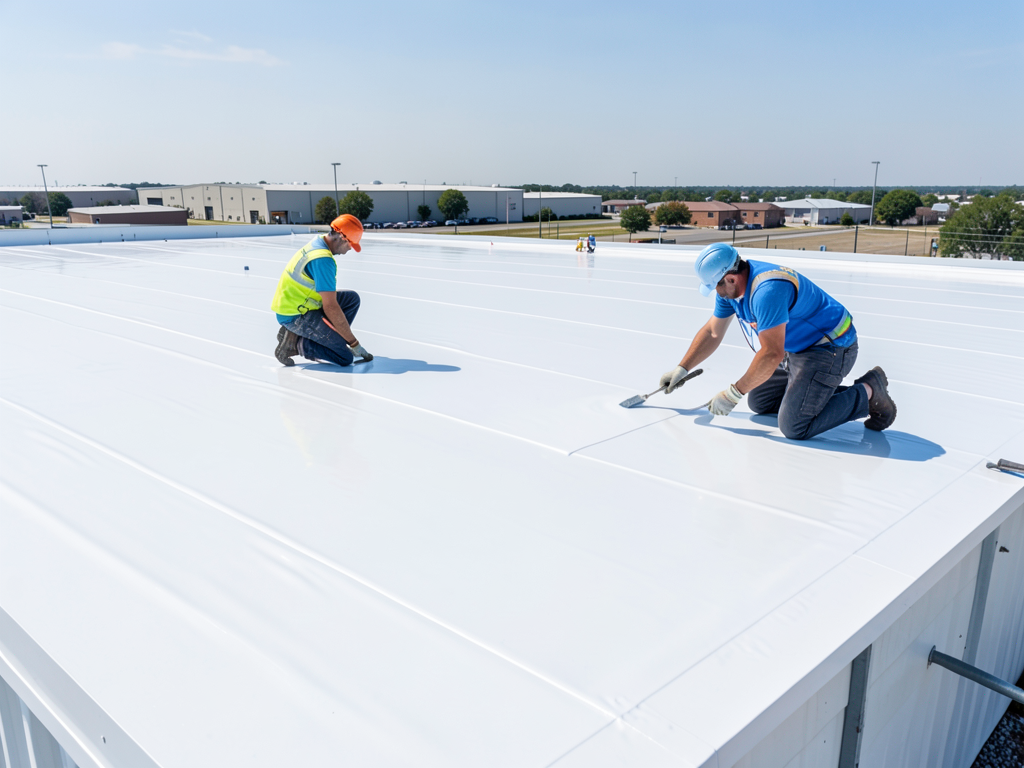
What a Commercial Roof Recovery Coating Can Actually Do for Your Warehouse in Elk Grove Village A commercial roof recovery coating can extend your warehouse roof life by 10-15 years while cutting costs by up…
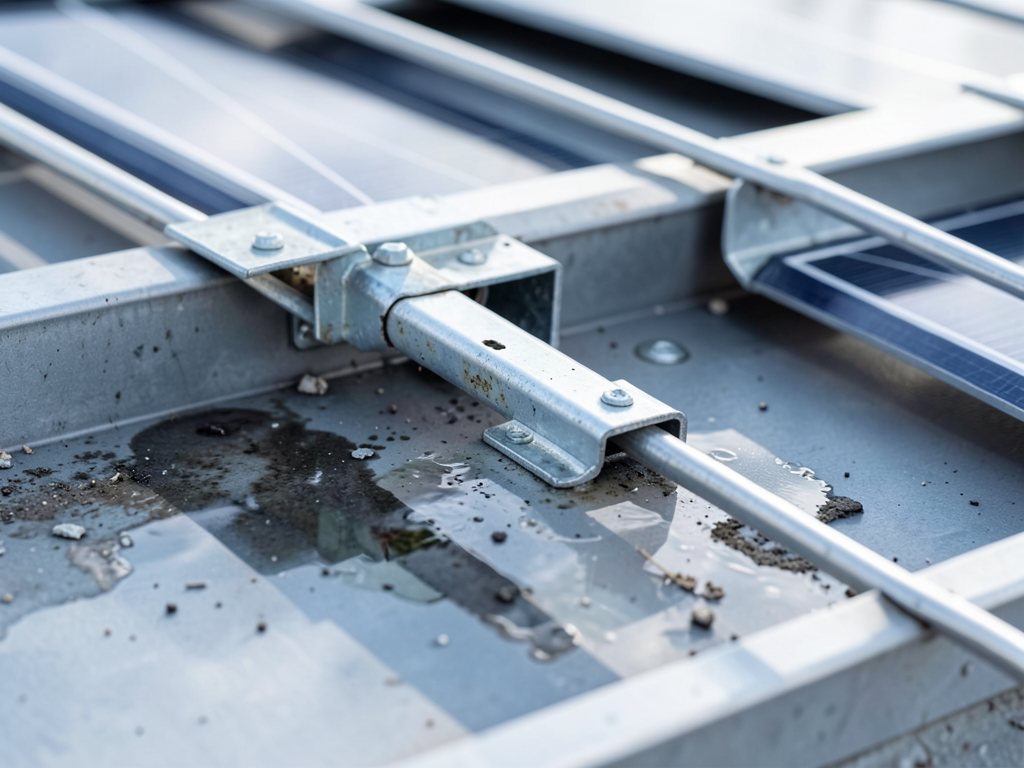
The Right Way to Seal Roof Leaks Around Solar Panels in Skokie When water starts…

Why K-Style Gutters and Half-round Gutters Perform Differently on Homes in Longwood Manor When choosing…

How to Tell if Your Historic Home in Bowmanville Has Asbestos Shingles If your Bowmanville…
Don't let roof damage spread through your home. Call Patriot Roofing Chicago now at (773) 599-7055 for emergency repairs or schedule an inspection. We respond within hours for active leaks and provide honest assessments for all roofing needs throughout Lincolnwood.