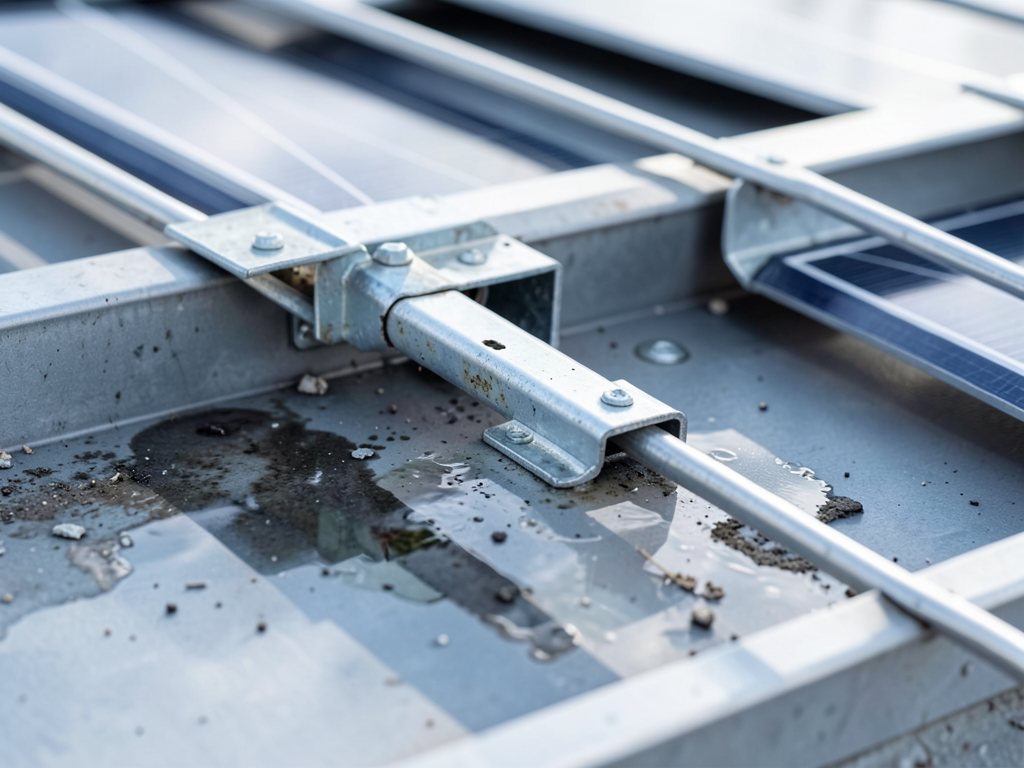


Chicago's position on Lake Michigan creates weather volatility that accelerates commercial roof deterioration. The freeze-thaw cycle runs from November through April, expanding and contracting membrane seams and causing fastener back-out on mechanically attached systems. Lake-effect wind drives rain horizontally across flat roofs, testing every flashing detail and penetration seal. Summer thunderstorms drop intense rainfall that overwhelms undersized scuppers on older buildings, creating ponding that stresses aging membranes. Emergency commercial roof repair becomes necessary when these cumulative stresses find the weakest point in your roofing system, often during the worst possible weather conditions.
Chicago's commercial building stock includes decades-old structures where original roofing systems have been overlaid multiple times without addressing underlying substrate problems. When these layered systems fail, the damage is rarely visible from the interior until water has saturated insulation and decking. Local building codes require commercial roofing contractors to understand wind uplift requirements specific to Chicago's exposure category and building height. Our crews know the difference between code requirements for a three-story building in Pilsen versus a twelve-story structure in the Loop. This local expertise ensures emergency repairs meet compliance standards and do not create liability issues during insurance inspections.