
menu

Flat Roof Repair & Restoration in Chicago | Minimize Downtime with Industrial-Grade Solutions

Commercial Flat Roof Restoration Built for Chicago's Freeze-Thaw Cycles – Our Industrial-Grade Systems Keep Your Operations Running While We Work

Slider Image 1
Slider Image 2
Slider Image 3
Slider Image 4
Slider Image 5
Slider Image 7
Slider Image 8
Slider Image 9
Slider Image 10
Slider Image 11

Why Commercial Flat Roofs Fail Faster in Chicago

Chicago's climate is brutal on commercial flat roofing systems. The freeze-thaw cycle runs roughly 40 times per season. Water infiltrates small cracks, freezes overnight, expands, and cracks the substrate wider. By spring, what started as a hairline fracture becomes a liability issue.

Most commercial flat roof failures here stem from membrane fatigue, ponding water from inadequate drainage, and thermal shock from temperature swings of 50 degrees in 24 hours. You see this in older EPDM systems across the South Loop and West Town, where seams begin to separate and flashing pulls away from parapets.

Industrial flat roof repair in Chicago cannot follow the same protocol as residential work. Your building's operations depend on roof integrity. A leak over your server room or manufacturing floor is not just a repair cost. It is lost revenue, potential OSHA violations, and interrupted contracts.

Low slope roof refurbishment addresses these failures systematically. We evaluate membrane condition, substrate integrity, and drainage adequacy before prescribing a fix. Sometimes the answer is commercial roof coating services. Other times, you need full tear-off and replacement. The decision hinges on remaining service life and your budget cycle.

Commercial roof waterproofing in this market requires knowledge of local building codes, specifically the Chicago Building Code's requirements for R-value, fire rating, and wind uplift resistance in high-rise applications. You cannot afford guesswork when your lease obligations or tenant complaints are on the line.

Why Commercial Flat Roofs Fail Faster in Chicago
How We Restore Commercial Flat Roofs Without Disrupting Operations

How We Restore Commercial Flat Roofs Without Disrupting Operations

Our commercial flat roof restoration process starts with a non-invasive roof core analysis. We extract small samples to examine the layers beneath the membrane. This tells us whether the insulation is saturated, whether the substrate has delaminated, and whether you can avoid a full tear-off.

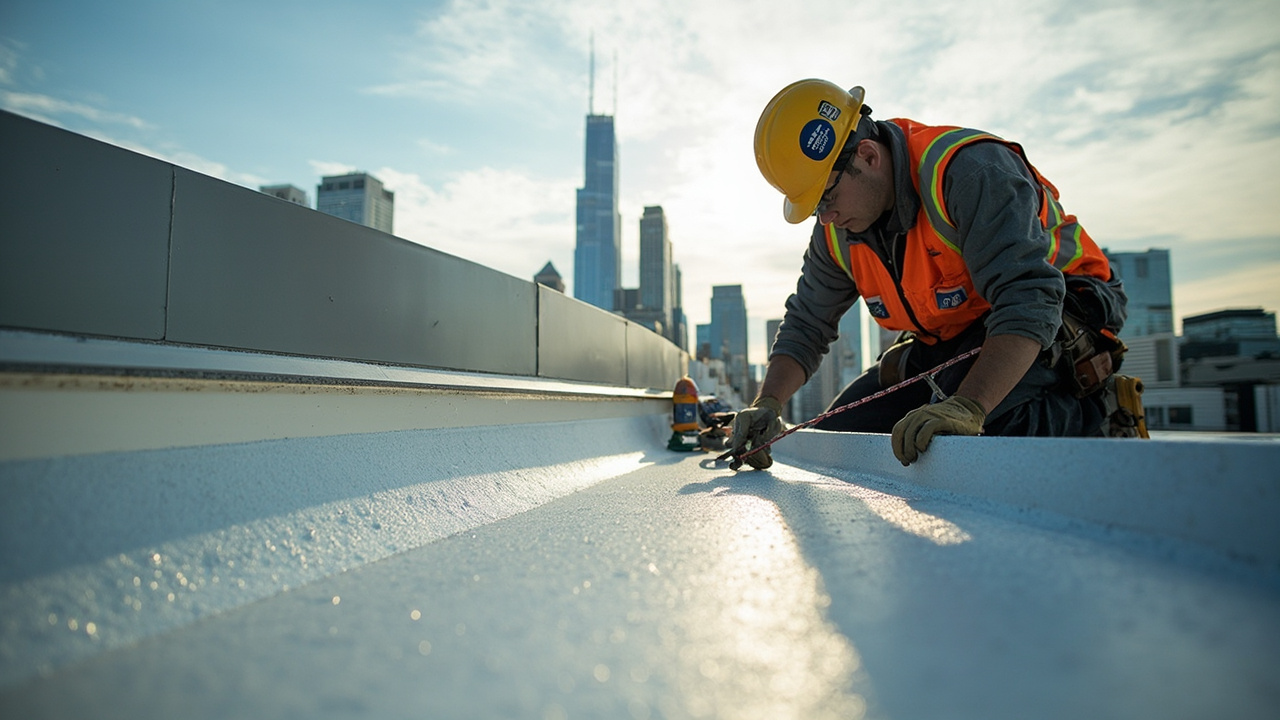
If the substrate is sound, we move to surface preparation. This means power washing to remove dirt and biological growth, then applying a primer coat that bonds to aged EPDM, TPO, or modified bitumen. The primer creates a mechanical bond for the topcoat system.

Next, we apply a fluid-applied membrane or spray polyurethane foam system, depending on your roof's configuration. Fluid-applied membranes work well on complex geometries with multiple penetrations. SPF systems add insulation value and create a monolithic seal with no seams to fail.

We address ponding water with tapered insulation or cricket installations. Ponding accelerates membrane degradation and adds dead load to structural members. Proper drainage is not optional in Chicago, where spring rains can dump two inches in an hour.

Flashing details receive individual attention. We reinforce all transitions, terminations, and penetrations with fabric-reinforced coatings. Most leaks originate at these junctions, not in the field of the roof. We eliminate the weak points before they become emergency calls.

For industrial facilities, we coordinate work around your production schedule. If you run three shifts, we work weekends. If you have temperature-sensitive inventory, we phase the work to maintain climate control. The goal is a watertight envelope with zero interruption to your operations.

What Happens During Your Roof Restoration Project

Flat Roof Repair & Restoration in Chicago | Minimize Downtime with Industrial-Grade Solutions
01

Infrared and Core Testing

We deploy infrared scanning to map moisture intrusion across your roof deck without removing the membrane. Core samples confirm what the thermal imaging suggests. This diagnostic phase determines whether you need isolated repairs, a coating system, or full replacement. You receive a written report with thermal images and core analysis before we quote the work.
02

Surface Prep and Application

After you approve the scope, we pressure wash the roof to remove contaminants, then let it dry completely. We apply primer to ensure adhesion, then install the restoration system in multiple passes. Each coat cures before the next goes down. We work in sections to maintain weather protection throughout the project. All penetrations and transitions receive fabric reinforcement and extra material build.
03

Final Inspection and Documentation

Once the final coat cures, we perform a flood test on all drainage areas and inspect every flashing detail. You receive as-built photos, material certifications, and a maintenance protocol. We document the work for your facilities management team and provide a long-term maintenance schedule to extend the system's lifespan. The roof is returned to full service with zero loose ends.

Why Chicago Commercial Property Managers Choose First Choice Roofing Atlanta

We understand Chicago's commercial roofing environment because we work in it every day. The building codes here are stricter than the International Building Code. Wind uplift requirements in the Loop differ from those in Pilsen or Lincoln Park based on exposure category and building height. We know which systems pass the city's fire rating requirements and which do not.

Our crew is trained on high-rise rigging and fall protection per OSHA 1926 Subpart M. We carry commercial general liability coverage at limits that meet the requirements of most property management firms and REITs. You will not get a change order six weeks into the job because we missed something in the estimate. We scope the work correctly the first time.

We have relationships with local building inspectors and expediters. If your project requires a permit, we pull it and handle the inspections. You do not chase paperwork while your roof leaks.

Most of our commercial work comes from repeat clients. Property managers return because we show up when we say we will, we finish on schedule, and we do not leave a mess. Your tenants will not complain about debris in the parking lot or noise during business hours. We control the job site like professionals.

We also understand your budget cycle. If you need the work done in Q4 to use remaining capital funds, we mobilize quickly. If you prefer to phase the work across multiple fiscal years, we break the scope into logical sections. We adapt to your financial and operational constraints, not the other way around.

Chicago's commercial real estate market is competitive. A roof failure can derail a lease renewal or tank a sale. We treat your roof as the business asset it is.

What to Expect During Your Commercial Roof Restoration

Timeline and Project Scheduling

Most commercial flat roof restorations take two to four weeks, depending on square footage and weather. We provide a detailed schedule before mobilization. If rain delays application, we extend the timeline rather than apply material in bad conditions. We coordinate with your facility team to avoid conflicts with deliveries, tenant events, or peak business periods. You will know exactly when crews arrive, when noisy work happens, and when the roof is back in service. No surprises.

Roof Assessment and Reporting

Our initial assessment includes a walk-through with your facilities manager, infrared scanning, and core sampling. We document existing conditions with photos and thermal images. You receive a written report that explains what we found, what needs repair, and what your options are. We break down the cost difference between a coating system and a full replacement so you can make an informed decision. The report is clear enough to present to ownership or a board.

Finished Roof Performance

A properly restored flat roof performs like a new roof at a fraction of the cost. You gain a seamless, watertight membrane that resists UV degradation, thermal cycling, and ponding water. Energy costs often drop due to improved insulation values and reflective coatings. The roof meets current building code requirements for fire resistance and wind uplift. You eliminate emergency leaks, protect your assets, and extend the roof's service life by 10 to 15 years, depending on the system.

Maintenance Plans and Long-Term Support

We offer annual maintenance agreements for commercial clients. This includes semi-annual inspections, drain cleaning, and minor repairs before they become major problems. You receive a written report after each visit. Preventive maintenance protects your investment and catches small issues early. Many property management firms require documented roof maintenance as part of their asset management protocols. We provide the documentation you need for internal reporting and lender requirements.

Frequently Asked Questions

You Have Questions,
We Have Answers

What is the average cost to repair a flat roof? +

Flat roof repair costs depend on damage extent, membrane type, and building size. Minor patching for ponding water or small tears runs lower than extensive membrane replacement. EPDM, TPO, and modified bitumen systems each carry different price points. Chicago's freeze-thaw cycles often create multiple failure points, increasing scope. Commercial buildings face higher costs due to HVAC penetrations, larger square footage, and code compliance requirements. Structural repairs to decking or insulation add expense. Request a detailed scope breakdown to understand labor, materials, and warranty coverage before approving work.

Is it expensive to repair a flat roof? +

Expense is relative to business continuity risk. A small repair prevents catastrophic interior damage to inventory, equipment, and operations. Delaying repairs in Chicago's harsh winters accelerates membrane deterioration, turning a manageable fix into full replacement. Commercial properties face liability exposure from water intrusion affecting tenants or customers. The real expense is unplanned downtime, emergency rates, and interior remediation costs. Proactive maintenance programs reduce long-term expenditure by catching issues early. Compare repair costs against potential business interruption losses to assess true financial impact.

How often should a flat roof be redone? +

Commercial flat roofs in Chicago require replacement every 15 to 30 years depending on membrane type, installation quality, and maintenance history. TPO systems last 20 to 25 years with proper care. Modified bitumen performs 15 to 20 years. EPDM can reach 25 to 30 years. Chicago's temperature extremes accelerate aging through expansion and contraction cycles. Annual inspections and biannual maintenance extend service life. Heavy snow loads and ponding water shorten lifespan. Track roof age and condition reports to budget replacement before emergency failure disrupts operations.

What is the best way to repair a flat roof? +

The best repair method matches the existing membrane system and failure type. EPDM requires proper surface preparation and compatible adhesives. TPO needs heat-welded seams for permanent bonds. Modified bitumen uses torch-down or cold-applied techniques. Chicago's climate demands repairs that withstand temperature swings and moisture infiltration. Address underlying causes like inadequate drainage or failed flashing, not just symptoms. Professional assessment identifies whether patching, coating, or section replacement provides the most cost-effective solution. Proper repair protocols prevent premature failure and maintain warranty coverage.

Is flat roof repair covered by insurance? +

Coverage depends on damage cause, policy terms, and roof age. Wind damage, hail impact, and sudden storm events typically qualify. Gradual deterioration from deferred maintenance does not. Most commercial policies require proof of regular inspections and upkeep. Chicago's severe weather creates legitimate claims, but insurers scrutinize maintenance records closely. Policies often depreciate coverage after roofs reach certain ages or exclude systems over 20 years old. Document all maintenance, keep inspection reports, and photograph damage immediately. Consult your agent before filing to understand deductibles and coverage limits.

What is the life expectancy of a flat roof? +

Life expectancy ranges from 15 to 30 years based on membrane type and maintenance. EPDM rubber systems reach 25 to 30 years with proper care. TPO membranes last 20 to 25 years. Modified bitumen performs 15 to 20 years. Built-up roofing can hit 25 years. Chicago's freeze-thaw cycles, UV exposure, and heavy snow loads reduce these timeframes without regular maintenance. Poor installation cuts lifespan significantly. Ponding water accelerates degradation. Annual inspections and prompt repairs maximize return on investment by preventing premature replacement needs.

What are signs my flat roof needs replacing? +

Visible signs include ponding water remaining 48 hours after rainfall, membrane blistering or bubbling, exposed seams, and cracking. Interior indicators are water stains on ceilings, mold growth, or musty odors. Check for damaged flashing around penetrations and parapet walls. Soft spots when walking the roof indicate saturated insulation or decking failure. Chicago buildings show accelerated wear near HVAC units and drainage points. Increased heating or cooling costs suggest compromised insulation. Age beyond 20 years warrants replacement consideration regardless of appearance.

What are common flat roof problems? +

Ponding water from inadequate drainage tops the list, causing membrane breakdown and leaks. Chicago's freeze-thaw cycles create thermal stress cracks and seam separation. Poor flashing installation around penetrations allows water infiltration. Blistering occurs when moisture trapped under membranes expands. Punctures from foot traffic or falling debris create immediate leak points. Shrinkage in aging membranes pulls seams apart. Blocked drains and scuppers prevent proper water evacuation. UV degradation weakens membranes over time. HVAC equipment vibration damages surrounding roofing. Regular maintenance catches these issues before they escalate.

What is the cheapest option for a flat roof? +

The cheapest option is targeted patching for isolated damage, but this provides temporary relief, not long-term value. Single-ply membranes like TPO offer the lowest installed cost for replacement while delivering solid performance. Avoid false economy by selecting materials unsuitable for Chicago's climate or cutting corners on drainage correction. The lowest bid often indicates substandard materials or rushed installation. Commercial properties need durable solutions that minimize lifecycle costs and business interruption. Compare total cost of ownership over expected lifespan rather than upfront price alone.

How old may a roof be before insurance claims it's too old? +

Most commercial insurers reduce or eliminate coverage once roofs reach 15 to 20 years old. Policies vary significantly, with some requiring full replacement cost coverage to drop after 10 years. Others implement depreciation schedules that reduce payouts proportionally to roof age. Chicago's harsh climate makes insurers particularly cautious about older systems. Some carriers mandate inspection reports for roofs over 10 years to maintain full coverage. Review your policy annually and discuss options with your agent as your roof ages to avoid claim denial surprises.

How Chicago's Freeze-Thaw Cycle Accelerates Flat Roof Deterioration

Chicago experiences one of the most aggressive freeze-thaw cycles in the country. Water enters small cracks in the membrane or flashing, freezes when temperatures drop overnight, expands by roughly nine percent, and fractures the substrate. This happens 30 to 50 times per winter. By spring, minor defects become structural problems. Low slope roof refurbishment in this climate requires materials that remain flexible at sub-zero temperatures and resist thermal shock when the sun hits the roof at noon in February. Standard materials fail faster here.

Chicago's building codes are among the most stringent in the nation. The city's permitting process requires compliance with Chapter 13-160 of the Municipal Code, which mandates specific R-values, fire ratings, and wind uplift resistance based on building height and exposure. We work with the Department of Buildings regularly and understand the submittal requirements. Our industrial flat roof repair projects pass inspection because we follow the code, not generic best practices. Local expertise eliminates delays and ensures your roof is legally compliant.
Roofing Services in The Chicago Area

Patriot Roofing is proud to be a locally owned and operated business committed to serving our community and the surrounding areas. Our deep understanding of the local climate and architectural styles allows us to provide roofing solutions that are perfectly suited to the unique needs of our clients. We invite you to explore our service area and see why so many residents trust us for all their roofing needs.

Address:
Patriot Roofing Chicago, 2111 S Halsted St, Chicago, IL, 60608

Additional Services We Offer

Our news updates

Latest Articles & News from The Blogs

How to Maintain the Integrity of Steep-Pitched Tudor Roofs in Lincoln Square Steep-pitched Tudor roofs dominate the architectural landscape of…

How to Maintain the Integrity of Steep-Pitched Tudor Roofs in Lincoln Square

How to Maintain the Integrity of Steep-Pitched Tudor Roofs in Lincoln Square Steep-pitched Tudor roofs dominate the architectural landscape of…

Dealing with Extra Wear and Tear on Hegewisch Roofs Near Industrial Areas

Dealing with Extra Wear and Tear on Hegewisch Roofs Near Industrial Areas If you live in Hegewisch near Chicago’s industrial…

The Benefits of Investing in Impact-Resistant Shingles for Your Austin Neighborhood Home

The Benefits of Investing in Impact-Resistant Shingles for Your Austin Neighborhood Home Chicago’s location in the Midwest makes it particularly…

Contact Us

Call First Choice Roofing Atlanta at (773) 599-7055 to schedule your roof assessment. We provide written reports, transparent pricing, and work that does not disrupt your operations. Your roof is a business asset. Treat it like one.