
The Right Way to Seal Roof Leaks Around Solar Panels in Skokie
When water starts dripping from your ceiling and you notice it’s right beneath your solar array, panic sets in fast. The combination of electrical equipment and roof damage creates a dangerous situation that needs immediate attention. In Skokie’s climate, where heavy snow loads and freeze-thaw cycles are common, solar panel roof leaks require specialized knowledge that goes beyond basic roofing repairs. Is Solar Roofing Worth the Investment for Homes in Evanston?.
Roof leaks around solar panels happen when the mounting hardware penetrates your roofing material. These penetrations create potential entry points for water, especially when flashing fails or sealant deteriorates. The problem becomes more complex because the solar array often needs to be partially removed to access and repair the underlying roof damage properly.
The first 48 hours after discovering a leak are critical. Water continues to spread through your home’s structure, potentially causing thousands of dollars in damage to insulation, drywall, and electrical systems. The presence of solar panels adds another layer of complexity since improper removal or reinstallation can void warranties or create safety hazards.
Common Causes of Solar-Related Roof Leaks
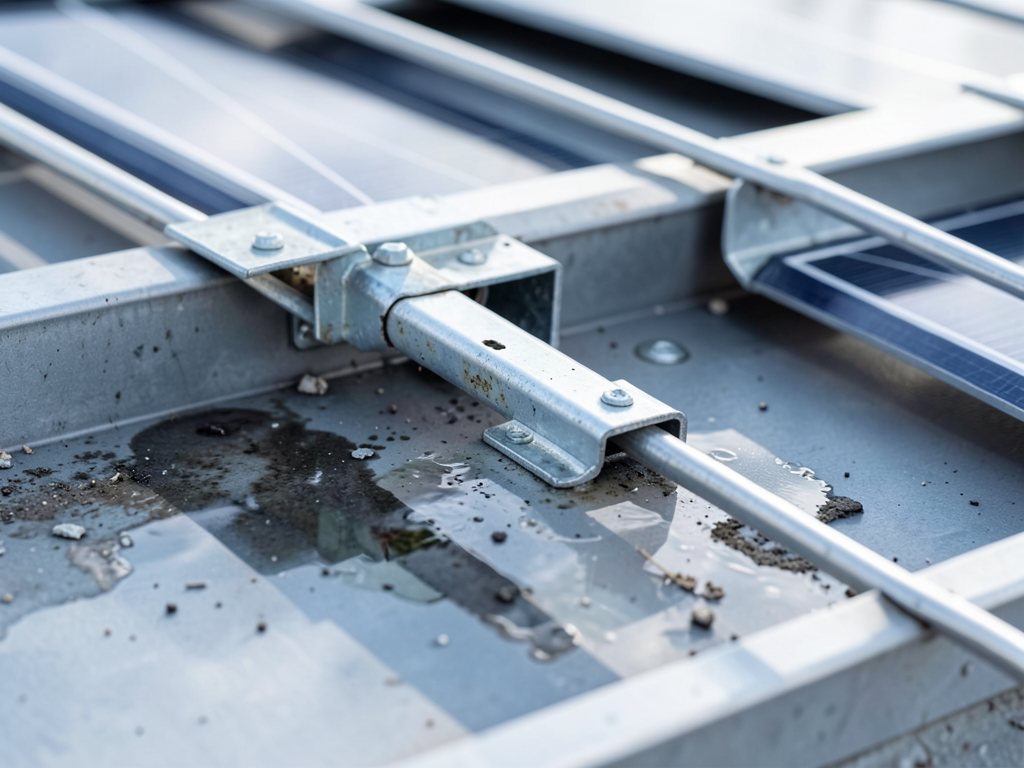
Most solar panel roof leaks stem from three main issues: failed flashing, over-torqued mounting bolts, and debris accumulation. Flashing acts as the primary water barrier where mounting brackets penetrate the roof surface. When this metal or rubber material degrades from UV exposure or thermal cycling, water finds its way through the gaps.
Over-torqued lag bolts create their own problems. When installers tighten mounting hardware too aggressively, they can crack shingles or create gaps in the roofing substrate. The pressure from these bolts changes with temperature as metal expands and contracts, eventually breaking the seal around the penetration point.
Debris buildup under solar panels creates a perfect environment for water retention. Leaves, pine needles, and dirt collect in the channels between panels and the roof surface. During Skokie’s rainy seasons, this debris holds moisture against the roof, accelerating deterioration of both the roofing material and the sealant around mounting points.
Squirrels and birds nesting under panels can also damage roofing materials. They create entry points for water and may chew through wiring or flashing components. The enclosed space beneath solar arrays provides shelter from predators, making it an attractive nesting site for local wildlife.
The Chicago Factor: Snow Loads and Ice Dams
Skokie’s climate creates unique challenges for solar installations. Heavy snow accumulation adds significant weight to roof structures, sometimes exceeding the design loads that solar racking systems were rated for. When snow sits on panels, it can also accumulate underneath the array, creating ice dams that force water upward under shingles.
Freeze-thaw cycles are particularly damaging to roof penetrations. Water seeps into tiny gaps around mounting hardware, then expands when it freezes. This expansion can crack sealant, separate flashing from the roof surface, and create larger openings for water intrusion. The process repeats with each temperature fluctuation, gradually worsening the leak.
Ice damming specifically affects solar arrays because the panels create channels where snow and ice can accumulate. The dark surface of solar panels absorbs heat from the sun, melting snow that then refreezes at the panel edges. This creates ice barriers that trap water on the roof surface, forcing it under shingles and through any available gaps.
Wind-driven rain in Skokie can also exploit weaknesses around solar mounts. When wind blows rain horizontally, it can drive water into gaps that would normally remain dry. The aerodynamic effect of solar panels can actually increase wind pressure on certain areas of the roof, potentially lifting shingles or flashing away from their seals.
How to Identify the Source: Solar vs. Roofing Failure
Determining whether your leak originates from the solar installation or existing roof damage requires careful inspection. Start by examining the pattern of water entry. Solar-related leaks typically appear directly beneath mounting points or along the edges of the array where panels meet the roof.
Check the age of your roof compared to your solar installation. If your roof was already 10-15 years old when panels were installed, the leak might be from normal aging rather than solar-related damage. Most asphalt shingle roofs in Skokie last 20-25 years under ideal conditions, but heavy weather can reduce that lifespan significantly. Getting Your Flat Roof Ready for a Chicago Winter in Wicker Park.
Look for visible signs of sealant failure around mounting brackets. Cracked, missing, or discolored sealant indicates water has been entering through those points. You might notice water stains on the ceiling that align with specific mounting locations, suggesting the leak follows the path of the mounting hardware through the roof structure.
Attic inspection can reveal critical information. Use a flashlight to check for moisture around roof penetrations. If you see water trails leading from specific mounting points, that’s a strong indicator of solar-related leaks. However, if moisture appears randomly throughout the attic, the issue might be with the overall roof condition rather than the solar installation.
Consider the timing of the leak. Did it start shortly after solar installation, or has it been a gradual problem that worsened over time? Sudden leaks after installation often indicate improper mounting or flashing, while gradual leaks might result from normal wear and tear on aging roofing materials.
The Repair Process: Detach and Reset Services
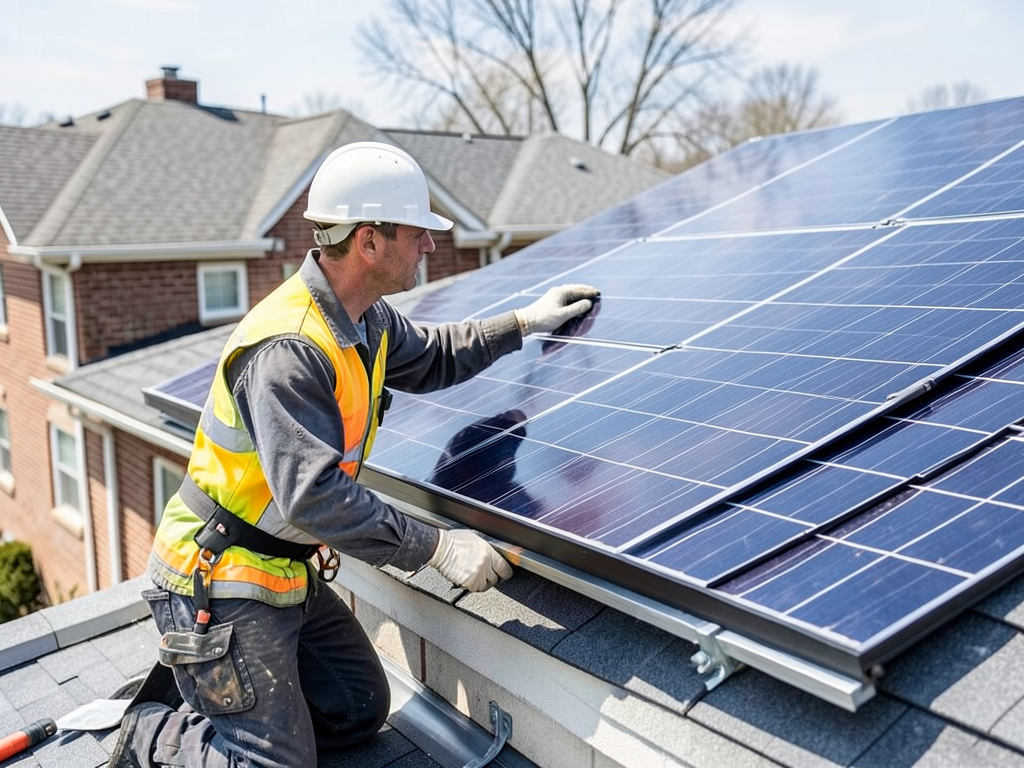
Properly repairing a solar-related roof leak typically requires removing at least some of the solar panels. This process, called detach and reset, involves carefully uninstalling the affected panels, repairing the underlying roof damage, then reinstalling the solar array. Attempting repairs without panel removal often leads to incomplete fixes and recurring leaks.
The detach and reset process starts with documenting the current panel layout and electrical connections. Professional solar technicians photograph the arrangement and label all wiring to ensure proper reinstallation. They also test the electrical system before removal to establish baseline performance metrics. Extending the Life of Your Flat Roof in Hyde Park with Professional Coating.
Once panels are safely removed, roofing specialists can access the damaged areas. This might involve replacing damaged shingles, installing new flashing, or applying specialized sealants designed for solar applications. The repair work must account for the specific mounting hardware being used, as different systems require different sealing approaches.
After repairs are complete, panels are reinstalled following manufacturer specifications. This includes proper torque settings for mounting bolts, correct placement of flashing, and application of appropriate sealants. The electrical connections are then restored, and the system is tested to ensure it’s functioning properly.
The entire process typically takes 2-3 days, depending on the extent of the damage and the size of the solar array. During this time, your home’s solar power generation is offline, so you’ll need to rely on grid power or battery storage if you have it installed.
Cost Estimates for Solar Roof Repairs in Chicago
Repairing solar-related roof leaks in the Chicago area typically costs between $1,500 and $4,000, depending on the extent of the damage and the complexity of the solar array. Simple flashing repairs might cost as little as $800, while extensive damage requiring multiple panel removals can exceed $5,000.
Panel removal and reinstallation services usually cost $300-500 per panel. Most residential solar arrays have 20-30 panels, so the labor for just removing and reinstalling the array can range from $6,000 to $15,000. This cost is separate from any roofing repairs needed beneath the panels.
Additional costs may include replacing damaged shingles ($2-5 per square foot), installing new flashing ($15-25 per linear foot), or applying specialized sealants ($50-100 per tube). If structural damage to the roof deck is discovered, that could add $500-2,000 to the total repair cost.
Insurance coverage varies significantly. Some policies cover solar-related roof damage if it’s caused by a covered peril like wind or hail. However, many exclude damage from normal wear and tear or improper installation. You’ll need to review your specific policy details and potentially file a claim to determine coverage.
Warranty considerations also affect costs. If your solar panels are still under manufacturer warranty, the company might cover removal and reinstallation costs. However, roofing warranties are often voided by solar installations, so you may need to pay for roof repairs out of pocket.
Frequently Asked Questions
Will fixing the roof leak void my solar warranty?
Not if the work is done properly by qualified professionals. Most solar manufacturers require that any roof work around their equipment be performed by certified technicians who follow specific procedures. Using improper techniques or unlicensed contractors can void warranties, but professional repairs following manufacturer guidelines should maintain your coverage.
How long does it take to repair a solar-related roof leak?
The complete repair process typically takes 2-5 days, depending on weather conditions and the extent of the damage. Panel removal usually takes 4-6 hours, roof repairs might require 1-2 days to complete, and reinstallation plus testing takes another 4-6 hours. Weather delays are common in Chicago, especially during winter months.
Can I just seal the leak without removing the panels?
While this might seem like a quick fix, it rarely works long-term. Water often travels along rafters or through insulation before becoming visible inside your home, so the actual entry point might be several feet away from where you see the damage. Professional inspection and proper repair, including panel removal when necessary, provides the best chance for a permanent solution.
Should I call a roofer or a solar company first?
Start with a roofing specialist who has experience with solar installations. They can properly diagnose whether the leak is roof-related or solar-related, and they typically have relationships with solar companies for the detach and reset process. Solar companies usually don’t have roofing expertise, so they might miss underlying roof damage that needs attention.
Will my insurance cover solar panel removal for roof repairs?
Coverage depends on your specific policy and the cause of the damage. If the leak results from a covered peril like storm damage, your insurance might cover both the roof repairs and the associated solar panel removal costs. However, damage from normal wear and tear or improper installation is typically not covered. Check with your insurance provider about your specific coverage.
Preventing Future Solar Roof Leaks
Regular maintenance can prevent many solar-related roof leaks before they start. Schedule annual inspections of both your roof and solar array, especially after severe weather events. Look for signs of sealant deterioration, flashing damage, or debris accumulation under panels. Early detection of potential problems can save thousands in repair costs.
Keep the area under your solar panels clean and free of debris. Use a leaf blower or soft brush to remove leaves, twigs, and dirt that can trap moisture against your roof. Pay special attention to the valleys and channels where panels meet the roof surface, as these areas are most prone to debris accumulation.
Monitor your roof’s condition as it ages. Most asphalt shingle roofs need replacement every 20-25 years, but solar panels can extend that timeline by protecting the underlying materials from UV exposure. However, once your roof reaches 15-20 years old, start planning for eventual replacement to avoid emergency repairs later. What to Do When You Have a Roof Leak Emergency in Logan Square.
Consider installing snow guards if you live in an area with heavy snowfall. These devices prevent snow from sliding off your roof in large sheets, which can damage both your roof and your solar panels. They also help distribute snow loads more evenly across your roof structure.
Document all maintenance and repairs performed on your solar installation. Keep records of inspections, cleaning, and any repairs made to the mounting hardware or roofing around the panels. This documentation can be valuable for warranty claims and can help identify patterns that might indicate developing problems.
Choosing the Right Contractor for Solar Roof Repairs
Not all roofing contractors have experience with solar installations, and not all solar companies understand roofing systems. Look for contractors who specialize in both areas or who have established relationships with solar installation companies. They should be familiar with local building codes, manufacturer specifications, and proper sealing techniques for solar roof penetrations.
Ask potential contractors about their experience with detach and reset services. They should be able to explain the complete process, including how they’ll protect your solar equipment during removal, how they’ll ensure proper waterproofing after repairs, and how they’ll test the system after reinstallation. Experience with your specific solar panel brand is also valuable.
Verify that contractors carry appropriate insurance coverage, including liability insurance and workers’ compensation. Solar-related roof work involves working at heights and handling electrical equipment, so proper insurance protection is essential. Ask for proof of insurance and check that it’s current and adequate for the scope of work.
Get detailed written estimates that outline the scope of work, materials to be used, and timeline for completion. The estimate should specify whether panel removal is included, what type of flashing and sealants will be used, and how the work area will be protected during the repair process. Avoid contractors who provide vague or verbal estimates only.
Check references and online reviews, paying special attention to feedback about solar-related work. Look for comments about the contractor’s ability to coordinate with solar companies, their knowledge of electrical safety around solar equipment, and their success in preventing recurring leaks after repairs.
Emergency Response for Active Roof Leaks
If you discover an active leak during a storm, take immediate steps to minimize damage. Place buckets or containers under the leak to catch water, and move furniture and valuables away from the affected area. If water is pooling on the floor, use towels or mops to prevent it from spreading to adjacent rooms.
Document the leak with photos and videos, showing the water entry point and any visible damage. This documentation can be valuable for insurance claims and can help contractors understand the extent of the problem before they arrive. Note the time and date of your discovery, as this information may be relevant for warranty claims.
Avoid climbing on your roof or attempting to access solar panels during active leaks, especially in wet or icy conditions. The combination of water, electricity, and heights creates significant safety hazards. Instead, focus on containing interior damage and contacting professional help as soon as weather conditions permit safe roof access.
Many roofing contractors offer emergency tarping services to temporarily seal leaks until permanent repairs can be made. This service typically costs $200-500 but can prevent thousands in additional water damage. Ask about emergency services when you call for help, and be prepared to describe the severity and location of the leak.
Keep contact information for both roofing and solar professionals readily available. Store these numbers in your phone and keep a written copy in case of power outages. Having this information accessible can save valuable time when dealing with active leaks, especially during severe weather events common to the Chicago area.
Understanding Your Warranty Coverage
Solar panel warranties typically cover manufacturing defects and performance issues, but they rarely cover damage caused by roof leaks or improper installation. Most manufacturers offer 25-year performance warranties that guarantee a certain percentage of original power output, but these warranties exclude damage from external factors like weather or roof deterioration.
Roofing warranties present a more complex situation. Many roofing manufacturers void warranties when solar panels are installed because the mounting hardware penetrates the roofing material. However, some companies offer enhanced warranties that specifically cover solar installations, though these often come at an additional cost and may require using certified installers.
Homeowner’s insurance policies vary widely in their coverage of solar-related roof damage. Some policies treat solar panels as part of the home’s structure and cover damage from covered perils like storms or falling trees. Others may exclude solar-related damage entirely or require separate solar system coverage. Review your policy carefully and ask your insurance agent about specific coverage details.
Manufacturer installation warranties for solar systems typically last 5-10 years and cover workmanship issues. If your leak appears to result from improper installation, this warranty might cover repair costs. However, proving that installation errors caused the leak can be challenging, especially if significant time has passed since the original installation.
Documentation is crucial for warranty claims. Keep all receipts, inspection reports, and maintenance records related to your solar installation and roof. Take photos of any damage as soon as you discover it, and contact the appropriate warranty provider immediately to start the claims process. Many warranties have strict time limits for reporting issues.
Long-term Solutions for Chicago Homeowners
For Chicago homeowners dealing with recurring solar-related roof leaks, long-term solutions might involve upgrading your roofing system or modifying your solar installation. Metal roofing systems, for example, offer superior durability and better sealing options for solar mounts compared to traditional asphalt shingles. While the upfront cost is higher, metal roofs can last 50+ years with minimal maintenance. Why More Naperville Homeowners are Switching to Metal Roofing This Year.
Consider upgrading your solar mounting hardware if you’re experiencing repeated leaks. Newer mounting systems use improved flashing designs and sealing technologies that provide better long-term protection against water intrusion. Some systems use non-penetrating mounting options that distribute weight across the roof surface without creating individual penetration points.
Roof coatings can extend the life of your existing roof and improve its ability to seal around solar mounts. These specialized coatings create a seamless membrane that can bridge small gaps and provide additional protection against water intrusion. However, not all coatings are compatible with solar installations, so consult with both your roofer and solar provider before applying any products.
Regular monitoring and maintenance become even more critical as your roof and solar system age. Consider installing moisture sensors in your attic that can alert you to developing leaks before they cause visible interior damage. These systems can provide early warning of problems, allowing you to address issues before they require extensive repairs.
Finally, when it’s time to replace your roof, consider doing it before your solar panels reach the end of their useful life. This allows you to install a new roof properly integrated with your solar array, potentially avoiding many of the leak issues that plague older installations. While this requires a significant upfront investment, it can provide decades of trouble-free performance.
Roof leaks around solar panels don’t have to be a recurring nightmare. With proper diagnosis, professional repairs, and ongoing maintenance, you can protect both your roof and your solar investment for years to come. The key is addressing problems quickly and working with contractors who understand the unique challenges of solar roof integrations in Chicago’s demanding climate.
Don’t let a small leak turn into a major disaster. Call (773) 599-7055 today to schedule your professional inspection and get your solar roof back to peak performance. Our experienced team understands the unique challenges of Chicago weather and solar installations, and we’re ready to help you solve your roof leak problems once and for all.
Additional Resources
For more information about solar roof maintenance and repair, visit these authoritative sources:
- EPA Solar Energy Systems Information
- National Renewable Energy Laboratory Solar Research
- International Association of Certified Home Inspectors Solar Panel Guidelines
Remember, quick action is essential when dealing with roof leaks. The longer you wait, the more extensive and expensive the damage becomes. Contact us today to protect your home and your solar investment.
Call (773) 599-7055 now for emergency service or to schedule your inspection.
Don’t wait for the next storm to make your problem worse. Our team is standing by to help Skokie homeowners solve their solar roof leak issues quickly and effectively.
You may also find this helpful. Fixing a Leaky Skylight in Your Bolingbrook Home Without Replacing the Whole Thing.
{
“@context”: “https://schema.org”,
“@type”: “BlogPosting”,
“headline”: “The Right Way to Seal Roof Leaks Around Solar Panels in Skokie”,
“description”: “Expert guide to fixing solar panel roof leaks in Skokie. Learn about flashing failures, ice dam risks, and proper detach-and-reset repairs from local roofing specialists.”,
“wordCount”: 3268,
“datePublished”: “2026-06-12T13:01:00.000Z”,
“dateModified”: “2026-06-12T13:01:00.000Z”,
“inLanguage”: “en-US”,
“mainEntityOfPage”: {
“@type”: “WebPage”,
“@id”: “https://patriotroofingchicago.com”
},
“publisher”: {
“@type”: “LocalBusiness”,
“name”: “Patriot Roofing Chicago”,
“url”: “https://patriotroofingchicago.com”
},
“author”: {
“@type”: “Organization”,
“name”: “Patriot Roofing Chicago”,
“url”: “https://patriotroofingchicago.com”
},
“image”: {
“@type”: “ImageObject”,
“url”: “https://patriotroofingchicago.com/wp-content/uploads/2026/03/the-right-way-to-seal-roof-leaks-around-solar-pane-1.png”
}
}
{
“@context”: “https://schema.org”,
“@type”: “RoofingContractor”,
“name”: “Patriot Roofing Chicago”,
“url”: “https://patriotroofingchicago.com”,
“address”: {
“@type”: “PostalAddress”,
“addressLocality”: “Chicago”
},
“areaServed”: {
“@type”: “City”,
“name”: “Chicago”
}
}
{
“@context”: “https://schema.org”,
“@type”: “FAQPage”,
“mainEntity”: [
{
“@type”: “Question”,
“name”: “Will fixing the roof leak void my solar warranty?”,
“acceptedAnswer”: {
“@type”: “Answer”,
“text”: “Not if the work is done properly by qualified professionals. Most solar manufacturers require that any roof work around their equipment be performed by certified technicians who follow specific procedures. Using improper techniques or unlicensed contractors can void warranties, but professional repairs following manufacturer guidelines should maintain your coverage.”
}
},
{
“@type”: “Question”,
“name”: “How long does it take to repair a solar-related roof leak?”,
“acceptedAnswer”: {
“@type”: “Answer”,
“text”: “The complete repair process typically takes 2-5 days, depending on weather conditions and the extent of the damage. Panel removal usually takes 4-6 hours, roof repairs might require 1-2 days to complete, and reinstallation plus testing takes another 4-6 hours. Weather delays are common in Chicago, especially during winter months.”
}
},
{
“@type”: “Question”,
“name”: “Can I just seal the leak without removing the panels?”,
“acceptedAnswer”: {
“@type”: “Answer”,
“text”: “While this might seem like a quick fix, it rarely works long-term. Water often travels along rafters or through insulation before becoming visible inside your home, so the actual entry point might be several feet away from where you see the damage. Professional inspection and proper repair, including panel removal when necessary, provides the best chance for a permanent solution.”
}
},
{
“@type”: “Question”,
“name”: “Should I call a roofer or a solar company first?”,
“acceptedAnswer”: {
“@type”: “Answer”,
“text”: “Start with a roofing specialist who has experience with solar installations. They can properly diagnose whether the leak is roof-related or solar-related, and they typically have relationships with solar companies for the detach and reset process. Solar companies usually don’t have roofing expertise, so they might miss underlying roof damage that needs attention.”
}
},
{
“@type”: “Question”,
“name”: “Will my insurance cover solar panel removal for roof repairs?”,
“acceptedAnswer”: {
“@type”: “Answer”,
“text”: “Coverage depends on your specific policy and the cause of the damage. If the leak results from a covered peril like storm damage, your insurance might cover both the roof repairs and the associated solar panel removal costs. However, damage from normal wear and tear or improper installation is typically not covered. Check with your insurance provider about your specific coverage.”
}
}
]
}
{
“@context”: “https://schema.org”,
“@type”: “BreadcrumbList”,
“itemListElement”: [
{
“@type”: “ListItem”,
“position”: 1,
“name”: “Home”,
“item”: “https://patriotroofingchicago.com”
},
{
“@type”: “ListItem”,
“position”: 2,
“name”: “Blog”,
“item”: “https://patriotroofingchicago.com/blog”
},
{
“@type”: “ListItem”,
“position”: 3,
“name”: “The Right Way to Seal Roof Leaks Around Solar Panels in Skokie”
}
]
}
{
“@context”: “https://schema.org”,
“@type”: “Service”,
“serviceType”: “Roofing”,
“provider”: {
“@type”: “LocalBusiness”,
“name”: “Patriot Roofing Chicago”,
“url”: “https://patriotroofingchicago.com”
},
“areaServed”: {
“@type”: “City”,
“name”: “Chicago”
},
“description”: “Expert guide to fixing solar panel roof leaks in Skokie. Learn about flashing failures, ice dam risks, and proper detach-and-reset repairs from local roofing specialists.”
}