
menu

Roofing Financing Options in Chicago | Flexible Payment Plans for New Roof Projects

Access roofing financing options that fit your budget, from zero-down payment plans to low-interest roof loans designed for Chicago homeowners facing unexpected roof replacement costs.

Slider Image 1
Slider Image 2
Slider Image 3
Slider Image 4
Slider Image 5
Slider Image 7
Slider Image 8
Slider Image 9
Slider Image 10
Slider Image 11

Why Chicago Homeowners Need Flexible Roofing Payment Plans

A new roof in Chicago can cost between $8,000 and $30,000 depending on your home's size and materials. The average homeowner does not have that sitting in savings, especially when storm damage, ice dam failures, or sudden leaks force you to act fast.

Chicago's freeze-thaw cycles hit roofs harder than most climates. Water seeps into small cracks, freezes overnight, expands, and cracks shingles wider. One winter can turn a minor repair into a full tear-off. When that happens in January and your attic is collecting snow, you need options that do not drain your emergency fund.

Roof replacement financing gives you a path forward without the panic. You can protect your home now and spread the cost over months or years. Financing a new roof means you stop the water damage before it reaches your drywall, insulation, or electrical systems. Delaying a roof replacement to save up often costs more in secondary damage than the financing interest ever will.

New roof financing options have evolved. You are not limited to home equity loans that take weeks to process. Roofing payment plans now include same-day approvals, zero-interest promotional periods, and fixed monthly payments that fit into household budgets. Whether you are dealing with insurance claim gaps, deductible shortfalls, or a roof that failed outside of storm season, roof loans make it possible to act immediately instead of waiting until the problem gets worse.

The key is understanding which financing structure works for your situation. Not all roof replacement financing is equal.

Why Chicago Homeowners Need Flexible Roofing Payment Plans
How Roofing Financing Programs Work in Chicago

How Roofing Financing Programs Work in Chicago

Roofing payment plans fall into three main categories. Each serves a different financial situation.

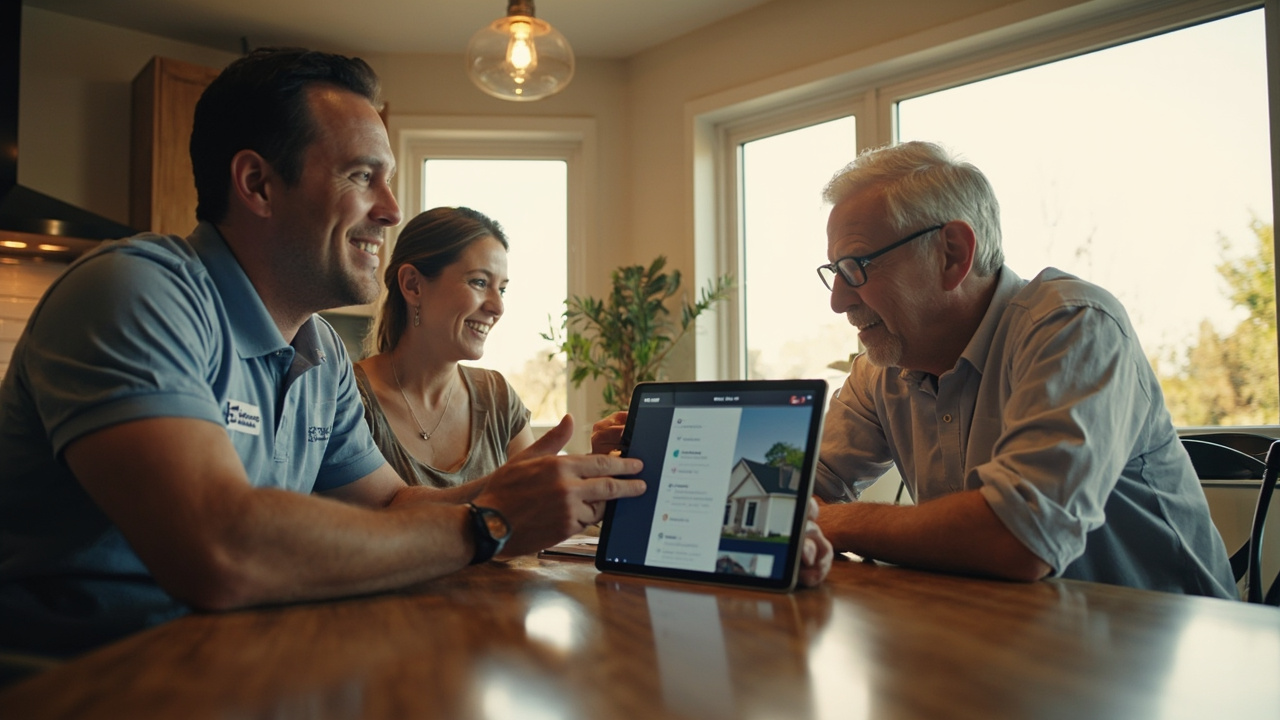
Contractor-facilitated financing is the fastest option. You apply through the roofing company, often getting approval within hours. These programs partner with third-party lenders who specialize in home improvement loans. The contractor submits your project scope, the lender evaluates your credit, and you receive a decision before the tear-off crew arrives. Interest rates range from zero percent for promotional periods to fixed rates for longer terms. The advantage is speed and simplicity. The contractor coordinates everything.

Home equity lines of credit offer lower interest rates if you have significant equity and time to wait. A HELOC uses your home as collateral, which reduces lender risk and your interest rate. The downside is the approval process takes longer, often two to four weeks. If your roof is leaking today, a HELOC will not stop the water before it damages your ceiling joists.

Credit cards with promotional zero-percent APR periods work for smaller projects or partial financing. If your roof replacement costs $15,000 and you have a card with a $10,000 limit and 18 months interest-free, you can cover a significant portion without interest charges. Pay it off before the promotional period ends, or you will face retroactive interest on the remaining balance.

Patriot Roofing Chicago works with multiple financing partners to give you options. We do not push one lender. We explain the terms, the monthly payment scenarios, and the total cost so you can make the decision that fits your household. Transparency matters when you are committing to years of payments.

Your Path to Approved Roof Financing

Roofing Financing Options in Chicago | Flexible Payment Plans for New Roof Projects
01

Application and Credit Review

You complete a short application online or over the phone. The lender pulls your credit report and evaluates your debt-to-income ratio. Most lenders require a minimum credit score of 620 for approval, though some programs accept lower scores with higher interest rates. You receive a decision within minutes to 24 hours depending on the lender. Approval comes with a credit limit and interest rate specific to your financial profile.
02

Loan Terms and Payment Structure

Once approved, you review the loan terms. This includes the interest rate, repayment period, monthly payment amount, and any origination fees. Promotional zero-interest periods typically last 12 to 18 months. Standard loans range from three to ten years. Longer terms reduce monthly payments but increase total interest paid. You choose the structure that balances affordability with total cost. The lender funds the project once you sign the agreement.
03

Project Completion and Repayment

The contractor completes your roof replacement. The lender pays the contractor directly or deposits funds into your account depending on the program. You begin making monthly payments according to the agreed schedule. Most lenders allow early payoff without penalties, which saves on interest if your financial situation improves. You receive monthly statements and can manage payments through online portals or automatic bank withdrawals for convenience.

Why Patriot Roofing Chicago Makes Financing Simple

Financing a roof replacement should not feel like applying for a mortgage. Patriot Roofing Chicago streamlines the process by partnering with lenders who specialize in home improvement projects and understand the urgency of roof failures.

We work with homeowners across Chicago's North Side, South Side, and surrounding suburbs. We have seen how quickly roof damage escalates in this climate. A small leak in Rogers Park can turn into a $5,000 mold remediation bill if you wait three months to replace the roof. A missing shingle in Lincoln Park exposes the underlayment to ice dams that peel back entire sections of decking. Financing removes the barrier between you and a watertight roof.

Our estimators provide detailed quotes that break down material costs, labor, disposal fees, and any structural repairs needed for damaged decking or fascia. When you apply for financing, the lender sees exactly what they are funding. No surprises. No inflated numbers. This transparency improves approval rates because lenders trust the project scope.

Chicago's building codes require permits for roof replacements. We handle the permit process, which includes submitting plans to the city and scheduling inspections. Lenders want to see permitted work because it protects their investment. An unpermitted roof replacement can create title issues if you sell your home, and lenders will not fund projects that create legal complications.

We also understand insurance claims. If your roof was damaged by wind or hail, your insurance covers most of the cost. Financing can cover your deductible or the gap between the insurance payout and the actual replacement cost. We work with adjusters to document damage and justify the claim, which maximizes your payout and minimizes what you need to finance.

What to Expect from Roofing Financing Programs

Approval Speed and Fund Availability

Most contractor-facilitated financing programs provide approval decisions within 24 hours. Some lenders offer instant approvals for borrowers with strong credit profiles. Once approved, funds typically become available within two to five business days. This allows you to schedule your roof replacement immediately instead of waiting weeks for bank processing. If you are dealing with active leaks or storm damage, this speed prevents further interior damage. Emergency approvals are available for situations where delays would cause significant property damage or safety risks.

Credit Requirements and Qualification Factors

Lenders evaluate your credit score, income stability, and existing debt obligations. A credit score above 680 qualifies you for the best interest rates and promotional zero-interest periods. Scores between 620 and 680 still qualify but at higher rates. Some lenders work with scores below 620 using alternative underwriting that considers payment history on utilities and rent. You will need to verify income through pay stubs or tax returns. Self-employed borrowers can use bank statements. Debt-to-income ratios above 43 percent may require larger down payments or co-signers.

Interest Rates and Total Cost Analysis

Promotional financing offers zero percent interest for 12 to 18 months if you pay the balance in full before the period ends. Miss that deadline and you pay retroactive interest on the original balance at rates between 17 and 25 percent. Standard fixed-rate loans range from 6 to 15 percent depending on credit quality and loan term. A $15,000 roof financed at 8 percent over five years costs roughly $304 per month and $3,240 in total interest. Over ten years, the monthly payment drops to $182 but total interest climbs to $6,840. Calculate the total cost, not just the monthly payment.

Loan Servicing and Payment Management

Once your loan is active, you receive monthly statements via mail or email. Most lenders provide online portals where you can view your balance, payment history, and payoff amount. Automatic payments through bank drafts prevent missed payments and late fees. Some lenders offer payment date flexibility if your income is irregular. Prepayment penalties are rare in home improvement financing, so you can pay extra toward principal whenever possible. Contact your lender immediately if you anticipate payment difficulties. Many offer hardship programs that temporarily reduce payments or defer due dates during financial emergencies.

Frequently Asked Questions

You Have Questions,
We Have Answers

How to pay for a roof when you can't afford it? +

If you cannot afford a roof replacement upfront, explore financing options tailored to Chicago homeowners. Many roofing contractors offer in-house payment plans with flexible monthly terms. Home improvement loans through banks or credit unions provide another route. Personal loans and home equity lines of credit can cover immediate costs. Some lenders specialize in zero-interest promotions for qualified borrowers. Check if your roof damage qualifies for insurance claims, especially after Chicago's harsh winter storms or high winds. Local contractors often partner with financing companies to streamline approvals and get your roof replaced quickly without draining savings.

What is the best option for financing a new roof? +

The best financing option depends on your credit score and equity. Home equity loans or HELOCs offer lower interest rates because your Chicago property secures the loan. If you lack equity, contractor-arranged financing through platforms like GreenSky or Synchrony provides fast approval with competitive terms. Personal loans work for smaller projects but carry higher rates. For Chicago homeowners with strong credit, zero-percent promotional financing can eliminate interest if paid within the term. Compare annual percentage rates, repayment periods, and penalties. Always read the fine print and ensure monthly payments fit your budget before signing.

Can you do a payment plan on a roof? +

Yes, many roofing contractors in Chicago offer payment plans directly. These in-house financing arrangements split the total cost into manageable monthly installments. Terms vary by contractor, but some provide interest-free periods for qualified customers. Payment plans simplify budgeting and let you address roof damage immediately without waiting to save cash. Approval is often faster than traditional bank loans. Discuss your financial situation upfront and ask about down payment requirements, interest rates, and repayment timelines. Confirm all terms in writing before work begins to avoid surprises.

Can you get a payment plan for a new roof? +

Yes, payment plans for roof replacements are common in Chicago. Contractors partner with third-party lenders or offer direct financing to spread costs over months or years. These plans make expensive repairs accessible without upfront cash. Interest rates and terms depend on creditworthiness and the lender. Some contractors provide promotional financing with deferred interest if balances are paid within a set timeframe. Ask your roofer about available options during the estimate process. Compare rates, monthly payments, and penalties to find a plan that aligns with your financial situation and timeline.

How to replace a roof with no money? +

Replacing a roof with no money requires creative financing. Apply for a home equity loan or HELOC if you have property equity. Personal loans or credit cards with introductory zero-percent APR can cover costs temporarily. Some Chicago-area contractors offer deferred payment plans or low-interest financing for approved applicants. Explore government grants or weatherization programs for low-income homeowners. File an insurance claim if storm damage caused the failure. Community development financial institutions sometimes offer affordable loans for home repairs. Act quickly to prevent further water damage, which worsens costs and complicates financing options.

How old may a roof be before insurance claims it's too old? +

Most insurance companies in Chicago consider roofs over 20 years old too aged for full replacement coverage. Policies shift from replacement cost to actual cash value, deducting depreciation from payouts. After severe weather, insurers may deny claims if the roof exceeded its expected lifespan before damage occurred. Asphalt shingles typically last 20 to 25 years in Chicago's freeze-thaw climate, while metal roofs extend beyond 40 years. Review your policy annually and document roof maintenance. If your roof approaches 15 years, budget for replacement to avoid coverage gaps during storm season.

How to get money to replace a roof? +

Get money for roof replacement through home equity loans, personal loans, or contractor financing. Chicago homeowners with equity can borrow against their property at lower rates. Credit unions and banks offer home improvement loans with fixed terms. Many roofing contractors provide in-house payment plans or partner with lenders for fast approvals. File an insurance claim if storm damage caused the need. Government programs and nonprofit grants assist low-income households. Compare interest rates, repayment terms, and fees before committing. Act quickly to prevent leaks from damaging interiors, which increases total repair costs.

Is a new roof tax deductible in the IRS? +

A new roof is not tax deductible for personal residences under current IRS rules. Roof replacements are considered capital improvements, not deductible expenses. However, they increase your home's cost basis, reducing capital gains tax if you sell. For rental properties or home offices, you may depreciate roof costs over 27.5 years. Energy-efficient roofing materials sometimes qualify for federal tax credits under specific programs. Check IRS guidelines or consult a tax professional to confirm eligibility. Chicago homeowners should retain receipts and invoices for potential future deductions or credits.

What is the Cool Roof Rebate Act? +

The Cool Roof Rebate Act is proposed federal legislation offering tax credits for reflective roofing materials that reduce urban heat. Cool roofs lower energy consumption by reflecting sunlight instead of absorbing heat. The act aims to incentivize installations in hot climates, though Chicago's cooler summers make the benefit less pronounced. If passed, qualifying materials like reflective coatings or light-colored shingles could provide rebates. Check with your roofer about Energy Star-rated products and monitor legislative updates. Until enacted, focus on existing federal energy efficiency credits and utility rebates available to Chicago homeowners.

Do most people finance their roofs? +

Yes, most Chicago homeowners finance roof replacements due to high upfront costs. Full replacements range from several thousand to tens of thousands depending on size, materials, and complexity. Financing spreads payments over manageable terms without depleting emergency savings. Options include contractor payment plans, home equity loans, and personal loans. Many contractors report over 60 percent of customers use financing. Low-interest promotions and flexible repayment schedules make financing attractive. Cash payments are less common unless homeowners budgeted in advance or received insurance payouts. Financing lets you address urgent repairs immediately, preventing further damage.

How Chicago's Property Tax Assessments Affect Roof Financing Decisions

Chicago homeowners face some of the highest property tax rates in the nation. Cook County reassesses properties every three years, and a new roof can increase your assessed value. This does not mean you should avoid replacing your roof, but it does mean you need to factor potential tax increases into your budget when evaluating roofing payment plans. A $20,000 roof replacement might add $1,000 to $2,000 to your annual property tax bill depending on your neighborhood and current assessment. Plan for this when choosing loan terms. A longer repayment period with lower monthly payments gives you flexibility if your tax bill jumps after reassessment.

Patriot Roofing Chicago understands the financial pressures facing Chicago homeowners. We have worked with families in Lincoln Square, Pilsen, Hyde Park, and across the city who balance roof replacement costs with rising property taxes, insurance premiums, and utility bills. Our financing partners offer terms that account for Chicago's cost of living. We do not push you into loans you cannot sustain. We explain how different repayment structures affect your monthly budget and long-term financial health. Local expertise matters when you are making a decision that affects your housing costs for years.
Roofing Services in The Chicago Area

Patriot Roofing is proud to be a locally owned and operated business committed to serving our community and the surrounding areas. Our deep understanding of the local climate and architectural styles allows us to provide roofing solutions that are perfectly suited to the unique needs of our clients. We invite you to explore our service area and see why so many residents trust us for all their roofing needs.

Address:
Patriot Roofing Chicago, 2111 S Halsted St, Chicago, IL, 60608

Additional Services We Offer

Our news updates

Latest Articles & News from The Blogs

How to Maintain the Integrity of Steep-Pitched Tudor Roofs in Lincoln Square Steep-pitched Tudor roofs dominate the architectural landscape of…

How to Maintain the Integrity of Steep-Pitched Tudor Roofs in Lincoln Square

How to Maintain the Integrity of Steep-Pitched Tudor Roofs in Lincoln Square Steep-pitched Tudor roofs dominate the architectural landscape of…

Dealing with Extra Wear and Tear on Hegewisch Roofs Near Industrial Areas

Dealing with Extra Wear and Tear on Hegewisch Roofs Near Industrial Areas If you live in Hegewisch near Chicago’s industrial…

The Benefits of Investing in Impact-Resistant Shingles for Your Austin Neighborhood Home

The Benefits of Investing in Impact-Resistant Shingles for Your Austin Neighborhood Home Chicago’s location in the Midwest makes it particularly…

Contact Us

Your roof will not fix itself. Water damage gets worse every day you wait. Call Patriot Roofing Chicago at (773) 599-7055 to discuss roofing financing options that fit your budget. We provide free estimates and help you navigate the approval process. Protect your home now, pay over time.