




Norridge sits in the heart of Cook County's freeze-thaw zone, where winter temperatures swing from bitter cold to sudden thaws. This constant expansion and contraction breaks down shingles, opens flashing seams, and creates ice dams along gutters. Spring brings severe thunderstorms with straight-line winds that tear off ridge caps and damage aging roof systems.
The village's mature tree canopy in neighborhoods near Eisenhower Park drops leaves that clog valleys and trap moisture against roof decking. Homes built in the 1960s and 1970s throughout the Norridge Park area often have original roof systems that never accounted for modern building codes or climate challenges. Flat roofs common on commercial buildings along Harlem Avenue face ponding water issues during heavy rains.
Winter ice buildup creates dangerous conditions when melting snow refreezes at eaves, forcing water under shingles and into attic spaces. The combination of heavy snow loads and rapid temperature changes puts extreme stress on roof structures. Norridge homeowners need roofing contractors who understand these specific regional challenges and can address them before minor issues become catastrophic failures.
Patriot Roofing Chicago specializes in Chicago-area roof systems that withstand the punishment of Illinois weather. We understand how Norridge homes respond to freeze-thaw cycles because we work on them every day. When your roof starts leaking at 2 AM during a spring storm, you need a roofing contractor who answers the phone and shows up ready to work.
Our crews are certified in both steep slope and low slope roofing systems. We handle everything from emergency tarp installations to complete tear-offs and rebuilds. Every job starts with a thorough inspection using thermal imaging to find hidden moisture damage that other contractors miss. We document everything with photos so you can see exactly what we see.
We work directly with insurance companies on storm damage claims. Our detailed reports and documentation help homeowners get fair settlements for wind damage, hail impacts, and ice dam failures. We know what adjusters look for and how to document damage properly the first time.
Patriot Roofing Chicago uses manufacturer-certified installation methods that qualify for extended warranties. We install proper ventilation systems to prevent ice dams and extend roof life. Our material selection focuses on products proven to perform in Chicago weather, not whatever is cheapest. Every roof system includes proper flashing, underlayment, and valley protection designed for Norridge's specific climate challenges.
We serve Norridge neighborhoods from early morning to late evening, with emergency response available when storms hit. Our reputation is built on showing up when we say we will and completing work on schedule.

When severe weather damages your roof, we respond within hours to prevent further water intrusion. Our crews carry emergency tarps, sealants, and temporary repair materials on every truck. We stop leaks fast, then develop a complete repair plan. Available seven days a week when Norridge homeowners need immediate protection.

We create detailed damage reports with photos, measurements, and material specifications that insurance adjusters accept. Our documentation includes thermal imaging to reveal hidden moisture damage in roof decking and insulation. We attend adjuster meetings and fight for complete coverage of all storm damage, not just surface repairs.
Our crews maintain manufacturer certifications from leading roofing material suppliers. We follow strict installation protocols that qualify homeowners for extended warranty coverage. Every roof system meets or exceeds Illinois building codes for wind uplift, fire resistance, and structural loading. Quality control inspections happen at multiple stages during installation.
We design roof systems specifically for Norridge's freeze-thaw cycles, ice dam conditions, and storm patterns. Our material selection and ventilation strategies address the unique challenges of Cook County weather. We understand how local homes respond to seasonal temperature swings and how to prevent the most common failure points.
Patriot Roofing Chicago handles every type of roof system found on Norridge homes and commercial buildings. We work on steep slope asphalt shingle roofs, flat membrane systems, metal roofing, and tile installations. Our service range covers emergency leak repair, storm damage restoration, complete roof replacements, and preventive maintenance programs.
Every roofing situation is different. A sudden leak during a rainstorm requires immediate emergency response to prevent interior damage. An aging roof showing granule loss and curling shingles needs complete replacement before the next winter. Commercial flat roofs with ponding water issues require specialized membrane repair and drainage solutions.
We categorize our roofing services into three main areas based on urgency and scope. Emergency repairs stop active leaks and prevent further damage. Roof restoration extends the life of aging systems through targeted repairs and protective coatings. Complete replacement services handle full tear-offs and new installations when repair is no longer cost-effective. Each service category uses specific techniques and materials appropriate to the roof type and damage severity.
When your roof starts leaking, water damage spreads fast through insulation, drywall, and electrical systems. Our emergency repair crews respond within hours to stop water intrusion with temporary tarps and immediate patching. We locate leak sources using thermal imaging and moisture meters, then execute targeted repairs to damaged flashing, torn shingles, or punctured membranes. Emergency service includes documentation for insurance claims and recommendations for permanent repairs.
Aging roofs showing early wear can often be restored instead of replaced. We repair damaged sections, replace deteriorated flashing, and apply protective coatings that extend system life by five to ten years. Restoration includes fixing valley leaks, resealing penetrations, upgrading ventilation to prevent ice dams, and reinforcing weak areas. This approach costs less than full replacement while addressing specific problem areas before they cause major failures.
When repair costs approach replacement value or roof decking shows structural damage, complete replacement provides the best long-term solution. We tear off old materials down to the deck, replace damaged plywood or OSB sheathing, install ice and water barrier, and build a new system using high-performance materials. Every replacement includes proper ventilation design, upgraded flashing details, and manufacturer warranties. We handle permits, inspections, and cleanup for a turnkey installation.
Norridge's location in the Chicago metro creates specific roof challenges that repeat across neighborhoods. The village experiences more than 100 freeze-thaw cycles each winter, putting constant stress on roofing materials. Spring storms bring high winds and heavy rains that test aging roof systems. Homes in tree-covered areas near parks and along residential streets face accelerated deterioration from trapped moisture and organic debris.
Many Norridge homes were built during the 1960s construction boom and still have original or second-generation roofs approaching the end of their service life. These older systems lack modern underlayment protection and proper ventilation. Commercial buildings along major corridors often have flat or low-slope roofs that develop drainage problems and membrane failures. Understanding these common issues helps homeowners identify problems before they cause interior damage.
Poor attic ventilation allows heat to escape through the roof deck, melting snow that refreezes at cold eaves. Ice builds up behind gutters, forcing water under shingles and into wall cavities. Ice dams tear off gutters and damage fascia boards. Proper ventilation and ice barrier installation prevent this destructive cycle.
Straight-line winds during summer storms lift aging shingles that have lost seal strength. Ridge caps are especially vulnerable to wind damage. Missing shingles expose underlayment to UV damage and create entry points for water. Quick replacement of wind-damaged sections prevents larger failures during the next storm event.
Roof valleys concentrate water flow and debris accumulation. Old valley flashing corrodes or separates from the deck. Improper valley installation during previous repairs creates leak paths. Chimney and skylight flashing deteriorates from freeze-thaw cycles. These critical transition points require proper sealing and metal work to prevent water intrusion.
Asphalt shingles lose protective granules after 15 to 20 years of sun exposure and weather cycling. Bare spots appear on south and west-facing slopes first. Shingles curl, crack, and become brittle. Once granule loss becomes widespread, the roof no longer provides adequate waterproofing. Replacement becomes necessary before leaks develop.
We run every roofing project with clear communication and defined timelines. From the first phone call to final cleanup, you know exactly what happens next and when work will be completed. Our project managers stay in contact throughout the job, updating you on progress and addressing questions immediately.
Roofing work is disruptive. Crews arrive early, materials get delivered, and tear-off creates noise and debris. We minimize disruption by working efficiently and protecting your property. Tarps cover landscaping, magnets collect metal debris, and cleanup happens daily. We coordinate with you on timing for critical phases like tear-off so someone is home to secure pets and move vehicles.
Quality control happens at every stage. We inspect roof decking as old materials come off, checking for soft spots and structural issues. During installation, supervisors verify proper fastening patterns and flashing details. Final inspection covers every penetration, transition, and edge detail. You receive documentation showing completed work meets manufacturer specifications and local building codes.
Your project manager provides a cell phone number and responds to calls and texts within two hours during business days. We send daily updates when work is in progress and explain any issues discovered during tear-off before proceeding with repairs. You receive a detailed timeline showing when materials arrive, when crews start work, and expected completion date. Weather delays get communicated immediately with revised schedules. No surprises.
We cover landscaping, air conditioning units, and ground-level windows with tarps before tear-off begins. Magnetic sweepers roll across your property multiple times daily to collect nails and metal debris. Dumpsters get positioned to minimize lawn damage. Crews remove debris at the end of each workday, not just at project completion. Your property looks clean even while work is in progress.
Final inspection includes photos of all critical details including flashing, valleys, penetrations, and edge work. You receive documentation showing proper installation according to manufacturer specifications. This paperwork activates your material warranty and proves code compliance for future home sales. We provide written warranties on workmanship separate from manufacturer coverage. If issues appear after completion, we return promptly to address them.
We break every roofing project into three clear phases so you understand exactly what happens from initial contact to completed installation. This structured approach ensures nothing gets missed and quality stays consistent.
We schedule a thorough roof inspection within 48 hours of your call. Our inspector walks the entire roof surface, photographs damage, checks attic ventilation, and measures square footage. Thermal imaging reveals hidden moisture in decking or insulation. You receive a detailed report with photos, repair recommendations, and material options. For insurance claims, we document everything adjusters need to process your claim. Estimates include line-item pricing with no hidden costs.
Once materials arrive and weather permits, crews begin tear-off early in the morning. We inspect roof decking as old materials come off, replacing damaged plywood or OSB immediately. Ice and water barrier goes down in valleys and along eaves. Underlayment covers the entire deck before any shingles get installed. Crews follow strict fastening patterns and flashing details. Supervisors verify work quality before crews move to the next section.
Project managers conduct a detailed final inspection covering every roof plane, valley, penetration, and edge detail. We walk your property with magnetic sweepers collecting metal debris. Crews remove all materials, tarps, and equipment. You receive warranty documentation, manufacturer product information, and care instructions. We schedule a final walkthrough where you inspect completed work and ask questions. Your signature confirms satisfaction before final payment.
Illinois building codes mandate specific roofing standards based on International Residential Code provisions adapted for regional weather conditions. Cook County enforcement adds requirements for wind uplift resistance and fire ratings. Understanding these regulations helps homeowners verify contractors are installing roof systems that meet legal requirements and perform as expected.
The Illinois State Fire Marshal requires Class A fire-rated roofing materials in most residential applications. This rating indicates the highest level of fire resistance. Asphalt shingles must meet ASTM D3462 and D7158 standards for wind resistance. Most Norridge homes require shingles rated for 110 mph wind speeds based on local wind load calculations.
Ice barrier requirements in Illinois mandate waterproof membrane installation along all eaves extending at least 24 inches inside the exterior wall line. In areas prone to ice dams, codes require barrier coverage up to three feet beyond interior wall lines. Valley areas require additional barrier protection. These provisions address the specific challenge of freeze-thaw cycles forcing water under standard shingle coverage.
Ventilation codes specify minimum net free ventilation area based on attic square footage. Proper ventilation prevents moisture accumulation that rots decking and creates ice dams by keeping attic temperatures consistent with outdoor temperatures. The code requires balanced intake ventilation at soffits with exhaust ventilation at ridge or gable ends. Many older Norridge homes lack adequate ventilation and benefit from upgrades during roof replacement.
Permits are required for all roof replacements and most repairs exceeding basic maintenance. Cook County building departments inspect completed work to verify code compliance. Contractors must pull permits before starting work. Homeowners should verify contractors are licensed, insured, and willing to obtain proper permits. Unpermitted work creates liability issues and complications during home sales.
Illinois codes require six nails per shingle in high wind zones, with specific placement patterns to resist uplift during storms. Edge zones and corners require additional fastening. Underlayment must be mechanically fastened, not just stapled. Ridge caps need special high-wind installation methods. Proper fastening prevents blow-offs during severe weather events common to the Chicago area.
Roof replacement costs vary based on pitch steepness, number of penetrations, and material quality. Architectural shingles cost more than three-tab but last longer and resist wind damage better. Ice barrier and synthetic underlayment add upfront cost but prevent expensive water damage. Complex roof geometries with multiple valleys and dormers require more labor and materials than simple gable designs.
Most residential roof replacements take two to four days depending on size and complexity. Weather delays are common in spring and fall. Material delivery typically happens one to two weeks after contract signing. Permit approval adds three to five business days. Emergency repairs happen within 24 hours of contact. Planning roofing work during stable weather windows in late summer provides the most predictable schedules.
Manufacturer warranties cover material defects for 20 to 50 years depending on shingle grade. Enhanced warranties require certified installer status and specific installation methods. Workmanship warranties from contractors typically run five to ten years. Extended warranties require documented maintenance. Understanding warranty terms and installation requirements protects your investment and ensures coverage when problems develop.
Educational video about common roofing problems affecting Norridge, Illinois homes and commercial properties. Covers ice dam prevention, storm damage identification, valley leak repairs, and roof replacement considerations. Explains Illinois building codes, proper ventilation requirements, and installation standards for Chicago-area climate. Provides guidance on when to repair versus replace aging roof systems and what to expect during professional roof installation projects. Includes information about emergency response procedures and insurance claim documentation.
Patriot Roofing Chicago serves all Norridge neighborhoods from our central Cook County location. We work extensively in the residential areas around Eisenhower Park where mature homes built in the 1960s and 1970s now need roof replacements. The Norridge Park neighborhood east of Harlem Avenue contains many ranch-style homes with low-slope sections that develop drainage issues during heavy rains. We handle these challenging roof geometries with proper valley design and modified installation techniques.
Commercial properties along Harlem Avenue and Irving Park Road face different roofing challenges than residential areas. Flat and low-slope roofs on retail buildings require membrane systems and specialized drainage solutions. We install TPO and EPDM roofing systems designed for commercial applications with high foot traffic and equipment loads. Business owners throughout the Norridge commercial district rely on us for emergency leak repairs that minimize business disruption.
The eastern edge of Norridge near Montrose Avenue contains older housing stock with steep roof pitches and complex architectural details. These homes feature multiple dormers, bay windows, and intersecting roof planes that require careful flashing work. Ice dams are especially problematic in this area due to inadequate attic insulation common in older construction. We upgrade ventilation systems during roof replacement to address these winter problems.
Norridge borders Harwood Heights to the north and Park Ridge to the east. We serve both communities regularly and understand how roof system needs vary across municipal boundaries. The proximity to O'Hare Airport means properties throughout the area experience occasional hail damage from summer storms. We document storm damage for insurance claims and help homeowners navigate the claims process.
Properties near the Forest Preserve District of Cook County benefit from natural surroundings but face accelerated roof deterioration from tree debris and shade that promotes moss growth. We recommend specific maintenance schedules for homes in heavily wooded areas and install zinc strips that prevent organic growth on north-facing slopes. Our service area extends throughout greater Cook County, bringing the same expertise and quality standards to every project regardless of location.
Norridge roofing services address the unique needs of homes in this Chicago suburb. The area experiences harsh winters, heavy snowfall, and strong winds that test roof durability. Local contractors understand these weather patterns and recommend materials suited to Illinois climate conditions. Asphalt shingles remain the most popular choice for residential properties, offering good performance at reasonable value. Metal roofing gains popularity for its longevity and snow-shedding abilities. When selecting a roofing company, verify their experience with local building codes and permits required by the Village of Norridge. Ask for recent project references within your neighborhood.
Most Norridge roofs last 15 to 25 years, depending on material quality and installation standards. Asphalt shingles typically provide 20 years of service with proper maintenance. Metal roofs often exceed 40 years. Winter weather accelerates wear through freeze-thaw cycles that crack and damage shingles. Ice dams form when snow melts and refreezes at roof edges, causing water backup under shingles. Annual inspections help identify problems early, before minor issues become major repairs. Look for missing granules, curling shingle edges, and damaged flashing around chimneys and vents. Schedule inspections in spring after winter damage occurs.
Spring and fall offer ideal conditions for roof work in Norridge. Temperatures between 45 and 85 degrees allow proper shingle adhesion and sealant performance. Summer heat makes shingles too pliable and working conditions difficult. Winter cold prevents proper sealing and creates safety hazards. Most contractors book schedules 2 to 4 weeks ahead during peak seasons. Emergency repairs happen year-round regardless of weather. Plan major projects for September through November or April through June. These months provide stable weather and comfortable working temperatures. Scheduling flexibility increases during slower winter months, though installation quality suffers in extreme cold.
Norridge roofing services address the unique needs of homes in this Chicago suburb. The area experiences harsh winters, heavy snowfall, and strong winds that test roof durability. Local contractors understand these weather patterns and recommend materials suited to Illinois climate conditions. Asphalt shingles remain the most popular choice for residential properties, offering good performance at reasonable value. Metal roofing gains popularity for its longevity and snow-shedding abilities. When selecting a roofing company, verify their experience with local building codes and permits required by the Village of Norridge. Ask for recent project references within your neighborhood.
Most Norridge roofs last 15 to 25 years, depending on material quality and installation standards. Asphalt shingles typically provide 20 years of service with proper maintenance. Metal roofs often exceed 40 years. Winter weather accelerates wear through freeze-thaw cycles that crack and damage shingles. Ice dams form when snow melts and refreezes at roof edges, causing water backup under shingles. Annual inspections help identify problems early, before minor issues become major repairs. Look for missing granules, curling shingle edges, and damaged flashing around chimneys and vents. Schedule inspections in spring after winter damage occurs.
Spring and fall offer ideal conditions for roof work in Norridge. Temperatures between 45 and 85 degrees allow proper shingle adhesion and sealant performance. Summer heat makes shingles too pliable and working conditions difficult. Winter cold prevents proper sealing and creates safety hazards. Most contractors book schedules 2 to 4 weeks ahead during peak seasons. Emergency repairs happen year-round regardless of weather. Plan major projects for September through November or April through June. These months provide stable weather and comfortable working temperatures. Scheduling flexibility increases during slower winter months, though installation quality suffers in extreme cold.
Warning signs include missing or damaged shingles, water stains on ceilings, and granules collecting in gutters. Sagging areas indicate structural problems requiring immediate attention. Light visible through your attic boards signals holes or gaps. Interior mold or mildew growth suggests moisture penetration. Check for cracked or missing flashing around chimneys, vents, and skylights. Examine shingles for curling edges or bare spots where protective granules wore away. Age matters too. Roofs approaching 20 years need closer inspection. Schedule professional evaluations if you notice multiple signs. Early detection prevents extensive water damage to your home's interior and structure.
Norridge contractors typically offer asphalt shingles, metal roofing, rubber membrane, and flat roof systems. Asphalt three-tab and architectural shingles dominate residential installations. They come in numerous colors to match your home's style. Metal roofing in steel or aluminum provides superior durability and energy efficiency. Flat roofs on garages and extensions use EPDM rubber or TPO membranes. Each material suits different architectural styles and performance needs. Heavier materials like slate or tile appear less frequently due to structural requirements and expense. Your contractor will assess your roof deck condition and recommend appropriate materials for your specific situation and local weather demands.
Standard residential roof replacement takes 1 to 3 days for completion. Simple ranch homes with easy access finish in one day. Two-story homes with complex designs need 2 to 3 days. Weather delays extend timelines unpredictably. Tear-off and disposal of old materials consume significant time on day one. Contractors install new underlayment, shingles, and flashing over subsequent days. Flat roof installations move faster due to simpler materials and techniques. Expect noise and activity during normal business hours. Most crews arrive early morning and work until late afternoon. Preparation includes moving vehicles and covering landscaping near the house.
Regular maintenance extends roof life and prevents expensive repairs. Clean gutters twice yearly to prevent water backup and ice dams. Trim overhanging tree branches that drop debris and damage shingles during storms. Remove moss and algae growth with specialized cleaning solutions. Inspect attic ventilation to prevent moisture buildup and heat damage. Replace damaged or missing shingles immediately to stop water infiltration. Check flashing around penetrations for cracks or separation. Remove snow buildup exceeding 6 inches to prevent structural stress. Schedule professional inspections annually, particularly after severe weather events. Document your maintenance activities for warranty purposes and future reference.
Norridge follows Cook County and Illinois state building codes for roofing work. The Village requires permits for roof replacement and major repairs. Your contractor typically handles permit applications and inspections. Building officials verify proper installation techniques, material specifications, and structural integrity. Code requirements address fire resistance, wind uplift ratings, and proper ventilation. Inspectors check flashing installation, underlayment coverage, and fastener patterns. Permit fees vary based on project scope and property value. Working without proper permits risks fines and complications during home sales. Choose contractors familiar with local requirements who include permit costs in their project estimates.
Weather emergencies like storm damage or sudden leaks require immediate attention. Call your roofing contractor or emergency service right away. Temporarily protect your home by placing buckets under leaks and moving valuables away from affected areas. Tarps provide temporary exterior protection until repairs begin. Document all damage with photographs for records. Emergency repairs focus on stopping immediate problems, not complete fixes. Full repairs wait for proper weather conditions and material availability. Keep emergency contact numbers accessible during severe weather season. Some contractors offer 24-hour emergency response for active leaks or severe storm damage threatening your home's interior.
Start by researching local contractors with established Norridge presence and positive customer reviews. Request multiple written estimates detailing materials, labor, timeline, and payment terms. Verify business credentials and experience with similar projects. Ask about material brands and installation methods they use. Request references from recent customers in your area. Compare not just pricing but overall value and service quality. Communication style matters for smooth project completion. Look for contractors who explain processes clearly and answer questions thoroughly. Check their availability and typical project timelines. Trust your instincts about professionalism and reliability during initial consultations.
Warning signs include missing or damaged shingles, water stains on ceilings, and granules collecting in gutters. Sagging areas indicate structural problems requiring immediate attention. Light visible through your attic boards signals holes or gaps. Interior mold or mildew growth suggests moisture penetration. Check for cracked or missing flashing around chimneys, vents, and skylights. Examine shingles for curling edges or bare spots where protective granules wore away. Age matters too. Roofs approaching 20 years need closer inspection. Schedule professional evaluations if you notice multiple signs. Early detection prevents extensive water damage to your home's interior and structure.
Norridge contractors typically offer asphalt shingles, metal roofing, rubber membrane, and flat roof systems. Asphalt three-tab and architectural shingles dominate residential installations. They come in numerous colors to match your home's style. Metal roofing in steel or aluminum provides superior durability and energy efficiency. Flat roofs on garages and extensions use EPDM rubber or TPO membranes. Each material suits different architectural styles and performance needs. Heavier materials like slate or tile appear less frequently due to structural requirements and expense. Your contractor will assess your roof deck condition and recommend appropriate materials for your specific situation and local weather demands.
Standard residential roof replacement takes 1 to 3 days for completion. Simple ranch homes with easy access finish in one day. Two-story homes with complex designs need 2 to 3 days. Weather delays extend timelines unpredictably. Tear-off and disposal of old materials consume significant time on day one. Contractors install new underlayment, shingles, and flashing over subsequent days. Flat roof installations move faster due to simpler materials and techniques. Expect noise and activity during normal business hours. Most crews arrive early morning and work until late afternoon. Preparation includes moving vehicles and covering landscaping near the house.
Regular maintenance extends roof life and prevents expensive repairs. Clean gutters twice yearly to prevent water backup and ice dams. Trim overhanging tree branches that drop debris and damage shingles during storms. Remove moss and algae growth with specialized cleaning solutions. Inspect attic ventilation to prevent moisture buildup and heat damage. Replace damaged or missing shingles immediately to stop water infiltration. Check flashing around penetrations for cracks or separation. Remove snow buildup exceeding 6 inches to prevent structural stress. Schedule professional inspections annually, particularly after severe weather events. Document your maintenance activities for warranty purposes and future reference.
Norridge follows Cook County and Illinois state building codes for roofing work. The Village requires permits for roof replacement and major repairs. Your contractor typically handles permit applications and inspections. Building officials verify proper installation techniques, material specifications, and structural integrity. Code requirements address fire resistance, wind uplift ratings, and proper ventilation. Inspectors check flashing installation, underlayment coverage, and fastener patterns. Permit fees vary based on project scope and property value. Working without proper permits risks fines and complications during home sales. Choose contractors familiar with local requirements who include permit costs in their project estimates.
Weather emergencies like storm damage or sudden leaks require immediate attention. Call your roofing contractor or emergency service right away. Temporarily protect your home by placing buckets under leaks and moving valuables away from affected areas. Tarps provide temporary exterior protection until repairs begin. Document all damage with photographs for records. Emergency repairs focus on stopping immediate problems, not complete fixes. Full repairs wait for proper weather conditions and material availability. Keep emergency contact numbers accessible during severe weather season. Some contractors offer 24-hour emergency response for active leaks or severe storm damage threatening your home's interior.
Start by researching local contractors with established Norridge presence and positive customer reviews. Request multiple written estimates detailing materials, labor, timeline, and payment terms. Verify business credentials and experience with similar projects. Ask about material brands and installation methods they use. Request references from recent customers in your area. Compare not just pricing but overall value and service quality. Communication style matters for smooth project completion. Look for contractors who explain processes clearly and answer questions thoroughly. Check their availability and typical project timelines. Trust your instincts about professionalism and reliability during initial consultations.
Patriot Roofing is proud to be a locally owned and operated business committed to serving our community and the surrounding areas. Our deep understanding of the local climate and architectural styles allows us to provide roofing solutions that are perfectly suited to the unique needs of our clients. We invite you to explore our service area and see why so many residents trust us for all their roofing needs.
Address:
Norridge, IL, 60706
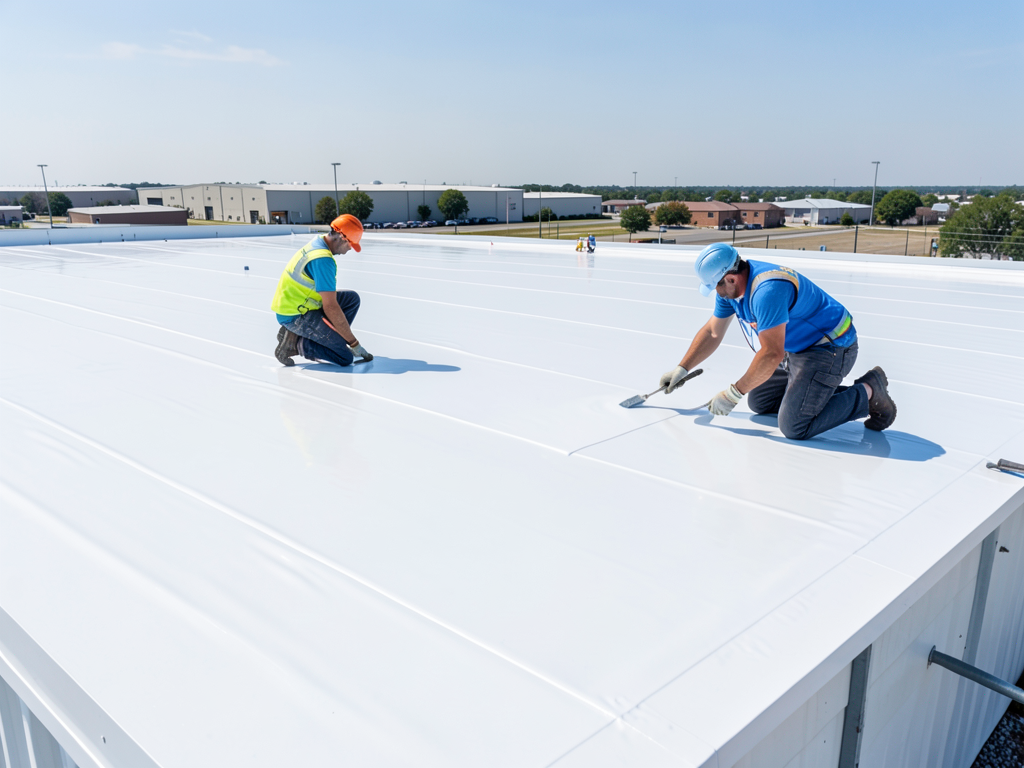
What a Commercial Roof Recovery Coating Can Actually Do for Your Warehouse in Elk Grove Village A commercial roof recovery coating can extend your warehouse roof life by 10-15 years while cutting costs by up…
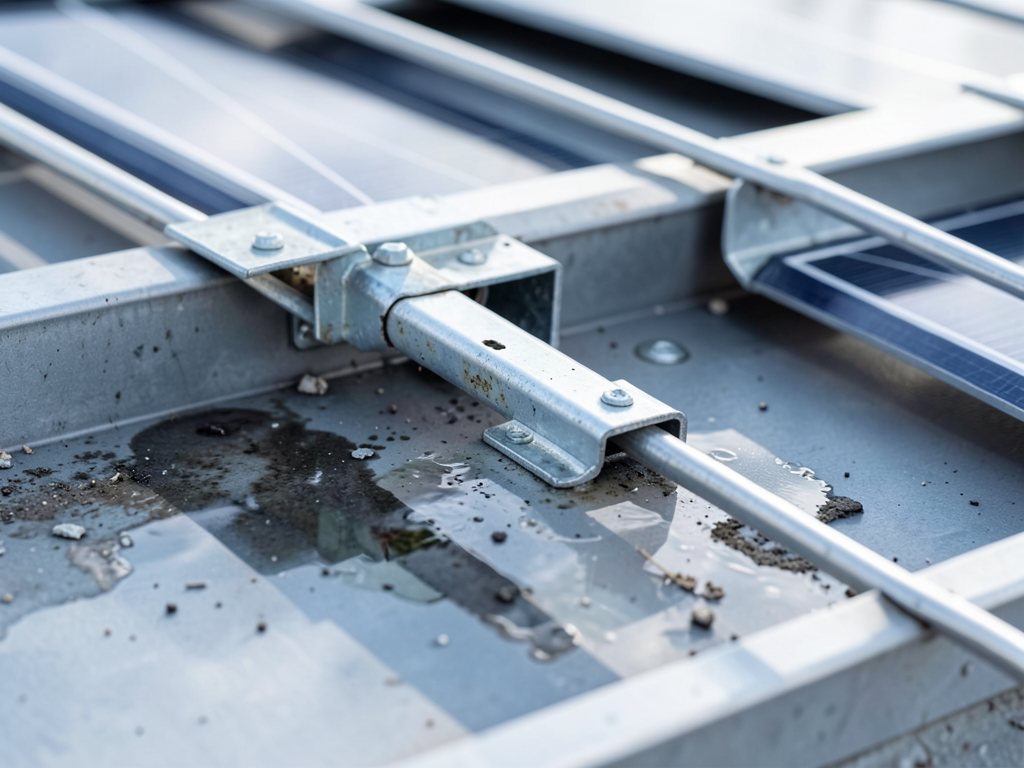
The Right Way to Seal Roof Leaks Around Solar Panels in Skokie When water starts…

Why K-Style Gutters and Half-round Gutters Perform Differently on Homes in Longwood Manor When choosing…

How to Tell if Your Historic Home in Bowmanville Has Asbestos Shingles If your Bowmanville…
Your roof protects everything inside your home. When damage appears, fast response prevents costly interior repairs. Call Patriot Roofing Chicago now at (773) 599-7055 for emergency service or schedule a free inspection. We respond within hours when you need us most.