
menu

Leaking Pipe Boot & Vents in Chicago | Expert Diagnosis and Permanent Repair

When water stains appear around your plumbing vents, you need more than a patch job. We identify the root cause of leaking pipe boots and vents, then deliver repairs that withstand Chicago's harsh freeze-thaw cycles.

Slider Image 1
Slider Image 2
Slider Image 3
Slider Image 4
Slider Image 5
Slider Image 7
Slider Image 8
Slider Image 9
Slider Image 10
Slider Image 11

Why Pipe Boots and Vents Fail on Chicago Roofs

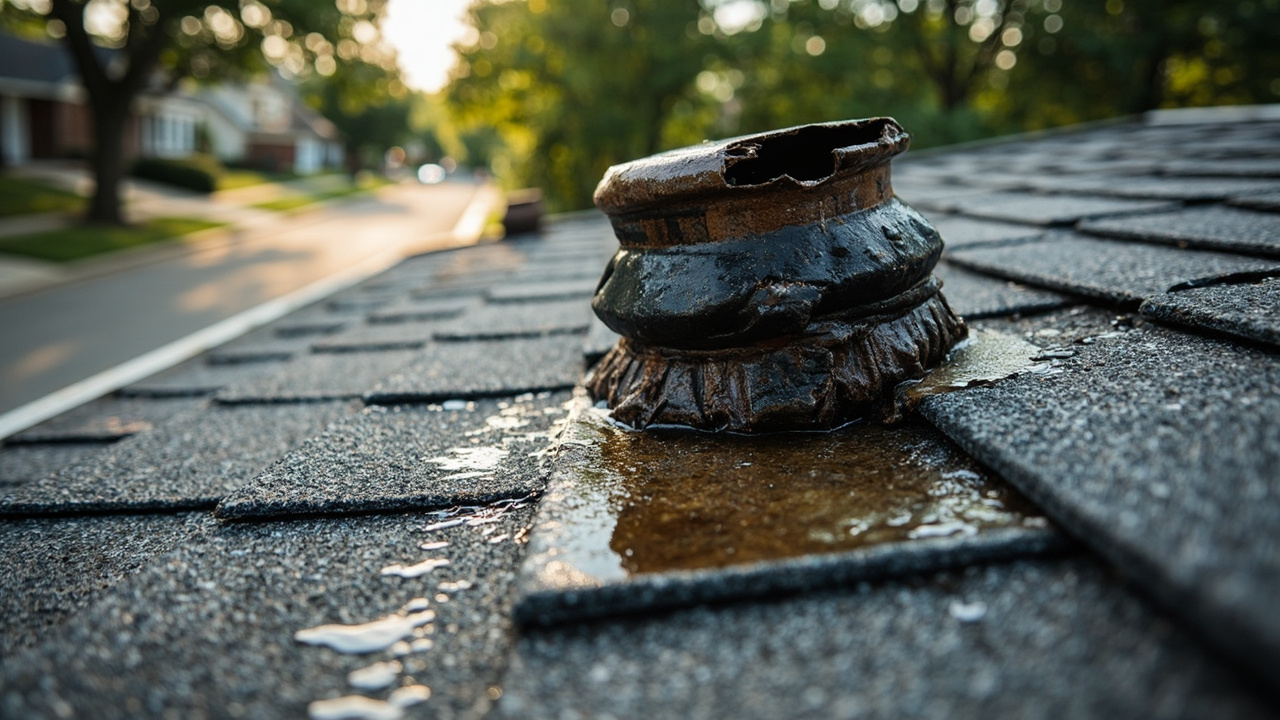
You notice a brown stain spreading across your ceiling near the bathroom. The drip starts small, then accelerates after heavy rain or snowmelt. The culprit is usually hiding in plain sight on your roof: a failing pipe boot or vent collar.

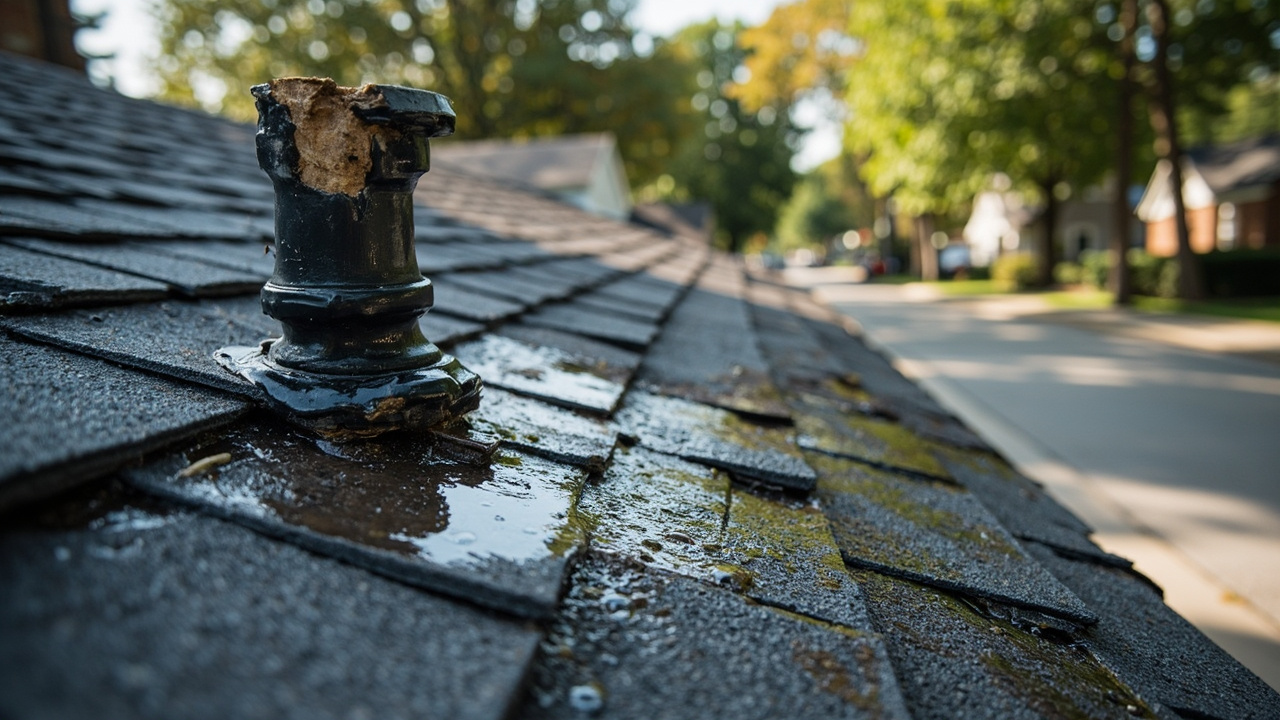
Chicago's extreme temperature swings destroy these components faster than in most climates. A cracked plumbing vent boot that might last 15 years in a temperate zone fails in 8 to 10 years here. Winter temperatures drop below zero for weeks, causing the rubber or neoprene to contract. Spring brings rapid thaws that expand the material. This cycle repeats hundreds of times, creating microfractures that turn into visible cracks.

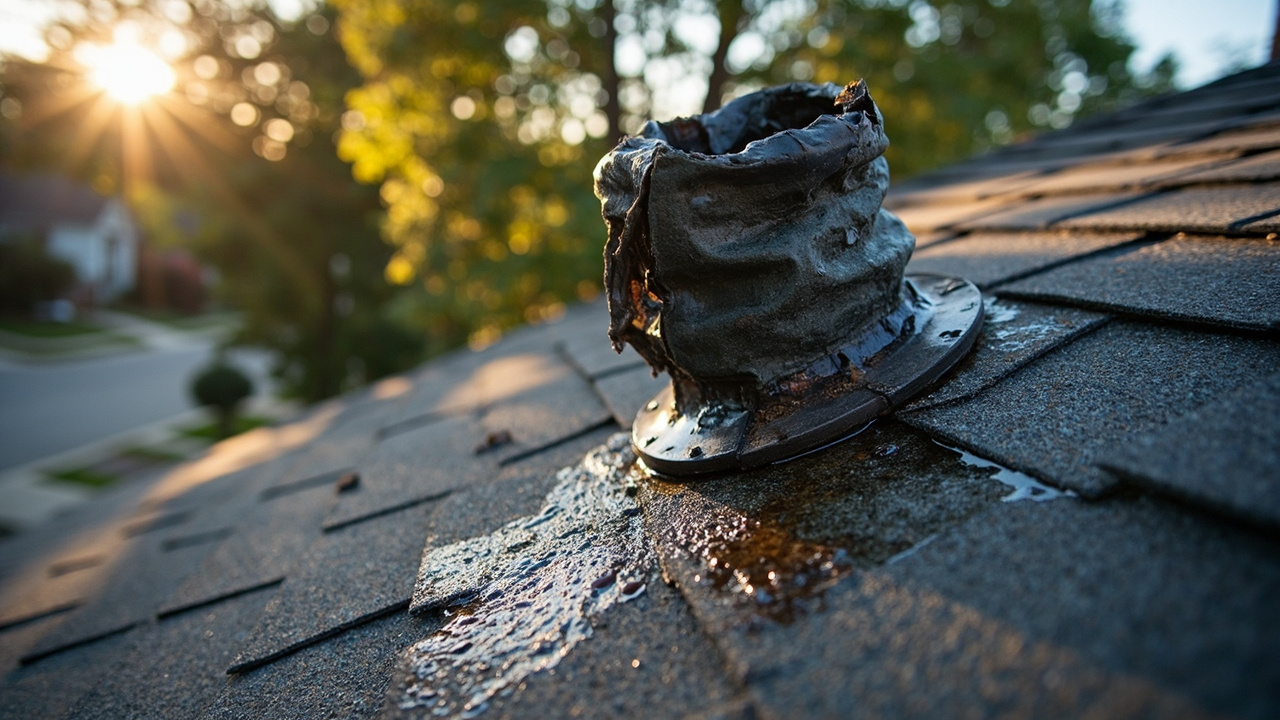
The deteriorated rubber roof collar around your plumbing stack is particularly vulnerable. UV exposure from summer sun combines with freeze-thaw stress to break down the seal. Water finds these weak points and travels down the pipe exterior, bypassing your roof membrane entirely. By the time you see the stain inside, the damaged pipe flashing seal has been leaking for weeks.

A dry rotted neoprene gasket is another common failure point. These gaskets sit between the metal flashing and the pipe itself. Chicago's humidity accelerates the dry rot process, especially on north-facing slopes that stay damp longer. The broken roof stack flashing that results allows water to pool around the penetration, seeping into your attic insulation and ceiling joists.

Most homeowners mistake these failures for roof damage. The shingles look fine. The problem is isolated to a three-inch diameter failure point that causes hundreds of dollars in interior damage.

Why Pipe Boots and Vents Fail on Chicago Roofs
How We Diagnose and Repair Vent Boot Failures

How We Diagnose and Repair Vent Boot Failures

We do not patch pipe boots with caulk or roofing cement. Those fixes fail within months because they do not address the underlying material failure.

Our process starts with a full attic inspection. We trace the water staining back to the exact penetration point. This tells us whether the failure is in the boot itself, the base flashing, or the roof deck seal. We check for secondary damage like rotted roof decking or compromised underlayment that needs replacement before we install new components.

For the repair, we remove the shingles surrounding the failed vent in a controlled pattern. This gives us access to the entire flashing assembly without disturbing more of your roof than necessary. We inspect the pipe itself for cracks or separation at the joint. A cracked PVC vent pipe will leak no matter how good the boot is.

We install commercial-grade neoprene or EPDM rubber boots rated for temperature extremes. The base flashing integrates with your existing shingle layers using a step-flashing technique that creates a watertight seal even during wind-driven rain. We avoid all-in-one retrofit boots that slip over the existing pipe. They look easy but fail at the same rate as the original component.

The final step involves a water test. We flood the area with a hose while someone monitors the attic. If water appears, we know immediately and can correct it. We do not leave your home until we verify the repair is completely sealed.

Chicago roofs need components that can handle the stress. We use materials rated for commercial applications because residential-grade products do not survive here.

What Happens During Your Pipe Boot Repair

Leaking Pipe Boot & Vents in Chicago | Expert Diagnosis and Permanent Repair
01

Initial Leak Assessment

We start inside your home, documenting the water stains and measuring moisture levels in your ceiling and attic insulation. This mapping tells us exactly which roof penetration is failing and whether you have hidden water damage in your decking or framing that needs immediate attention before we touch the exterior.
02

Component Removal and Inspection

We carefully remove the damaged boot and base flashing, then inspect the pipe condition and roof deck integrity. If the deck shows soft spots or delamination from prolonged water exposure, we replace those sections before installing new flashing. This prevents future callbacks from hidden rot that compromises the new seal.
03

Installation and Water Testing

After installing the new high-grade boot and integrating it with your shingle layers, we perform a controlled water test while monitoring your attic space. This verifies the seal is watertight before we leave. You get photo documentation of the completed work and a clear explanation of what we found and fixed.

Why Chicago Homeowners Choose Us for Pipe Boot Repairs

Most roofing companies treat pipe boot leaks as minor nuisances. They send a technician with a caulk gun and call it fixed. That approach fails because the root problem is material breakdown, not a missing bead of sealant.

We built our reputation in Chicago by understanding how local weather destroys roof components. The freeze-thaw cycles in neighborhoods like Lincoln Park, Lakeview, and Rogers Park are particularly brutal. Homes near Lake Michigan face additional stress from moisture-laden wind that accelerates material degradation. We account for these factors when selecting replacement components.

Our technicians have repaired pipe boots on every roof type common to Chicago. The approach for a flat TPO roof on a commercial building in the Loop differs completely from a steep-slope asphalt shingle roof in Beverly. Historic homes in Old Town often have cast iron vent pipes that require custom flashing solutions you cannot buy at a supply house. We fabricate what is needed on-site.

We also understand Chicago building codes for roof penetrations and fire safety requirements for vent stacks. A bathroom vent that terminates improperly can create negative pressure in your plumbing system or violate code during a home sale inspection. We ensure every repair meets current standards.

You will not get a salesperson quoting you for a full roof replacement when you only need a boot repair. We fix what is broken. If your roof has other issues, we document them with photos and give you a separate assessment. You decide what gets done and when.

Our warranty covers both the materials and the installation. If the repair fails due to our workmanship or a defective component, we return and make it right at no charge.

What to Expect When You Call Us

Fast Response for Active Leaks

If water is actively dripping into your home, we prioritize your call. Most pipe boot repairs take three to five hours from arrival to completion, depending on attic access and the extent of secondary damage. We carry the most common boot sizes and flashing materials on every truck, which means we complete most repairs in a single visit without waiting for parts orders. You do not need to schedule a separate inspection day and then wait another week for the actual repair.

Thorough Leak Source Verification

We do not assume the obvious stain points to the obvious cause. Water travels along rafters and pipes before it drips through your ceiling. We physically trace the water path in your attic using moisture meters and thermal imaging when needed. This diagnostic approach prevents the frustration of paying for a pipe boot repair only to discover the real leak was from a different penetration or a valley flashing failure three feet away.

Repairs That Match Your Roof

Your new pipe boot will not stand out like a patch job. We match the flashing style to your existing roof design and integrate it with your shingle pattern so the repair blends in. For flat roofs, we heat-weld or chemically bond the new boot to your membrane using the correct method for your specific roof material. The finished repair looks factory-installed, not like an afterthought, and it performs as well as the original installation should have.

Clear Documentation and Maintenance Guidance

You receive dated photos of the failed component, the repair process, and the completed work. This documentation helps if you sell your home or need to file an insurance claim for water damage. We also explain how to inspect your pipe boots from the ground using binoculars and what warning signs indicate a developing problem. Most boots give visual clues before they fail completely. Catching a crack early prevents interior water damage.

Frequently Asked Questions

You Have Questions,
We Have Answers

How much does it cost to replace a vent pipe boot? +

Replacing a vent pipe boot in Chicago typically depends on boot material, roof access, and labor complexity. Rubber boots cost less than metal or lead alternatives. If your roof pitch is steep or requires safety equipment, expect higher labor charges. Freeze-thaw cycles in Chicago accelerate boot deterioration, so quality matters. A basic rubber boot replacement runs lower than a full flashing replacement. Always request an itemized estimate. Factors include boot type, surrounding shingle condition, and whether decking repairs are needed. Get multiple quotes from local roofers familiar with Chicago weather patterns.

How to fix a leak around a vent pipe? +

First, identify the exact leak source. Remove damaged shingles around the vent pipe and inspect the boot for cracks or separation. In Chicago, ice damming and freeze-thaw stress often crack boots prematurely. Clean the pipe and surrounding area thoroughly. Apply roofing sealant to small cracks as a temporary fix. For significant damage, replace the entire boot and flashing. Slide the new boot over the pipe, secure it under shingles, then seal edges with roofing cement. Check that shingles overlap correctly to channel water away. This fix prevents water infiltration during heavy rainstorms.

How to seal a vent boot? +

Sealing a vent boot requires proper surface prep and quality sealant. Clean the pipe and boot thoroughly, removing old caulk, dirt, and debris. Chicago humidity can prevent adhesion if surfaces are damp, so wait for dry conditions. Apply a generous bead of roofing sealant or specialized boot sealant around the pipe base where it meets the boot. Press firmly to eliminate air gaps. For older boots showing brittleness, consider full replacement instead. Sealant alone is a temporary measure. Inspect annually after harsh winters, as freeze-thaw cycles compromise seals faster here than in milder climates.

How to fix a leaking boot? +

Fixing a leaking boot starts with diagnosis. Inspect for visible cracks, gaps, or deterioration around the pipe. Chicago winters cause rubber to harden and split. Remove shingles carefully around the boot. If damage is minor, apply roofing cement to cracks and reseal edges. For moderate damage, install a repair sleeve or collar over the existing boot. Severe damage requires full boot replacement with new flashing. Ensure shingles are layered correctly to direct water flow. Address leaks immediately, as prolonged moisture leads to deck rot and ceiling damage inside your home.

Will homeowners insurance cover a leaky roof? +

Homeowners insurance typically covers roof leaks caused by sudden, accidental events like storm damage or fallen trees. However, leaks from deferred maintenance, like a deteriorated pipe boot, are usually excluded. Chicago insurers scrutinize roof age and condition. If freeze-thaw damage or a windstorm caused the boot to fail, you may have coverage. Document the damage immediately with photos. Review your policy for roof coverage limits and depreciation clauses. File claims promptly after storm events. Routine wear and gradual leaks from aging materials are your responsibility, not the insurer's.

How long do pipe boots last? +

Pipe boots typically last 10 to 20 years, depending on material and climate exposure. Rubber boots degrade faster in Chicago due to extreme temperature swings, UV exposure, and freeze-thaw cycles. Metal or lead boots last longer but cost more upfront. Cheaper rubber boots may crack within five years under harsh conditions. Regular inspections extend lifespan. Check boots annually for brittleness, cracks, or separation. Replace proactively if you notice hardening or surface cracking. Waiting until leaks appear often means interior damage has already started. Quality boots and timely replacement protect your home long-term.

Does homeowners insurance cover water pipe repair? +

Homeowners insurance usually covers water pipe repair if damage results from a sudden, accidental event like freezing or burst pipes. However, coverage excludes gradual leaks, corrosion, or maintenance neglect. In Chicago, frozen pipe claims spike during harsh winters. Your policy may cover resulting water damage to walls or floors but not the pipe repair itself. Review your policy's water damage exclusions carefully. Some insurers require proof of heating during freezing weather. Preventive maintenance, like insulating pipes in unheated areas, is your responsibility. Always document damage immediately and file claims promptly.

Why is my air vent leaking water when it rains? +

Your air vent leaks water when it rains because the boot or flashing is compromised. In Chicago, freeze-thaw cycles crack boots, creating entry points for rain. Check if the boot has separated from the pipe or if shingles around the vent are improperly layered. Water should flow over and around the boot, not under it. Inspect for missing sealant, corroded flashing, or damaged shingles. Ice damming can also push water under boots during winter thaws. Address the issue quickly, as persistent leaks rot roof decking and damage attic insulation, leading to costly repairs.

How do I fix a leaky pipe without replacing it? +

Fixing a leaky pipe without full replacement depends on leak severity and location. For minor leaks, wrap the damaged section with pipe repair tape or apply epoxy putty. Pipe clamps provide temporary compression over small holes. For pinhole leaks, use a pipe repair sleeve. However, these are temporary fixes. Chicago homes with older galvanized or copper pipes often face corrosion-related leaks requiring eventual replacement. If the leak stems from a vent pipe boot on the roof, reseal or replace the boot instead of the pipe itself. Temporary fixes buy time but are not permanent solutions.

Does rain water get into a vent pipe? +

Rainwater should not enter a vent pipe if the boot and flashing are intact. Vent pipes allow sewer gases to escape and equalize pressure in your plumbing system. They are designed to prevent water entry. However, damaged boots, missing flashing, or improperly installed shingles let rain infiltrate around the pipe. In Chicago, heavy downpours and ice damming increase risk. Water entering the vent pipe can travel down into your plumbing system or leak into your attic and ceilings. Inspect vent boots regularly, especially after severe storms or winter freeze-thaw cycles, to prevent water intrusion.

How Chicago's Freeze-Thaw Cycles Destroy Pipe Boots Faster

Chicago experiences an average of 40 to 50 freeze-thaw cycles each winter. Temperatures drop into the teens overnight, then climb above freezing by afternoon. This constant expansion and contraction fatigues rubber and neoprene compounds at the molecular level. A pipe boot that shows no visible cracks in October can split completely by March. The problem intensifies on south and west-facing slopes where afternoon sun melts snow that refreezes overnight. That standing water works into microscopic cracks, freezes, expands, and tears the material apart from the inside.

Chicago roofing requires a different material standard than milder climates. We source boots and gaskets rated for commercial and industrial applications because residential-grade products fail too quickly here. Our relationships with local supply houses that serve high-rise and industrial clients give us access to components designed for extreme temperature stress. These materials cost more upfront but last twice as long. When you hire a roofing company familiar with Chicago-specific challenges, you get repairs engineered for local conditions, not generic solutions that work in Denver or Atlanta but fail here.
Roofing Services in The Chicago Area

Patriot Roofing is proud to be a locally owned and operated business committed to serving our community and the surrounding areas. Our deep understanding of the local climate and architectural styles allows us to provide roofing solutions that are perfectly suited to the unique needs of our clients. We invite you to explore our service area and see why so many residents trust us for all their roofing needs.

Address:
Patriot Roofing Chicago, 2111 S Halsted St, Chicago, IL, 60608

Additional Services We Offer

Our news updates

Latest Articles & News from The Blogs

Common Problems with Mansard Roofs in Irving Park and How to Fix Them Living in Irving Park means owning a…

Common Problems with Mansard Roofs in Irving Park and How to Fix Them

Common Problems with Mansard Roofs in Irving Park and How to Fix Them Living in Irving Park means owning a…

Why Burr Ridge Homeowners are Choosing Designer Asphalt Shingles Over Natural Slate

Why Burr Ridge Homeowners are Choosing Designer Asphalt Shingles Over Natural Slate Burr Ridge homeowners are discovering that designer asphalt…

Dealing with Crumbling Parapet Walls on Your Rogers Park Multi-Unit Building

Dealing with Crumbling Parapet Walls on Your Rogers Park Multi-Unit Building Parapet walls are the exposed sections of masonry that…

Contact Us

Call Patriot Roofing Chicago now at (773) 599-7055. We will diagnose the exact failure point, explain what needs to happen, and complete most pipe boot repairs the same day. Do not wait until the stain spreads or your insulation is soaked.