

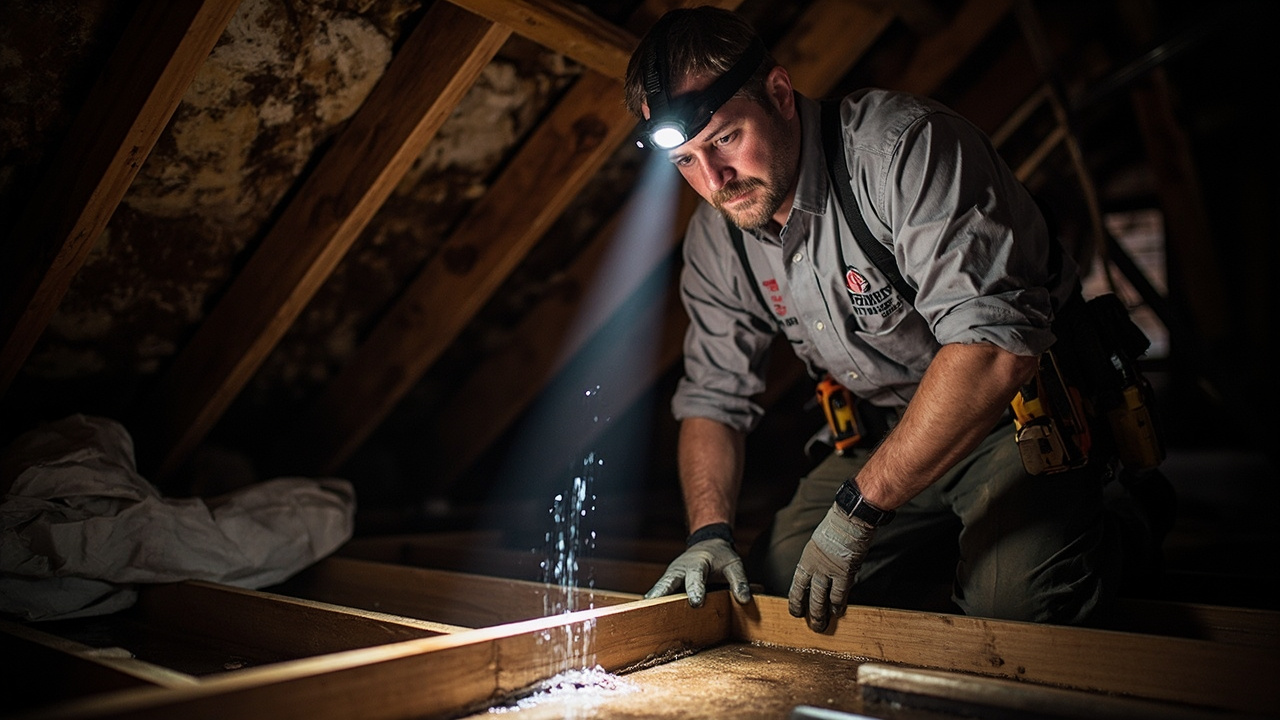


Chicago experiences an average of 38 freeze-thaw cycles each winter, which subjects roofing materials to expansion and contraction stress that accelerates failure. Water infiltrates micro-cracks in sealant during the day when temperatures climb above freezing, then expands as ice overnight when temperatures drop into the teens. This cycle lifts shingle tabs, separates flashing from masonry walls, and opens seams in valley metal. The damage accumulates invisibly throughout winter, then manifests as active leaks during spring rainstorms when the compromised barriers cannot shed water effectively. Thermal imaging during emergency roof leak tracing often reveals ice dam damage along north-facing eaves where snow accumulation blocks drainage and forces meltwater backward under shingles.
Chicago building code requires specific flashing details at brick chimney penetrations and masonry wall transitions, standards that evolved directly from the city's harsh freeze-thaw conditions. Many older homes were built before current code requirements, which means original flashing installations lack the redundancy needed to withstand modern climate extremes. Patriot Roofing Chicago technicians understand these code-compliant flashing requirements and upgrade substandard installations during repairs to prevent repeat failures. Our familiarity with Chicago's historic housing stock means we recognize era-specific construction methods and can predict common failure points before moisture meters confirm the breach. Local expertise matters when diagnosing leaks because generic roofing knowledge cannot account for the specific challenges created by Chicago's combination of temperature extremes, heavy snow loads, and summer storm intensity.