
Why Cold-Applied Roofing is a Smarter Choice for Small Shops in Brighton Park
Small business owners in Brighton Park face unique challenges when it comes to commercial roofing. The neighborhood’s mix of industrial buildings, warehouses, and small retail spaces requires roofing solutions that minimize disruption, comply with strict Chicago fire codes, and withstand the area’s harsh freeze-thaw cycles. Cold-applied roofing systems deliver exactly that—offering a no-torch, low-odor alternative that keeps your business running while providing superior waterproofing and durability. Is Solar Roofing Worth the Investment for Homes in Evanston?.
Unlike traditional hot-mop applications that require open flames and produce strong fumes, cold-applied membranes use liquid adhesives and coatings that cure at ambient temperatures. This makes them ideal for occupied buildings near residential areas like Brighton Park, where fire safety and air quality matter just as much as weather resistance.. Read more about What a Commercial Roof Recovery Coating Can Actually Do for Your Warehouse in Elk Grove Village.
What Makes Cold-Applied Roofing Different
Cold-applied roofing eliminates the need for propane torches and hot asphalt by using polymer-modified adhesives that bond roofing materials at room temperature. These systems typically combine a base sheet, reinforcing fabric, and a protective top coat—all applied with rollers or spray equipment. The chemistry allows for seamless waterproofing that expands and contracts with Chicago’s temperature swings without cracking. Roofing Berwyn.
Modern cold-applied systems achieve elongation ratings of 300-500%, meaning they can stretch significantly before breaking. This flexibility proves critical during Brighton Park’s spring freeze-thaw cycles, when trapped moisture expands and contracts rapidly. Traditional built-up roofs often crack under this stress, but cold-applied membranes move with the substrate.
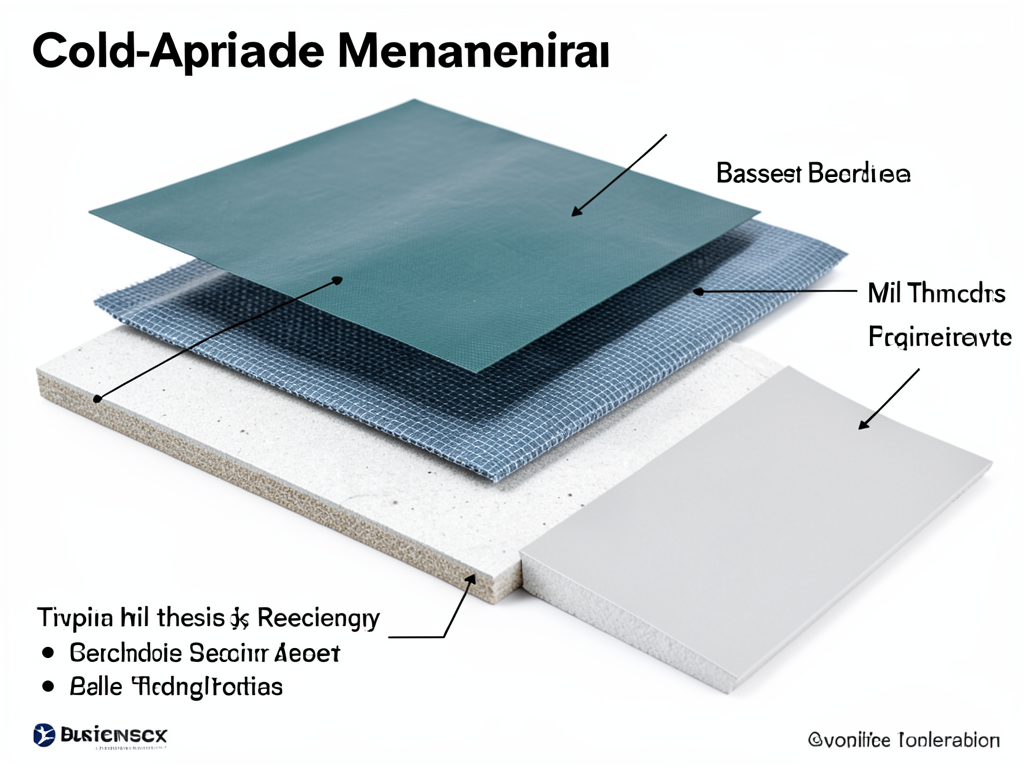
Diagram showing cold-applied membrane application layers including base sheet, reinforcement fabric, and protective coating with typical mil thickness specifications
Top Benefits for Brighton Park Businesses
Fire safety represents the most immediate advantage. Cold-applied systems eliminate torch flames entirely, reducing insurance premiums by 10-15% in many cases. Chicago’s Municipal Code Section 13-56-300 specifically addresses torch-down roofing requirements, making cold-applied options attractive for buildings near fire hydrants or in high-density areas. Roofing Forest Park.
Odor control matters tremendously for businesses operating during installation. Restaurants, medical offices, and retail shops cannot afford the strong asphalt fumes that permeate buildings during hot-mop applications. Cold-applied adhesives have VOC levels under 50 g/L, compared to 150+ g/L for traditional hot asphalt, allowing work to continue nearby.
Installation speed also improves dramatically. A typical 5,000-square-foot cold-applied roof takes 2-3 days versus 4-6 days for torch-down systems. This minimizes business interruption—critical for Brighton Park’s small shops operating on thin margins.
Why Chicago Weather Demands Cold-Applied Solutions
Chicago’s climate creates unique roofing challenges that cold-applied systems handle better than traditional methods. The city experiences 147 freeze-thaw days annually, more than most U.S. locations. During these cycles, water penetrates microscopic cracks, freezes, expands, and forces materials apart. Cold-applied membranes with their high elongation ratings absorb this movement without damage.. Read more about PVC vs TPO Roofing Options for Commercial Buildings in Downers Grove.
Wind uplift presents another critical factor. Brighton Park sits in an area where winter winds frequently exceed 40 mph, creating uplift pressures that can exceed 30 pounds per square foot. Cold-applied systems achieve uplift ratings of 120+ psf when properly installed with mechanical fastening at perimeters—well above Chicago’s minimum requirements of 60 psf for most commercial buildings.
UV exposure also degrades traditional roofing faster. Cold-applied systems can incorporate reflective top coats that reduce surface temperatures by 50-70 degrees Fahrenheit, extending roof life by 5-8 years in Chicago’s intense summer sun. Extending the Life of Your Flat Roof in Hyde Park with Professional Coating.
Cost-Effectiveness and Long-Term Value
While cold-applied systems cost 15-20% more upfront than traditional built-up roofing, they deliver superior lifetime value. The typical cold-applied roof lasts 20-25 years with minimal maintenance, compared to 15-18 years for conventional systems. This extended lifespan, combined with reduced business interruption and lower insurance costs, often results in 30% lower total cost of ownership.
Maintenance requirements also decrease significantly. Cold-applied membranes develop fewer leaks because they lack seams where traditional systems fail. When repairs are needed, technicians can simply clean the area and apply new coating—no need to remove large sections or work with hot materials. EPA VOC information.
Energy efficiency provides another cost benefit. Reflective cold-applied systems reduce cooling costs by 15-25% during Chicago’s summer months, when temperatures regularly exceed 85 degrees Fahrenheit. For small businesses operating on tight margins, these savings accumulate quickly.
The Installation Process: What to Expect
Professional cold-applied installation follows a systematic process that ensures maximum durability. First, technicians thoroughly clean the existing roof surface, removing debris, loose material, and any standing water. They then repair damaged areas and ensure proper drainage.
Next comes the base coat application. Technicians roll or spray the adhesive evenly across the surface, typically achieving 20-30 mils thickness. They immediately embed the reinforcement fabric while the adhesive remains wet, ensuring complete saturation and bond.
The final step involves applying the protective top coat. This layer provides UV protection, enhances waterproofing, and can include reflective pigments. Most systems require two top coat applications, each at 20-25 mils thickness, creating a total system thickness of 60-80 mils.
Throughout the process, technicians use moisture meters to verify substrate conditions and ensure proper adhesion. They also conduct uplift tests at seams and terminations to verify code compliance.
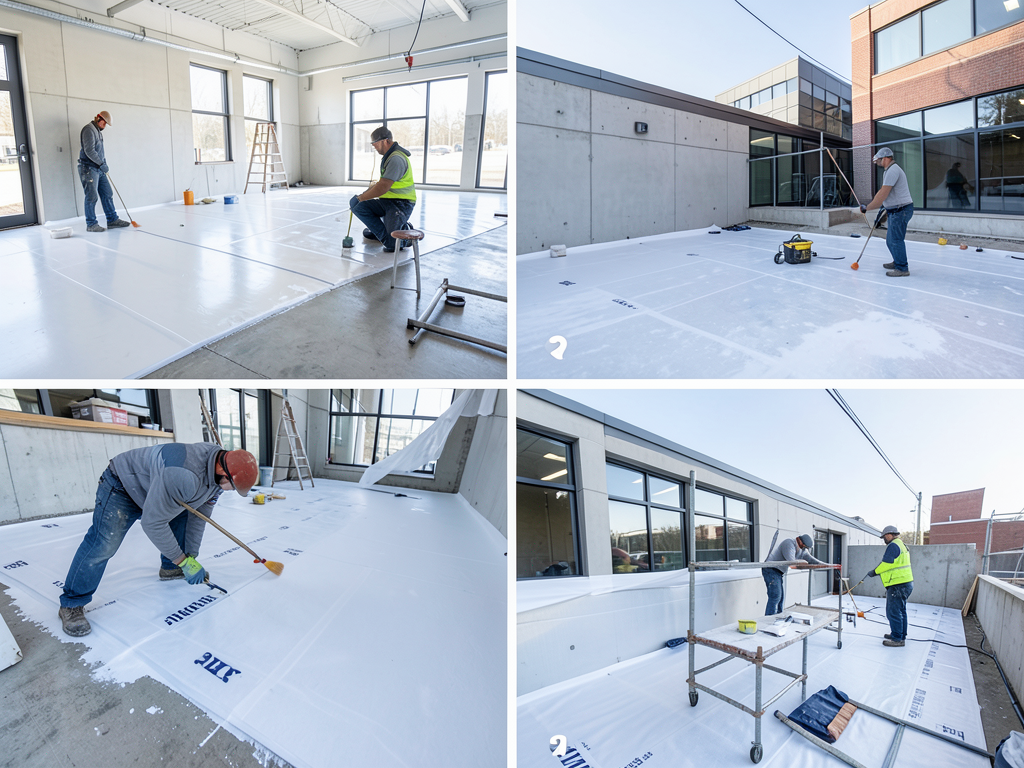
Photo sequence showing cold-applied membrane installation from surface preparation through final coating application on a commercial building
Code Compliance and Insurance Considerations
Chicago’s Building Code requires all commercial roofing to meet specific wind uplift and fire resistance standards. Cold-applied systems achieve Class A fire ratings and can be engineered to meet any required uplift rating. The Illinois Department of Financial and Professional Regulation also mandates specific insurance coverage for roofing contractors, which cold-applied specialists typically maintain. Class 4 Impact Resistant Shingles.
Insurance companies increasingly favor cold-applied systems for occupied buildings. The absence of open flames eliminates one of the primary causes of commercial roofing fires. Many insurers offer premium discounts of 10-15% for buildings with cold-applied roofing, particularly in dense urban areas like Brighton Park.
Permit requirements in Chicago typically take 3-5 business days for cold-applied systems, compared to 7-10 days for torch-down applications that require additional fire safety permits. This faster permitting helps businesses get back to normal operations sooner.
Common Applications in Brighton Park
Small warehouses along Western Avenue benefit tremendously from cold-applied systems. These buildings often house sensitive equipment or inventory that cannot tolerate heat or fumes during installation. The reflective options also reduce cooling costs in buildings with large roof areas.
Restaurants and retail shops near 35th Street particularly appreciate the odor-free installation. Business owners can remain open during application, avoiding costly closure periods. The fire safety aspect also appeals to property owners concerned about liability.
Medical offices and professional services in the area value the minimal disruption and quick turnaround. These businesses cannot afford even a day of closure, making cold-applied roofing’s 2-3 day installation schedule ideal.
Maintenance and Longevity
Cold-applied roofs require minimal maintenance when properly installed. Annual inspections should check for ponding water, membrane adhesion, and flashing condition. Most systems need recoating every 7-10 years, a process that takes 1-2 days and costs 60-70% less than a full replacement.
Cleaning typically involves removing debris and checking drainage systems. Unlike traditional roofs that develop cracks requiring extensive repair, cold-applied membranes can be patched seamlessly. Technicians clean the area, apply primer if needed, and roll on new coating—the repair becomes invisible within hours.
Proper maintenance extends system life significantly. Buildings that follow recommended inspection and recoating schedules often achieve 25-30 years of service, compared to 15-20 years for poorly maintained traditional systems.
Making the Right Choice for Your Business
Several factors determine whether cold-applied roofing suits your specific situation. Building occupancy matters significantly—if people work inside during installation, cold-applied systems offer clear advantages. Roof accessibility also plays a role; buildings with limited access for equipment benefit from cold-applied’s minimal setup requirements.
Local regulations in Brighton Park and Chicago generally favor cold-applied systems for occupied buildings and those near residential areas. The fire marshal’s office particularly supports these systems in dense neighborhoods where open flames pose greater risks.
Your budget timeline also influences the decision. While cold-applied systems cost more initially, their faster installation and reduced business interruption often offset the price difference within the first year of operation.
Before and after comparison showing a Brighton Park commercial building with new cold-applied reflective roofing system installed
Frequently Asked Questions
How long does cold-applied roofing last in Chicago weather?
Properly installed cold-applied roofing typically lasts 20-25 years in Chicago, with some systems achieving 30+ years with regular maintenance. The high elongation ratings and UV-resistant coatings help these systems withstand freeze-thaw cycles and intense summer sun better than traditional options.
Can my business stay open during installation?
Yes, most businesses can remain open during cold-applied installation. The low-odor adhesives and absence of open flames allow normal operations to continue nearby. However, some noise from equipment may occur, and access to certain areas might be temporarily restricted.
What maintenance does cold-applied roofing require?
Cold-applied roofs need annual inspections to check for damage, ensure proper drainage, and verify membrane adhesion. Recoating every 7-10 years helps maintain waterproofing and UV protection. These maintenance tasks are simple compared to traditional roofing systems and cost significantly less.
Does cold-applied roofing qualify for any energy rebates?
Many cold-applied systems with reflective top coats qualify for energy efficiency rebates through local utility programs and federal tax incentives. The reflective properties can reduce cooling costs by 15-25%, making these systems eligible for various energy conservation programs.
Ready to Upgrade Your Brighton Park Business Roof?
Cold-applied roofing offers Brighton Park small businesses a smarter, safer alternative to traditional methods. The combination of fire safety, odor control, weather resistance, and cost-effectiveness makes these systems ideal for Chicago’s demanding climate and strict building codes.
Don’t let roofing installation disrupt your business operations or compromise safety. Our experienced team understands Brighton Park’s unique requirements and can help you choose the right cold-applied system for your specific needs.
Call (773) 599-7055 today to schedule your free consultation and learn how cold-applied roofing can protect your business while saving you money. We’ll assess your building, explain your options, and provide a detailed quote with no pressure or obligation.
Pick up the phone and call (773) 599-7055 before the next storm hits. Your business deserves roofing that works as hard as you do. For more information, visit ASTM D6162 standard.
You may also find this helpful. Improving Natural Light in Your Dark Elk Grove Village Warehouse with Industrial Skylights.
{
“@context”: “https://schema.org”,
“@type”: “BlogPosting”,
“headline”: “Why Cold-Applied Roofing is a Smarter Choice for Small Shops in Brighton Park”,
“description”: “Discover why cold-applied roofing systems offer fire safety, odor control, and cost savings for Brighton Park small businesses. Learn about installation, benefits, and local compliance.”,
“wordCount”: 1714,
“datePublished”: “2026-05-28T07:33:00.000Z”,
“dateModified”: “2026-05-28T07:33:00.000Z”,
“inLanguage”: “en-US”,
“mainEntityOfPage”: {
“@type”: “WebPage”,
“@id”: “https://patriotroofingchicago.com”
},
“publisher”: {
“@type”: “LocalBusiness”,
“name”: “Patriot Roofing Chicago”,
“url”: “https://patriotroofingchicago.com”
},
“author”: {
“@type”: “Organization”,
“name”: “Patriot Roofing Chicago”,
“url”: “https://patriotroofingchicago.com”
},
“image”: {
“@type”: “ImageObject”,
“url”: “https://patriotroofingchicago.com/wp-content/uploads/2026/03/why-cold-applied-roofing-is-a-smarter-choice-for-s-1.png”
}
}
{
“@context”: “https://schema.org”,
“@type”: “RoofingContractor”,
“name”: “Patriot Roofing Chicago”,
“url”: “https://patriotroofingchicago.com”,
“address”: {
“@type”: “PostalAddress”,
“addressLocality”: “Chicago”
},
“areaServed”: {
“@type”: “City”,
“name”: “Chicago”
}
}
{
“@context”: “https://schema.org”,
“@type”: “FAQPage”,
“mainEntity”: [
{
“@type”: “Question”,
“name”: “How long does cold-applied roofing last in Chicago weather?”,
“acceptedAnswer”: {
“@type”: “Answer”,
“text”: “Properly installed cold-applied roofing typically lasts 20-25 years in Chicago, with some systems achieving 30+ years with regular maintenance. The high elongation ratings and UV-resistant coatings help these systems withstand freeze-thaw cycles and intense summer sun better than traditional options.”
}
},
{
“@type”: “Question”,
“name”: “Can my business stay open during installation?”,
“acceptedAnswer”: {
“@type”: “Answer”,
“text”: “Yes, most businesses can remain open during cold-applied installation. The low-odor adhesives and absence of open flames allow normal operations to continue nearby. However, some noise from equipment may occur, and access to certain areas might be temporarily restricted.”
}
},
{
“@type”: “Question”,
“name”: “What maintenance does cold-applied roofing require?”,
“acceptedAnswer”: {
“@type”: “Answer”,
“text”: “Cold-applied roofs need annual inspections to check for damage, ensure proper drainage, and verify membrane adhesion. Recoating every 7-10 years helps maintain waterproofing and UV protection. These maintenance tasks are simple compared to traditional roofing systems and cost significantly less.”
}
},
{
“@type”: “Question”,
“name”: “Does cold-applied roofing qualify for any energy rebates?”,
“acceptedAnswer”: {
“@type”: “Answer”,
“text”: “Many cold-applied systems with reflective top coats qualify for energy efficiency rebates through local utility programs and federal tax incentives. The reflective properties can reduce cooling costs by 15-25%, making these systems eligible for various energy conservation programs.”
}
},
{
“@type”: “Question”,
“name”: “Ready to Upgrade Your Brighton Park Business Roof?”,
“acceptedAnswer”: {
“@type”: “Answer”,
“text”: “Cold-applied roofing offers Brighton Park small businesses a smarter, safer alternative to traditional methods. The combination of fire safety, odor control, weather resistance, and cost-effectiveness makes these systems ideal for Chicago’s demanding climate and strict building codes.”
}
}
]
}
{
“@context”: “https://schema.org”,
“@type”: “BreadcrumbList”,
“itemListElement”: [
{
“@type”: “ListItem”,
“position”: 1,
“name”: “Home”,
“item”: “https://patriotroofingchicago.com”
},
{
“@type”: “ListItem”,
“position”: 2,
“name”: “Blog”,
“item”: “https://patriotroofingchicago.com/blog”
},
{
“@type”: “ListItem”,
“position”: 3,
“name”: “Why Cold-Applied Roofing is a Smarter Choice for Small Shops in Brighton Park”
}
]
}
{
“@context”: “https://schema.org”,
“@type”: “Service”,
“serviceType”: “Roofing”,
“provider”: {
“@type”: “LocalBusiness”,
“name”: “Patriot Roofing Chicago”,
“url”: “https://patriotroofingchicago.com”
},
“areaServed”: {
“@type”: “City”,
“name”: “Chicago”
},
“description”: “Discover why cold-applied roofing systems offer fire safety, odor control, and cost savings for Brighton Park small businesses. Learn about installation, benefits, and local compliance.”
}