
PVC vs TPO Roofing Options for Commercial Buildings in Downers Grove
Commercial property owners in Downers Grove face a critical decision when choosing between PVC and TPO roofing membranes. Both single-ply systems offer distinct advantages for flat roofs but perform differently under Illinois weather conditions and building requirements. Understanding these differences helps you protect your investment and avoid costly replacements. Is Solar Roofing Worth the Investment for Homes in Evanston?.
Understanding PVC and TPO Roofing Systems
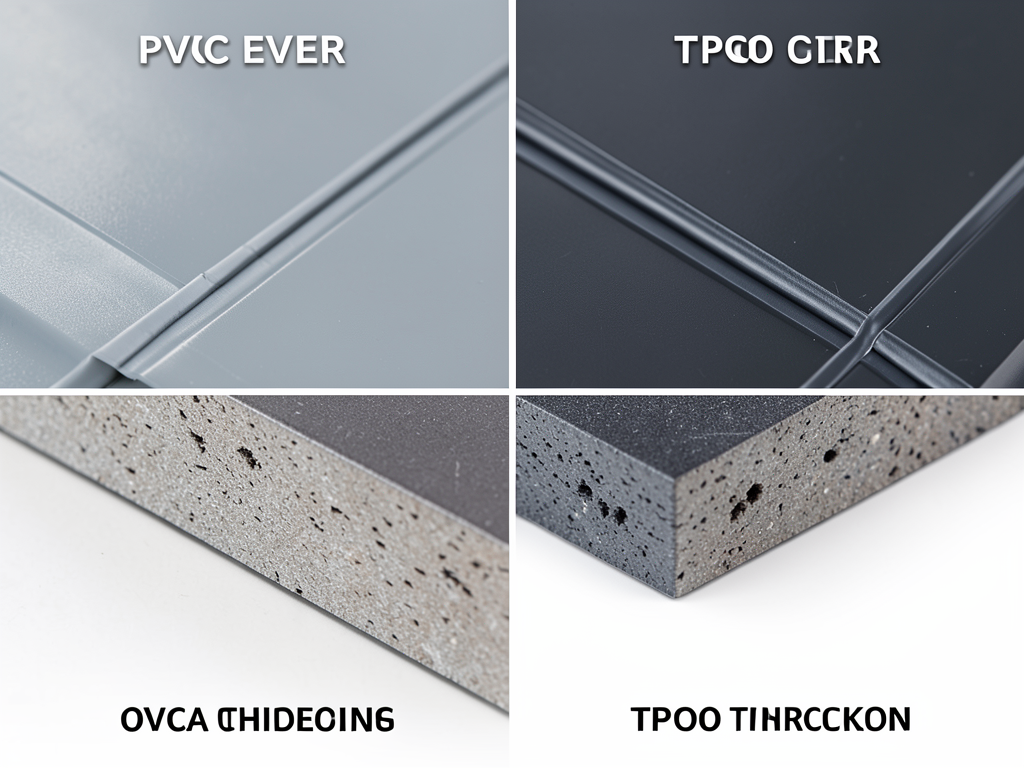
PVC (polyvinyl chloride) and TPO (thermoplastic polyolefin) represent the two dominant single-ply membrane options for commercial flat roofs. PVC membranes contain plasticizers that provide flexibility and chemical resistance. TPO membranes combine polypropylene and ethylene-propylene rubber with fillers and pigments for a cost-effective solution.
The fundamental chemistry affects performance. PVC offers superior resistance to grease oils and chemicals making it ideal for restaurants and industrial facilities. TPO provides better heat reflection and lower initial costs but may degrade faster under chemical exposure.
Direct Comparison: PVC vs TPO Performance Metrics
| Feature | PVC Roofing | TPO Roofing |
|---|---|---|
| Expected Lifespan | 20-30 years | 15-25 years |
| Chemical Resistance | Excellent | Moderate |
| Heat Reflection | Good | Excellent |
| Initial Cost per Square Foot | $5.50-$7.50 | $4.00-$6.00 |
| Seam Strength | Very High | High |
| Installation Temperature Range | 0掳F to 120掳F | 20掳F to 120掳F |
Performance in Chicago Climate Conditions
Downers Grove experiences extreme temperature swings from -20掳F winter lows to 100掳F summer highs. These conditions test membrane flexibility and seam integrity. PVC maintains flexibility at sub-zero temperatures preventing cracking during freeze-thaw cycles. TPO becomes more brittle in extreme cold increasing failure risk.
Wind uplift presents another challenge. The Chicago area experiences frequent wind gusts exceeding 50 mph. Both materials require proper attachment systems but PVC seams typically withstand higher wind loads due to superior weld strength.
Moisture management proves critical. Chicago receives 38 inches of annual precipitation with frequent summer thunderstorms. TPO’s superior heat reflection reduces cooling costs during humid summers but PVC’s chemical resistance better handles moisture-related degradation.
Durability and Chemical Resistance Applications
Restaurant facilities in Downers Grove benefit from PVC’s resistance to animal fats and cooking oils. Grease vapors rise through roof vents and settle on membrane surfaces. PVC withstands this exposure while TPO may deteriorate requiring premature replacement.
Industrial buildings face different challenges. Manufacturing facilities often discharge chemicals through roof-mounted equipment. PVC resists acids bases and solvents maintaining integrity where TPO fails.
Foot traffic considerations matter for maintenance access. PVC offers better puncture resistance handling HVAC technician traffic. TPO requires protective walkways in high-traffic areas.
Installation Costs in Chicagoland
Installation costs vary based on roof size complexity and local labor rates. Downers Grove commercial buildings typically pay $4.50-$7.50 per square foot installed. Factors affecting price include:
- Roof accessibility and parking constraints
- Existing roof removal and disposal fees
- Insulation requirements for energy code compliance
- Attachment method (fully adhered vs mechanically fastened)
- Manufacturer warranties and insurance requirements
Local building codes in DuPage County require specific wind uplift ratings and fire resistance classifications. These requirements affect material thickness and attachment methods increasing overall project costs. Class 4 Impact Resistant Shingles.
Maintenance and Longevity Expectations
Both systems require regular maintenance but failure patterns differ. PVC typically shows seam separation or membrane degradation after 15-20 years. TPO may experience premature weathering cracking or seam failure within 10-15 years especially in harsh Chicago conditions. EPA Heat Island Effect.
Annual inspections should check for:
- Membrane punctures and tears
- Seam integrity and weld strength
- Drainage system functionality
- Flashing condition around penetrations
- Debris accumulation and ponding water
Proactive maintenance extends system life by 5-10 years. Small repairs cost $500-$2000 while complete replacement ranges $8000-$50000 depending on building size.
Final Verdict: Making the Right Choice
Choose PVC when chemical resistance durability and longevity matter most. Restaurants industrial facilities and buildings requiring superior puncture resistance benefit from PVC’s premium performance despite higher initial costs.
Select TPO for budget-conscious projects with minimal chemical exposure. Warehouses distribution centers and buildings prioritizing energy efficiency often find TPO sufficient for their needs.. Read more about Why Your Flat Roof Needs Rigid Foam Insulation During a Replacement in Archer Heights.
Consider building use local weather exposure and long-term ownership plans. PVC typically costs 20-30% more upfront but may save money through reduced maintenance and longer service life.
Downers Grove commercial property owners should consult with local roofing contractors familiar with Chicago building codes and weather patterns. Professional assessment ensures proper material selection and installation methods. Extending the Life of Your Flat Roof in Hyde Park with Professional Coating.
Frequently Asked Questions
How long does each roofing system last in Illinois weather?
PVC typically lasts 20-30 years while TPO averages 15-25 years in Illinois conditions. Harsh winters and temperature swings reduce TPO lifespan more significantly than PVC.
Which system offers better energy efficiency?
TPO provides superior heat reflection reducing cooling costs by 15-20% compared to PVC. However PVC’s longer lifespan may offset this advantage over time.
Are both systems code compliant in Downers Grove?
Yes both PVC and TPO meet Chicago Building Code requirements when properly installed. Local contractors ensure compliance with DuPage County regulations.
What maintenance is required for each system?
Both require annual inspections and prompt repair of damage. PVC needs less frequent seam maintenance while TPO may require more regular cleaning to maintain reflectivity.
Can either system be installed in winter?
PVC can be installed at temperatures as low as 0掳F while TPO requires minimum 20掳F for proper welding. Most Chicago installations occur March through November.
- Assess Building Use
Determine chemical exposure foot traffic and maintenance access requirements.
- Calculate Budget
Compare initial costs against expected lifespan and maintenance expenses.
- Evaluate Climate Impact
Consider Chicago’s temperature extremes and wind conditions.
- Review Local Codes
Ensure compliance with Downers Grove and DuPage County requirements.
- Consult Local Experts
Work with Chicago-area contractors familiar with regional conditions.

Ready to protect your commercial building with the right roofing system? Call (773) 599-7055 today to schedule your inspection and get expert recommendations for your specific needs. Don’t wait until leaks cause expensive damage. For more information, visit ASTM International Standards.
You may also find this helpful. Picking the Best Rooftop Deck Pavers for a Flat Roof in Lakeview East.
{
“@context”: “https://schema.org”,
“@type”: “BlogPosting”,
“headline”: “PVC vs TPO Roofing Options for Commercial Buildings in Downers Grove”,
“description”: “Compare PVC and TPO roofing for Downers Grove commercial buildings. Learn about durability, energy efficiency, and local climate performance to make the right choice.”,
“wordCount”: 980,
“datePublished”: “2026-06-09T09:34:00.000Z”,
“dateModified”: “2026-06-09T09:34:00.000Z”,
“inLanguage”: “en-US”,
“mainEntityOfPage”: {
“@type”: “WebPage”,
“@id”: “https://patriotroofingchicago.com”
},
“publisher”: {
“@type”: “LocalBusiness”,
“name”: “Patriot Roofing Chicago”,
“url”: “https://patriotroofingchicago.com”
},
“author”: {
“@type”: “Organization”,
“name”: “Patriot Roofing Chicago”,
“url”: “https://patriotroofingchicago.com”
},
“image”: {
“@type”: “ImageObject”,
“url”: “https://patriotroofingchicago.com/wp-content/uploads/2026/03/pvc-vs-tpo-roofing-options-for-commercial-building-1.png”
}
}
{
“@context”: “https://schema.org”,
“@type”: “RoofingContractor”,
“name”: “Patriot Roofing Chicago”,
“url”: “https://patriotroofingchicago.com”,
“address”: {
“@type”: “PostalAddress”,
“addressLocality”: “Chicago”
},
“areaServed”: {
“@type”: “City”,
“name”: “Chicago”
}
}
{
“@context”: “https://schema.org”,
“@type”: “FAQPage”,
“mainEntity”: [
{
“@type”: “Question”,
“name”: “How long does each roofing system last in Illinois weather?”,
“acceptedAnswer”: {
“@type”: “Answer”,
“text”: “PVC typically lasts 20-30 years while TPO averages 15-25 years in Illinois conditions. Harsh winters and temperature swings reduce TPO lifespan more significantly than PVC.”
}
},
{
“@type”: “Question”,
“name”: “Which system offers better energy efficiency?”,
“acceptedAnswer”: {
“@type”: “Answer”,
“text”: “TPO provides superior heat reflection reducing cooling costs by 15-20% compared to PVC. However PVC’s longer lifespan may offset this advantage over time.”
}
},
{
“@type”: “Question”,
“name”: “Are both systems code compliant in Downers Grove?”,
“acceptedAnswer”: {
“@type”: “Answer”,
“text”: “Yes both PVC and TPO meet Chicago Building Code requirements when properly installed. Local contractors ensure compliance with DuPage County regulations.”
}
},
{
“@type”: “Question”,
“name”: “What maintenance is required for each system?”,
“acceptedAnswer”: {
“@type”: “Answer”,
“text”: “Both require annual inspections and prompt repair of damage. PVC needs less frequent seam maintenance while TPO may require more regular cleaning to maintain reflectivity.”
}
},
{
“@type”: “Question”,
“name”: “Can either system be installed in winter?”,
“acceptedAnswer”: {
“@type”: “Answer”,
“text”: “PVC can be installed at temperatures as low as 0掳F while TPO requires minimum 20掳F for proper welding. Most Chicago installations occur March through November.”
}
}
]
}
{
“@context”: “https://schema.org”,
“@type”: “HowTo”,
“name”: “How to Choose Between PVC and TPO”,
“step”: [
{
“@type”: “HowToStep”,
“position”: 1,
“name”: “Assess Building Use”,
“text”: “Determine chemical exposure foot traffic and maintenance access requirements.”
},
{
“@type”: “HowToStep”,
“position”: 2,
“name”: “Calculate Budget”,
“text”: “Compare initial costs against expected lifespan and maintenance expenses.”
},
{
“@type”: “HowToStep”,
“position”: 3,
“name”: “Evaluate Climate Impact”,
“text”: “Consider Chicago’s temperature extremes and wind conditions.”
},
{
“@type”: “HowToStep”,
“position”: 4,
“name”: “Review Local Codes”,
“text”: “Ensure compliance with Downers Grove and DuPage County requirements.”
},
{
“@type”: “HowToStep”,
“position”: 5,
“name”: “Consult Local Experts”,
“text”: “Work with Chicago-area contractors familiar with regional conditions.”
}
],
“image”: “https://patriotroofingchicago.com/wp-content/uploads/2026/03/pvc-vs-tpo-roofing-options-for-commercial-building-1.png”
}
{
“@context”: “https://schema.org”,
“@type”: “BreadcrumbList”,
“itemListElement”: [
{
“@type”: “ListItem”,
“position”: 1,
“name”: “Home”,
“item”: “https://patriotroofingchicago.com”
},
{
“@type”: “ListItem”,
“position”: 2,
“name”: “Blog”,
“item”: “https://patriotroofingchicago.com/blog”
},
{
“@type”: “ListItem”,
“position”: 3,
“name”: “PVC vs TPO Roofing Options for Commercial Buildings in Downers Grove”
}
]
}
{
“@context”: “https://schema.org”,
“@type”: “Service”,
“serviceType”: “Roofing”,
“provider”: {
“@type”: “LocalBusiness”,
“name”: “Patriot Roofing Chicago”,
“url”: “https://patriotroofingchicago.com”
},
“areaServed”: {
“@type”: “City”,
“name”: “Chicago”
},
“description”: “Compare PVC and TPO roofing for Downers Grove commercial buildings. Learn about durability, energy efficiency, and local climate performance to make the right choice.”
}