
menu

Winter Roof Maintenance Tips in Chicago – Defend Your Home Against Lake Effect Snow and Ice Dams

Chicago winters punish roofs with freeze-thaw cycles, heavy lake effect snow, and ice dam formation. Learn how proper cold weather roofing upkeep protects your investment and prevents costly damage before the next arctic blast hits.

Slider Image 1
Slider Image 2
Slider Image 3
Slider Image 4
Slider Image 5
Slider Image 7
Slider Image 8
Slider Image 9
Slider Image 10
Slider Image 11

Why Chicago Roofs Need Winter-Specific Maintenance

Chicago's location on Lake Michigan creates brutal winter conditions that destroy unprepared roofs. Lake effect snow dumps heavy, wet loads that exceed design limits. Temperature swings from 10°F to 40°F in 24 hours create freeze-thaw cycles that crack shingles and open seams.

Ice dams form when heat escapes through your attic, melting snow on the upper roof. Water runs down to the cold eaves, refreezes, and creates a barrier. Meltwater backs up under shingles, soaking into your decking and dripping into your home. One ice dam can cause thousands in water damage.

Wind off the lake tears at already-stressed shingles. Gusts above 50 mph lift edges, break seals, and rip off entire sections during January storms. Snow accumulation hides damage until spring melt reveals rot, mold, and structural compromise.

Your winter roof care guide must address these specific threats. Cold weather roofing upkeep differs from summer maintenance because materials contract in cold, sealants become brittle, and water infiltration freezes in place rather than evaporating.

Preparing your roof for winter means inspecting vulnerable points before the first snowfall. Waiting until December is too late. Most winter roof failures start with small issues ignored in November. A roof maintenance checklist for winter should focus on water management, thermal control, and structural integrity.

Chicago building codes require proper attic ventilation and insulation precisely because our climate punishes shortcuts. Winterizing your roof protects your home and maintains compliance with local requirements that reflect decades of harsh weather patterns.

Why Chicago Roofs Need Winter-Specific Maintenance
The Six Critical Areas of Cold Weather Roof Protection

The Six Critical Areas of Cold Weather Roof Protection

Effective winter roof maintenance focuses on preventing water intrusion and managing thermal dynamics. Start with your flashing. Metal flashing around chimneys, skylights, and vents expands and contracts with temperature changes. Check for gaps, rust, or loose nails. We reseal with cold-weather compatible sealants that remain flexible below freezing.

Inspect your shingles for lifted edges, missing granules, and cracked tabs. Cold makes asphalt shingles brittle. A shingle that flexes in summer can snap in January. We replace compromised shingles before snow load and wind stress cause cascading failures.

Check your gutters and downspouts. Clogged gutters trap water that freezes, adding weight and preventing proper drainage. Ice-filled gutters pull away from fascia boards, creating entry points for water. Clean gutters allow meltwater to drain away from your roof edge.

Examine your attic insulation and ventilation. Proper insulation keeps heat inside your living space. Ridge vents and soffit vents maintain air circulation that prevents hot spots. Hot spots melt snow unevenly and cause ice dam formation.

Inspect your roof valleys where two planes meet. Snow accumulates in valleys and melts slowly. Valley flashing must be intact and properly sealed. Valley failures account for most winter leak calls we receive from Chicago homeowners.

Check your chimney crown and cap. Freeze-thaw cycles crack masonry. Water enters cracks, freezes, expands, and widens the damage. A damaged crown allows water down your chimney structure into your home. We repair crowns before winter and install caps that prevent snow and rain entry while allowing smoke to vent.

How to Execute Your Pre-Winter Roof Protection Plan

Winter Roof Maintenance Tips in Chicago – Defend Your Home Against Lake Effect Snow and Ice Dams
01

Fall Inspection and Assessment

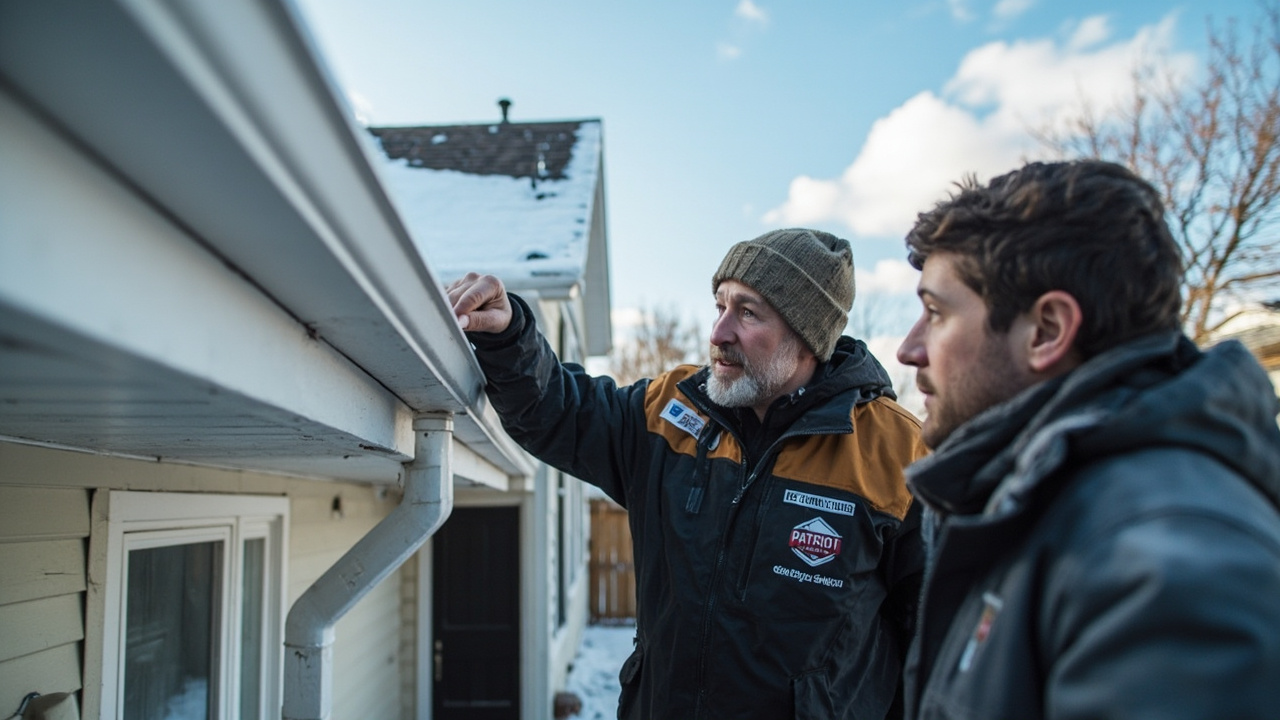
Schedule your inspection in October before temperatures drop below 40°F consistently. Walk the perimeter of your home with binoculars to check shingle condition, flashing integrity, and gutter status. Look for daylight through your attic boards, which indicates gaps where cold air enters. Document problem areas with photos. Check attic insulation depth and condition. Measure at least 10 inches of insulation between joists for proper R-value in Chicago climate zones.
02

Repair and Reinforcement

Address every identified issue before November. Replace damaged shingles while temperatures allow proper sealant adhesion. Reseal flashing with polyurethane or silicone rated for subzero temperatures. Clear all debris from gutters and valleys. Install gutter guards if recurring clogs create problems. Add insulation to reach R-49 value recommended for northern Illinois. Ensure soffit vents remain unblocked by insulation. Install a ridge vent if your roof lacks proper exhaust ventilation.
03

Monitoring and Emergency Prep

After the first heavy snow, inspect for ice dam formation along eaves. Look for icicles longer than six inches, which indicate poor thermal management. Keep a roof rake to remove snow from lower three feet of your roof after accumulations exceed eight inches. Store emergency tarps and contact information for rapid response contractors. Check your attic monthly during winter for moisture, frost on nails, or water stains. Early detection prevents minor issues from becoming structural emergencies during Chicago's coldest months.

Why Chicago Homeowners Trust Local Roofing Expertise

Chicago's winter weather demands local knowledge. We understand how lake effect snow behaves differently than inland precipitation. Lake effect creates wetter, heavier snow that loads roofs faster and compacts more densely than dry prairie snow. This difference matters when calculating safe load limits.

We know Chicago's neighborhood-specific challenges. Bungalows in Portage Park have different ventilation issues than three-flats in Logan Square. Historic homes in Hyde Park require specialized flashing techniques that preserve architectural details while meeting modern weatherproofing standards.

Local building codes reflect Chicago's climate reality. We work with these requirements daily, not as obstacles but as minimum standards we routinely exceed. Code compliance protects your insurance coverage and resale value. A roof installed by contractors unfamiliar with local amendments may pass initial inspection but fail during Chicago's winter stress test.

We stock materials rated for Chicago conditions. Not all shingles perform equally at negative temperatures. We use products tested for freeze-thaw cycling, high wind uplift, and impact resistance from ice. Our suppliers maintain local inventory so repairs happen quickly when winter damage occurs.

First Choice Roofing Atlanta brings this Chicago-specific expertise to every winter preparation project. We have navigated thousands of Chicago winters and learned which shortcuts cause February emergency calls. Our roof maintenance checklist for winter addresses the actual failure points we see year after year in Chicago neighborhoods.

We respond when winter damage happens. Lake effect storms arrive with little warning. Your roof needs attention from contractors who stock emergency materials and staff for rapid response. Local presence means faster service when ice dams flood your bedroom or wind tears your shingles during a polar vortex.

What to Expect from Professional Winter Roof Preparation

Timing and Scheduling Flexibility

We schedule pre-winter inspections from September through early November when weather remains cooperative. Most homeowners book in October after summer heat passes but before autumn storms arrive. Inspection takes 60 to 90 minutes depending on roof size and complexity. We work around your schedule with early morning, evening, and weekend availability. Emergency winter repairs happen within 24 hours when active leaks threaten your home. We tarp damaged areas immediately to stop water intrusion, then schedule permanent repairs when temperatures allow proper installation. Material curing requires temperatures above 40°F, which limits winter repair windows.

Comprehensive Documentation and Planning

Our inspection includes roof surface examination, attic assessment, and thermal imaging to identify heat loss. We photograph problem areas and provide a written report ranking issues by urgency. You receive a detailed scope of work explaining each repair, why it matters for Chicago winters, and how it prevents specific failure modes. We explain material choices and why certain products outperform alternatives in cold weather. If your roof shows advanced age or widespread damage, we discuss whether repair or replacement makes better financial sense before winter. Our assessment helps you budget appropriately and prioritize spending on highest-risk vulnerabilities.

Quality Materials and Installation Standards

We install Class 4 impact-resistant shingles rated for 130 mph wind when replacing damaged sections. All sealants remain flexible to negative 20°F to prevent winter cracking. Ice and water shield covers valleys, eaves, and penetrations as required by Chicago code. We hand-seal every shingle tab on roof edges and hips where wind uplift concentrates. Flashing receives double bead sealant application. Fasteners penetrate fully into decking with proper spacing to prevent thermal bridging. Your completed roof meets or exceeds manufacturer specifications for Chicago climate zone. Material selection focuses on longevity under freeze-thaw stress rather than initial cost savings.

Post-Installation Support and Monitoring

After completing your winter preparation, we provide a maintenance schedule for the coming months. You receive guidance on safe snow removal, ice dam prevention, and when to call for professional help. We offer mid-winter check-ins after major storms to identify emerging problems before they cause interior damage. Spring follow-up inspections assess how your roof survived winter and identify any maintenance needs before summer storms arrive. Our documentation supports insurance claims if winter weather causes damage despite proper preparation. We maintain detailed records of all work, materials, and manufacturer certifications. This documentation proves proper installation and protects your investment long-term.

Frequently Asked Questions

You Have Questions,
We Have Answers

What do roofers do in the winter time? +

Roofers in winter focus on emergency repairs, ice dam removal, and interior work. In Chicago, freeze-thaw cycles create urgent leak repairs that cannot wait until spring. Professionals clear snow buildup to prevent structural stress, address damaged flashing, and repair storm damage. When temperatures allow, they complete full replacements using cold-weather installation methods. Many roofers also conduct attic inspections, improve ventilation, and handle insurance claims during slower months. Winter roofing requires specialized techniques because shingle adhesives bond poorly below 40 degrees, so contractors use hand-sealing methods and strategic scheduling around temperature windows.

How to prepare your roof for winter? +

Start by cleaning gutters and downspouts to prevent ice dams. Inspect shingles for cracks, missing granules, or lifted edges. Check flashing around chimneys, vents, and skylights for gaps. Trim overhanging tree branches that could drop under snow weight. Examine attic insulation and ventilation. Poor airflow causes heat escape that melts snow, creating dangerous ice dams. In Chicago, look for daylight through roof boards or water stains on ceilings. Seal any penetrations. Consider a professional inspection before November. Address small problems now before winter weather turns them into expensive emergency repairs requiring tarps or interior damage restoration.

Should I put an ice and water shield on my entire roof? +

No. Ice and water shield belongs in vulnerable areas, not everywhere. Install it along eaves (first three to six feet), in valleys, around chimneys, and near skylights. Chicago building code requires coverage based on roof pitch. Full-roof application wastes money and can trap moisture in the decking, causing rot. The membrane creates a watertight barrier where ice dams form or wind-driven rain penetrates. Standard underlayment handles the rest of the roof. Valleys channel heavy water flow. Eaves face the worst ice dam risk. Focus protection where freeze-thaw cycles create problems, not on areas that drain properly.

What temperature is too cold for roofing? +

Most manufacturers prohibit installation below 40 degrees Fahrenheit. Asphalt shingles need warmth to activate the adhesive strip that seals them down. In Chicago winters, roofers work when temperatures rise or use special cold-weather techniques. Hand-sealing each shingle with roofing cement compensates for inactive adhesives. Some synthetic materials install in colder conditions. Emergency repairs happen regardless of temperature using tarps and temporary fixes. Metal roofing tolerates cold better than asphalt. Plan replacements for spring or fall. Winter installations risk shingles lifting during the first windstorm because the seal never formed properly. Temperature matters more than homeowners realize.

How to seal shingles in cold weather? +

Use roofing cement or adhesive specifically rated for cold weather. Lift each shingle tab gently and apply a quarter-sized dollop of sealant underneath. Press down firmly and hold for several seconds. In Chicago, do this work during the warmest part of the day when shingles are pliable. Cold shingles crack easily. You can warm small areas with a heat gun on low setting, but never use open flames. Apply sealant to all loose or lifted shingles before snow arrives. This hand-sealing method mimics what the factory adhesive strip does in warm weather. Check your work after the first thaw.

Does roof Maxx really work? +

Roof Maxx is a soy-based treatment that restores flexibility to aging asphalt shingles. It penetrates the shingle and replaces lost petroleum oils. Independent testing shows it can extend roof life by five years per application. In Chicago, where freeze-thaw cycles make brittle shingles crack, it offers a budget alternative to replacement. The treatment works best on roofs with 10 to 15 years of life remaining. It cannot fix structural damage, missing shingles, or failed underlayment. Results vary based on existing roof condition. The product is not a miracle cure, but it does delay replacement for moderately aged roofs showing normal wear.

Can I apply roof Maxx myself? +

No. Roof Maxx requires certified applicators using calibrated spray equipment. The application rate must be precise. Too little provides no benefit. Too much wastes product and money. Professionals assess whether your roof qualifies for treatment. They inspect for structural issues that Roof Maxx cannot address. The spray equipment ensures even coverage across thousands of square feet. In Chicago, applicators understand how local weather affects treatment timing and curing. DIY application voids any product warranty. The treatment also requires safety equipment for working on pitched roofs. Hire a certified contractor. The labor cost is minimal compared to the specialized equipment and expertise required.

How long can I leave a tarp on my roof? +

A tarp is a temporary emergency fix, not a solution. Leave it no longer than 90 days. In Chicago winters, wind and snow load can tear tarps loose, causing more damage. Secure tarps with wood strips screwed through the tarp into roof decking, not just over shingles. Do not use sandbags, they slide off. Tarps trap moisture against the roof, promoting rot and mold. Schedule permanent repairs as soon as weather permits. Insurance companies expect you to mitigate damage quickly. Extended tarp coverage signals neglect. Use tarps to stop active leaks during storms, then get professional repairs completed before the next weather event.

Should I insulate the underside of my roof? +

It depends on your roof design. Cathedral ceilings with no attic space need insulation between rafters with proper ventilation channels. Standard attic spaces require insulation on the attic floor, not the roof deck. In Chicago, insulating the underside creates a conditioned attic, which changes ventilation requirements and can trap moisture. Most homes perform better with attic floor insulation and good ridge and soffit vents. This keeps the roof deck cold, preventing ice dams. Consult a professional before changing your insulation strategy. Improper placement causes condensation, mold, and rotted sheathing. Code requirements vary based on your home design and heating system.

What damages the roof the most? +

Chicago weather causes the most roof damage. Freeze-thaw cycles crack shingles and open seams. Ice dams force water under shingles into the home. Wind tears loose or missing shingles. Hail creates bruising that shortens lifespan. Poor installation amplifies every weather problem. Inadequate ventilation traps heat and moisture, rotting the deck from inside. Clogged gutters overflow and damage fascia, causing water to wick into the roof structure. Tree branches puncture shingles during storms. Age deteriorates materials naturally, but Chicago winters accelerate every form of wear. Regular inspections catch small problems before weather turns them into replacements.

How Lake Michigan Weather Patterns Intensify Winter Roof Stress in Chicago

Lake Michigan remains unfrozen throughout most winters, creating a moisture source that intensifies snowfall across Chicago's eastern neighborhoods. As arctic air moves across the relatively warm lake water, it picks up moisture and dumps snow in concentrated bands. Neighborhoods from Rogers Park to South Shore receive 20 to 30 percent more snow than western suburbs. This lake effect pattern creates uneven snow loading, heavier accumulation on windward roof slopes, and rapid buildup that gives homeowners little warning. Your winter roof care guide must account for this hyper-local weather phenomenon that makes Chicago roofs more vulnerable than locations just 15 miles inland.

Chicago roofing contractors who understand these patterns provide better service than national chains rotating crews through the region. We track which neighborhoods get hit hardest during lake effect events and prioritize emergency response accordingly. Our familiarity with Chicago's housing stock means we know which roof designs handle snow loading poorly and which architectural features create ice dam vulnerabilities. Winterizing your roof requires this neighborhood-level knowledge combined with technical expertise in cold climate roofing systems. Proper preparation reflects both general roofing principles and specific adaptation to Chicago's unique position on Lake Michigan's southwestern shore.
Roofing Services in The Chicago Area

Patriot Roofing is proud to be a locally owned and operated business committed to serving our community and the surrounding areas. Our deep understanding of the local climate and architectural styles allows us to provide roofing solutions that are perfectly suited to the unique needs of our clients. We invite you to explore our service area and see why so many residents trust us for all their roofing needs.

Address:
Patriot Roofing Chicago, 2111 S Halsted St, Chicago, IL, 60608

Additional Services We Offer

Our news updates

Latest Articles & News from The Blogs

How to Maintain the Integrity of Steep-Pitched Tudor Roofs in Lincoln Square Steep-pitched Tudor roofs dominate the architectural landscape of…

How to Maintain the Integrity of Steep-Pitched Tudor Roofs in Lincoln Square

How to Maintain the Integrity of Steep-Pitched Tudor Roofs in Lincoln Square Steep-pitched Tudor roofs dominate the architectural landscape of…

Dealing with Extra Wear and Tear on Hegewisch Roofs Near Industrial Areas

Dealing with Extra Wear and Tear on Hegewisch Roofs Near Industrial Areas If you live in Hegewisch near Chicago’s industrial…

The Benefits of Investing in Impact-Resistant Shingles for Your Austin Neighborhood Home

The Benefits of Investing in Impact-Resistant Shingles for Your Austin Neighborhood Home Chicago’s location in the Midwest makes it particularly…

Contact Us

Schedule your pre-winter roof inspection today. Call First Choice Roofing Atlanta at (773) 599-7055. We identify vulnerabilities, complete repairs before the first snow, and keep your home protected through Chicago's harshest months. Do not wait until damage forces an emergency call.