
menu

Roof Cricket Drainage Issues in Chicago – Expert Diagnosis and Permanent Solutions

When water pools behind your chimney or roof saddle, you need a roofer who understands Chicago's freeze-thaw cycles and can rebuild crickets to the correct pitch before interior damage spreads.

Slider Image 1
Slider Image 2
Slider Image 3
Slider Image 4
Slider Image 5
Slider Image 7
Slider Image 8
Slider Image 9
Slider Image 10
Slider Image 11

Why Roof Crickets Fail in Chicago's Climate

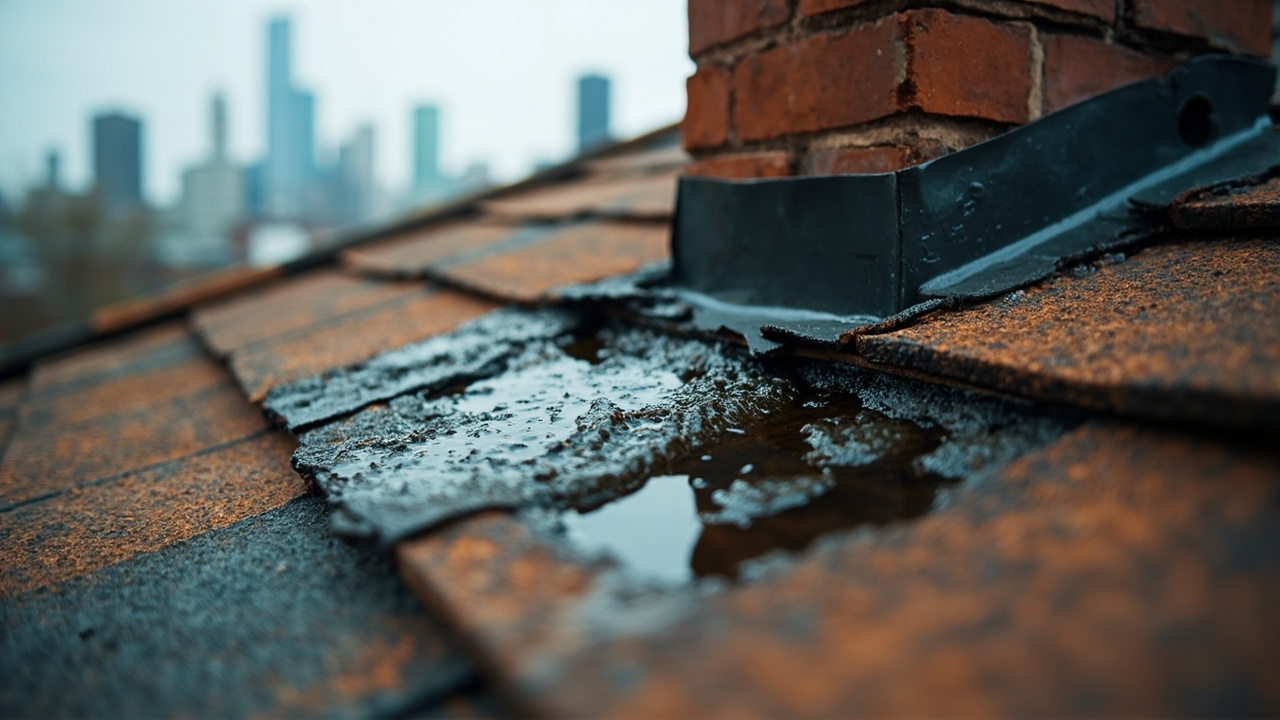
You see water stains on the ceiling near your chimney. The drywall buckles. Every heavy rain makes it worse. This is not a flashing problem. This is chimney saddle water pooling caused by a roof cricket that was built wrong from the start or has degraded over time.

Chicago's freeze-thaw cycles make improper cricket pitch a disaster waiting to happen. Water pools behind the chimney, freezes overnight, expands, and breaks down shingles, underlayment, and eventually the roof deck. By spring, what started as minor roof cricket ponding has turned into rotted decking and mold growth in your attic.

Most crickets fail for three reasons. The pitch is too shallow, so water cannot drain fast enough during heavy downpours. The flashing integration is incorrect, creating gaps where water sneaks under the shingles. Or the saddle was never built at all, and the roofer just slapped flashing against the chimney and called it done.

In older Chicago neighborhoods like Lincoln Park and Wicker Park, we see chimney diverter leaks on nearly every steep-roof home built before 1980. The original roofers used tar and metal without understanding drainage mechanics. The result is roof saddle drainage failure that only gets worse with every storm.

If water pools behind your chimney for more than a few hours after rain, you have a cricket problem. The longer you wait, the more expensive the fix becomes. Rotted decking means structural repairs. Mold means remediation costs. Interior damage means drywall, insulation, and paint.

Why Roof Crickets Fail in Chicago's Climate
How We Fix Cricket Drainage Problems Correctly

How We Fix Cricket Drainage Problems Correctly

We do not patch crickets. We rebuild them to the correct specifications so water cannot pool.

The first step is removing the shingles and flashing around the chimney to expose the cricket structure. Most times, we find no cricket at all, just a flat deck with flashing laid over it. Other times, the cricket exists but the pitch is too shallow. We measure the slope with a digital level. Any cricket under 4/12 pitch will pond water in a Chicago rainstorm.

We rebuild the cricket using dimensional lumber and plywood, creating a peaked saddle that diverts water to both sides of the chimney. The peak must be high enough to create positive drainage, even during a two-inch-per-hour downpour. We integrate step flashing and counter-flashing into the masonry, not just surface-mounted against the brick.

The underlayment is ice-and-water shield, not felt paper. We extend it 18 inches beyond the cricket base on all sides to create a secondary waterproof barrier. This is critical in Chicago, where ice dams form on north-facing chimneys during January thaw cycles.

Once the cricket is built, we install dimensional shingles using the closed-valley method, weaving the shingles into the saddle slopes for a seamless bond. We do not use open valleys with metal flashing, which creates leak points over time.

The final step is counter-flashing into the chimney mortar joints. We cut reglets into the brick, insert flashing, and repoint the mortar. This creates a mechanical bond that will not pull away during expansion and contraction cycles.

What Happens During a Cricket Rebuild

Roof Cricket Drainage Issues in Chicago – Expert Diagnosis and Permanent Solutions
01

Tear-Off and Inspection

We remove shingles and flashing around the chimney to expose the existing cricket structure. Most failures happen because no cricket exists or the pitch is too shallow. We measure the deck slope and check for water damage to the plywood. If the decking is soft or stained, we replace it before rebuilding the saddle.
02

Cricket Framing and Waterproofing

We frame a new peaked saddle using dimensional lumber, creating a minimum 4/12 pitch to ensure positive drainage. The saddle gets sheathed with plywood and covered with ice-and-water shield. We integrate step flashing into the saddle slopes and counter-flashing into the chimney masonry, cutting reglets into the mortar joints for a mechanical bond that will not fail.
03

Shingle Integration and Testing

We install shingles using the closed-valley method, weaving them into the cricket slopes for a seamless waterproof bond. The final step is a water test. We run a hose at the chimney base for 20 minutes, checking for pooling or slow drainage. If water clears within 60 seconds, the cricket is built correctly.

Why Chicago Homeowners Choose Patriot Roofing Chicago for Cricket Repairs

Most roofers do not understand cricket geometry. They eyeball the pitch, skip the ice-and-water shield, and use surface-mounted flashing instead of counter-flashing into the masonry. The result is a repair that fails within three years.

We build crickets to the specifications outlined in the International Residential Code, which Chicago adopted in its municipal code. That means a minimum 4/12 pitch for positive drainage, ice-and-water shield at all vulnerable points, and mechanically bonded counter-flashing. These are not suggestions. They are requirements.

We have rebuilt crickets on Chicago bungalows in Portage Park, two-flats in Logan Square, and Victorian homes in Pullman. Every neighborhood has its own roof challenges. Bungalows have shallow pitches and wide chimneys, which makes cricket design tricky. Two-flats have chimneys that serve multiple units, so drainage failure affects more people. Victorian homes have ornate masonry and historic materials, which require careful flashing integration.

Our crews understand the difference between new construction and retrofit work. On a new build, you frame the cricket before sheathing the roof. On a retrofit, you are working around existing structures and trying not to damage sound materials. This requires precision cuts and careful tear-off.

We also understand Chicago weather. Your roof will see snow, ice, rain, and wind in the same week during March and November. A cricket that works fine in July might pond water in April when snow melt and rain happen at the same time. We design for worst-case scenarios, not average conditions.

When we leave your property, the cricket will drain water in under 60 seconds, even during a heavy storm. That is the standard.

What to Expect When You Call Us

Response Time

We schedule inspections within 48 hours of your call. If you have active leaking or interior water damage, we can tarp the area and stabilize the problem while we prepare a detailed repair plan. Most cricket rebuilds take two to three days, depending on the size of the chimney and the extent of decking damage. We do not stretch jobs to fill time. We get in, fix it right, and get out.

The Inspection Process

We inspect from the roof, not the ground. We measure the existing cricket pitch, check flashing integration, and look for water stains on the decking. We take photos and measurements, then explain what failed and why. You get a written estimate that breaks down materials, labor, and any additional repairs like decking replacement or attic mold remediation. No surprises.

The Final Product

When we finish, you get a cricket that sheds water in under 60 seconds, even during a heavy downpour. The shingles integrate seamlessly into the saddle slopes. The flashing is mechanically bonded into the masonry, not just surface-mounted. The underlayment is ice-and-water shield, not felt paper. You also get photos of the completed work and a breakdown of what we replaced.

Maintenance and Monitoring

A properly built cricket requires no maintenance beyond standard roof inspections. We recommend checking the area after major storms for the first year to confirm drainage is working as designed. If you notice any water pooling or slow drainage, call us immediately. We will come back and verify the pitch and flashing integration at no charge during the first year.

Frequently Asked Questions

You Have Questions,
We Have Answers

Does rooftop cricket damage roofs? +

Rooftop crickets themselves do not damage roofs. They protect your roof. A cricket is a peaked structure installed behind chimneys or other large rooftop penetrations to divert water and debris away from vulnerable areas. Without a cricket, water pools behind the chimney during Chicago's heavy spring rains and snowmelt. This pooling accelerates flashing deterioration and causes leaks. The cricket prevents standing water, which extends the life of your flashing and underlayment. If you notice water staining near your chimney inside your attic, the issue is likely a missing or improperly installed cricket.

What are the signs of a failing roof drain? +

Failing roof drains show clear warning signs. Look for standing water that remains on your flat or low-slope roof more than 48 hours after rain. You might notice rust stains around the drain opening or visible debris clogs from leaves and tar gravel. Inside, water stains on ceilings near drain locations indicate overflow issues. During Chicago's freeze-thaw cycles, ice buildup around drains signals poor drainage that will worsen. Slow drainage during rainstorms means the system cannot handle volume. Sagging or ponding water creates weight stress on roof membranes. Address these signs quickly to prevent membrane failure.

What is a drainage cricket? +

A drainage cricket is a triangular or peaked diverter built on flat or low-slope roofs to redirect water flow toward drains. Crickets prevent water from pooling in valleys or behind rooftop obstacles like HVAC units and chimneys. They are typically framed with wood or metal and covered with the same roofing membrane as the main roof. In Chicago, where heavy rains and snow create drainage challenges, crickets are critical for flat commercial roofs and residential low-slope applications. Proper cricket design ensures water moves efficiently to scuppers or internal drains, preventing membrane deterioration and leak risk.

When should I consider a roof cricket? +

Consider a roof cricket when you have a chimney, skylight, or large rooftop penetration on a sloped roof. Building codes often require crickets for chimneys wider than 30 inches to prevent water pooling on the uphill side. If you notice water stains in your attic near the chimney or experience leaks during heavy Chicago rainstorms, a cricket installation can solve the problem. Low-slope roofs with ponding water issues also benefit from crickets to redirect flow toward drains. New construction and chimney replacements are ideal times to add a cricket. Retrofitting one prevents future water damage.

Can crickets cause structural damage? +

Yes, crickets can cause structural damage if improperly installed or maintained, but this is rare. A poorly framed cricket that traps water instead of diverting it accelerates rot in roof decking and framing. However, correctly installed crickets prevent structural damage by eliminating standing water that weakens roof systems. The confusion comes from conflating crickets with insect crickets. Roof crickets are structural elements, not pests. In Chicago's climate, water infiltration from missing or failed crickets leads to mold growth, insulation damage, and ceiling collapse over time. The cricket itself protects your structure when designed properly.

Should you try to remove an ice dam on your roof in winter? +

Do not try to remove an ice dam yourself. Climbing on an icy Chicago roof in winter is dangerous. Chipping away ice with tools damages shingles, flashing, and gutters. Hot water can crack cold shingles. Instead, call a professional who uses low-pressure steam to safely melt the dam without roof damage. You can reduce interior damage by using a roof rake to remove snow from eaves while standing on the ground. Improve attic insulation and ventilation to prevent future dams. Emergency removal is necessary only if water is actively leaking inside. Professionals have the right equipment and safety training.

How much does it cost to replace a roof drain? +

Roof drain replacement costs vary based on drain type, roof accessibility, and membrane repairs needed. You cannot get an accurate estimate without an on-site inspection. Factors include whether the drain is internal or scupper-style, the condition of surrounding membrane, and structural reinforcement requirements. Commercial flat roofs often have more complex drainage systems than residential low-slope roofs. In Chicago, winter access adds labor costs. Expect the project to include flashing replacement and membrane tie-in work around the new drain. Get multiple quotes from licensed commercial roofers who specialize in flat roof drainage systems.

Does homeowners insurance pay for a leaky roof? +

Homeowners insurance usually covers roof leaks caused by sudden, accidental damage like storm winds or fallen trees. Leaks from poor maintenance, wear and tear, or neglect are not covered. If a Chicago winter storm damages your roof cricket or flashing and causes a leak, you likely have coverage. Document the damage immediately with photos and contact your insurer before making repairs beyond emergency tarping. Insurance will not pay for a leaky roof caused by deferred maintenance or an aging system. Review your policy's exclusions. Age of the roof affects claim approval and depreciation calculations.

How to tell if a roofer is lying? +

A dishonest roofer pressures you to decide immediately or claims storm damage that does not exist. They demand full payment upfront or offer unusually low bids that seem too good. Watch for vague contracts without material specifications or timelines. Legitimate Chicago roofers provide detailed written estimates, proof of insurance, and local references you can verify. They explain what they found and why repairs are needed without scare tactics. Be wary of door-knockers after storms offering free inspections with no local address. Check online reviews and verify their business license. Trust your gut if something feels wrong.

Do roof crickets need to be inspected? +

Yes, roof crickets need inspection as part of regular roof maintenance. Check crickets annually for flashing separation, membrane cracking, and proper water diversion. After Chicago's harsh winters, inspect for ice damage and ponding water that indicates the cricket has settled or failed. Look for debris accumulation that blocks water flow. Professional roof inspections should include cricket evaluation, especially around chimneys and large penetrations. Catching small flashing gaps early prevents major leaks. If your roof is over 15 years old, increase inspection frequency. Crickets often fail before the main roof because they handle concentrated water flow.

How Chicago's Freeze-Thaw Cycles Destroy Improperly Built Crickets

Chicago sees an average of 30 freeze-thaw cycles every winter. Water pools behind your chimney during a March snowmelt, then freezes overnight when temperatures drop to 20 degrees. Ice expands, lifting shingles and breaking down underlayment. By April, the same pooling water has created a leak path straight into your attic. A cricket with improper cricket pitch cannot drain fast enough during rapid melt cycles, which is why so many Chicago roofs fail in early spring.

Patriot Roofing Chicago has rebuilt crickets on homes across the city, from Ravenswood to Beverly. We understand the specific challenges of Chicago's climate and building styles. We know that bungalow chimneys need wider saddles and that two-flats require careful flashing integration to prevent cross-unit leaks. When you hire a local crew, you get a team that has seen every failure mode and knows how to prevent it.
Roofing Services in The Chicago Area

Patriot Roofing is proud to be a locally owned and operated business committed to serving our community and the surrounding areas. Our deep understanding of the local climate and architectural styles allows us to provide roofing solutions that are perfectly suited to the unique needs of our clients. We invite you to explore our service area and see why so many residents trust us for all their roofing needs.

Address:
Patriot Roofing Chicago, 2111 S Halsted St, Chicago, IL, 60608

Additional Services We Offer

Our news updates

Latest Articles & News from The Blogs

How to Maintain the Integrity of Steep-Pitched Tudor Roofs in Lincoln Square Steep-pitched Tudor roofs dominate the architectural landscape of…

How to Maintain the Integrity of Steep-Pitched Tudor Roofs in Lincoln Square

How to Maintain the Integrity of Steep-Pitched Tudor Roofs in Lincoln Square Steep-pitched Tudor roofs dominate the architectural landscape of…

Dealing with Extra Wear and Tear on Hegewisch Roofs Near Industrial Areas

Dealing with Extra Wear and Tear on Hegewisch Roofs Near Industrial Areas If you live in Hegewisch near Chicago’s industrial…

The Benefits of Investing in Impact-Resistant Shingles for Your Austin Neighborhood Home

The Benefits of Investing in Impact-Resistant Shingles for Your Austin Neighborhood Home Chicago’s location in the Midwest makes it particularly…

Contact Us

If water pools behind your chimney after every rain, call us now at (773) 599-7055. We will inspect your cricket, explain what failed, and rebuild it to the correct pitch. Do not wait until the ceiling caves in.