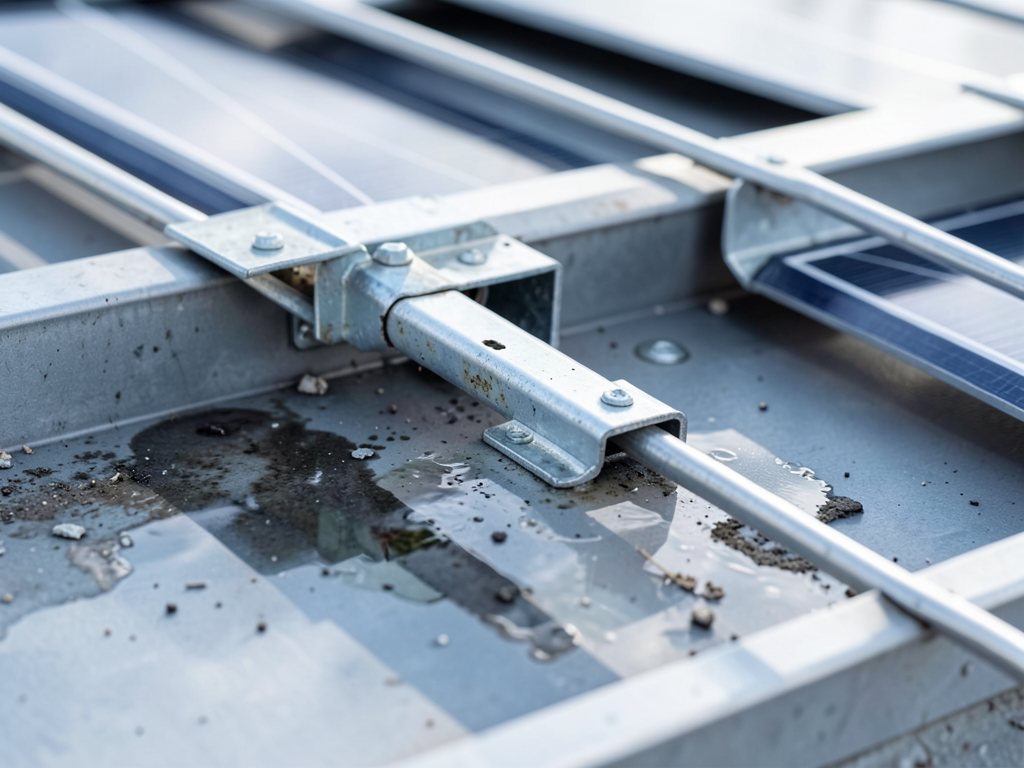




Chicago experiences an average of 30 to 40 freeze-thaw cycles each winter, creating unique stress on roofing systems that certification reports must address. Water penetrates minor cracks and gaps, freezes overnight, expands with enough force to split shingles and separate flashing, then thaws during the day to penetrate deeper into the roof assembly. This cycle repeats throughout winter, accelerating deterioration that might take years in milder climates. Roof certification in Chicago requires specific evaluation of ice dam vulnerability, flashing expansion joint condition, and shingle flexibility under temperature stress. Properties without proper ice and water shield installation in valleys and eaves face higher failure risk and shortened certification periods.
Chicago building codes have evolved significantly over the past 40 years, creating certification challenges for older properties that may not meet current standards. Inspectors must distinguish between code-compliant installations from their era and deficiencies requiring immediate correction. Properties in historic districts face additional complexity since exterior alterations require landmark commission approval, which affects repair timelines and certification conditions. Lenders and insurers working in Chicago understand these local nuances and expect roof certification reports to address grandfather clause applicability, required versus recommended upgrades, and realistic service life estimates based on local weather patterns rather than manufacturer claims developed for moderate climates.