
menu

Water Stains on Ceiling in Chicago – Expert Diagnosis Stops Hidden Roof Damage Before It Spreads

Chicago homeowners trust Patriot Roofing Chicago to trace ceiling water marks, brown spots, and yellow ceiling stains back to their source, stopping rot, mold, and structural damage before minor leaks turn into expensive emergencies across the greater Chicago metro.

Slider Image 1
Slider Image 2
Slider Image 3
Slider Image 4
Slider Image 5
Slider Image 7
Slider Image 8
Slider Image 9
Slider Image 10
Slider Image 11

Why Chicago Homes Develop Ceiling Water Stains Year After Year

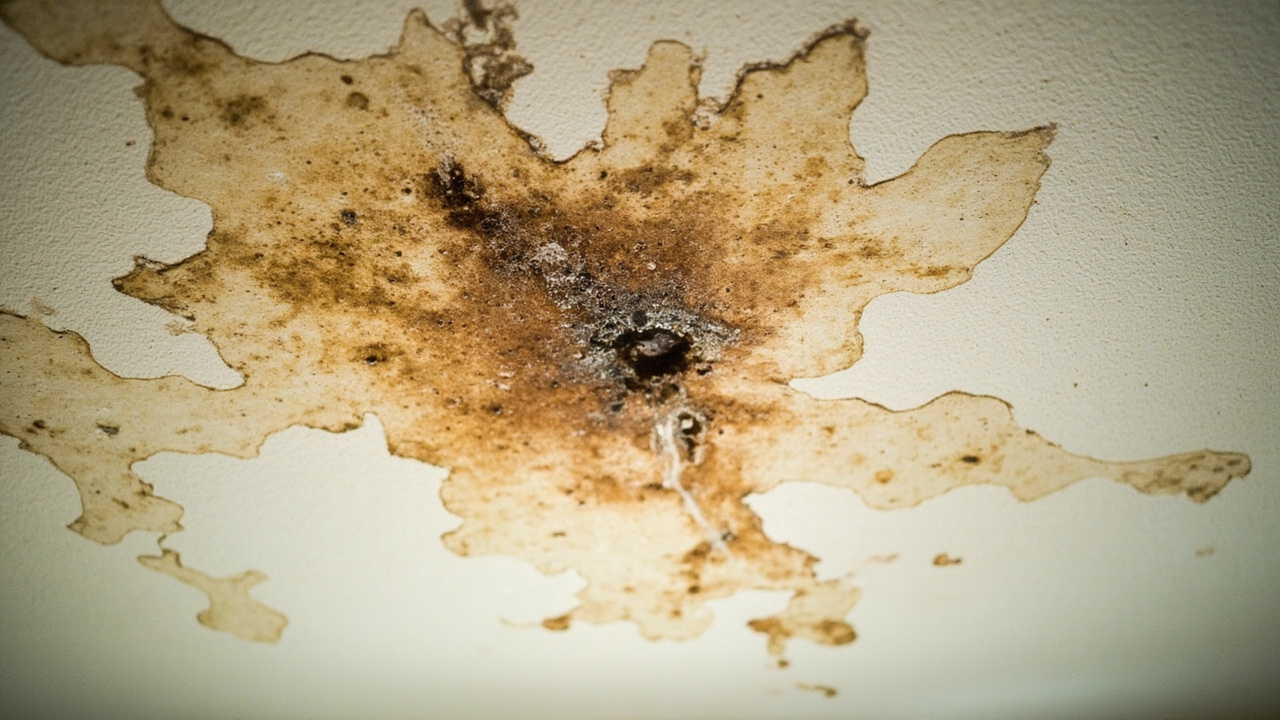
You walk into your bedroom and notice a small brown spot on the ceiling. A few weeks later, it is bigger. Yellow ceiling stains spread outward. The drywall feels soft to the touch. You wonder if it is just humidity, condensation, or something worse.

Chicago's freeze-thaw cycles make roof leaks inevitable. When snow piles up on your roof in January, it melts during the day and refreezes at night. Ice dams form along the eaves, forcing water under shingles and through the roof deck. That water migrates down through your attic insulation and emerges as ceiling discoloration in your living room or bedroom.

Summer thunderstorms hit the city with wind-driven rain that finds gaps in flashing around chimneys and vent pipes. Heavy downpours overwhelm clogged gutters, sending water back up under the drip edge. The result is damp ceiling patches that appear hours or days after the storm passes.

Older homes in neighborhoods like Lincoln Park and Wicker Park have multiple layers of roofing material. When the top layer fails, water gets trapped between the old shingles and the new ones, pooling until it finds a seam. The first sign is a faint water mark on your ceiling. By the time you see brown spots on the ceiling, the roof deck may already be rotting.

Ceiling water marks are not cosmetic problems. They are evidence of active leaks that damage insulation, promote mold growth, and weaken structural framing. Ignoring them turns a simple flashing repair into a full roof replacement.

Why Chicago Homes Develop Ceiling Water Stains Year After Year
How Patriot Roofing Chicago Traces Ceiling Stains to the Exact Leak Source

How Patriot Roofing Chicago Traces Ceiling Stains to the Exact Leak Source

Most contractors look at your ceiling stain and guess where the leak is coming from. That approach fails because water rarely travels straight down. It follows rafters, runs along electrical cables, and drips from the lowest point, which may be ten feet away from the actual roof penetration.

Patriot Roofing Chicago uses a methodical tracing process. We start in your attic, looking for wet insulation, stained roof decking, and active drip points. We follow the water trail upward to the roof deck, then inspect the exterior for failed sealant, damaged shingles, or gaps in the flashing.

We check ridge vents for wind-driven rain infiltration. We inspect plumbing vent boots for cracked rubber seals. We examine chimney flashing for separated counterflashing or corroded step flashing. We look at skylights for deteriorated gaskets and check valley flashing for debris dams that redirect water under the shingles.

Once we identify the source, we assess the extent of the damage. If the roof deck is soft, we measure the affected area and determine whether a localized deck replacement is sufficient or if the rot has spread to multiple rafters. If insulation is soaked, we document it for your insurance claim and plan for removal.

We explain exactly what failed, why it failed, and what needs to happen to fix it permanently. You get a written scope of work that breaks down the roof repair, any deck replacement, flashing installation, and interior ceiling restoration. No vague estimates. No surprise charges. Just a clear plan to eliminate the leak and restore your ceiling to a dry, stable condition.

What Happens During Your Ceiling Stain Inspection and Roof Repair

Water Stains on Ceiling in Chicago – Expert Diagnosis Stops Hidden Roof Damage Before It Spreads
01

Attic and Ceiling Inspection

We enter your attic to locate the water entry point. Using a flashlight and moisture meter, we trace the stain back through the insulation to the roof deck. We document wet areas, measure moisture levels, and photograph the damage. This step identifies the leak source before we ever climb onto your roof, saving time and eliminating guesswork.
02

Roof Surface Diagnosis

We inspect the exterior roof for the failure point. This includes checking shingle condition, examining flashing around chimneys and vents, and testing sealant integrity. We look for missing granules, cracked boots, lifted shingles, and separated flashing. We also check for ice dam damage along the eaves and valley debris that could redirect water under the roofing material.
03

Repair and Restoration Plan

Once we pinpoint the leak, we provide a detailed repair plan. This includes removing damaged shingles, replacing rotted decking, installing new flashing, and sealing penetrations. We also address interior damage by coordinating with drywall contractors if needed. You receive a written estimate, timeline, and documentation for your insurance company before any work begins.

Why Chicago Homeowners Choose Patriot Roofing Chicago for Leak Detection

Chicago building codes require specific flashing techniques and ice dam protection. Patriot Roofing Chicago knows the requirements for residential construction in Cook County and installs every repair to meet or exceed code standards. We understand the minimum slope requirements for different roofing materials and know when a low-slope section needs modified bitumen rather than asphalt shingles.

We work with your insurance company. When a storm damages your roof, we document the loss, photograph the affected areas, and provide detailed estimates that include line-item breakdowns for adjusters. We know what insurance companies cover and what they exclude, so you avoid claim denials based on improper documentation.

Patriot Roofing Chicago operates in neighborhoods across the city. We have repaired roofs in Lakeview, Rogers Park, Logan Square, and Hyde Park. We know the common roof styles in each area, from flat-roof coach houses in Bucktown to steep-pitched Victorians in Edgewater. That familiarity means faster diagnosis and accurate repair planning.

We do not subcontract leak repairs. Our crew handles every phase of the work, from attic inspection to final shingle installation. You deal with the same team from start to finish, eliminating miscommunication and delays.

When you call us about a ceiling stain, we schedule an inspection within 24 to 48 hours. We provide written findings the same day, so you can make an informed decision about the repair. If the leak is active and causing ongoing damage, we can install a temporary tarp to stop water intrusion while we prepare a permanent fix. Speed matters when rot is spreading.

What to Expect When You Schedule a Ceiling Stain Inspection

Inspection Scheduling and Response Time

We schedule most inspections within 24 to 48 hours of your call. If you have an active leak during a storm, we prioritize emergency tarp installation to stop further water intrusion while we plan the permanent repair. Inspections typically take 60 to 90 minutes, depending on attic access and roof complexity. You receive a written report and photo documentation the same day, so you can review the findings and decide how to proceed without waiting days for a follow-up.

Detailed Leak Diagnosis Process

We combine attic investigation with exterior roof inspection to trace the exact water entry point. Using moisture meters and thermal imaging when needed, we map the leak path from the ceiling stain back to the failed flashing, damaged shingle, or roof penetration. We explain what caused the failure, show you the damage with photos, and outline the required repairs. This diagnostic approach eliminates guesswork and prevents unnecessary roof work that does not address the actual problem.

Quality of Roof Repairs

Patriot Roofing Chicago installs all flashing repairs, deck replacements, and shingle work to meet Chicago building code requirements. We use ice and water shield along eaves and valleys in compliance with local standards for freeze-thaw protection. We match existing shingle colors and styles to maintain your roof's appearance. All penetrations receive proper counterflashing and sealant. The goal is a watertight repair that stops the leak permanently, not a temporary patch that fails in the next rainstorm.

Post-Repair Documentation and Follow-Up

You receive detailed photos of the completed work, including before-and-after images of the repaired area. We provide a written summary of all repairs for your records and insurance company. If interior ceiling restoration is required, we coordinate with trusted contractors to handle drywall replacement and painting. We follow up after the next significant rain event to confirm the repair eliminated the leak. If any issues arise, we return to inspect and address them at no additional diagnostic charge.

Frequently Asked Questions

You Have Questions,
We Have Answers

Is a water stain on a ceiling serious? +

Yes. A water stain signals active or past moisture intrusion. Even if the leak stopped, the drywall or plaster absorbed water and weakened the structural integrity. In Chicago's freeze-thaw cycles, hidden moisture can expand and contract, worsening damage. Stains also create conditions for mold growth within 24 to 48 hours. The source could be a roof leak, burst pipe, HVAC condensation, or ice dam runoff common in Chicago winters. Ignoring it risks ceiling collapse, electrical hazards, and costly mold remediation. Get a professional inspection to identify the source and assess hidden damage before it spreads.

How do you get rid of water stains on the ceiling? +

You must fix the source first. Treating the stain without stopping the leak wastes time and money. Once dry, scrape loose paint or plaster. Apply a stain-blocking primer like oil-based Kilz to seal the discoloration and prevent bleed-through. Let it cure fully. Then apply two coats of ceiling paint. In Chicago's humid summers, use a dehumidifier during drying to prevent mold. If the drywall feels soft or sags, replacement is necessary. Do not skip the primer. Water stains contain tannins and minerals that bleed through standard paint, leaving you with a ghosted mark.

Why do I have water spots on my ceiling but no leak? +

Condensation is the usual suspect. In Chicago's temperature swings, warm indoor air hits cold ceiling surfaces and forms moisture droplets. Poor attic ventilation traps humid air, especially in older bungalows and two-flats. HVAC ducts without proper insulation sweat and drip. Bathroom exhaust fans venting into the attic instead of outside create moisture buildup. Ice dams during winter can melt and refreeze, causing intermittent dampness without visible dripping. Check your attic for ventilation issues, inspect ductwork for condensation, and verify exhaust fans vent outdoors. A thermal camera inspection pinpoints cold spots causing condensation.

What does a water leak look like on a ceiling? +

Look for discolored rings or patches, usually yellow, brown, or copper-toned. Fresh leaks appear darker and wet to the touch. Older stains fade to light yellow with defined edges. The ceiling may sag or bubble if drywall absorbed significant water. You might see peeling paint or flaking texture. In Chicago's older homes with plaster ceilings, water causes cracking and crumbling. Stains often spread outward from the leak source as water travels along joists or pipes. If you see multiple rings, the leak is recurring. Musty odors or visible mold growth around the stain confirm ongoing moisture problems.

Should I call a plumber for a ceiling stain? +

It depends on the location. If the stain appears below a bathroom, kitchen, or near plumbing fixtures, call a plumber to inspect supply lines, drain pipes, and fixtures. If the stain is directly under the roof or attic, contact a roofer to check for damaged shingles, flashing, or ice dam damage common in Chicago winters. For stains near HVAC vents, an HVAC technician should inspect condensation issues. Many Chicago contractors offer diagnostic services to pinpoint the source before you pay for unnecessary repairs. Start with the most logical trade based on stain location to save time and money.

What are signs of a serious ceiling issue? +

Sagging or bulging drywall means water pooled and compromised the structure. Visible mold growth, especially black or green patches, signals prolonged moisture exposure and potential health risks. Persistent musty odors indicate hidden mold in the ceiling cavity. Cracking or crumbling plaster, common in Chicago's vintage homes, shows severe water damage. Multiple stains or stains that reappear after repairs suggest ongoing leaks or systemic issues like poor roof drainage or foundation seepage. Electrical fixtures near stains pose shock or fire hazards. Any of these signs demand immediate professional assessment to prevent collapse, electrical danger, or mold spread throughout your home.

Can I just paint over a water stained ceiling? +

No. Painting over a water stain without proper prep guarantees failure. Water stains contain tannins, rust, and minerals that bleed through standard paint within days. You must apply a stain-blocking primer first. Even then, if the underlying drywall is soft, spongy, or damaged, paint will not fix the structural weakness. Chicago's humidity will reactivate the stain if moisture remains trapped. Skipping the source repair means the leak returns and ruins your paint job. Treat the stain like a symptom. Fix the cause, dry the area completely, prime with an oil-based blocker, then paint. Shortcuts create recurring problems.

How much does it cost to fix a wet spot in a ceiling? +

Repair costs range widely based on the source and damage extent. A simple drywall patch and paint after a minor leak might cost a few hundred dollars. If the roof needs flashing repair or shingle replacement, costs increase. Extensive water damage requiring joist repair, insulation replacement, or mold remediation can run several thousand dollars. Chicago's older housing stock often hides additional damage once you open the ceiling. Get multiple quotes from licensed contractors. Most offer free inspections to assess the scope. Focus on fixing the source first. Patching the ceiling without stopping the leak wastes money and guarantees repeat damage.

What are the common signs of a roof leak? +

Water stains on ceilings or upper walls, especially after rain or snowmelt, signal roof leaks. Missing, cracked, or curling shingles allow water penetration. Damaged flashing around chimneys, vents, or skylights is a common culprit in Chicago's freeze-thaw cycles. Ice dams during winter push water under shingles. Check your attic for daylight through the roof deck, wet insulation, or water stains on rafters. Exterior signs include granules from asphalt shingles in gutters or sagging rooflines. Moss or algae growth traps moisture. Leaks often travel along rafters before dripping, so the stain location may not match the roof damage.

Do water stains always mean mold? +

Not always, but mold grows fast in moist conditions. If the ceiling dried quickly and stayed dry, mold might not develop. However, mold spores need only 24 to 48 hours of moisture to colonize. Chicago's humid summers accelerate growth. Even if you do not see visible mold on the ceiling surface, it can grow inside the drywall cavity or attic space. Musty odors confirm hidden mold. Water stains from long-term leaks almost guarantee mold presence. A professional mold inspection uses moisture meters and air sampling to detect hidden growth. Do not assume the stain is harmless just because you do not see black spots.

How Chicago's Freeze-Thaw Cycles Turn Minor Roof Gaps Into Ceiling Stains

Chicago experiences an average of 38 freeze-thaw cycles each winter. When daytime temperatures rise above freezing and nighttime lows drop below 32 degrees, snow on your roof melts and refreezes repeatedly. This cycle creates ice dams along the eaves, forcing water under shingles and through the roof deck. The water migrates through your attic insulation and appears as brown spots on the ceiling or yellow ceiling stains in bedrooms and hallways. Homes built before updated building codes often lack proper ice and water shield protection, making them especially vulnerable to winter leak damage.

Patriot Roofing Chicago understands the specific roofing challenges that Chicago weather creates. We install all repairs to comply with Cook County building codes, which require enhanced ice dam protection in this climate zone. Our team has worked on thousands of Chicago homes, from vintage bungalows in Jefferson Park to modern construction in River North. That local experience means we recognize common failure points in different roof styles and know how to repair them correctly the first time, eliminating repeat leaks and ceiling water marks.
Roofing Services in The Chicago Area

Patriot Roofing is proud to be a locally owned and operated business committed to serving our community and the surrounding areas. Our deep understanding of the local climate and architectural styles allows us to provide roofing solutions that are perfectly suited to the unique needs of our clients. We invite you to explore our service area and see why so many residents trust us for all their roofing needs.

Address:
Patriot Roofing Chicago, 2111 S Halsted St, Chicago, IL, 60608

Additional Services We Offer

Our news updates

Latest Articles & News from The Blogs

How to Maintain the Integrity of Steep-Pitched Tudor Roofs in Lincoln Square Steep-pitched Tudor roofs dominate the architectural landscape of…

How to Maintain the Integrity of Steep-Pitched Tudor Roofs in Lincoln Square

How to Maintain the Integrity of Steep-Pitched Tudor Roofs in Lincoln Square Steep-pitched Tudor roofs dominate the architectural landscape of…

Dealing with Extra Wear and Tear on Hegewisch Roofs Near Industrial Areas

Dealing with Extra Wear and Tear on Hegewisch Roofs Near Industrial Areas If you live in Hegewisch near Chicago’s industrial…

The Benefits of Investing in Impact-Resistant Shingles for Your Austin Neighborhood Home

The Benefits of Investing in Impact-Resistant Shingles for Your Austin Neighborhood Home Chicago’s location in the Midwest makes it particularly…

Contact Us

Ceiling stains grow larger with every rainstorm. Call Patriot Roofing Chicago at (773) 599-7055 to schedule your leak inspection. We will trace the source, explain the damage, and provide a written repair plan within 48 hours.