
How to Read the Fine Print in Your Roofing Warranty Without Getting Confused
Roofing warranties can feel like reading a foreign language. Between manufacturer coverage, workmanship guarantees, and pages of exclusions, most Chicago homeowners sign contracts without understanding what they’re actually buying. Here’s how to cut through the confusion and protect your investment. Chicago Roofing Requirements.
The truth is, most warranty problems don’t come from defective materials—they come from homeowners not understanding what’s covered and what will void their protection. By the time you notice a leak, it might be too late to file a claim. Let’s break down exactly what you need to know before your next roofing project. Why More Naperville Homeowners are Switching to Metal Roofing This Year.
The Two Pillars of Coverage: Manufacturer vs. Workmanship Warranties
When you get a roofing quote, you’re actually buying two separate warranties. Understanding the difference could save you thousands. Is Solar Roofing Worth the Investment for Homes in Evanston?.
Manufacturer warranties cover the roofing materials themselves—shingles, underlayment, flashing. These are issued by companies like GAF, Owens Corning, or CertainTeed and typically range from 25 years to lifetime coverage. But here’s the catch: they only cover defects in the materials, not installation errors.
Workmanship warranties cover how the roof was installed. This is provided by your roofing contractor and covers mistakes like improper nailing, inadequate flashing, or ventilation issues. Most reputable Chicago contractors offer 5-10 year workmanship guarantees, but coverage varies dramatically between companies.

Think of it this way: if your shingles curl prematurely due to a manufacturing defect, the manufacturer warranty kicks in. If they curl because they weren’t installed correctly, only the workmanship warranty helps you. Both need to be solid for complete protection.
What Does a Typical Roofing Warranty Cover? (And What It Doesn’t)
Most homeowners assume warranties cover everything that can go wrong with their roof. They don’t. Here’s what’s typically included:
| Component | Manufacturer Coverage | Workmanship Coverage |
|---|---|---|
| Asphalt Shingles | 25-50 years (prorated after 10) | Usually not covered |
| Underlayment | 10-30 years | Usually not covered |
| Flashing | Often excluded | 5-10 years |
| Vents/Exhausts | Often excluded | 5 years |
| Labor for Repairs | Often excluded after first year | 5-10 years |
Notice what’s missing? Most warranties don’t cover damage from storms, falling trees, or normal wear and tear. They also rarely cover the cost of tearing off old materials or disposing of failed components.
Understanding Prorated vs. Non-Prorated Coverage
This is where most homeowners get confused. A 50-year warranty sounds great until you realize it’s prorated after year 10.
Non-prorated coverage means the manufacturer pays 100% of replacement costs for defects during the entire coverage period. This is rare and usually only applies to premium “Golden Pledge” or “Platinum Protection” warranties.
Prorated coverage means your protection decreases each year. A 50-year prorated warranty might pay 100% in year 11, but only 50% by year 25, and just 10% by year 45. You’re essentially paying more of the replacement cost as time goes on.
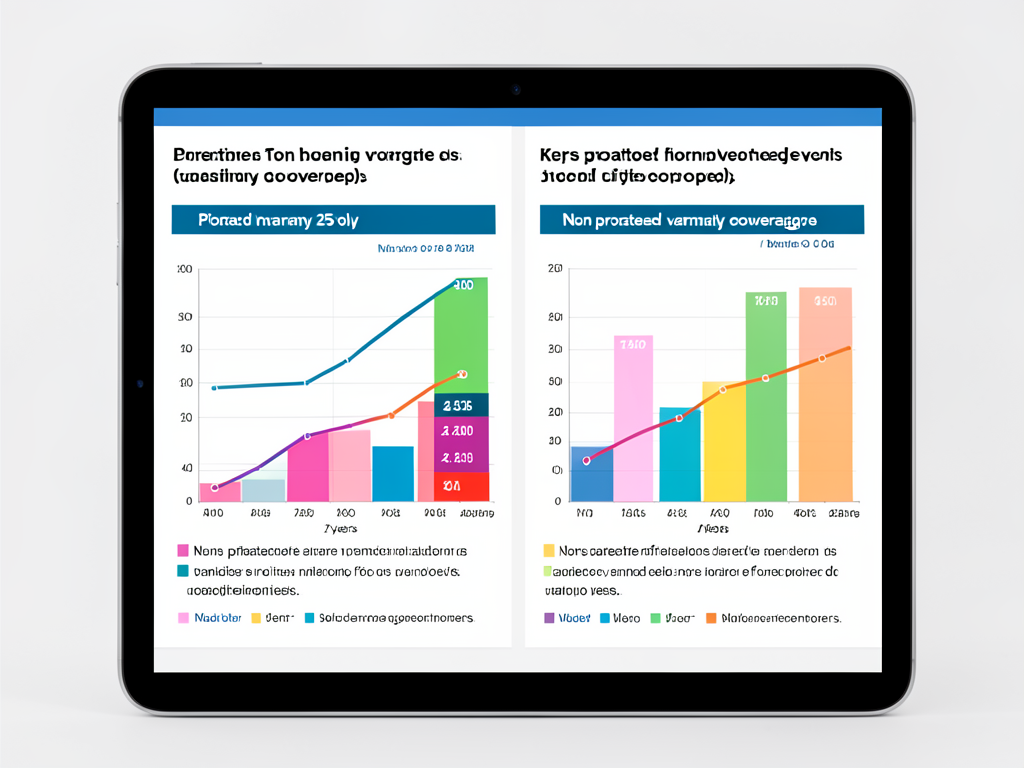
Chicago’s extreme weather makes this especially important. Our freeze-thaw cycles and high winds mean roofs fail more often in years 10-20 than in milder climates. A prorated warranty that seems generous on paper might leave you paying thousands when you need coverage most.
Common Reasons Your Roofing Warranty Might Be Voided
Manufacturers and contractors have specific requirements to keep your warranty valid. Miss one, and you could lose everything.
Improper ventilation is the #1 warranty killer in Chicago homes. Our building code requires 1 square foot of ventilation for every 150 square feet of attic space. Without it, moisture builds up, shingles fail prematurely, and your warranty becomes void.
Ice damming is another major issue. Chicago’s heavy snowfalls create ice dams that force water under shingles. Most warranties exclude ice dam damage unless you have proper attic insulation and ventilation—requirements many older Berwyn and Forest Park homes don’t meet.
Unauthorized repairs void most warranties. If you or an unlicensed contractor patches a small leak, you might invalidate coverage for the entire roof. Always call your original contractor for any repairs, even minor ones.
Failure to register is surprisingly common. Many homeowners don’t realize manufacturer warranties require online registration within 30-90 days of installation. Miss this deadline, and your coverage could be reduced by 50% or eliminated entirely.
Chicago-Specific Warranty Considerations: Wind, Hail, and Ice Dams
Chicago’s weather creates unique warranty challenges that national guides don’t address.
Wind uplift ratings matter more here than anywhere else. The Chicago area experiences winds up to 70 mph during summer storms. Standard shingles are rated for 60 mph winds, but Class 4 impact-resistant shingles can handle 110+ mph. Many manufacturers void warranties if wind speeds exceed the rated capacity.
Hail damage is another local concern. The National Weather Service reports Chicago averages 3-5 significant hail events annually. While most warranties exclude hail damage, some premium products include hail impact warranties—but only if installed to specific manufacturer specifications.
Ice and water shield requirements are mandated by Chicago Municipal Code Section 13-32-040 for eaves, valleys, and around penetrations. Without this rubberized underlayment, your warranty may not cover ice dam damage. Many contractors cut corners here to save costs, leaving you exposed.
Temperature cycling affects warranty validity. Chicago experiences 130+ freeze-thaw cycles annually. Materials that perform well in constant temperatures often fail here. Some manufacturers specifically void warranties if installation occurs outside temperature ranges of 45-85°F, which limits Chicago’s installation season.
How to Register and File a Roofing Warranty Claim
Knowing how to file a claim is just as important as understanding your coverage. Here’s the process most manufacturers require:
- Gather Documentation
Collect your original contract, proof of purchase, installation photos, and maintenance records. Missing paperwork is the #1 reason claims get denied.
- Document the Damage
Take clear photos of the affected area, including surrounding shingles for comparison. Video helps show the extent of the problem.
- Contact Your Contractor First
Most workmanship issues are handled directly by the installing contractor. They’ll coordinate with the manufacturer if needed.
- Submit the Claim
Follow the manufacturer’s specific process—some require online submission, others need mailed forms. Include all requested documentation.
- Prepare for Inspection
The manufacturer or their representative will inspect your roof. Be present to answer questions about installation and maintenance.
Time matters. Most warranties require claims be filed within 30 days of discovering the problem. Wait too long, and normal wear and tear could be blamed instead of a manufacturing defect.
Frequently Asked Questions
What’s the difference between a 25-year and a lifetime warranty?
A 25-year warranty typically offers non-prorated coverage for the full period. “Lifetime” warranties are often prorated after 10 years and may only last as long as you own the home. Always read the fine print—”lifetime” rarely means what homeowners think it means.
Can I transfer my roofing warranty if I sell my home?
Most manufacturer warranties are transferable once, but there’s usually a fee ($150-300) and paperwork required. Workmanship warranties vary by contractor. Some transfer automatically, others require the new owner to sign a new agreement. Transferability can be a selling point in Chicago’s competitive real estate market.
Does my homeowner’s insurance cover what my roofing warranty doesn’t?
Sometimes, but not always. Insurance typically covers sudden, accidental damage (storms, falling trees) while warranties cover material defects and installation errors. If your roof leaks because of a storm, insurance pays. If it leaks because of faulty installation, the workmanship warranty should cover it. Understanding this difference prevents double denials.
How much should I pay for an extended warranty?
Extended warranties can cost $500-2,000 depending on your roof size. Consider this: if a standard warranty covers materials only, an extended warranty that includes labor could save you $2,000-5,000 if major repairs are needed. For Chicago homes, the extra cost often pays for itself within 5-7 years.
What maintenance do I need to perform to keep my warranty valid?
Most warranties require annual inspections, keeping gutters clean, and addressing ventilation issues. Some require professional inspections every 2-3 years with documentation. Failure to maintain your roof as specified in the warranty terms can void coverage. Keep all receipts and inspection reports. Extending the Life of Your Flat Roof in Hyde Park with Professional Coating.
Protecting Your Investment: The Patriot Roofing Chicago Difference
At Patriot Roofing Chicago, we don’t just install roofs—we build long-term protection for your home. Our warranties go beyond the industry standard because we understand Chicago’s unique challenges. Roofing Berwyn.
We provide detailed warranty explanations before you sign anything. We’ll show you exactly what’s covered, what’s excluded, and what maintenance you’ll need to perform. No surprises, no fine print confusion.
Our installation teams are certified by major manufacturers, which means your warranty starts at 100% coverage, not the reduced “after registration” level many contractors provide. We also handle all warranty registration within 48 hours of project completion.
Before you sign any roofing contract, ask these questions: What exactly does this warranty cover? Who pays for labor if materials fail? What maintenance is required to keep coverage valid? If your contractor can’t answer clearly, walk away.
Chicago weather is tough on roofs. Your warranty should be tougher. Call (773) 599-7055 today to schedule your free inspection and warranty consultation. We’ll show you exactly what protection you’re getting—no fine print, no confusion. Getting Your Flat Roof Ready for a Chicago Winter in Wicker Park.
Pick up the phone and call (773) 599-7055 before the next storm hits. Your roof protects everything you own. Make sure it’s protected too. For more information, visit GAF Roofing Warranties.
{
“@context”: “https://schema.org”,
“@type”: “BlogPosting”,
“headline”: “How to Read the Fine Print in Your Roofing Warranty Without Getting Confused”,
“description”: “Confused by roofing warranty terms? Learn how to decode manufacturer vs. workmanship coverage, prorated periods, and Chicago-specific exclusions before signing a contract.”,
“wordCount”: 1580,
“datePublished”: “2026-03-11T10:46:00.000Z”,
“dateModified”: “2026-03-11T10:46:00.000Z”,
“inLanguage”: “en-US”,
“mainEntityOfPage”: {
“@type”: “WebPage”,
“@id”: “https://patriotroofingchicago.com”
},
“publisher”: {
“@type”: “LocalBusiness”,
“name”: “Patriot Roofing Chicago”,
“url”: “https://patriotroofingchicago.com”
},
“author”: {
“@type”: “Organization”,
“name”: “Patriot Roofing Chicago”,
“url”: “https://patriotroofingchicago.com”
},
“image”: {
“@type”: “ImageObject”,
“url”: “https://patriotroofingchicago.com/wp-content/uploads/2026/03/how-to-read-the-fine-print-in-your-roofing-warrant-1.png”
}
}
{
“@context”: “https://schema.org”,
“@type”: “RoofingContractor”,
“name”: “Patriot Roofing Chicago”,
“url”: “https://patriotroofingchicago.com”,
“address”: {
“@type”: “PostalAddress”,
“addressLocality”: “Chicago”
},
“areaServed”: {
“@type”: “City”,
“name”: “Chicago”
}
}
{
“@context”: “https://schema.org”,
“@type”: “FAQPage”,
“mainEntity”: [
{
“@type”: “Question”,
“name”: “What’s the difference between a 25-year and a lifetime warranty?”,
“acceptedAnswer”: {
“@type”: “Answer”,
“text”: “A 25-year warranty typically offers non-prorated coverage for the full period. \”Lifetime\” warranties are often prorated after 10 years and may only last as long as you own the home. Always read the fine print—\”lifetime\” rarely means what homeowners think it means.”
}
},
{
“@type”: “Question”,
“name”: “Can I transfer my roofing warranty if I sell my home?”,
“acceptedAnswer”: {
“@type”: “Answer”,
“text”: “Most manufacturer warranties are transferable once, but there’s usually a fee ($150-300) and paperwork required. Workmanship warranties vary by contractor. Some transfer automatically, others require the new owner to sign a new agreement. Transferability can be a selling point in Chicago’s competitive real estate market.”
}
},
{
“@type”: “Question”,
“name”: “Does my homeowner’s insurance cover what my roofing warranty doesn’t?”,
“acceptedAnswer”: {
“@type”: “Answer”,
“text”: “Sometimes, but not always. Insurance typically covers sudden, accidental damage (storms, falling trees) while warranties cover material defects and installation errors. If your roof leaks because of a storm, insurance pays. If it leaks because of faulty installation, the workmanship warranty should cover it. Understanding this difference prevents double denials.”
}
},
{
“@type”: “Question”,
“name”: “How much should I pay for an extended warranty?”,
“acceptedAnswer”: {
“@type”: “Answer”,
“text”: “Extended warranties can cost $500-2,000 depending on your roof size. Consider this: if a standard warranty covers materials only, an extended warranty that includes labor could save you $2,000-5,000 if major repairs are needed. For Chicago homes, the extra cost often pays for itself within 5-7 years.”
}
},
{
“@type”: “Question”,
“name”: “What maintenance do I need to perform to keep my warranty valid?”,
“acceptedAnswer”: {
“@type”: “Answer”,
“text”: “Most warranties require annual inspections, keeping gutters clean, and addressing ventilation issues. Some require professional inspections every 2-3 years with documentation. Failure to maintain your roof as specified in the warranty terms can void coverage. Keep all receipts and inspection reports. Extending the Life of Your Flat Roof in Hyde Park with Professional Coating.”
}
}
]
}
{
“@context”: “https://schema.org”,
“@type”: “HowTo”,
“name”: “How to File a Roofing Warranty Claim”,
“step”: [
{
“@type”: “HowToStep”,
“position”: 1,
“name”: “Gather Documentation”,
“text”: “Collect your original contract, proof of purchase, installation photos, and maintenance records. Missing paperwork is the #1 reason claims get denied.”
},
{
“@type”: “HowToStep”,
“position”: 2,
“name”: “Document the Damage”,
“text”: “Take clear photos of the affected area, including surrounding shingles for comparison. Video helps show the extent of the problem.”
},
{
“@type”: “HowToStep”,
“position”: 3,
“name”: “Contact Your Contractor First”,
“text”: “Most workmanship issues are handled directly by the installing contractor. They’ll coordinate with the manufacturer if needed.”
},
{
“@type”: “HowToStep”,
“position”: 4,
“name”: “Submit the Claim”,
“text”: “Follow the manufacturer’s specific process—some require online submission, others need mailed forms. Include all requested documentation.”
},
{
“@type”: “HowToStep”,
“position”: 5,
“name”: “Prepare for Inspection”,
“text”: “The manufacturer or their representative will inspect your roof. Be present to answer questions about installation and maintenance.”
}
],
“image”: “https://patriotroofingchicago.com/wp-content/uploads/2026/03/how-to-read-the-fine-print-in-your-roofing-warrant-1.png”
}
{
“@context”: “https://schema.org”,
“@type”: “BreadcrumbList”,
“itemListElement”: [
{
“@type”: “ListItem”,
“position”: 1,
“name”: “Home”,
“item”: “https://patriotroofingchicago.com”
},
{
“@type”: “ListItem”,
“position”: 2,
“name”: “Blog”,
“item”: “https://patriotroofingchicago.com/blog”
},
{
“@type”: “ListItem”,
“position”: 3,
“name”: “How to Read the Fine Print in Your Roofing Warranty Without Getting Confused”
}
]
}
{
“@context”: “https://schema.org”,
“@type”: “Service”,
“serviceType”: “Roofing”,
“provider”: {
“@type”: “LocalBusiness”,
“name”: “Patriot Roofing Chicago”,
“url”: “https://patriotroofingchicago.com”
},
“areaServed”: {
“@type”: “City”,
“name”: “Chicago”
},
“description”: “Confused by roofing warranty terms? Learn how to decode manufacturer vs. workmanship coverage, prorated periods, and Chicago-specific exclusions before signing a contract.”
}