
Keeping Your Cedar Shake Roof from Rotting in the Humid Highland Park Summers
The humid summers in Highland Park create a perfect storm for cedar shake deterioration. Lake Michigan’s moisture meets intense summer heat, accelerating wood rot, moss growth, and fungal decay. Your cedar roof faces constant moisture exposure from lake effect humidity, afternoon thunderstorms, and poor attic ventilation common in older North Shore homes. Cedar Shake & Shingle Bureau.
Cedar shakes naturally resist decay, but only when properly maintained. Without intervention, moisture penetrates the wood grain, creating ideal conditions for mold, mildew, and wood-destroying organisms. The 60035 zip code experiences higher humidity levels than surrounding suburbs due to its proximity to Lake Michigan, making regular maintenance essential for preserving your roof’s integrity.
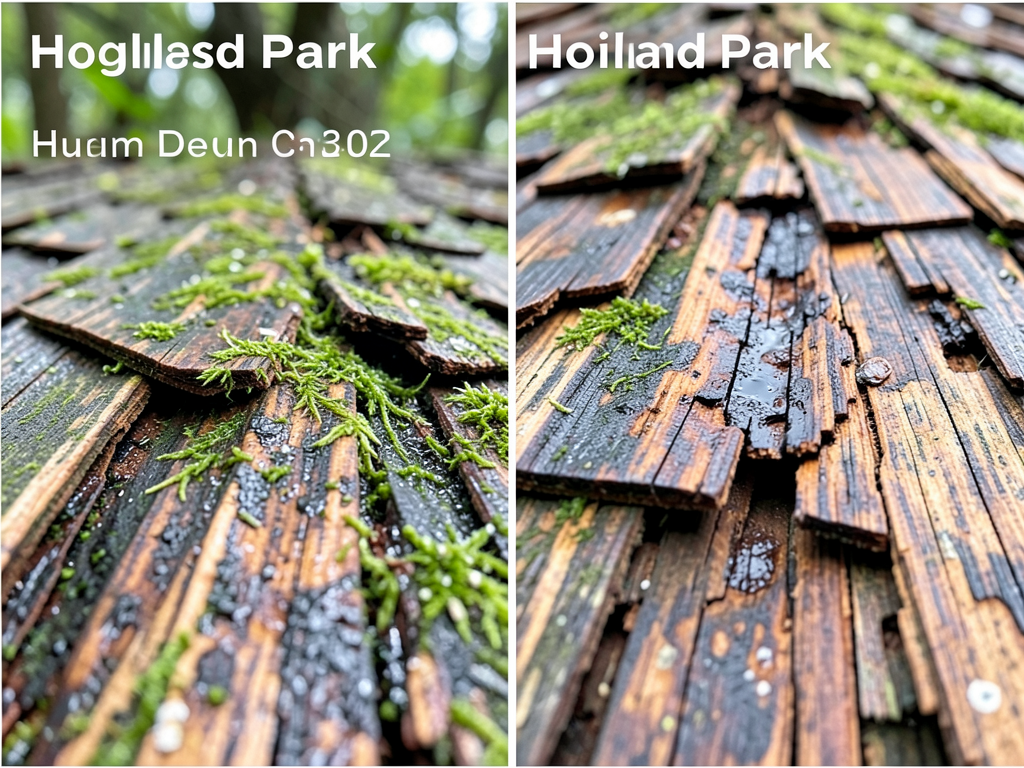
The first sign of trouble appears as dark streaks or green patches on your shakes. These indicate moss or algae colonization. Left untreated, these organisms trap moisture against the wood surface, causing the shakes to cup, split, and eventually rot through. Once rot sets in, the structural integrity of your entire roof system becomes compromised.
Highland Park’s historic homes with cedar roofing require specialized care. Many properties in the Ravinia and Braeside neighborhoods feature original cedar installations from the 1950s and 1960s. These aging roofs need more frequent attention as the natural oils that protect the wood deplete over time. Is Solar Roofing Worth the Investment for Homes in Evanston?.
Professional maintenance involves more than surface cleaning. Our process includes inspecting the underlying roof deck, checking for proper ventilation, and applying specialized treatments that penetrate deep into the wood fibers. We use products specifically formulated for the Chicago climate, where temperature swings and humidity create unique preservation challenges. Extending the Life of Your Flat Roof in Hyde Park with Professional Coating.
The cost of neglect far exceeds preventive maintenance. A full cedar roof replacement in Highland Park typically ranges from $25,000 to $45,000 depending on roof size and accessibility. Regular maintenance costs a fraction of replacement while extending your roof’s life by 10 to 15 years.
Call (773) 599-7055 today to schedule your comprehensive cedar shake inspection. Our technicians understand the specific challenges Highland Park homeowners face and provide targeted solutions that protect your investment through every season. Why More Naperville Homeowners are Switching to Metal Roofing This Year.
Understanding Cedar Shake Vulnerabilities in Highland Park
Cedar shakes face unique threats in Highland Park’s climate. The combination of lake effect moisture, summer humidity, and occasional severe storms creates conditions that accelerate wood deterioration. Understanding these vulnerabilities helps you recognize problems early and take preventive action.
Lake Michigan generates consistent humidity that settles over the North Shore. This moisture-laden air condenses on cooler roof surfaces, especially during summer nights. When temperatures rise during the day, trapped moisture creates ideal conditions for fungal growth within the wood structure.
Highland Park’s mature tree canopy contributes to the problem. Large oak and maple trees common in neighborhoods like Ravinia and Braeside drop organic debris onto roofs. This debris holds moisture against the wood surface, creating microenvironments where moss and algae thrive.
Ice dams in winter compound summer moisture problems. When snow melts and refreezes at roof edges, water backs up under shakes. This moisture remains trapped until spring thaw, creating conditions for rot to establish in the wood grain before summer humidity accelerates the decay process.
The freeze-thaw cycle common in northern Illinois causes shakes to expand and contract. Over time, this movement creates small cracks that allow moisture penetration. Once water enters these cracks, freeze-thaw cycles widen them, eventually causing shakes to split completely.
Highland Park building codes require specific ventilation standards for cedar roofs. However, many older homes were built before these requirements existed. Poor attic ventilation traps moisture in roof spaces, accelerating shake deterioration from below while surface treatments address only half the problem.
Professional inspection reveals these hidden vulnerabilities. Our technicians use moisture meters to detect water infiltration that isn’t visible to the naked eye. We also check attic spaces for proper ventilation, identifying issues that contribute to roof deterioration.
Understanding these vulnerabilities allows for targeted prevention. Rather than treating symptoms after damage occurs, we address root causes that make your cedar roof susceptible to Highland Park’s challenging climate conditions.

Our Comprehensive Cedar Shake Maintenance Process
Professional cedar shake maintenance requires specific techniques and products designed for wood preservation. Our process addresses both immediate concerns and long-term protection, ensuring your roof withstands Highland Park’s challenging climate conditions.
The first step involves thorough inspection. We examine each shake for signs of rot, splitting, or structural weakness. This inspection includes checking fasteners, evaluating shake overlap, and assessing the overall roof geometry. We document findings with photographs and measurements, creating a baseline for future comparisons.
Debris removal follows inspection. Leaves, twigs, and organic matter accumulate in shake valleys and along roof edges. This debris holds moisture against the wood surface, accelerating decay. We use specialized tools that remove debris without damaging the shake surface or disturbing the roof’s protective layers.
Soft washing represents the core cleaning process. Unlike pressure washing that can damage wood fibers, soft washing uses low-pressure application of specialized cleaning solutions. These solutions kill moss, algae, and fungal spores without harming the cedar. The process typically takes 2-3 hours for an average Highland Park home.
Treatment application follows cleaning. We use fungicides approved for cedar that penetrate deep into wood fibers. These treatments create barriers against future biological growth while preserving the wood’s natural oils. Some formulations include UV inhibitors that protect against sun damage, which can cause shakes to become brittle and crack.
Gutter cleaning and downspout inspection complete the process. Clogged gutters allow water to back up under shakes, creating moisture problems that negate other maintenance efforts. We ensure proper water flow away from your roof structure, preventing ice dam formation in winter.
The entire process typically requires one day for most Highland Park homes. We schedule maintenance during dry periods to ensure proper product adhesion and effectiveness. Weather conditions in the 60035 area can change rapidly, so we monitor forecasts closely when planning service.
Post-treatment monitoring helps us track roof condition over time. We document shake condition, moisture levels, and any developing issues. This documentation helps predict when future maintenance will be needed and identifies areas requiring special attention.
Professional maintenance extends beyond the roof surface. We examine adjacent structures like chimneys, skylights, and roof penetrations. These areas often develop leaks that damage shakes from below, creating rot that isn’t visible from ground level.
Call (773) 599-7055 to schedule your comprehensive cedar shake maintenance. Our process addresses both immediate concerns and long-term preservation, protecting your investment through Highland Park’s challenging climate conditions.
Common Cedar Roof Issues in the 60035 Zip Code
Cedar roofs in Highland Park face specific problems related to the local climate and architectural styles. Understanding these common issues helps homeowners recognize problems early and seek appropriate solutions before extensive damage occurs.
Moss growth represents the most visible problem. Highland Park’s humid summers create ideal conditions for moss colonization, especially on north-facing roof slopes that receive less direct sunlight. Moss appears as green or dark patches that gradually spread across shake surfaces, trapping moisture and accelerating wood decay.
Algae streaking creates distinctive dark lines on roof slopes. This blue-green growth thrives in the humid conditions common to the North Shore. While algae doesn’t directly damage wood, it indicates excessive moisture retention that creates conditions favorable for more destructive organisms.
Wood rot develops when moisture penetrates shake surfaces and remains trapped within the wood structure. Highland Park’s freeze-thaw cycles accelerate this process. Rot typically begins at shake edges where moisture collects, then spreads inward. Once established, rot compromises structural integrity and requires shake replacement.
Cup and curl deformation occurs when shakes absorb moisture unevenly. This creates waves or curls in the shake surface that trap additional moisture and accelerate deterioration. Cup and curl problems are particularly common in older roofs where shakes have lost their natural protective oils.
Splitting represents a structural failure mode where shakes crack completely through. This typically results from moisture expansion within the wood, freeze-thaw damage, or physical impact from falling branches. Split shakes allow water infiltration that damages underlying roof structures.
Fastener corrosion affects the metal components that hold shakes in place. Highland Park’s humid conditions accelerate metal deterioration, especially in older installations using non-galvanized fasteners. Corroded fasteners allow shakes to loosen, creating gaps that admit water and wind-driven debris.
Ventilation problems create systemic issues that affect entire roof systems. Many Highland Park homes were built before modern ventilation standards existed. Poor ventilation traps moisture in attic spaces, causing shakes to deteriorate from below while surface treatments address only visible symptoms.
Ice dam formation creates winter-specific problems. When snow melts on warm roof surfaces then refreezes at edges, water backs up under shakes. This moisture remains trapped until spring, creating conditions for rot to establish before summer humidity accelerates the decay process.
Tree canopy impact creates physical and moisture-related problems. Highland Park’s mature trees drop branches, leaves, and organic debris onto roofs. This debris holds moisture against shake surfaces, creating microenvironments where destructive organisms thrive.
Professional diagnosis identifies these issues early. Our technicians recognize the specific failure patterns common to Highland Park’s climate and architectural styles. Early intervention prevents minor problems from becoming major structural failures.
Call (773) 599-7055 for a comprehensive roof assessment. We identify specific issues affecting your cedar roof and recommend targeted solutions that address both immediate concerns and long-term preservation needs.
Cedar Shake vs. Shingles: Maintenance Differences
Understanding the differences between cedar shakes and shingles helps homeowners make informed decisions about roof maintenance and replacement. These wood products have distinct characteristics that affect their performance, maintenance requirements, and longevity in Highland Park’s climate.
Cedar shakes are hand-split from logs, creating a thicker, more irregular product than machine-cut shingles. Standard shakes measure 1/2 to 3/4 inch thick, while premium heavy shakes can reach 1 inch thickness. This thickness provides better insulation and longer service life but requires different maintenance approaches.
Machine-cut cedar shingles have uniform thickness, typically 3/8 to 1/2 inch. Their consistent profile creates cleaner roof lines but offers less natural protection against moisture infiltration. Shingles install more quickly than shakes but may require more frequent maintenance due to their thinner profile.
Installation methods differ significantly between products. Shakes install with wider exposure gaps, typically 7.5 to 10 inches depending on roof pitch. This wider exposure allows better air circulation but requires more precise installation to prevent water infiltration at shake edges.
Shingles install with narrower exposure, usually 5 to 7 inches. Their uniform thickness allows tighter installation patterns that provide better initial weather protection. However, this tighter installation can trap moisture if shakes develop cupping or curling over time.
Maintenance frequency varies by product. Cedar shakes typically require professional maintenance every 3 to 5 years, while shingles may need attention every 2 to 3 years. The thicker profile of shakes provides better natural protection against moisture infiltration, extending maintenance intervals.
Treatment products differ for each material. Shakes benefit from deeper-penetrating treatments that address their thicker profile. These products must reach the center of each shake to provide complete protection. Shingles require lighter treatments that don’t oversaturate the thinner wood profile.
Cost considerations affect long-term maintenance decisions. Cedar shakes cost 30 to 50 percent more than shingles initially but typically last 25 to 30 years with proper maintenance. Shingles cost less upfront but may need replacement after 15 to 20 years, affecting long-term ownership costs.
Highland Park’s climate affects each product differently. The area’s high humidity and freeze-thaw cycles create greater stress on thinner shingles. Shakes’ thicker profile provides better resistance to these environmental factors, though both products require regular maintenance to achieve maximum service life.
Energy efficiency varies between products. Shakes provide better natural insulation due to their thickness and irregular surface that creates air pockets. This insulation can reduce heating and cooling costs, though the effect varies based on attic ventilation and overall home construction.
Fire resistance differs between products. Both cedar shakes and shingles can receive fire-retardant treatments that meet building code requirements. However, shakes’ thicker profile provides better natural resistance to fire spread, an important consideration in older Highland Park neighborhoods with mature tree canopies.
Replacement considerations affect maintenance decisions. When shakes fail, individual units can often be replaced without affecting surrounding shakes. Shingle replacement may require removing adjacent units to access fasteners, potentially increasing repair complexity and cost. EPA mold prevention guidelines.
Call (773) 599-7055 to discuss which product best suits your Highland Park home’s needs. Our expertise helps you understand the maintenance implications of each option and make informed decisions about your roof investment.
Cost-Benefit Analysis: Maintenance vs. Premature Replacement
Homeowners often struggle with maintenance decisions for aging cedar roofs. Understanding the true costs of neglect versus the benefits of preventive maintenance helps make informed decisions that protect your investment and avoid premature replacement expenses.
Professional cedar shake maintenance typically costs $1,500 to $3,000 for an average Highland Park home. This investment includes comprehensive cleaning, treatment application, and minor repairs. When performed every 3 to 5 years, total maintenance costs over 20 years range from $6,000 to $12,000.
Full cedar roof replacement costs significantly more. Material costs alone range from $8 to $12 per square foot, with installation adding $5 to $8 per square foot. For a typical Highland Park home with 2,000 square feet of roof area, replacement costs range from $26,000 to $40,000.
The maintenance window represents a critical decision point. Regular maintenance can extend cedar roof life by 10 to 15 years beyond the typical 25-year service life. This extension means avoiding replacement costs during that period while enjoying continued roof performance.
Energy efficiency provides additional cost benefits. Well-maintained cedar roofs provide better insulation than deteriorated ones. This improved insulation can reduce heating and cooling costs by 5 to 10 percent annually, providing ongoing savings that offset maintenance expenses.
Property value considerations affect the cost-benefit analysis. Cedar roofs enhance curb appeal and property values in Highland Park’s historic neighborhoods. A well-maintained cedar roof can increase property values by 3 to 5 percent, while a deteriorating roof may decrease values by similar amounts.
Insurance implications affect long-term costs. Some insurance companies offer premium discounts for well-maintained roofs or charge surcharges for roofs over 15 years old. Regular maintenance documentation can help maintain favorable insurance rates and coverage terms.
Emergency repair costs represent hidden expenses of neglect. When maintenance is deferred, minor problems escalate into major failures requiring emergency repairs. These emergency services typically cost 30 to 50 percent more than scheduled maintenance and often occur at inconvenient times. What to Do When You Have a Roof Leak Emergency in Logan Square.
Structural damage from roof failure creates additional expenses. When cedar roofs fail completely, water damage affects underlying structures, insulation, and interior finishes. These collateral damages can exceed roof replacement costs, making preventive maintenance a cost-effective strategy.
Environmental considerations affect the analysis. Cedar shake production requires harvesting trees, while replacement generates disposal waste. Extending roof life through maintenance reduces environmental impact while providing economic benefits through delayed replacement.
Maintenance scheduling affects cost effectiveness. Performing maintenance during dry periods ensures proper product adhesion and effectiveness. Emergency maintenance during wet conditions often requires repeat applications, increasing total costs while reducing treatment effectiveness.
Call (773) 599-7055 to evaluate your specific cost-benefit situation. Our analysis considers your roof’s current condition, local climate factors, and long-term ownership goals to recommend the most cost-effective maintenance strategy.
Seasonal Maintenance Timeline for Highland Park Cedar Roofs
Creating a seasonal maintenance schedule helps Highland Park homeowners protect their cedar roofs throughout the year. Each season presents unique challenges that require specific attention to prevent damage and extend roof life.
Spring maintenance focuses on winter damage assessment. Snow and ice accumulation during Highland Park’s winters can cause shakes to split or fasteners to corrode. Early spring inspections identify these problems before summer humidity accelerates deterioration. This timing also allows treatment products to penetrate wood before summer heat arrives.
Summer maintenance addresses humidity-related issues. Highland Park’s proximity to Lake Michigan creates high humidity levels that promote moss and algae growth. Summer treatments include applying fungicides that prevent biological growth while the warm weather ensures proper product penetration and adhesion.
Fall maintenance prepares roofs for winter conditions. Removing leaves and organic debris prevents moisture retention that leads to rot. This timing also allows inspection of ventilation systems before winter snow blocks access to critical components.
Winter preparation involves specific steps to prevent ice dam formation. Proper attic insulation and ventilation reduce heat loss that melts snow on roof surfaces. Installing heat cables along roof edges prevents ice buildup that forces water under shakes.
Monthly visual inspections help identify developing problems. Homeowners should check for missing or damaged shakes, especially after severe weather events. Early detection of problems prevents minor issues from becoming major structural failures.
Annual professional inspections provide comprehensive assessment. These inspections include moisture testing, structural evaluation, and treatment effectiveness assessment. Professional technicians identify problems that homeowners might miss, such as internal rot or ventilation issues.
Treatment application timing affects effectiveness. Products applied during dry periods with moderate temperatures penetrate wood most effectively. Highland Park’s weather patterns require careful scheduling to ensure treatments cure properly before rain or extreme heat arrives.
Ventilation system maintenance prevents moisture buildup. Attic ventilation becomes critical during Highland Park’s humid summers. Blocked vents trap moisture that accelerates shake deterioration from below while surface treatments address only visible symptoms.
Gutter maintenance prevents water backup. Clean gutters ensure proper water drainage away from roof edges. This prevents ice dam formation in winter and reduces moisture exposure that leads to rot and biological growth.
Tree maintenance affects roof condition. Trimming branches that overhang roofs prevents physical damage and reduces organic debris accumulation. This maintenance also improves air circulation that helps shakes dry after rain or humidity exposure.
Documentation helps track roof condition over time. Recording inspection findings, treatment applications, and repairs creates a maintenance history that helps predict future needs and identify developing patterns that require attention.
Call (773) 599-7055 to develop your customized seasonal maintenance plan. Our expertise helps you schedule appropriate activities throughout the year, protecting your cedar roof through Highland Park’s challenging climate conditions.
Frequently Asked Questions
How often should cedar shake roofs be professionally maintained in Highland Park?
Professional maintenance should occur every 3 to 5 years for cedar shake roofs in Highland Park. The area’s high humidity and lake effect moisture accelerate biological growth and wood deterioration, making regular maintenance essential for protecting your investment.
What are the signs that my cedar shake roof needs immediate attention?
Dark streaks, green patches, or curling shakes indicate moss or algae growth requiring immediate treatment. Splitting shakes, missing units, or water stains on interior ceilings suggest structural problems needing urgent repair to prevent extensive damage.
Can I clean my cedar shake roof myself or should I hire professionals?
Professional cleaning is strongly recommended for cedar shake roofs. DIY pressure washing can damage wood fibers and void warranties. Professionals use specialized soft washing techniques and appropriate chemical treatments that clean effectively without harming the wood structure.
How does Highland Park’s climate specifically affect cedar shake longevity?
Highland Park’s high humidity, lake effect moisture, and freeze-thaw cycles create conditions that accelerate wood deterioration. The area’s mature tree canopy also contributes organic debris that retains moisture against shake surfaces, promoting moss growth and wood rot.
What maintenance costs can I expect for a cedar shake roof in Highland Park?
Professional maintenance typically costs $1,500 to $3,000 for an average Highland Park home. This investment every 3 to 5 years prevents premature replacement costs of $25,000 to $45,000 while extending roof life by 10 to 15 years.
Are there specific building code requirements for cedar shake roofs in Highland Park?
Highland Park follows Illinois state building codes that require specific fire-retardant treatments for cedar roofing. Local codes also mandate proper attic ventilation and may have historic district requirements that affect material choices and installation methods.
How can I tell if my cedar shakes are beyond repair and need replacement?
Shakes showing extensive splitting, rot through the entire thickness, or structural weakness require replacement. If 30 percent or more of your shakes show these signs, full replacement often proves more cost-effective than ongoing repairs.
What’s the difference between cedar shakes and cedar shingles for roofing?
Cedar shakes are hand-split and thicker (1/2 to 3/4 inch) than machine-cut shingles (3/8 to 1/2 inch). Shakes cost more initially but typically last longer and require less frequent maintenance due to their thicker profile and better natural insulation properties.
Protecting Your Investment Through Proper Maintenance
Cedar shake roofs represent significant investments that enhance Highland Park home values and architectural character. However, these premium roofing systems require specialized knowledge and consistent maintenance to achieve their full potential lifespan. Understanding the specific challenges posed by Highland Park’s climate helps homeowners make informed decisions about roof care.
The humid summers, lake effect moisture, and freeze-thaw cycles common to the 60035 zip code create conditions that accelerate wood deterioration. Without proper maintenance, cedar shakes can fail prematurely, leading to expensive replacement costs and potential structural damage. Regular professional maintenance addresses these challenges through targeted treatments and preventive measures.
Professional maintenance extends beyond simple cleaning. Our comprehensive process includes structural inspection, moisture testing, ventilation assessment, and application of specialized treatments designed for the Chicago climate. This holistic approach addresses both visible problems and hidden issues that could lead to future failures.
The cost of neglect far exceeds preventive maintenance expenses. While professional maintenance costs $1,500 to $3,000 every few years, complete roof replacement can cost $25,000 to $45,000 or more. Additionally, neglected roofs often cause collateral damage to insulation, interior finishes, and structural components, multiplying replacement costs.
Highland Park’s historic neighborhoods feature many homes with original cedar roofing systems. These aging installations require even more frequent attention as natural wood oils deplete and environmental exposure takes its toll. Regular maintenance can extend the life of these historic roofs by 10 to 15 years beyond typical service life.
Energy efficiency provides additional benefits from proper maintenance. Well-maintained cedar roofs provide better insulation than deteriorated ones, potentially reducing heating and cooling costs by 5 to 10 percent annually. This energy savings helps offset maintenance expenses while improving home comfort.
Property value considerations make maintenance a wise investment. Cedar roofs enhance curb appeal and property values in Highland Park’s historic neighborhoods. A well-maintained roof can increase property values by 3 to 5 percent, while a deteriorating roof may decrease values by similar amounts.
Insurance implications affect long-term ownership costs. Some insurance companies offer premium discounts for well-maintained roofs or charge surcharges for aging roofing systems. Regular maintenance documentation helps maintain favorable insurance rates and coverage terms.
Environmental considerations favor maintenance over replacement. Cedar shake production requires harvesting trees, while replacement generates disposal waste. Extending roof life through maintenance reduces environmental impact while providing economic benefits through delayed replacement.
Professional expertise makes the difference between adequate and exceptional roof care. Our technicians understand the specific challenges posed by Highland Park’s climate and architectural styles. We use products and techniques specifically formulated for the Chicago area’s unique environmental conditions.
Don’t wait for visible problems to appear before scheduling maintenance. By the time curling, splitting, or moss growth becomes obvious, significant damage may already have occurred. Preventive maintenance addresses issues while they’re still minor, preventing expensive repairs and premature replacement. Getting Your Flat Roof Ready for a Chicago Winter in Wicker Park.
Call (773) 599-7055 today to schedule your comprehensive cedar shake inspection. Our expertise helps protect your investment through every season, ensuring your roof provides beauty, protection, and value for decades to come.
Don’t let Highland Park’s humid summers destroy your cedar shake roof. Pick up the phone and call (773) 599-7055 before the next storm hits. Our professional maintenance services protect your investment and extend your roof’s life by 10 to 15 years, saving you thousands in premature replacement costs.
{
“@context”: “https://schema.org”,
“@type”: “BlogPosting”,
“headline”: “Keeping Your Cedar Shake Roof from Rotting in the Humid Highland Park Summers”,
“description”: “Protect your cedar shake roof from Highland Park’s humid summers. Learn expert maintenance tips, moisture prevention, and preservation techniques from local roofing specialists.”,
“wordCount”: 3996,
“datePublished”: “2026-03-17T11:19:00.000Z”,
“dateModified”: “2026-03-17T11:19:00.000Z”,
“inLanguage”: “en-US”,
“mainEntityOfPage”: {
“@type”: “WebPage”,
“@id”: “https://patriotroofingchicago.com”
},
“publisher”: {
“@type”: “LocalBusiness”,
“name”: “Patriot Roofing Chicago”,
“url”: “https://patriotroofingchicago.com”
},
“author”: {
“@type”: “Organization”,
“name”: “Patriot Roofing Chicago”,
“url”: “https://patriotroofingchicago.com”
},
“image”: {
“@type”: “ImageObject”,
“url”: “https://patriotroofingchicago.com/wp-content/uploads/2026/03/keeping-your-cedar-shake-roof-from-rotting-in-the-1.png”
}
}
{
“@context”: “https://schema.org”,
“@type”: “RoofingContractor”,
“name”: “Patriot Roofing Chicago”,
“url”: “https://patriotroofingchicago.com”,
“address”: {
“@type”: “PostalAddress”,
“addressLocality”: “Chicago”
},
“areaServed”: {
“@type”: “City”,
“name”: “Chicago”
}
}
{
“@context”: “https://schema.org”,
“@type”: “FAQPage”,
“mainEntity”: [
{
“@type”: “Question”,
“name”: “How often should cedar shake roofs be professionally maintained in Highland Park?”,
“acceptedAnswer”: {
“@type”: “Answer”,
“text”: “Professional maintenance should occur every 3 to 5 years for cedar shake roofs in Highland Park. The area’s high humidity and lake effect moisture accelerate biological growth and wood deterioration, making regular maintenance essential for protecting your investment.”
}
},
{
“@type”: “Question”,
“name”: “What are the signs that my cedar shake roof needs immediate attention?”,
“acceptedAnswer”: {
“@type”: “Answer”,
“text”: “Dark streaks, green patches, or curling shakes indicate moss or algae growth requiring immediate treatment. Splitting shakes, missing units, or water stains on interior ceilings suggest structural problems needing urgent repair to prevent extensive damage.”
}
},
{
“@type”: “Question”,
“name”: “Can I clean my cedar shake roof myself or should I hire professionals?”,
“acceptedAnswer”: {
“@type”: “Answer”,
“text”: “Professional cleaning is strongly recommended for cedar shake roofs. DIY pressure washing can damage wood fibers and void warranties. Professionals use specialized soft washing techniques and appropriate chemical treatments that clean effectively without harming the wood structure.”
}
},
{
“@type”: “Question”,
“name”: “How does Highland Park’s climate specifically affect cedar shake longevity?”,
“acceptedAnswer”: {
“@type”: “Answer”,
“text”: “Highland Park’s high humidity, lake effect moisture, and freeze-thaw cycles create conditions that accelerate wood deterioration. The area’s mature tree canopy also contributes organic debris that retains moisture against shake surfaces, promoting moss growth and wood rot.”
}
},
{
“@type”: “Question”,
“name”: “What maintenance costs can I expect for a cedar shake roof in Highland Park?”,
“acceptedAnswer”: {
“@type”: “Answer”,
“text”: “Professional maintenance typically costs $1,500 to $3,000 for an average Highland Park home. This investment every 3 to 5 years prevents premature replacement costs of $25,000 to $45,000 while extending roof life by 10 to 15 years.”
}
},
{
“@type”: “Question”,
“name”: “Are there specific building code requirements for cedar shake roofs in Highland Park?”,
“acceptedAnswer”: {
“@type”: “Answer”,
“text”: “Highland Park follows Illinois state building codes that require specific fire-retardant treatments for cedar roofing. Local codes also mandate proper attic ventilation and may have historic district requirements that affect material choices and installation methods.”
}
},
{
“@type”: “Question”,
“name”: “How can I tell if my cedar shakes are beyond repair and need replacement?”,
“acceptedAnswer”: {
“@type”: “Answer”,
“text”: “Shakes showing extensive splitting, rot through the entire thickness, or structural weakness require replacement. If 30 percent or more of your shakes show these signs, full replacement often proves more cost-effective than ongoing repairs.”
}
},
{
“@type”: “Question”,
“name”: “What’s the difference between cedar shakes and cedar shingles for roofing?”,
“acceptedAnswer”: {
“@type”: “Answer”,
“text”: “Cedar shakes are hand-split and thicker (1/2 to 3/4 inch) than machine-cut shingles (3/8 to 1/2 inch). Shakes cost more initially but typically last longer and require less frequent maintenance due to their thicker profile and better natural insulation properties.”
}
}
]
}
{
“@context”: “https://schema.org”,
“@type”: “BreadcrumbList”,
“itemListElement”: [
{
“@type”: “ListItem”,
“position”: 1,
“name”: “Home”,
“item”: “https://patriotroofingchicago.com”
},
{
“@type”: “ListItem”,
“position”: 2,
“name”: “Blog”,
“item”: “https://patriotroofingchicago.com/blog”
},
{
“@type”: “ListItem”,
“position”: 3,
“name”: “Keeping Your Cedar Shake Roof from Rotting in the Humid Highland Park Summers”
}
]
}
{
“@context”: “https://schema.org”,
“@type”: “Service”,
“serviceType”: “Roofing”,
“provider”: {
“@type”: “LocalBusiness”,
“name”: “Patriot Roofing Chicago”,
“url”: “https://patriotroofingchicago.com”
},
“areaServed”: {
“@type”: “City”,
“name”: “Chicago”
},
“description”: “Protect your cedar shake roof from Highland Park’s humid summers. Learn expert maintenance tips, moisture prevention, and preservation techniques from local roofing specialists.”
}