
menu

Does Insurance Cover Roof Leaks in Chicago? Get Clear Answers Before Filing Your Claim

Understanding does insurance cover roof leaks can save you thousands in denied claims. Learn what Chicago homeowners insurance policies actually cover, what triggers exclusions, and how to document damage the right way.

Slider Image 1
Slider Image 2
Slider Image 3
Slider Image 4
Slider Image 5
Slider Image 7
Slider Image 8
Slider Image 9
Slider Image 10
Slider Image 11

Why Chicago Homeowners Struggle With Roof Leak Insurance Claims

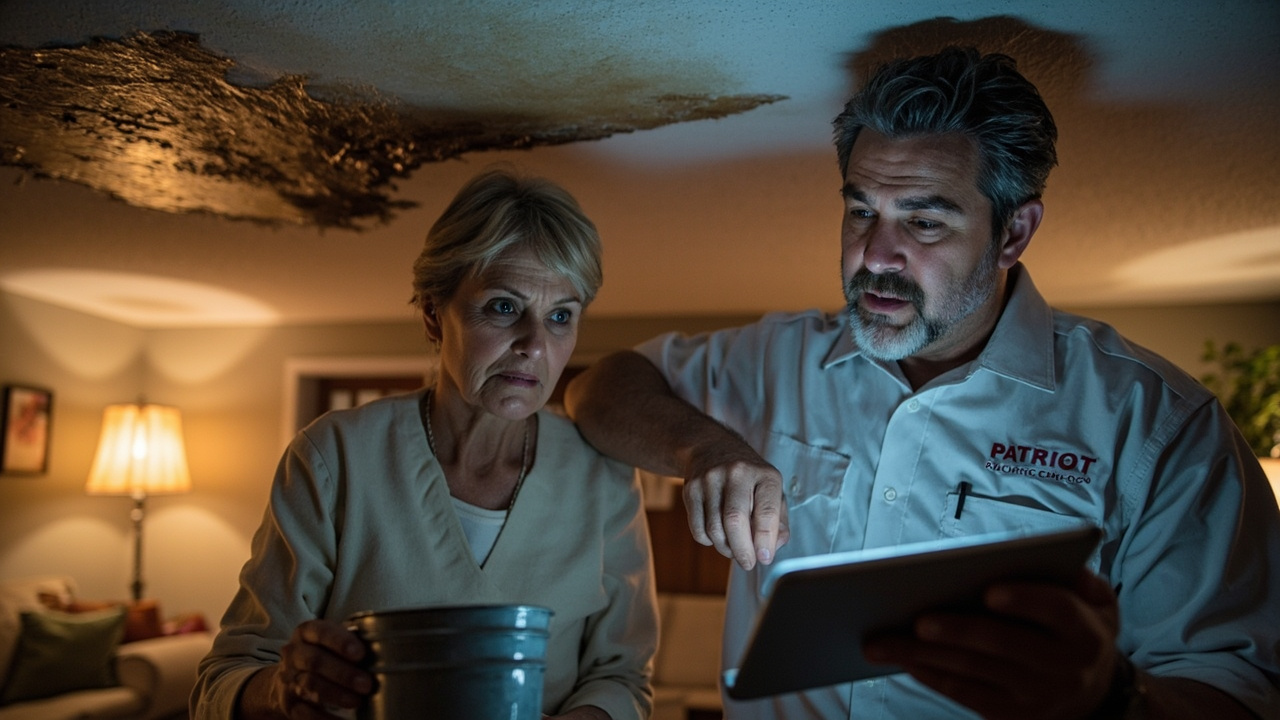
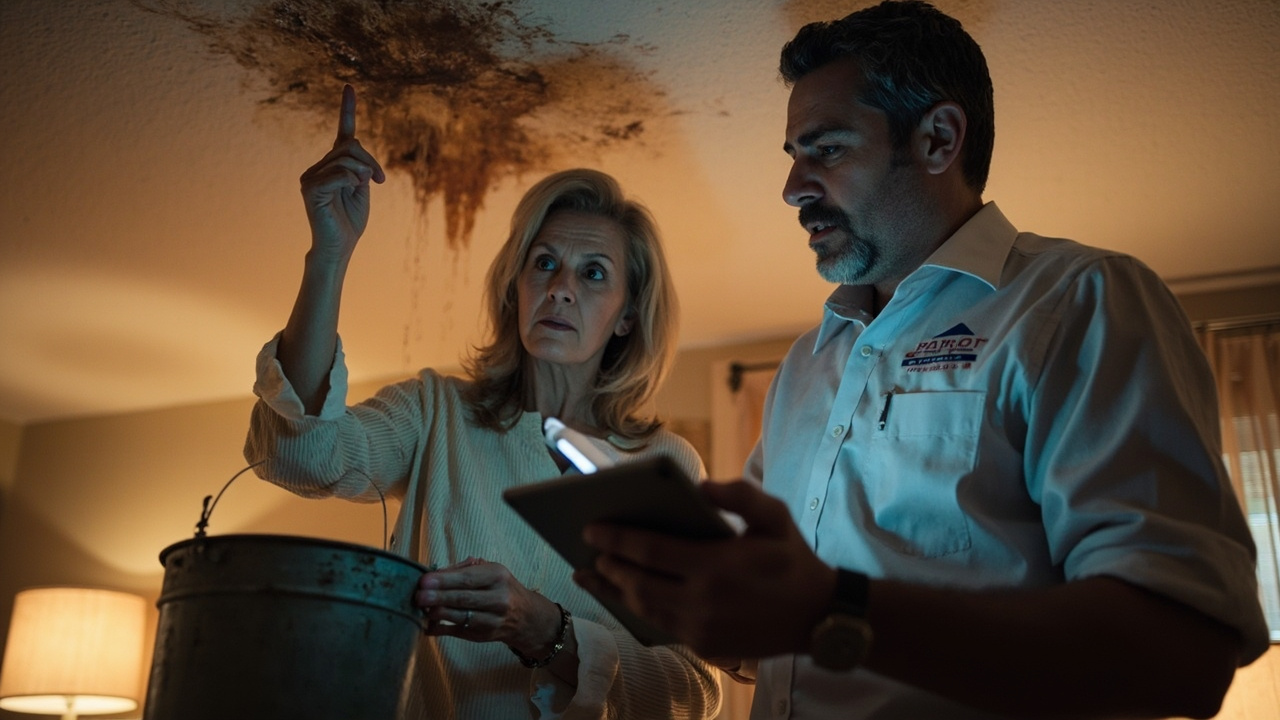
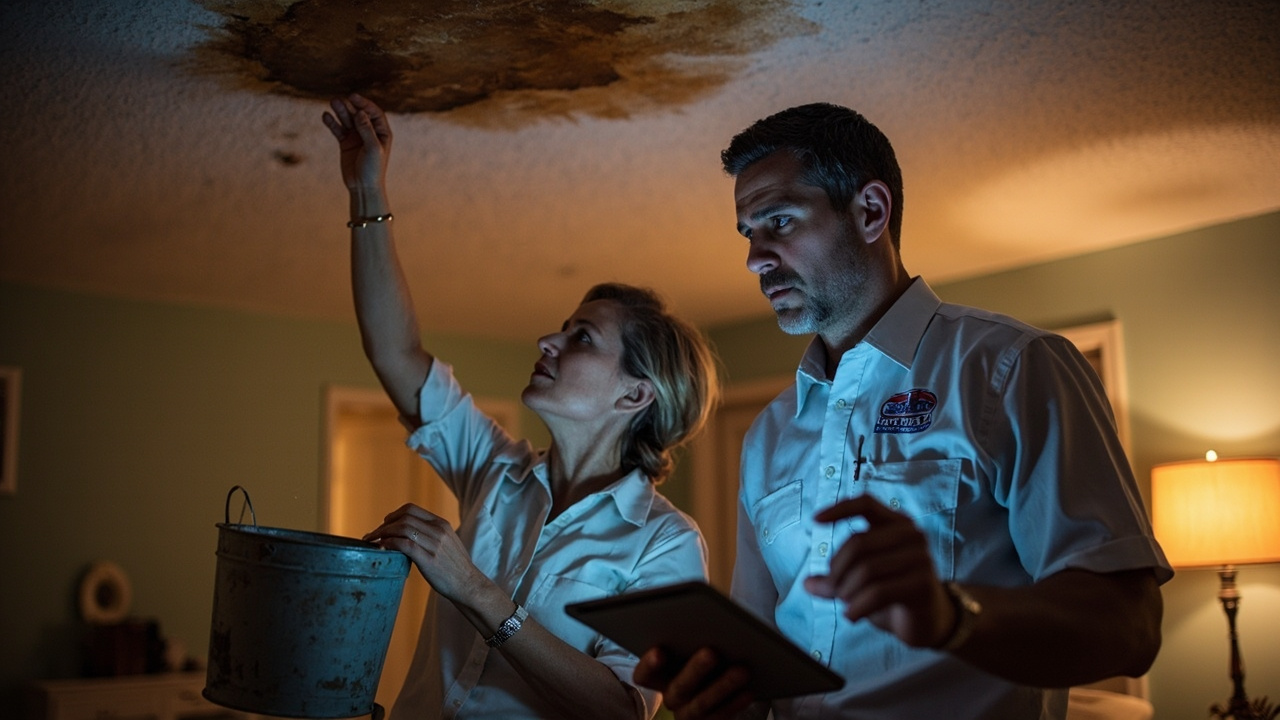
Chicago's brutal freeze-thaw cycles create unique roofing challenges that complicate homeowners insurance roof leak coverage. When temperatures swing from 15 degrees to 45 degrees in a single week, ice dams form along eaves, water backs up under shingles, and leaks appear in places you would never expect.

Most Chicago homeowners believe their policy automatically covers any roof leak water damage. That assumption leads to claim denials and financial stress. Insurance companies draw a hard line between sudden accidental damage and gradual deterioration. If an adjuster determines your leak resulted from deferred maintenance or normal wear, your claim gets rejected.

The confusion deepens because is a leaking roof covered by homeowners insurance depends entirely on what caused the leak. A tree branch punching through your roof during a storm? Covered. Shingles that degraded over ten years? Not covered. Flashing that failed because it was never properly installed? Probably not covered.

Chicago's Lake Michigan proximity adds another complication. High humidity accelerates underlayment degradation, especially on north-facing slopes that stay damp longer. Insurance adjusters know this. They scrutinize Lake-facing homes more carefully, looking for signs that moisture damage predated the reported incident.

Does home insurance cover leaking roofs when ice dams cause the damage? Sometimes. Policies vary significantly. Some exclude ice dam damage entirely. Others cover the interior water damage but not the roof repair itself. Understanding your specific policy language before water starts dripping through your ceiling makes the difference between a paid claim and a massive out-of-pocket expense.

Home insurance coverage for roof leaks operates on a case-by-case basis, and documentation becomes your strongest defense.

Why Chicago Homeowners Struggle With Roof Leak Insurance Claims
What Actually Triggers Insurance Coverage for Roof Leaks

What Actually Triggers Insurance Coverage for Roof Leaks

Insurance companies evaluate roof leak claims through a narrow lens focused on causation and timing. They pay for sudden, accidental events. They deny claims rooted in predictable deterioration or maintenance failures.

Wind damage qualifies as a covered peril in most standard homeowners policies. When Chicago's spring storms generate 50 mph gusts that lift shingles or tear off ridge caps, the resulting leaks fall under your wind coverage. The key phrase in your policy reads "direct physical loss," which means immediate damage from a specific identifiable event.

Hail damage creates another path to coverage. Hail impacts crack shingles, compromise granule protection, and create vulnerability points where water penetrates. Adjusters look for spatter marks on metal vents, dents on gutters, and impact divots across the roof surface. Without this corroborating evidence, they classify leaks as maintenance issues.

Fire, vandalism, and falling objects represent clear-cut covered causes. A chimney fire that cracks flashing? Covered. A vandal who damages roof vents? Covered. A neighbor's tree limb that crashes through during a storm? Covered.

The gray area emerges with ice dams, condensation, and installation defects. Many Chicago policies include ice dam coverage as an endorsement, not a standard provision. You need to verify your specific policy includes this protection. Condensation damage from inadequate attic ventilation almost never receives coverage because it represents a building defect, not an insured peril.

Installation errors occupy complicated territory. If a roofer improperly installed flashing and leaks develop two years later, your homeowners policy will not cover the repair. That falls under the contractor's workmanship warranty. But if that improper installation allowed storm water to enter and damage your interior, the interior water damage might be covered even if the roof repair is not.

Documentation determines everything. Photograph the damage immediately, save weather reports from the incident date, and get a professional assessment before filing.

How to Navigate the Insurance Claim Process for Roof Leaks

Does Insurance Cover Roof Leaks in Chicago? Get Clear Answers Before Filing Your Claim
01

Document Everything Immediately

Take photographs of interior water damage, exterior roof damage, and any visible storm debris before cleaning up or making temporary repairs. Date-stamp everything. Pull weather data from the National Weather Service for Chicago O'Hare to establish wind speeds, hail reports, or precipitation amounts. Insurance adjusters rely on objective data, and contemporaneous documentation strengthens your position significantly. Save receipts for emergency tarping or temporary repairs.
02

Get Professional Assessment

Contact a licensed roofing contractor who understands insurance documentation requirements. They should inspect the roof, identify the failure mechanism, photograph the damage from multiple angles, and provide a written assessment linking the leak to a covered cause of loss. This independent third-party report carries more weight than homeowner observations. The assessment should detail specific damage to shingles, flashing, underlayment, or decking with technical terminology adjusters recognize.
03

File and Advocate

Submit your claim with the documentation package, professional assessment, and a clear narrative connecting the damage to a specific weather event or covered peril. When the adjuster visits, walk them through the timeline and evidence. If they deny the claim, request a written explanation citing the specific policy language that supports the denial. Many initial denials get overturned on appeal when homeowners present stronger documentation or challenge the adjuster's causation theory.

Why Chicago Homeowners Need Local Roofing Expertise for Insurance Claims

Insurance adjusters who work Chicago territory know the building patterns, common roof types, and typical failure modes in this market. They walk onto your property with preconceived expectations about what a legitimate claim looks like. You need a roofing professional who speaks their language and understands their perspective.

Patriot Roofing Chicago works with insurance claims daily. We know how adjusters evaluate flat roofs on Chicago bungalows differently than pitched roofs on suburban colonials. We understand how they assess damage on older homes in neighborhoods like Lincoln Park versus newer construction in areas like Lakeview. This local knowledge shapes how we document damage and present findings.

Chicago building codes require specific underlayment standards, flashing details, and ice barrier installations. When we assess your roof, we identify whether the original installation met code requirements. If it did not, and that deficiency contributed to the leak, we document it clearly. This distinction matters because it shifts the conversation from homeowner negligence to builder defect.

We also understand Chicago's microclimates. Homes near the lake experience different weather patterns than homes ten miles inland. Wind loads vary. Snow accumulation differs. Freeze-thaw intensity changes with proximity to Lake Michigan. These factors influence how we explain damage causation to adjusters who might not consider these geographic nuances.

Our relationship with local adjusters builds credibility. When we submit a damage assessment, they know it reflects accurate conditions and honest evaluation. We do not exaggerate damage or manufacture covered causes. This reputation means our documentation receives serious consideration rather than automatic skepticism.

We also guide you through the supplement process. Initial adjuster estimates often miss hidden damage that only becomes visible during tear-off. We document additional damage as it appears, photograph the conditions, and submit supplement requests with the technical justification adjusters need to approve additional payment.

What to Expect When Filing a Roof Leak Insurance Claim

Claim Processing Timeline

Most insurance companies dispatch an adjuster within three to seven days of your initial claim filing. The adjuster inspection takes 30 to 90 minutes depending on roof size and damage complexity. You should receive an initial coverage determination within seven to ten business days. If approved, the estimate follows within another week. Total timeline from filing to check ranges from two to four weeks for straightforward claims. Disputed claims take significantly longer and may require multiple inspections or independent appraisals.

The Adjuster Inspection Process

The adjuster examines both interior water damage and exterior roof conditions. They measure the damaged area, photograph specific damage points, and collect samples if necessary. They review maintenance records and ask about roof age and prior repairs. Having your professional roofing assessment available during this inspection keeps the conversation focused on covered damage. The adjuster creates an estimate using software like Xactimate that calculates material and labor costs based on local pricing. This estimate becomes the basis for your settlement offer.

Settlement and Depreciation

If your claim is approved, the insurance company typically issues payment in two stages. The first check includes actual cash value, which deducts depreciation based on your roof's age. After you complete repairs and submit invoices, they release the recoverable depreciation. Your deductible gets subtracted from the initial payment. For a roof with significant age, the depreciation holdback can represent 40 to 60 percent of the total claim value. You only recover this amount by actually completing the repairs with a licensed contractor.

Post-Repair Documentation

After repairs, your contractor should provide detailed invoices, material receipts, and completion photographs. Submit this documentation to recover your depreciation holdback. Keep copies of everything for your records. Some insurance companies require a final inspection to verify repairs meet code and match the approved scope. This documentation also protects you if future leaks occur in the same area. It establishes a clear timeline of repairs and demonstrates you addressed the problem appropriately when covered damage occurred.

Frequently Asked Questions

You Have Questions,
We Have Answers

How do I make a successful roof leak insurance claim? +

Document the damage immediately with photos and video. Chicago winters cause freeze-thaw cycles that worsen leaks fast. Contact your insurance company within 24 hours and request an adjuster visit. Get a professional roof inspection from a licensed contractor to identify the cause. Keep all repair receipts and damaged materials. Make temporary repairs to prevent further damage, but do not start major work before the adjuster arrives. File a detailed claim listing all affected areas, including interior water damage to ceilings, walls, and insulation. Follow up weekly until your claim closes.

Is it worth claiming roof damage on insurance? +

Claiming roof damage depends on the cause and your deductible. If wind, hail, or storm damage caused the leak, file a claim. Chicago storms produce severe hail and wind that insurance covers. If your deductible is $1,000 but repairs cost $1,200, the claim may not be worth the rate increase. Gradual wear, poor maintenance, or aging shingles are not covered. Insurance protects against sudden, unexpected damage. Consider the repair cost versus your deductible and potential premium hikes before filing. Small leaks under your deductible should be paid out of pocket.

What type of roof damage is covered by insurance? +

Insurance covers sudden, accidental damage. Wind damage from Chicago storms, hail impact, fallen tree limbs, and fire are covered. Ice dam damage may be covered if proper attic ventilation existed. Vandalism and lightning strikes are also covered. Insurance does not cover wear and tear, neglected maintenance, improper installation, or age-related deterioration. Leaks from missing shingles after a windstorm are covered. Leaks from cracked shingles after 20 years of sun exposure are not. The cause matters more than the symptom. Your policy determines exact coverage limits and exclusions.

What should I do if my roof is leaking? +

Stop the leak from spreading. Place buckets under drips and move furniture away from water. Tarp the exterior if safe, or call an emergency roofer immediately. Chicago freeze-thaw cycles turn small leaks into major structural damage quickly. Document everything with photos. Contact your insurance company right away to report the damage. Do not delay. Water spreads through insulation and drywall fast. Get a professional inspection to identify the source. Temporary repairs prevent further damage and show your insurer you mitigated loss. Act within hours, not days.

What not to say to a roof insurance adjuster? +

Never admit fault or speculate about the cause. Do not say the roof was old or poorly maintained. Avoid phrases like "I should have fixed that earlier" or "I knew something was wrong." Do not exaggerate damage, but do not downplay it either. Stick to facts. Describe what happened and when. Let the adjuster determine the cause. Do not accept a lowball settlement on the spot. Do not sign anything without reading it carefully. Be polite, factual, and unemotional. Let documentation and inspection reports speak for you.

What is the most common damage to your home that insurance does not cover? +

Maintenance-related damage is the most common exclusion. Wear and tear from aging materials, neglected repairs, and gradual deterioration are not covered. In Chicago, this includes rotted decking from ignored leaks or shingles past their lifespan. Mold from long-term moisture issues is also excluded. Insurance covers sudden events like storms, not predictable decline. Poor workmanship and installation defects fall on the contractor, not your insurer. Foundation settling, pest damage, and freeze-thaw cracks from deferred maintenance are denied regularly. Keep maintenance records to prove you cared for your roof properly.

When not to file a homeowners insurance claim? +

Skip filing if the damage is below your deductible. Multiple small claims raise your premiums and may trigger non-renewal. If you caused the damage through neglect or poor maintenance, do not file. Cosmetic damage without functional impact is not worth claiming. Claims stay on your record for five to seven years. In Chicago, a $500 repair on a $1,000 deductible policy makes no sense. If you plan to sell your home soon, a claim history reduces buyer confidence. Self-pay for minor issues and save claims for major, sudden damage.

Can I file an insurance claim to replace my roof? +

Yes, if storm damage requires full replacement. Chicago hail and windstorms can destroy large sections of a roof. An adjuster will assess whether repairs suffice or full replacement is needed. Your policy covers the depreciated value unless you have replacement cost coverage. Age matters. Roofs over 15 years old may receive partial payouts based on remaining lifespan. Cosmetic damage alone rarely justifies replacement. Structural damage, widespread granule loss, or multiple leaks improve your case. Get a professional inspection report to support your claim for replacement versus repair.

How old may a roof be before insurance claims it's too old? +

Most insurers limit coverage on roofs over 15 to 20 years old. Chicago weather accelerates aging. Policies may switch from replacement cost to actual cash value after a certain age. Some insurers require roof inspections before issuing policies on older homes. If your roof is over 20 years old, expect reduced payouts or denial for wear-related claims. Storm damage is still covered, but the payout reflects depreciation. Replace aging roofs proactively to avoid claim complications. Check your policy for specific age-related exclusions and plan replacement before coverage drops.

How to get homeowners insurance to cover a roof? +

Prove the damage resulted from a covered peril like wind, hail, or falling objects. Get a professional inspection that clearly identifies storm damage, not wear. Document the event with photos, weather reports, and timestamps. File promptly. Chicago storms are well-documented, so tie your damage to a specific weather event. Maintain your roof regularly and keep records. If your claim is denied, appeal with additional evidence or hire a public adjuster. Review your policy for exclusions. Replacement cost coverage pays more than actual cash value. Know your coverage limits before you need them.

How Chicago Weather Patterns Complicate Roof Leak Insurance Coverage

Chicago experiences an average of 38 inches of snow annually, with lakefront neighborhoods often receiving higher totals due to lake-effect moisture. This snow load creates ice dam conditions when attic heat melts snow that refreezes at the eaves. Insurance adjusters working Chicago claims understand this pattern and scrutinize attic insulation and ventilation carefully. They look for evidence that inadequate insulation contributed to the ice dam formation, which would shift the cause from covered weather event to maintenance failure. The city's temperature volatility, with winter days swinging 30 degrees or more, accelerates this freeze-thaw cycle and makes proper attic ventilation critical for maintaining insurance coverage eligibility.

Chicago's building stock includes significant numbers of pre-1950 homes with original roofing systems that predate modern building codes. Many Lincoln Park, Wicker Park, and Logan Square homes feature built-up tar and gravel roofs or original slate that requires specialized assessment. Local roofing contractors who understand these older systems provide more accurate damage assessments than national chain operations unfamiliar with Chicago's architectural history. This expertise matters because insurance adjusters question assessments that misidentify materials or propose inappropriate modern repairs for historic roof systems. Working with contractors who understand Chicago's building evolution and maintain relationships with local adjusters improves claim approval rates.
Roofing Services in The Chicago Area

Patriot Roofing is proud to be a locally owned and operated business committed to serving our community and the surrounding areas. Our deep understanding of the local climate and architectural styles allows us to provide roofing solutions that are perfectly suited to the unique needs of our clients. We invite you to explore our service area and see why so many residents trust us for all their roofing needs.

Address:
Patriot Roofing Chicago, 2111 S Halsted St, Chicago, IL, 60608

Additional Services We Offer

Our news updates

Latest Articles & News from The Blogs

How to Maintain the Integrity of Steep-Pitched Tudor Roofs in Lincoln Square Steep-pitched Tudor roofs dominate the architectural landscape of…

How to Maintain the Integrity of Steep-Pitched Tudor Roofs in Lincoln Square

How to Maintain the Integrity of Steep-Pitched Tudor Roofs in Lincoln Square Steep-pitched Tudor roofs dominate the architectural landscape of…

Dealing with Extra Wear and Tear on Hegewisch Roofs Near Industrial Areas

Dealing with Extra Wear and Tear on Hegewisch Roofs Near Industrial Areas If you live in Hegewisch near Chicago’s industrial…

The Benefits of Investing in Impact-Resistant Shingles for Your Austin Neighborhood Home

The Benefits of Investing in Impact-Resistant Shingles for Your Austin Neighborhood Home Chicago’s location in the Midwest makes it particularly…

Contact Us

Do not navigate the insurance claim process alone. Patriot Roofing Chicago provides professional damage assessments that insurance adjusters respect. We document damage correctly and advocate for fair settlements. Call (773) 599-7055 now for a comprehensive roof inspection and insurance claim support.