
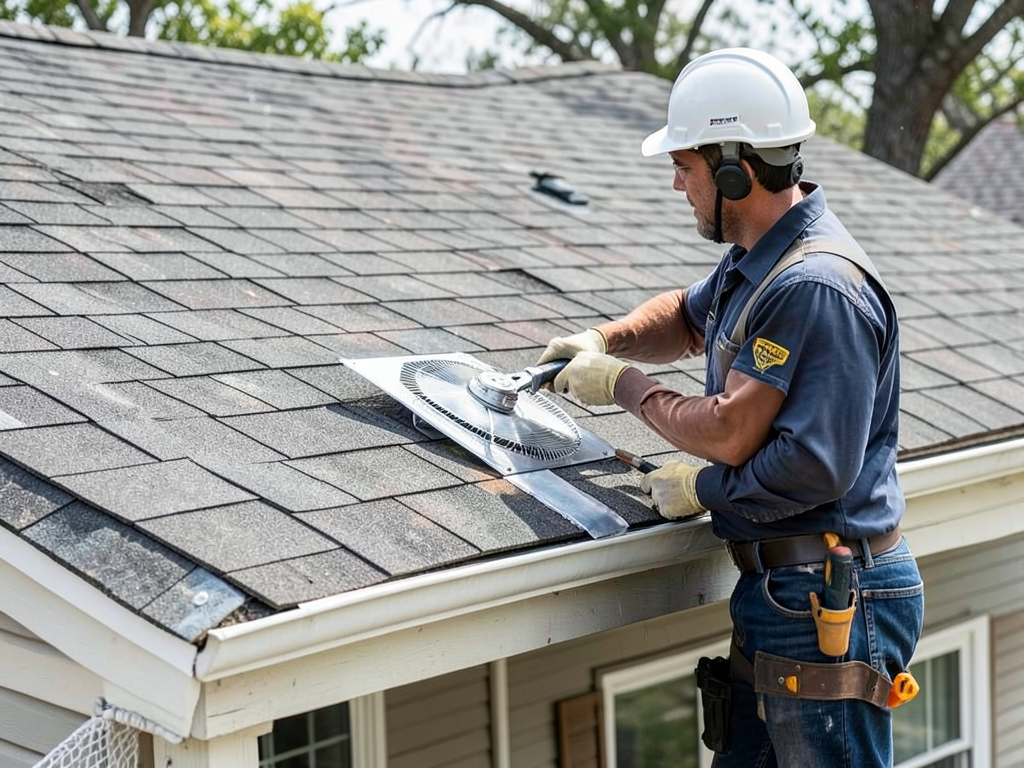
Why Your Norwood Park Bungalow Needs a Specific Kind of Attic Fan to Survive the Summer
Chicago summers can push attic temperatures above 150°F, turning your Norwood Park bungalow into an oven that forces your AC to work overtime. The right attic fan can drop those temperatures by 30-50°F, protect your roof from premature aging, and cut your summer energy bills by up to 30%. This isn’t about comfort alone—it’s about protecting your home’s structural integrity and extending the life of your roofing system. Chicago Department of Buildings.
Norwood Park’s historic bungalows, built primarily between 1900-1930, were designed before air conditioning existed. Their shallow roof pitches and limited attic ventilation make them particularly vulnerable to Chicago’s extreme heat and humidity. Without proper ventilation, trapped heat accelerates shingle deterioration and creates conditions where moisture damage can silently destroy your roof deck from the inside out.. Read more about Why Your New Roof Needs a Different Type of Ventilation if You Have Vaulted Ceilings in Galewood.
Understanding your specific ventilation needs starts with recognizing that not all attic fans work the same way. Solar-powered units seem appealing but struggle during Chicago’s cloudy spring months. Hardwired electric fans provide consistent performance but require professional installation to meet Chicago electrical codes. The key is matching the right technology to your bungalow’s specific architecture and your household’s cooling needs. Extending the Life of Your Flat Roof in Hyde Park with Professional Coating.
How Chicago’s Climate Makes Attic Ventilation Critical
Chicago experiences some of the most extreme temperature swings in the continental United States. Summer humidity regularly exceeds 80%, while winter brings sub-zero temperatures and heavy snowfall. This creates a perfect storm for moisture-related damage in poorly ventilated attics.
During summer months, trapped heat in your attic radiates downward into living spaces, forcing your air conditioner to run constantly. This not only increases your ComEd bill but also shortens the lifespan of your HVAC equipment. The heat also bakes your roofing shingles from below, causing them to curl, crack, and lose their protective granules years before they should. Is Solar Roofing Worth the Investment for Homes in Evanston?.
Winter presents different but equally serious challenges. Warm air from your living space rises into the cold attic, where it meets freezing roof surfaces. This creates condensation that drips onto insulation, rots wood framing, and promotes mold growth. When snow accumulates on your roof, this trapped heat can create ice dams—dangerous formations that force water under shingles and into your home’s interior walls.. Read more about Why Your Oak Brook Home Needs an Ice and Water Shield Even if the Rest of the Roof is Fine.
The Chicago Department of Buildings requires specific ventilation ratios for residential structures. For every 150 square feet of attic space, you need at least 1 square foot of net free ventilation area. This calculation includes both intake vents (typically in your soffits) and exhaust vents (where your attic fan mounts). Failing to meet these requirements can result in failed inspections and potential fines.. Read more about Why Your Bathroom Exhaust Fans Might Be the Real Cause of Roof Rot in Your Portage Park Home.
Solar vs. Electric Attic Fans: What Works Best in Norwood Park
Solar attic fans offer the appeal of zero operating costs and easy installation. They mount directly on your roof and use photovoltaic panels to power the fan motor. However, Chicago’s weather patterns reveal significant limitations. During June and July, when you need cooling most, we average 8-10 cloudy days per month. On these days, solar fans operate at reduced capacity or not at all.
Electric attic fans provide consistent, powerful ventilation regardless of weather conditions. They typically move 1,000-1,600 cubic feet per minute (CFM) of air, compared to solar units that manage 800-1,200 CFM on sunny days. The tradeoff is they consume 10-30 watts of electricity during operation—roughly equivalent to leaving a few LED light bulbs running.
For Norwood Park bungalows specifically, electric fans often make more sense. These homes typically have limited roof space for optimal solar panel placement, and their historic architecture sometimes restricts where equipment can be mounted without affecting the home’s character. Electric fans can be installed in gable ends or on roof ridges where they’re less visible from the street.
Modern electric fans include thermostat controls that activate the unit only when attic temperatures exceed 95°F. This prevents unnecessary operation during mild weather while ensuring you get maximum benefit during heat waves. Some models also include humidistats that respond to moisture levels, providing year-round protection against condensation damage.
Installation Requirements and Building Code Compliance
Chicago building codes require permits for any electrical work involving roof penetrations. The Chicago Department of Buildings mandates that all roof-mounted equipment be installed with flashing that prevents water infiltration. This means your attic fan installation must include proper underlayment, ice and water shield, and step flashing around the mounting bracket.
The National Electrical Code (NEC) Article 334 governs the wiring methods for attic fan installations. In Chicago, all wiring must be in rigid metal conduit or use Type MC cable with an equipment grounding conductor. This protects the wiring from damage and ensures compliance with local inspection requirements.
Proper intake ventilation is just as important as the exhaust fan itself. Without adequate soffit vents, your fan will simply circulate hot air without removing it from the attic space. Most Norwood Park bungalows need additional soffit venting installed before an attic fan can work effectively. This often means cutting new vent openings in the eaves and installing baffles to prevent insulation from blocking airflow.
The Illinois Roofing Contractors Association recommends that attic fans be installed with a dedicated circuit and GFCI protection. This prevents overloading existing circuits and provides protection against electrical faults. The fan should also be mounted on a vibration-isolating bracket to prevent noise transmission through the roof structure. Roofing Berwyn.
Calculating the Right Fan Size for Your Bungalow
Determining the proper fan size starts with calculating your attic’s cubic footage. Measure the length and width of your home’s footprint, then multiply by the average ceiling height. For bungalows with flat or low-slope roofs, this is straightforward. For homes with vaulted ceilings, you’ll need to measure each attic section separately.
The general rule is 1 CFM per square foot of attic space for proper ventilation. However, Chicago’s extreme climate means you should oversize slightly. A 1,200-square-foot bungalow typically needs a 1,400-1,600 CFM fan to handle our summer heat loads effectively.
Here’s a quick reference table for common Norwood Park bungalow sizes:
| Home Size (sq ft) | Recommended CFM | Typical Fan Model |
|---|---|---|
| 800-1,000 | 1,000-1,200 | Medium gable fan |
| 1,000-1,400 | 1,400-1,600 | Large roof-mounted |
| 1,400-1,800 | 1,600-2,000 | High-capacity unit |
Beyond raw CFM numbers, consider the static pressure rating of your fan. This measures how well it moves air against resistance from attic insulation, ductwork, and other obstructions. Chicago attics often have complex layouts that require fans with higher static pressure capabilities.
Don’t forget about the thermostat setting. Most fans activate at 95°F, but setting it to 90°F provides earlier intervention during extreme heat waves. The difference might add a few dollars to your annual electricity costs but can significantly improve comfort and protect your roof.
Installation Process and What to Expect
Professional attic fan installation typically takes 4-6 hours for a straightforward project. The process begins with a comprehensive attic inspection to assess existing ventilation, identify any moisture damage, and determine the optimal fan location.
Step 1 involves preparing the installation site. For roof-mounted fans, this means removing shingles in the installation area, cutting an opening in the roof deck, and installing flashing that integrates with your existing roofing system. The opening must be precisely sized—too small restricts airflow, too large compromises the roof’s weather barrier.
Step 2 focuses on electrical preparation. A dedicated 15-amp circuit is typically run from your main electrical panel to the attic. This wiring must be properly secured and protected from nails or screws that might penetrate the attic floor during future work. The thermostat/humidistat control is mounted in a central attic location where it can accurately read conditions.. Read more about How to Keep Your Upper Floor Bedrooms Cooler in Mount Greenwood Without Cranking the AC.
Step 3 involves mounting the fan unit and connecting it to the electrical system. This includes installing vibration-dampening hardware, sealing all penetrations with roofing cement, and testing the fan’s operation. The final step is replacing shingles and ensuring the installation blends with your existing roof appearance.
Throughout the process, your installer should be checking for signs of existing damage. Common issues in Norwood Park bungalows include rotted fascia boards, inadequate insulation, and blocked soffit vents. Addressing these problems during installation prevents future complications and ensures your new fan operates at peak efficiency.
Energy Savings and Return on Investment
The energy savings from an attic fan can be substantial, but they vary based on your home’s characteristics and local utility rates. In Chicago, where summer cooling costs average $150-200 per month, a properly sized attic fan can reduce those bills by 15-30%.
Here’s a breakdown of typical savings for a Norwood Park bungalow:
| Monthly Cooling Cost | Estimated Savings | Annual Savings | Payback Period |
|---|---|---|---|
| $150 | $22.50 | $270 | 3-4 years |
| $30.00 | $360 | 2-3 years | |
| $250 | $37.50 | $450 | 2-3 years |
These calculations assume electricity costs of $0.15 per kilowatt-hour and fan operation during 4-5 months of Chicago’s cooling season. The actual payback period depends on factors like your attic’s initial temperature, the efficiency of your existing AC unit, and how well your home is insulated.
Beyond direct energy savings, attic fans provide indirect financial benefits. By reducing attic temperatures, they extend the life of your roofing shingles by 5-10 years. Given that a roof replacement for a bungalow costs $8,000-12,000, this represents significant long-term savings. Additionally, lower attic temperatures reduce strain on your air conditioner, potentially delaying expensive HVAC replacements.
Some utility companies offer rebates for energy-efficient home improvements. ComEd occasionally provides incentives for attic ventilation improvements, though availability varies by year and funding availability. Check with your utility provider or ask your installer about current rebate programs.
Maintenance Requirements and Longevity
Attic fans require minimal maintenance, but neglecting basic care can significantly shorten their lifespan. The bearings in the fan motor need occasional lubrication, and the fan blades should be cleaned annually to remove dust and debris that reduce efficiency.
Spring maintenance should include checking the fan’s operation before summer heat arrives. Listen for unusual noises that might indicate bearing wear, and verify that the thermostat is activating the fan at the correct temperature. Clean any debris from around the fan mounting to ensure proper airflow.
Fall maintenance focuses on preparing for winter. While attic fans typically don’t operate during cold months, ensuring they’re in good condition prevents spring failures. Check that all mounting hardware remains tight, as thermal expansion and contraction can loosen bolts over time.
Most quality attic fans last 10-15 years with proper maintenance. Signs that replacement is needed include excessive noise, failure to start, or significantly reduced airflow. When replacing an old unit, consider upgrading to a more efficient model, as fan technology has improved considerably over the past decade.
During severe weather events, inspect your fan for damage. Chicago’s high winds can loosen mounting hardware, and hail can damage fan blades or the protective grille. Prompt repairs prevent water infiltration and ensure your fan is ready when the next heat wave hits. Getting Your Flat Roof Ready for a Chicago Winter in Wicker Park.
Common Mistakes to Avoid
One of the most frequent errors homeowners make is installing an undersized fan. A unit that’s too small for your attic space will run constantly without achieving the temperature reduction you need. Always err on the side of slightly more capacity rather than less. Why More Naperville Homeowners are Switching to Metal Roofing This Year.
Another common mistake is neglecting intake ventilation. Your attic fan can only exhaust air that enters through intake vents. If your soffits are blocked by insulation or lack adequate venting, your fan will struggle to move sufficient air volume. This creates a situation where you’ve invested in equipment that can’t perform effectively.
Improper sealing around roof-mounted fans leads to water leaks that can damage ceilings and walls. The flashing must integrate seamlessly with your existing roofing, and all penetrations must be sealed with roofing cement designed for your specific shingle type. Cutting corners on waterproofing inevitably results in expensive interior repairs.
DIY installation without proper electrical knowledge poses serious safety risks. Attic wiring must be protected from physical damage and meet code requirements for the specific application. Incorrect wiring can create fire hazards or cause your fan to malfunction, potentially damaging your roof structure.
Finally, failing to consider your home’s specific architecture can lead to poor performance. Norwood Park bungalows often have complex attic layouts with multiple levels or unusual configurations. A fan that works perfectly in a simple ranch-style home might be ineffective in a bungalow with compartmentalized attic spaces.
Integration with Your Existing Roofing System
Your attic fan should complement, not compromise, your existing roofing system. If your roof is relatively new (less than 10 years old), choose a fan mounting method that minimizes additional penetrations. Gable-mounted fans or those installed on existing vent stacks can provide ventilation without creating new leak points.
For older roofs approaching replacement age, consider timing your attic fan installation with roof work. This allows for optimal integration of flashing and underlayment, and you can address any underlying ventilation issues that may have contributed to your roof’s aging.
The color and style of your fan components should match your home’s aesthetic. Many modern fans come with paintable grilles and housings that can be finished to blend with your roof or siding. This is particularly important in historic districts like parts of Norwood Park, where maintaining architectural integrity is essential.
If you have a slate or tile roof, special mounting considerations apply. These materials require different flashing techniques than asphalt shingles, and the weight of the fan must be properly distributed to avoid cracking fragile roofing materials. Always work with an installer experienced in your specific roof type.
Consider how your attic fan interacts with other roof-mounted equipment. Satellite dishes, solar panels, and HVAC equipment all compete for space and can interfere with airflow patterns. A professional assessment can help you optimize the placement of all roof-mounted components.
Environmental Impact and Sustainability
Beyond energy savings for your home, attic fans contribute to broader environmental benefits. By reducing your air conditioning load, they decrease electricity demand during peak summer hours when power plants operate less efficiently and produce more emissions.
Solar-powered attic fans represent the most environmentally friendly option, producing zero operational emissions. However, their manufacturing process and the mining of rare earth metals for solar panels create environmental costs that must be weighed against their benefits. For Chicago’s climate, the reduced effectiveness of solar fans during cloudy periods often makes electric models the more practical choice.
The materials used in your fan’s construction also matter. Look for units with housings made from recycled materials and motors designed for easy end-of-life recycling. Some manufacturers now offer take-back programs for old fans, ensuring responsible disposal of electronic components.
Proper attic ventilation also supports your home’s overall energy efficiency strategy. When combined with adequate insulation and air sealing, it creates a comprehensive approach to temperature management that minimizes your carbon footprint while maximizing comfort.
Consider the full lifecycle impact of your investment. A high-quality fan that lasts 15 years produces less waste and requires fewer replacements than cheaper units that fail after 5-7 years. The initial cost premium often pays for itself through reduced replacement frequency and better performance.
Choosing the Right Contractor in Norwood Park
Not all roofing contractors have the specific expertise needed for proper attic fan installation. Look for professionals who understand Chicago’s unique climate challenges and have experience with the architectural styles common to Norwood Park.
Verify that your contractor holds a valid Illinois Roofing License and carries appropriate insurance coverage. Ask to see proof of both general liability and workers’ compensation insurance. This protects you from liability if injuries occur during installation on your property.
Experience with local building codes is crucial. Chicago’s permitting requirements and inspection processes differ from suburban jurisdictions. A contractor familiar with Norwood Park’s specific requirements can navigate the approval process smoothly and ensure your installation passes inspection the first time.
Request references from homeowners in your immediate area. Contractors who regularly work in Norwood Park will understand the specific challenges posed by local housing stock and can provide examples of similar installations they’ve completed successfully.
Get detailed written estimates that specify the fan model, installation method, and any necessary additional work like soffit venting improvements. Avoid contractors who provide vague quotes or pressure you to make immediate decisions. Quality installation requires careful planning and shouldn’t be rushed.
Finally, ask about warranty coverage. A reputable contractor should offer both a workmanship warranty (typically 2-5 years) and information about the manufacturer’s warranty on the fan unit itself. This demonstrates confidence in their installation quality and provides you protection against defects.
Frequently Asked Questions
Will an attic fan void my roof warranty?
When properly installed by a licensed professional, attic fans do not void roofing warranties. In fact, they can extend your roof’s life by reducing heat-related damage. The key is using proper flashing techniques and ensuring all penetrations are sealed according to manufacturer specifications.
How much does attic fan installation cost in Chicago?
Installation costs typically range from $800 to $2,500 depending on the fan type, installation complexity, and any necessary electrical upgrades. Roof-mounted electric fans with professional installation usually cost $1,200-1,800, while simpler gable-mounted units might be $800-1,200.
Can I install an attic fan myself?
While DIY installation is possible, it’s not recommended for most homeowners. Attic fan installation involves electrical work, roof penetrations, and building code compliance. Improper installation can create safety hazards, void warranties, and cause water damage that far exceeds the cost savings of DIY.
How long does installation take?
Most professional installations are completed in 4-6 hours. Complex projects requiring extensive electrical work or soffit modifications might take 1-2 days. Your contractor should provide a specific timeline based on your home’s characteristics during the estimate process.
Do I need a permit for attic fan installation?
Yes, Chicago requires permits for electrical work and roof penetrations. Your contractor should handle the permitting process as part of the installation. Permit costs typically range from $50-200 depending on the scope of work and are usually included in your installation quote.
[IMAGE_PLACEHOVER_1: Technical diagram showing proper attic fan placement relative to soffit vents and ridge vents, illustrating airflow patterns for optimal ventilation]
[IMAGE_PLACEHOLDER_2: Close-up photo of a professional attic fan installation showing proper flashing integration with asphalt shingles and sealed electrical connections]
[IMAGE_PLACEHOLDER_3: Before and after thermal imaging comparison showing attic temperature reduction from 160°F to 105°F after attic fan installation]
Take Control of Your Home’s Comfort Today
Don’t let another Chicago summer turn your Norwood Park bungalow into an oven. The right attic fan can transform your home’s comfort, protect your roof investment, and significantly reduce your energy bills. With proper sizing, professional installation, and regular maintenance, this upgrade pays for itself through improved comfort and energy savings.
Every week you wait is another week of unnecessary heat buildup damaging your roof and forcing your AC to work overtime. Our team understands the specific challenges Norwood Park bungalows face and can recommend the perfect ventilation solution for your home’s unique characteristics.
Call (773) 599-7055 today to schedule your free attic assessment. We’ll evaluate your current ventilation, measure your attic space, and provide a detailed quote for installation. Our licensed professionals will ensure your new fan meets all Chicago building codes and integrates perfectly with your existing roofing system.
Pick up the phone and call (773) 599-7055 before the next heat wave hits. Your home deserves better than sweltering attic temperatures and skyrocketing cooling costs. Let us help you create a more comfortable, efficient, and protected living space that you’ll enjoy for years to come.
Don’t wait until your roof shows signs of heat damage or your energy bills become unbearable. The solution is simpler than you think, and the benefits start immediately after installation. Call (773) 599-7055 now and take the first step toward a cooler, more comfortable home this summer. For more information, visit International Residential Code ventilation requirements.
{
“@context”: “https://schema.org”,
“@type”: “BlogPosting”,
“headline”: “Why Your Norwood Park Bungalow Needs a Specific Kind of Attic Fan to Survive the Summer”,
“description”: “Discover why Chicago’s Norwood Park bungalows need specialized attic fans to combat extreme summer heat and humidity. Learn about proper ventilation and installation.”,
“wordCount”: 3323,
“datePublished”: “2026-04-26T09:37:00.000Z”,
“dateModified”: “2026-04-26T09:37:00.000Z”,
“inLanguage”: “en-US”,
“mainEntityOfPage”: {
“@type”: “WebPage”,
“@id”: “https://patriotroofingchicago.com”
},
“publisher”: {
“@type”: “LocalBusiness”,
“name”: “Patriot Roofing Chicago”,
“url”: “https://patriotroofingchicago.com”
},
“author”: {
“@type”: “Organization”,
“name”: “Patriot Roofing Chicago”,
“url”: “https://patriotroofingchicago.com”
},
“image”: {
“@type”: “ImageObject”,
“url”: “https://patriotroofingchicago.com/wp-content/uploads/2026/03/why-your-norwood-park-bungalow-needs-a-specific-ki-1.png”
}
}
{
“@context”: “https://schema.org”,
“@type”: “RoofingContractor”,
“name”: “Patriot Roofing Chicago”,
“url”: “https://patriotroofingchicago.com”,
“address”: {
“@type”: “PostalAddress”,
“addressLocality”: “Chicago”
},
“areaServed”: {
“@type”: “City”,
“name”: “Chicago”
}
}
{
“@context”: “https://schema.org”,
“@type”: “FAQPage”,
“mainEntity”: [
{
“@type”: “Question”,
“name”: “Will an attic fan void my roof warranty?”,
“acceptedAnswer”: {
“@type”: “Answer”,
“text”: “When properly installed by a licensed professional, attic fans do not void roofing warranties. In fact, they can extend your roof’s life by reducing heat-related damage. The key is using proper flashing techniques and ensuring all penetrations are sealed according to manufacturer specifications.”
}
},
{
“@type”: “Question”,
“name”: “How much does attic fan installation cost in Chicago?”,
“acceptedAnswer”: {
“@type”: “Answer”,
“text”: “Installation costs typically range from $800 to $2,500 depending on the fan type, installation complexity, and any necessary electrical upgrades. Roof-mounted electric fans with professional installation usually cost $1,200-1,800, while simpler gable-mounted units might be $800-1,200.”
}
},
{
“@type”: “Question”,
“name”: “Can I install an attic fan myself?”,
“acceptedAnswer”: {
“@type”: “Answer”,
“text”: “While DIY installation is possible, it’s not recommended for most homeowners. Attic fan installation involves electrical work, roof penetrations, and building code compliance. Improper installation can create safety hazards, void warranties, and cause water damage that far exceeds the cost savings of DIY.”
}
},
{
“@type”: “Question”,
“name”: “How long does installation take?”,
“acceptedAnswer”: {
“@type”: “Answer”,
“text”: “Most professional installations are completed in 4-6 hours. Complex projects requiring extensive electrical work or soffit modifications might take 1-2 days. Your contractor should provide a specific timeline based on your home’s characteristics during the estimate process.”
}
},
{
“@type”: “Question”,
“name”: “Do I need a permit for attic fan installation?”,
“acceptedAnswer”: {
“@type”: “Answer”,
“text”: “Yes, Chicago requires permits for electrical work and roof penetrations. Your contractor should handle the permitting process as part of the installation. Permit costs typically range from $50-200 depending on the scope of work and are usually included in your installation quote.”
}
}
]
}
{
“@context”: “https://schema.org”,
“@type”: “BreadcrumbList”,
“itemListElement”: [
{
“@type”: “ListItem”,
“position”: 1,
“name”: “Home”,
“item”: “https://patriotroofingchicago.com”
},
{
“@type”: “ListItem”,
“position”: 2,
“name”: “Blog”,
“item”: “https://patriotroofingchicago.com/blog”
},
{
“@type”: “ListItem”,
“position”: 3,
“name”: “Why Your Norwood Park Bungalow Needs a Specific Kind of Attic Fan to Survive the Summer”
}
]
}
{
“@context”: “https://schema.org”,
“@type”: “Service”,
“serviceType”: “Roofing”,
“provider”: {
“@type”: “LocalBusiness”,
“name”: “Patriot Roofing Chicago”,
“url”: “https://patriotroofingchicago.com”
},
“areaServed”: {
“@type”: “City”,
“name”: “Chicago”
},
“description”: “Discover why Chicago’s Norwood Park bungalows need specialized attic fans to combat extreme summer heat and humidity. Learn about proper ventilation and installation.”
}