
Why Your New Roof Needs a Different Type of Ventilation if You Have Vaulted Ceilings in Galewood
Vaulted ceilings create a beautiful open feeling in Galewood homes but they also create a ventilation nightmare that standard attic systems cannot fix. Without proper airflow between your roof deck and ceiling, moisture builds up and turns your cathedral ceiling into a condensation trap. Chicago’s freeze-thaw cycles then push that trapped moisture into your roof structure causing wood rot and ice dams along your eaves.
Galewood’s mix of historic bungalows and newer construction means many homes have vaulted ceilings that trap heat and moisture against the underside of the roof deck. Standard soffit and ridge vent systems designed for attics cannot work when there is no attic space. You need a specialized ventilation strategy that accounts for both the physics of airflow and Chicago’s extreme weather patterns.
Ice dams form when warm air from your living space rises through poorly sealed ceiling penetrations and melts snow on the roof surface. That water runs down to the cold eaves and refreezes creating a dam. Without proper ventilation to keep the roof deck uniformly cold, this cycle repeats until water backs up under your shingles and leaks into your home. The solution requires understanding how air moves through a vaulted ceiling system and installing components that work together to maintain consistent temperatures.
How Vaulted Ceiling Ventilation Differs from Standard Attic Systems
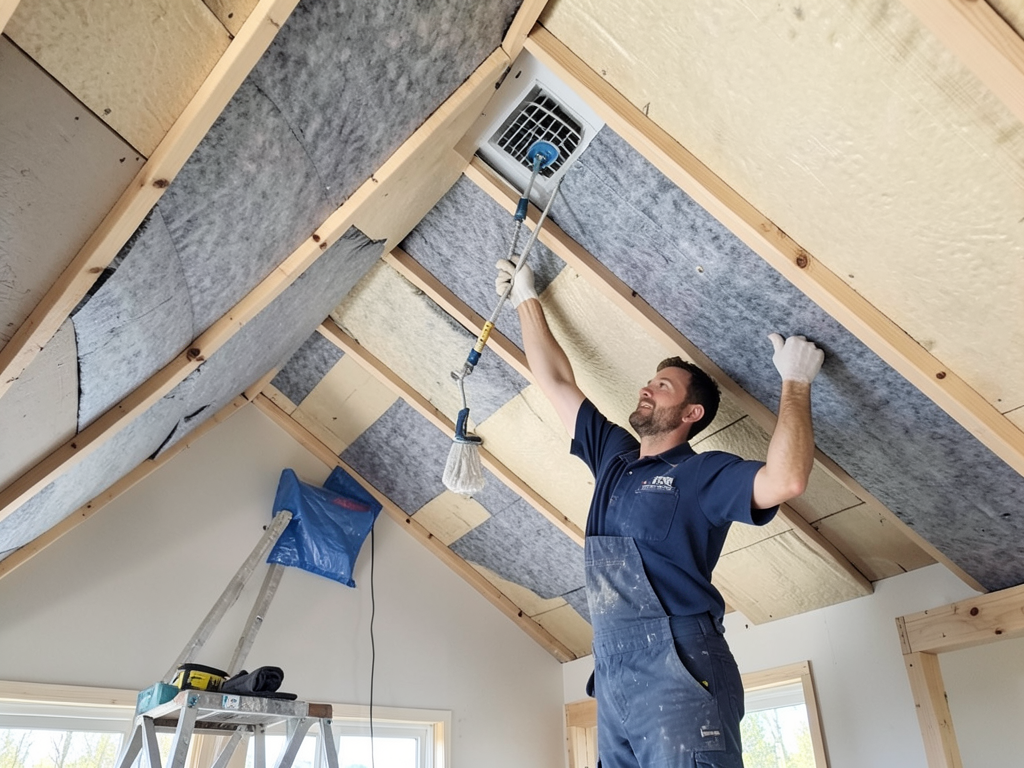
Traditional attic ventilation relies on the principle that cool air enters through soffit vents and pushes warm air out through ridge vents creating continuous airflow. This works because attics have open space above the insulation where air can move freely. Vaulted ceilings eliminate that space by placing insulation directly against the roof deck leaving no room for air circulation.
Without airflow, moisture from cooking, showering, and breathing accumulates in the dead air space between your ceiling and roof. In Galewood’s climate where winter humidity often exceeds 70 percent, this moisture condenses on the cold roof deck and creates the perfect environment for mold growth and wood deterioration. The problem compounds because most homeowners never see the damage until it becomes severe enough to cause visible stains or leaks. Why More Naperville Homeowners are Switching to Metal Roofing This Year.
The physics of vaulted ceiling ventilation requires creating channels for air movement where none naturally exist. This means installing baffles or insulation chutes that maintain a consistent air gap from soffit to ridge. These baffles must be sealed at every penetration to prevent conditioned air from escaping into the ventilation channel where it can cause condensation. The system must also account for Chicago’s wind patterns which can create negative pressure on certain roof faces and reverse the intended airflow direction.
Chicago Building Codes for Vaulted Ceiling Ventilation
The Chicago Building Code and Illinois Energy Conservation Code establish minimum requirements for vaulted ceiling ventilation that go beyond standard attic requirements. Section 13-56-300 of the Municipal Code requires continuous ventilation for cathedral ceilings with a net free area equal to at least one square foot of ventilation for every three hundred square feet of ceiling area. This ratio ensures adequate airflow to prevent moisture accumulation and ice dam formation. Illinois Energy Conservation Code.
Cook County amendments to the state energy code require R-49 insulation in vaulted ceilings which creates additional challenges for ventilation. The thick insulation reduces the available space for air channels making proper baffle installation critical. The code also mandates vapor barriers on the warm side of the insulation to prevent moisture migration into the roof structure. These requirements mean vaulted ceiling ventilation is not a DIY project but requires understanding of building science and local code compliance.
Chicago’s specific climate zone classification as Zone 5 means ventilation systems must handle temperature differentials that can exceed ninety degrees between summer highs and winter lows. This extreme swing causes materials to expand and contract creating gaps that compromise ventilation efficiency. The code recognizes this by requiring materials that maintain their shape and seal integrity across the full temperature range. Standard plastic baffles that work fine in milder climates often fail in Chicago’s conditions cracking and losing their seal when temperatures plummet.
Common Ventilation Problems in Galewood Homes
Galewood’s housing stock includes many homes built between 1920 and 1960 when building practices differed significantly from today’s standards. These older homes often lack proper vapor barriers and have insulation that has settled or become compressed over decades. When homeowners add vaulted ceilings during renovations without addressing these underlying issues, they create perfect conditions for moisture damage.
Many Galewood homes have complex roof lines with multiple valleys and dormers that create areas where ventilation channels can become blocked. Snow accumulation in these areas stays longer and adds weight stress to the roof structure. Without proper ventilation to maintain uniform roof deck temperatures, these areas become prime locations for ice dam formation. The problem is compounded by mature tree cover in neighborhoods like the area near Amundsen Park where shade prevents snow from melting naturally.
Homeowners often discover ventilation problems only after experiencing their first Chicago winter in a newly vaulted space. Signs include peeling paint on ceiling drywall, visible water stains near exterior walls, and the sound of dripping water in the walls during sunny winter days when snow melts from attic heat. By this point, structural damage to roof sheathing and rafters may already be occurring. Early detection requires understanding what to look for and knowing that standard home inspections rarely catch these issues. Getting Your Flat Roof Ready for a Chicago Winter in Wicker Park.
Ventilation Components That Actually Work in Chicago
Effective vaulted ceiling ventilation requires components specifically engineered for Chicago’s climate. Rigid foam baffles provide better insulation value and maintain their shape better than standard cardboard chutes when temperatures drop below zero. These baffles should extend from soffit to ridge without any gaps where air can bypass the intended channel. The foam material resists moisture absorption and maintains its structural integrity through freeze-thaw cycles.
Soffit vents for vaulted ceilings need to be oversized compared to standard installations because the restricted airflow path requires more intake area to achieve the same ventilation rate. Continuous strip vents along the entire soffit length work better than individual vent inserts which can become blocked by insulation or debris. The vent design should include a rain screen to prevent wind-driven snow from entering the ventilation channel during storms.
Ridge vents for vaulted applications need to provide both exhaust capability and weather protection. External baffle designs that block wind-driven rain work better than simple open slots which can allow snow infiltration. The vent should have a net free area at least equal to the combined soffit vent area to maintain proper airflow balance. In Galewood’s wind patterns, this often means selecting ridge vents with higher wind resistance ratings than standard models.
The Hot Roof Alternative for Vaulted Ceilings
When traditional ventilation proves impractical due to roof design or budget constraints, the hot roof or unvented assembly offers an alternative approach. This system eliminates the need for ventilation channels by using closed-cell spray foam insulation applied directly to the underside of the roof deck. The foam creates both the insulation layer and the vapor barrier in one application sealing all penetrations and maintaining a continuous thermal envelope.
Chicago’s building code permits unvented roof assemblies when the insulation meets specific requirements for moisture control and fire safety. The closed-cell foam must achieve a minimum R-value per inch that provides both insulation and structural rigidity. This approach works particularly well in Galewood homes with complex roof lines where installing traditional baffles would be difficult or impossible. The foam also adds structural strength to the roof assembly which can be beneficial in older homes.
The hot roof system changes the thermal dynamics of the ceiling assembly by bringing the roof deck into the conditioned space. This eliminates the cold surface where condensation forms but requires careful calculation of the dew point location within the assembly. The foam must be thick enough to keep the dew point above the foam surface even during extreme cold snaps. In Galewood’s climate, this typically means foam depths of at least three inches for open-cell applications or two inches for closed-cell applications.
Cost Factors for Vaulted Ceiling Ventilation Projects
Retrofitting ventilation in existing vaulted ceilings costs significantly more than installing proper ventilation during initial construction. The demolition required to access the roof deck and install baffles often involves removing drywall, light fixtures, and sometimes entire ceiling sections. Labor costs in Galewood range from $75 to $125 per hour for experienced roofing contractors familiar with vaulted ceiling work. A typical retrofit project for a 1,500 square foot vaulted area can cost between $8,000 and $15,000 depending on roof complexity. Is Solar Roofing Worth the Investment for Homes in Evanston?.
New construction or major renovation projects allow for much more cost-effective ventilation installation. When baffles can be installed during framing before drywall goes up, labor costs drop by 60 percent and material waste is minimized. The cost difference often influences homeowners to delay vaulted ceiling projects until they can afford comprehensive work rather than patching ventilation into existing structures. However, the long-term energy savings and prevention of moisture damage usually justify the initial investment.
Insurance considerations also factor into the cost equation. Homes with properly ventilated vaulted ceilings often qualify for lower premiums because they present less risk of water damage and mold claims. Some insurance companies in Chicago offer specific discounts for homes with documented ventilation improvements that meet local building code requirements. These savings can offset 10 to 15 percent of the ventilation project cost over time making the investment more attractive.
Maintenance and Monitoring for Vaulted Ceiling Systems
Vaulted ceiling ventilation systems require ongoing monitoring to ensure they continue functioning properly. The baffles can become blocked by insulation settling over time or by pests building nests in the ventilation channels. Annual inspections should check for signs of moisture damage, blocked vents, and proper airflow. In Galewood’s climate, this inspection is best performed in late fall before winter weather arrives.
Moisture meters can detect early signs of water accumulation in roof sheathing before visible damage occurs. These readings should be taken at multiple points along the roof ridge and eaves to identify areas where ventilation may be inadequate. Temperature differential measurements between the ceiling surface and roof deck can also indicate ventilation problems. A properly functioning system should maintain a temperature difference of less than ten degrees between these surfaces during winter conditions.
Ventilation vent screens should be cleaned annually to remove debris that can block airflow. Soffit vents are particularly prone to clogging from leaves, pine needles, and insulation fibers. Compressed air or a shop vacuum can clear these vents without damaging the vent components. The ridge vent should also be inspected for damage from wind, hail, or ice accumulation that could compromise its weather protection capabilities.
Choosing the Right Contractor for Vaulted Ceiling Work
Not all roofing contractors have experience with the complexities of vaulted ceiling ventilation. Look for contractors who understand building science principles and can explain the specific challenges of your home’s construction. Ask about their experience with similar homes in Galewood and request references from homeowners with vaulted ceiling projects. A qualified contractor should be able to discuss specific building code requirements and provide documentation of compliance. Roofing Berwyn.
The best contractors for this work often have backgrounds in both roofing and insulation installation. They understand how the two systems interact and can identify potential problems before they occur. Look for contractors who use thermal imaging cameras to diagnose ventilation issues and who provide detailed project plans that include code compliance documentation. Avoid contractors who offer quick fixes or who cannot explain the physics of how their proposed solution will work.. Read more about Choosing the Right Roofing Material for Your Modern ADU in West Town.
Local experience matters significantly for vaulted ceiling work in Galewood. Contractors familiar with the area understand the specific challenges posed by local weather patterns, building styles, and code requirements. They know which products perform best in Chicago’s climate and can anticipate problems that might not be obvious to contractors from outside the area. This local knowledge often translates into smoother projects and better long-term performance.
Energy Efficiency Benefits Beyond Moisture Control
Proper vaulted ceiling ventilation provides benefits beyond preventing moisture damage. A well-designed system can reduce heating and cooling costs by maintaining more consistent temperatures throughout the living space. In winter, proper ventilation prevents heat from accumulating at the ceiling level where it can escape through the roof. In summer, it allows hot air to exhaust naturally reducing the cooling load on your air conditioning system.
The energy savings from improved ventilation often offset a significant portion of the installation cost over time. Homes with vaulted ceilings typically experience higher energy bills because the increased ceiling area creates more surface for heat transfer. Proper ventilation can reduce these costs by 15 to 25 percent in many cases. The exact savings depend on factors like insulation quality, window efficiency, and local energy rates.
Beyond direct energy savings, proper ventilation extends the life of your roofing materials. Asphalt shingles installed over poorly ventilated vaulted ceilings can fail prematurely due to excessive heat buildup. The constant temperature cycling caused by poor ventilation causes shingles to become brittle and lose their protective granules. By maintaining more consistent roof deck temperatures, proper ventilation can add years to your roof’s service life saving thousands in replacement costs.. Read more about What You Need to Know About Roofing a New Coach House in North Center.
Frequently Asked Questions
Can I convert my attic to a vaulted ceiling without addressing ventilation?
No. Converting attic space to a vaulted ceiling without proper ventilation will trap moisture and create serious structural problems. The building code requires ventilation for all insulated ceiling assemblies and ignoring this requirement will lead to mold, wood rot, and eventual roof failure.
How do I know if my vaulted ceiling has ventilation problems?
Signs include ice dams along eaves, water stains on ceiling drywall, peeling paint, musty odors, and higher than expected heating bills. You might also notice temperature differences between rooms with vaulted and flat ceilings. A professional inspection using moisture meters and thermal imaging can diagnose problems before they cause visible damage. Extending the Life of Your Flat Roof in Hyde Park with Professional Coating.
Is spray foam insulation a good alternative to traditional ventilation?
Closed-cell spray foam can eliminate the need for traditional ventilation in vaulted ceilings when properly installed. This hot roof approach creates a continuous insulation and vapor barrier system. However, it requires specific code compliance and must be installed by certified professionals familiar with unvented roof assemblies.
How much does it cost to fix ventilation in an existing vaulted ceiling?
Retrofitting ventilation in existing vaulted ceilings typically costs between $8,000 and $15,000 for a standard home. The wide range depends on roof complexity, accessibility, and whether drywall removal is required. New construction or major renovations can reduce these costs by 50 percent or more.
Will proper ventilation prevent all ice dams?
Proper ventilation significantly reduces ice dam formation but may not eliminate it entirely in extreme conditions. Factors like solar exposure, wind patterns, and insulation quality also affect ice dam formation. However, homes with proper vaulted ceiling ventilation experience far fewer ice dam problems than those without adequate airflow.
How often should vaulted ceiling ventilation be inspected?
Vaulted ceiling ventilation systems should be inspected annually, preferably in late fall before winter weather arrives. More frequent inspections may be needed if you notice signs of moisture problems or after severe weather events that could damage vent components.
Can I install vaulted ceiling ventilation myself?
While some aspects of ventilation installation are DIY-friendly, vaulted ceiling systems require understanding of building science, local codes, and proper material selection. Improper installation can cause more problems than it solves. For most homeowners, professional installation ensures code compliance and proper system performance.
What building codes apply to vaulted ceiling ventilation in Chicago?
Chicago Municipal Code Section 13-56-300 and Illinois Energy Conservation Code requirements for Zone 5 climates apply to vaulted ceiling ventilation. These codes specify minimum ventilation ratios, insulation requirements, and material specifications. Local amendments may impose additional requirements in certain areas.
Vaulted ceilings add beauty and spaciousness to Galewood homes but they require specialized ventilation approaches that standard attic systems cannot provide. The combination of Chicago’s extreme weather and the physics of cathedral ceiling construction creates unique challenges that demand proper planning and execution. Whether you’re building new, renovating, or troubleshooting existing problems, understanding these principles helps you make informed decisions about your home’s ventilation system.
Don’t wait until moisture damage becomes visible and expensive to repair. Call (773) 599-7055 today to schedule your vaulted ceiling ventilation inspection. Our Chicago-trained specialists understand the specific challenges Galewood homes face and can design solutions that protect your investment while improving your home’s comfort and efficiency. EPA ventilation guidelines.
You may also find this helpful. How to Keep Your Upper Floor Bedrooms Cooler in Mount Greenwood Without Cranking the AC.
{
“@context”: “https://schema.org”,
“@type”: “BlogPosting”,
“headline”: “Why Your New Roof Needs a Different Type of Ventilation if You Have Vaulted Ceilings in Galewood”,
“description”: “Vaulted ceilings in Galewood homes create unique ventilation challenges. Learn why traditional attic vents fail and discover Chicago-approved solutions to prevent ice dams and moisture damage.”,
“wordCount”: 2807,
“datePublished”: “2026-05-13T06:14:00.000Z”,
“dateModified”: “2026-05-13T06:14:00.000Z”,
“inLanguage”: “en-US”,
“mainEntityOfPage”: {
“@type”: “WebPage”,
“@id”: “https://patriotroofingchicago.com”
},
“publisher”: {
“@type”: “LocalBusiness”,
“name”: “Patriot Roofing Chicago”,
“url”: “https://patriotroofingchicago.com”
},
“author”: {
“@type”: “Organization”,
“name”: “Patriot Roofing Chicago”,
“url”: “https://patriotroofingchicago.com”
},
“image”: {
“@type”: “ImageObject”,
“url”: “https://patriotroofingchicago.com/wp-content/uploads/2026/03/why-your-new-roof-needs-a-different-type-of-ventil-1.png”
}
}
{
“@context”: “https://schema.org”,
“@type”: “RoofingContractor”,
“name”: “Patriot Roofing Chicago”,
“url”: “https://patriotroofingchicago.com”,
“address”: {
“@type”: “PostalAddress”,
“addressLocality”: “Chicago”
},
“areaServed”: {
“@type”: “City”,
“name”: “Chicago”
}
}
{
“@context”: “https://schema.org”,
“@type”: “FAQPage”,
“mainEntity”: [
{
“@type”: “Question”,
“name”: “Can I convert my attic to a vaulted ceiling without addressing ventilation?”,
“acceptedAnswer”: {
“@type”: “Answer”,
“text”: “No. Converting attic space to a vaulted ceiling without proper ventilation will trap moisture and create serious structural problems. The building code requires ventilation for all insulated ceiling assemblies and ignoring this requirement will lead to mold, wood rot, and eventual roof failure.”
}
},
{
“@type”: “Question”,
“name”: “How do I know if my vaulted ceiling has ventilation problems?”,
“acceptedAnswer”: {
“@type”: “Answer”,
“text”: “Signs include ice dams along eaves, water stains on ceiling drywall, peeling paint, musty odors, and higher than expected heating bills. You might also notice temperature differences between rooms with vaulted and flat ceilings. A professional inspection using moisture meters and thermal imaging can diagnose problems before they cause visible damage. Extending the Life of Your Flat Roof in Hyde Park with Professional Coating.”
}
},
{
“@type”: “Question”,
“name”: “Is spray foam insulation a good alternative to traditional ventilation?”,
“acceptedAnswer”: {
“@type”: “Answer”,
“text”: “Closed-cell spray foam can eliminate the need for traditional ventilation in vaulted ceilings when properly installed. This hot roof approach creates a continuous insulation and vapor barrier system. However, it requires specific code compliance and must be installed by certified professionals familiar with unvented roof assemblies.”
}
},
{
“@type”: “Question”,
“name”: “How much does it cost to fix ventilation in an existing vaulted ceiling?”,
“acceptedAnswer”: {
“@type”: “Answer”,
“text”: “Retrofitting ventilation in existing vaulted ceilings typically costs between $8,000 and $15,000 for a standard home. The wide range depends on roof complexity, accessibility, and whether drywall removal is required. New construction or major renovations can reduce these costs by 50 percent or more.”
}
},
{
“@type”: “Question”,
“name”: “Will proper ventilation prevent all ice dams?”,
“acceptedAnswer”: {
“@type”: “Answer”,
“text”: “Proper ventilation significantly reduces ice dam formation but may not eliminate it entirely in extreme conditions. Factors like solar exposure, wind patterns, and insulation quality also affect ice dam formation. However, homes with proper vaulted ceiling ventilation experience far fewer ice dam problems than those without adequate airflow.”
}
},
{
“@type”: “Question”,
“name”: “How often should vaulted ceiling ventilation be inspected?”,
“acceptedAnswer”: {
“@type”: “Answer”,
“text”: “Vaulted ceiling ventilation systems should be inspected annually, preferably in late fall before winter weather arrives. More frequent inspections may be needed if you notice signs of moisture problems or after severe weather events that could damage vent components.”
}
},
{
“@type”: “Question”,
“name”: “Can I install vaulted ceiling ventilation myself?”,
“acceptedAnswer”: {
“@type”: “Answer”,
“text”: “While some aspects of ventilation installation are DIY-friendly, vaulted ceiling systems require understanding of building science, local codes, and proper material selection. Improper installation can cause more problems than it solves. For most homeowners, professional installation ensures code compliance and proper system performance.”
}
},
{
“@type”: “Question”,
“name”: “What building codes apply to vaulted ceiling ventilation in Chicago?”,
“acceptedAnswer”: {
“@type”: “Answer”,
“text”: “Chicago Municipal Code Section 13-56-300 and Illinois Energy Conservation Code requirements for Zone 5 climates apply to vaulted ceiling ventilation. These codes specify minimum ventilation ratios, insulation requirements, and material specifications. Local amendments may impose additional requirements in certain areas.”
}
}
]
}
{
“@context”: “https://schema.org”,
“@type”: “BreadcrumbList”,
“itemListElement”: [
{
“@type”: “ListItem”,
“position”: 1,
“name”: “Home”,
“item”: “https://patriotroofingchicago.com”
},
{
“@type”: “ListItem”,
“position”: 2,
“name”: “Blog”,
“item”: “https://patriotroofingchicago.com/blog”
},
{
“@type”: “ListItem”,
“position”: 3,
“name”: “Why Your New Roof Needs a Different Type of Ventilation if You Have Vaulted Ceilings in Galewood”
}
]
}
{
“@context”: “https://schema.org”,
“@type”: “Service”,
“serviceType”: “Roofing”,
“provider”: {
“@type”: “LocalBusiness”,
“name”: “Patriot Roofing Chicago”,
“url”: “https://patriotroofingchicago.com”
},
“areaServed”: {
“@type”: “City”,
“name”: “Chicago”
},
“description”: “Vaulted ceilings in Galewood homes create unique ventilation challenges. Learn why traditional attic vents fail and discover Chicago-approved solutions to prevent ice dams and moisture damage.”
}