
What You Need to Know About Roofing a New Coach House in North Center
Building a coach house in North Center means navigating Chicago’s strict building codes and unique climate challenges. The city’s 2020 Accessory Dwelling Unit (ADU) ordinance allows these backyard structures, but roofing them requires understanding specific regulations for fire resistance, drainage, and structural integrity. You need a roof that handles heavy snow loads, resists ice dam formation, and meets all Chicago Department of Buildings requirements. Chicago Building Code Title 14B.
Chicago ADU Ordinance and North Center Zoning Requirements
North Center falls under Chicago’s R-3 and RT-4 zoning districts, which impose specific limitations on coach house height and setbacks. The 2020 ADU ordinance permits detached structures up to 850 square feet with a maximum height of 16 feet from grade. This height restriction directly impacts your roofing choices since you cannot exceed the total building envelope. Chicago ADU Ordinance.
North Center’s historic character means many properties require additional review if they’re within landmark districts or near contributing structures. The Northcenter Chamber of Commerce area has seen increased interest in coach houses as property owners seek additional rental income or multigenerational living spaces. Before you begin, check with the Chicago Department of Planning and Development about your specific property’s zoning compliance.
Building Code Requirements for Coach House Roofs
Chicago Building Code Title 14B mandates specific requirements for accessory structures that differ from primary residences. Coach houses must meet Class A fire resistance ratings since they’re often located near property lines. This means using materials tested for severe fire exposure and maintaining proper clearance from combustible materials. Class 4 Impact Resistant Shingles.
The code requires minimum R-49 insulation for heated coach houses, which affects your roof assembly design. You’ll need adequate ventilation to prevent moisture buildup in the attic space, with soffit vents and ridge vents sized according to the International Residential Code. Chicago’s freeze-thaw cycles make proper ice and water shield installation critical under all roofing materials. Is Solar Roofing Worth the Investment for Homes in Evanston?.
Flat Roof vs. Pitched Roof Regulations
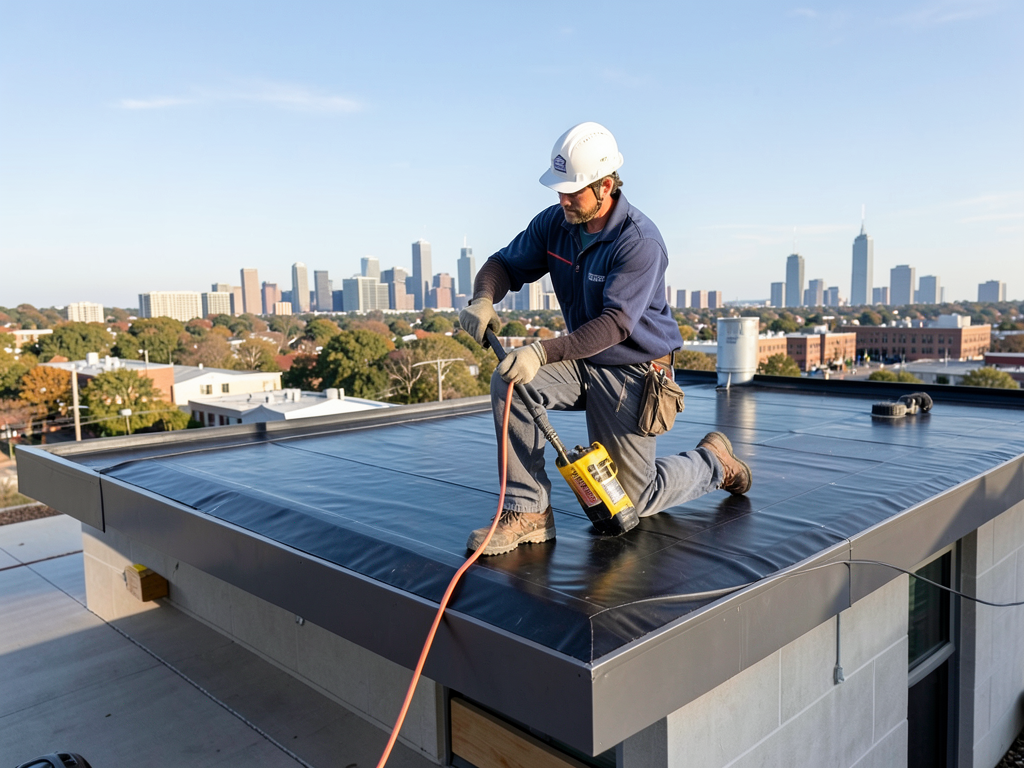
Coach houses in North Center typically feature flat or low-slope roofs due to height restrictions and architectural compatibility with existing homes. Chicago Municipal Code Section 14B-184.108.40.206 requires flat roofs on accessory structures to have minimum 1/4:12 slope for drainage. This slight pitch prevents water pooling while staying within height limits.
Flat roofs must include properly sized scuppers or internal drains based on the roof area and local rainfall intensity. The code mandates overflow drainage systems to prevent catastrophic failure during heavy storms. Parapet walls on flat coach house roofs must extend at least 30 inches above the roof surface and be constructed with non-combustible materials.
Pitched roofs offer better drainage and longer material lifespans but consume more of your height allowance. A standard 4:12 pitch roof on a 16-foot maximum height building leaves minimal room for ceiling finishes and HVAC equipment. Most North Center coach houses opt for modified bitumen or TPO roofing systems that provide excellent waterproofing at low slopes. Roofing Berwyn.
Fire Resistance and Material Requirements
Class A fire ratings are mandatory for coach house roofing in Chicago. This rating indicates the material can withstand severe fire exposure and prevents fire spread to adjacent properties. Common Class A materials include fiberglass asphalt shingles, metal roofing with appropriate underlayment, and certain synthetic products. Roofing Forest Park.
The Chicago Fire Department requires specific fire separation between coach houses and main residences. Your roof assembly must include fire-resistant sheathing and proper attic ventilation to prevent heat buildup that could compromise fire safety. Materials like untreated wood shakes or standard asphalt shingles without Class A certification are prohibited.. Read more about The Difference Between Green Algae and Moss on Your Roof in North Center.
Ice and water shield underlayment is required on all coach house roofs in Chicago. The shield must extend at least 24 inches past the interior wall line and cover all roof edges. This requirement protects against ice dam damage, which is particularly severe in North Center due to temperature fluctuations near Lake Michigan.
Permit Process for Coach House Roof Replacement
Roofing a coach house requires permits through Chicago’s Easy Permit Process for minor repairs or Standard Plan Review for complete replacements. The Easy Permit covers up to 25% roof area replacement without structural changes. Anything beyond this threshold requires detailed plans stamped by a licensed architect or engineer.
The permit application must include roof load calculations, especially if converting attic space to living area. Chicago’s heavy snow loads can exceed 25 pounds per square foot, requiring engineered trusses or rafters. Your permit package should demonstrate compliance with all setback requirements and fire separation distances.
Inspection requirements include framing inspection before sheathing installation, rough inspection for electrical and plumbing if applicable, and final inspection after roofing completion. The Chicago Department of Buildings conducts these inspections to verify code compliance. Missing inspections can result in stop-work orders and permit revocation.
Material Requirements and Landmark District Restrictions
North Center contains several historic districts where roofing materials must match existing neighborhood character. The Landmark Commission reviews applications for properties within these districts, potentially limiting your material choices. Modern synthetic materials may be prohibited in favor of traditional options that maintain architectural continuity.. Read more about Why Real Clay Tiles Might Not Be the Best Choice for Your Home in Sauganash.
Energy efficiency requirements under the Chicago Energy Conservation Code affect your roofing choices. The code mandates minimum insulation levels and air sealing for all new construction, including coach houses. Your roof assembly must achieve specific thermal performance metrics while maintaining proper ventilation to prevent condensation issues.
Material costs vary significantly based on your choices. Modified bitumen roofing systems cost $7-12 per square foot installed, while premium metal roofing ranges from $12-20 per square foot. Factor in additional costs for ice and water shield, proper underlayment, and ventilation components when budgeting your project.
Drainage and Gutter Regulations
Chicago requires specific drainage solutions for coach houses based on their size and location. Roofs under 500 square feet can drain onto adjacent permeable surfaces, while larger roofs need connected gutter systems. The code prohibits direct roof drainage onto public sidewalks or neighboring properties without proper easements.
Gutter sizing depends on your roof area and local rainfall intensity. Chicago’s design storms require larger capacity gutters than many suburban areas. Downspouts must direct water at least five feet from foundation walls, with extensions or underground drainage systems to prevent soil erosion and basement flooding.
Scupper systems for flat roofs require careful sizing to handle maximum rainfall events. The Chicago Building Code provides tables for determining required scupper sizes based on roof area and rainfall intensity. Undersized scuppers can cause roof collapse during heavy storms, making proper engineering essential.
Ice Dam Prevention and Ventilation Requirements
North Center’s proximity to Lake Michigan creates unique weather patterns that increase ice dam formation risk. Proper ventilation is your primary defense against ice dams, requiring balanced intake and exhaust airflow through the roof assembly. The code mandates minimum ventilation ratios based on attic floor area.
Vented soffit systems provide intake air, while ridge vents or powered attic fans create exhaust flow. Without proper airflow, warm air from heated coach house spaces rises and melts snow on the roof surface. This meltwater refreezes at the colder eaves, creating damaging ice dams that can lift shingles and cause leaks.
Heat cables along roof edges provide additional protection in severe cases. These systems activate when temperatures drop below freezing, preventing ice formation at critical areas. While not required by code, heat cables are common in North Center coach houses due to the area’s susceptibility to ice dam damage.
Cost Factors and Timeline Considerations
Roofing a coach house in North Center typically costs $15,000-35,000 depending on size, materials, and complexity. Simple re-roofing of existing structures runs toward the lower end, while new construction with premium materials reaches the higher range. Factor in permit fees of $500-2,000 and potential architectural review costs.
Construction timelines vary based on permit processing and weather conditions. Chicago’s building department typically processes Easy Permits within 2-3 weeks and Standard Plans within 4-6 weeks. Add 2-3 days for demolition and 3-5 days for installation, plus additional time for inspections and punch list items.
North Center’s mature tree canopy creates additional challenges for roof installation. Large trees near property lines can limit equipment access and require careful debris management. Plan for additional protection of landscaping and neighboring properties during the construction process.
Choosing the Right Contractor
Selecting a contractor experienced with Chicago’s specific requirements is crucial for coach house projects. Look for companies familiar with the ADU ordinance, local building codes, and North Center’s architectural character. Verify their Chicago roofing license and check references for similar projects in the area.
Ask potential contractors about their experience with flat roof systems, ice and water shield installation, and ventilation design. A qualified contractor should explain the differences between roofing materials and help you choose options that balance cost, durability, and code compliance. They should also handle permit acquisition and coordinate inspections.
Insurance coverage is essential for coach house roofing projects. Your contractor should carry general liability insurance and workers’ compensation coverage. Request certificates of insurance and verify coverage before signing any contracts. This protects you from liability if accidents occur during construction.
Maintenance and Long-Term Care
Coach house roofs require regular maintenance to achieve their expected lifespan. Flat roofs need biannual inspections to check for ponding water, membrane damage, and flashing deterioration. Clean gutters and downspouts seasonally to prevent water backup and ice dam formation during winter months.
North Center’s mature trees drop leaves and debris that can clog drainage systems. Schedule fall cleaning to remove organic material before winter weather arrives. Check for tree branches that overhang the roof, as these can damage roofing materials during storms and provide pathways for pests.
Document all maintenance activities and keep warranties accessible. Many roofing material manufacturers require regular maintenance to keep warranties valid. A well-maintained coach house roof can last 20-30 years for modified bitumen systems or 40-50 years for premium metal roofing.
Frequently Asked Questions
Do I need a permit to re-roof my coach house in North Center?
Yes, any roofing work on a coach house requires a permit from the Chicago Department of Buildings. Minor repairs under 25% of the roof area may qualify for the Easy Permit Process, while complete replacements require Standard Plan Review and detailed engineering drawings.
What’s the best roofing material for a coach house in Chicago’s climate?
Modified bitumen or TPO roofing systems work best for flat coach house roofs in Chicago. These materials handle temperature extremes, resist ice dam damage, and provide excellent waterproofing at low slopes. For pitched roofs, Class A fiberglass asphalt shingles or metal roofing offer durability and fire resistance.
How long does it take to get permits for a coach house roof replacement?
Easy Permits typically process within 2-3 weeks, while Standard Plan Review permits take 4-6 weeks. Add time for any required revisions or additional documentation. Start the permit process early to avoid construction delays, especially during Chicago’s busy building season.
Are there special requirements for coach houses in historic districts?
Yes, properties in North Center’s historic districts may require additional review by the Landmark Commission. Roofing materials and colors might need to match existing neighborhood character. Check with the Commission early in your planning process to avoid costly redesigns or delays.
What maintenance does a coach house roof need?
Flat roofs need biannual inspections and seasonal gutter cleaning. Check for ponding water, membrane damage, and flashing deterioration. Remove leaves and debris regularly, especially in fall. Address any issues promptly to prevent water damage and extend your roof’s lifespan.
Ready to Start Your Coach House Roofing Project?
Roofing a coach house in North Center requires understanding Chicago’s specific codes, material requirements, and permit processes. From fire resistance ratings to ice dam prevention, every detail matters for a successful project. Don’t risk costly mistakes or code violations by attempting this without proper expertise.
Call (773) 599-7055 today to schedule your inspection. Our team understands Chicago’s unique roofing challenges and can guide you through the entire process, from permit acquisition to final inspection. We’ll help you choose the right materials and ensure your coach house roof meets all local requirements while providing lasting protection.
Pick up the phone and call (773) 599-7055 before the next storm hits. Your coach house deserves a roof that can handle Chicago’s harsh weather while keeping you and your tenants safe and dry for years to come.
{
“@context”: “https://schema.org”,
“@type”: “BlogPosting”,
“headline”: “What You Need to Know About Roofing a New Coach House in North Center”,
“description”: “Learn Chicago coach house roofing requirements, ADU codes, and permit processes for North Center. Get expert advice on materials, fire ratings, and inspections.”,
“wordCount”: 2062,
“datePublished”: “2026-05-15T13:29:00.000Z”,
“dateModified”: “2026-05-15T13:29:00.000Z”,
“inLanguage”: “en-US”,
“mainEntityOfPage”: {
“@type”: “WebPage”,
“@id”: “https://patriotroofingchicago.com”
},
“publisher”: {
“@type”: “LocalBusiness”,
“name”: “Patriot Roofing Chicago”,
“url”: “https://patriotroofingchicago.com”
},
“author”: {
“@type”: “Organization”,
“name”: “Patriot Roofing Chicago”,
“url”: “https://patriotroofingchicago.com”
},
“image”: {
“@type”: “ImageObject”,
“url”: “https://patriotroofingchicago.com/wp-content/uploads/2026/03/what-you-need-to-know-about-roofing-a-new-coach-ho-1.png”
}
}
{
“@context”: “https://schema.org”,
“@type”: “RoofingContractor”,
“name”: “Patriot Roofing Chicago”,
“url”: “https://patriotroofingchicago.com”,
“address”: {
“@type”: “PostalAddress”,
“addressLocality”: “Chicago”
},
“areaServed”: {
“@type”: “City”,
“name”: “Chicago”
}
}
{
“@context”: “https://schema.org”,
“@type”: “FAQPage”,
“mainEntity”: [
{
“@type”: “Question”,
“name”: “Do I need a permit to re-roof my coach house in North Center?”,
“acceptedAnswer”: {
“@type”: “Answer”,
“text”: “Yes, any roofing work on a coach house requires a permit from the Chicago Department of Buildings. Minor repairs under 25% of the roof area may qualify for the Easy Permit Process, while complete replacements require Standard Plan Review and detailed engineering drawings.”
}
},
{
“@type”: “Question”,
“name”: “What’s the best roofing material for a coach house in Chicago’s climate?”,
“acceptedAnswer”: {
“@type”: “Answer”,
“text”: “Modified bitumen or TPO roofing systems work best for flat coach house roofs in Chicago. These materials handle temperature extremes, resist ice dam damage, and provide excellent waterproofing at low slopes. For pitched roofs, Class A fiberglass asphalt shingles or metal roofing offer durability and fire resistance.”
}
},
{
“@type”: “Question”,
“name”: “How long does it take to get permits for a coach house roof replacement?”,
“acceptedAnswer”: {
“@type”: “Answer”,
“text”: “Easy Permits typically process within 2-3 weeks, while Standard Plan Review permits take 4-6 weeks. Add time for any required revisions or additional documentation. Start the permit process early to avoid construction delays, especially during Chicago’s busy building season.”
}
},
{
“@type”: “Question”,
“name”: “Are there special requirements for coach houses in historic districts?”,
“acceptedAnswer”: {
“@type”: “Answer”,
“text”: “Yes, properties in North Center’s historic districts may require additional review by the Landmark Commission. Roofing materials and colors might need to match existing neighborhood character. Check with the Commission early in your planning process to avoid costly redesigns or delays.”
}
},
{
“@type”: “Question”,
“name”: “What maintenance does a coach house roof need?”,
“acceptedAnswer”: {
“@type”: “Answer”,
“text”: “Flat roofs need biannual inspections and seasonal gutter cleaning. Check for ponding water, membrane damage, and flashing deterioration. Remove leaves and debris regularly, especially in fall. Address any issues promptly to prevent water damage and extend your roof’s lifespan.”
}
},
{
“@type”: “Question”,
“name”: “Ready to Start Your Coach House Roofing Project?”,
“acceptedAnswer”: {
“@type”: “Answer”,
“text”: “Roofing a coach house in North Center requires understanding Chicago’s specific codes, material requirements, and permit processes. From fire resistance ratings to ice dam prevention, every detail matters for a successful project. Don’t risk costly mistakes or code violations by attempting this without proper expertise.”
}
}
]
}
{
“@context”: “https://schema.org”,
“@type”: “BreadcrumbList”,
“itemListElement”: [
{
“@type”: “ListItem”,
“position”: 1,
“name”: “Home”,
“item”: “https://patriotroofingchicago.com”
},
{
“@type”: “ListItem”,
“position”: 2,
“name”: “Blog”,
“item”: “https://patriotroofingchicago.com/blog”
},
{
“@type”: “ListItem”,
“position”: 3,
“name”: “What You Need to Know About Roofing a New Coach House in North Center”
}
]
}
{
“@context”: “https://schema.org”,
“@type”: “Service”,
“serviceType”: “Roofing”,
“provider”: {
“@type”: “LocalBusiness”,
“name”: “Patriot Roofing Chicago”,
“url”: “https://patriotroofingchicago.com”
},
“areaServed”: {
“@type”: “City”,
“name”: “Chicago”
},
“description”: “Learn Chicago coach house roofing requirements, ADU codes, and permit processes for North Center. Get expert advice on materials, fire ratings, and inspections.”
}