
Preserving the Classic Look of Your Pilsen Worker Cottage with Modern Materials
Your Pilsen worker cottage tells a story. Built between 1870 and 1910, these modest homes housed Chicago’s early immigrant workforce. Their simple gabled roofs and brick facades define Pilsen’s historic character. But aging materials and harsh Chicago weather threaten their integrity. Chicago Department of Buildings.
Modern roofing solutions can protect your home while maintaining its authentic appearance. You need materials that meet Chicago Landmark Commission standards and withstand our extreme climate. This guide shows you how to balance preservation with performance. Commission on Chicago Landmarks.
Understanding Your Worker Cottage’s Unique Structure
Worker cottages feature distinctive construction patterns. Most have balloon framing with 2×4 studs running continuously from foundation to roof. The original roof decks often use 1×6 or 1×8 pine boards spaced 1-2 inches apart.
Chicago’s freeze-thaw cycles stress these old structures. Water seeps into tiny cracks, freezes, and expands. Over decades, this causes wood rot and brick deterioration. Many Pilsen cottages also lack proper attic ventilation, creating ice dam problems each winter.
Chicago Landmark Commission Requirements
The Commission on Chicago Landmarks (CCL) regulates changes to historic properties. Pilsen contains several designated landmark districts where exterior modifications require approval.
Key CCL requirements include:
- Maintaining original roof pitch and profile
- Using materials that match historic textures and colors
- Preserving decorative elements like brackets and cornices
- Submitting detailed plans before starting work
Violating these rules can result in fines up to $1,000 per day. The process typically takes 30-60 days for approval.
Modern Material Options That Look Historic
Today’s roofing materials offer better durability without sacrificing authenticity. Here’s how modern options compare to traditional materials: Is Solar Roofing Worth the Investment for Homes in Evanston?.
| Material Type | Historic Appearance | Modern Benefits | Chicago Suitability |
|---|---|---|---|
| Cedar Shakes | Authentic wood texture | Fire-resistant treatment available | Good but requires maintenance |
| Synthetic Slate | Matches natural slate exactly | Lightweight, impact-resistant | Excellent for heavy snow areas |
| Architectural Asphalt | Available in historic colors | Affordable, easy to install | Best value for most cottages |
| Copper | Develops natural patina | 100+ year lifespan | Premium option for landmark homes |
Ice Dam Prevention for Historic Homes
Ice dams form when heat escapes through your attic, melting snow on the roof. Water runs down and refreezes at the colder eaves, creating damaging ice buildup.
Chicago Municipal Code Section 13-32-010 requires proper attic ventilation. For worker cottages, this means:
- Continuous soffit vents along eaves
- Ridge vents or gable vents for exhaust
- Minimum 1 square foot of vent area per 150 square feet of attic
Ice and water shield underlayment is mandatory in Chicago. Install it along eaves extending 24 inches past the interior wall line. This prevents water backup from ice dams. Extending the Life of Your Flat Roof in Hyde Park with Professional Coating.
Common Failure Points in Worker Cottages
Understanding where problems occur helps you prevent costly repairs. The most vulnerable areas include:. Read more about Deciding Between Roof Repair or Full Replacement for Your River North Townhome.
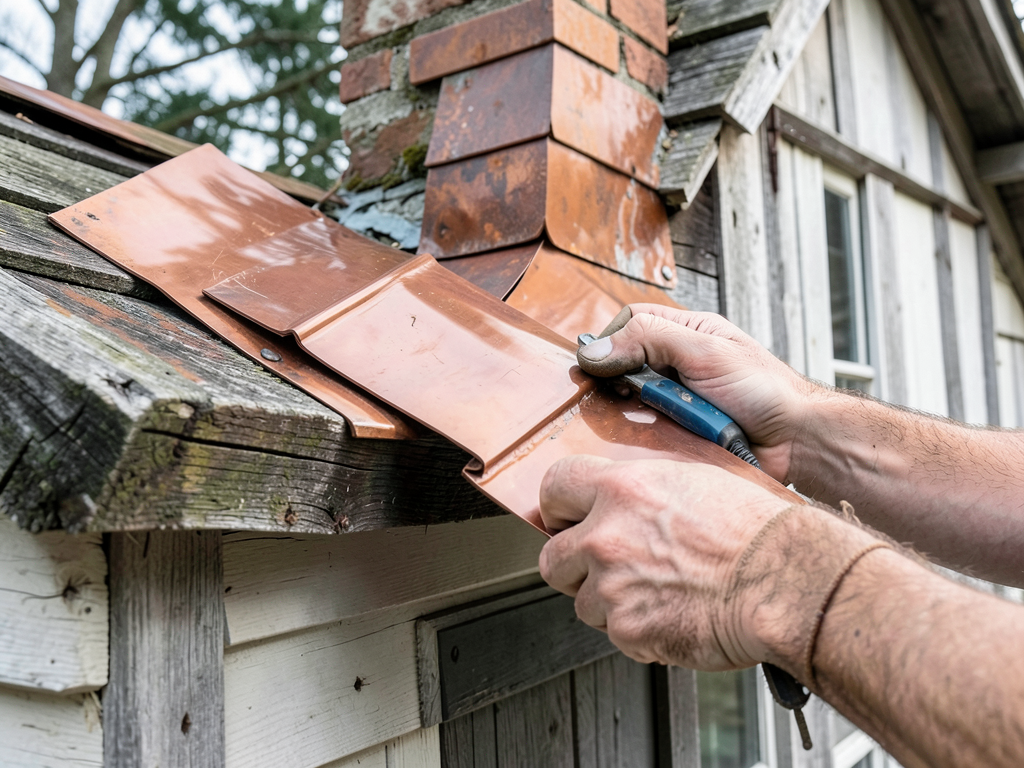
- Chimney Flashing
Old mortar joints crack, allowing water infiltration. Check for rusted flashing and deteriorated sealant.
- Ridge Caps
Wind-driven rain penetrates aging ridge caps. Look for missing or curled shingles along roof peaks.. Read more about What High Winds Actually Do to Your Shingles and How to Protect Your Home.
- Dormer Valleys
Complex roof intersections create leak-prone areas. Ensure proper flashing installation at all valleys.
Material Installation Best Practices
Proper installation makes the difference between a roof that lasts 15 years versus 50 years. Follow these guidelines:
- Remove all old roofing down to the deck
- Replace rotted decking with 5/8″ plywood
- Install ice and water shield in all valleys
- Use copper flashing for chimneys and walls
- Apply synthetic underlayment over entire deck
Chicago’s building code requires Class A fire-rated materials for all residential roofs. This protects against embers from nearby fires.
Cost Considerations for Historic Preservation
Restoring a worker cottage roof costs more than standard replacement. Expect to pay 20-40% above typical roofing prices. Roofing Berwyn.
Factors affecting your budget include:
- Permit fees ($200-500 for landmark districts)
- Specialized labor for historic details
- Premium materials that match original appearance
- Additional ventilation improvements
However, you may qualify for tax incentives. The Federal Historic Preservation Tax Credit offers 20% back on qualified rehabilitation expenses.
Local Case Studies in Pilsen
We’ve completed several worker cottage projects in Pilsen’s historic districts. Each presented unique challenges:
18th Street Corridor – This 1890 cottage needed complete roof replacement while preserving original brackets. We used architectural asphalt in historic red to match the neighborhood character.
Allport Avenue – A 1905 home with severe ice dam damage required enhanced ventilation. We installed continuous ridge vents and upgraded to Class 4 impact-resistant shingles.
Blue Island Avenue – This property sits in the Pilsen Historic District. We worked with the CCL to ensure our synthetic slate installation met all preservation guidelines.
Maintenance Tips for Your Restored Roof
Regular maintenance extends your roof’s life and protects your investment. Follow this seasonal checklist:
- Spring: Inspect for winter damage, clean gutters
- Summer: Check flashing, trim overhanging branches
- Fall: Remove leaves, check ventilation
- Winter: Monitor for ice dam formation
Schedule professional inspections every 2-3 years. Early detection prevents minor issues from becoming major repairs.. Read more about Why Synthetic Slate is Becoming the Go-To Choice for North Shore Homes in Wilmette.
Energy Efficiency Improvements
Your restored roof offers opportunities for energy savings. Consider these upgrades:
- Radiant barrier sheathing to reflect heat
- Additional attic insulation (R-38 minimum in Chicago)
- Solar-powered attic fans for ventilation
These improvements can reduce heating and cooling costs by 15-25% annually.
Insurance Considerations
Historic homes often qualify for specialized insurance coverage. Some companies offer:
- Agreed value policies that don’t depreciate
- Coverage for custom replacement materials
- Discounts for impact-resistant roofing
Document your restoration with photos and receipts. This proves the quality of work if you need to file a claim.
Finding the Right Contractor
Not all roofers understand historic preservation requirements. Look for contractors with:
- Experience with Chicago Landmark Commission projects
- Knowledge of historic building materials
- Proper insurance and licensing
- References from similar projects
Ask potential contractors about their experience with worker cottages specifically. This ensures they understand your home’s unique needs.
Timeline for Your Restoration Project
Historic roof restoration takes longer than standard replacement. Plan for:
- 2-4 weeks for permits and approvals
- 1-2 days for material delivery
- 3-5 days for actual installation
- 1 day for final inspection and cleanup
Weather can extend timelines. Always build in extra days for Chicago’s unpredictable conditions.
Environmental Impact Considerations
Modern roofing materials offer environmental benefits. Many contain recycled content and are fully recyclable at end of life. Roofing Forest Park.
Energy-efficient options reduce your carbon footprint. Cool roof coatings reflect sunlight, lowering urban heat island effects in Pilsen.
Common Mistakes to Avoid
Protect your investment by avoiding these errors:
- Installing materials without CCL approval
- Using incompatible flashing materials
- Neglecting proper ventilation requirements
- Choosing the cheapest bid over quality
Remember, your worker cottage is part of Chicago’s architectural heritage. The right approach preserves both your home and the neighborhood’s character.
Frequently Asked Questions
Do I need permits to replace my worker cottage roof in Pilsen?
Yes, you need both a standard building permit and potentially landmark district approval. The Chicago Department of Buildings requires permits for all roof replacements. If your home is in a designated historic district, you must also get approval from the Commission on Chicago Landmarks before starting work.
How long does a restored worker cottage roof last?
A properly restored roof using modern materials should last 25-50 years. Architectural asphalt shingles typically last 25-30 years, while premium options like synthetic slate or copper can exceed 50 years. Regular maintenance and proper ventilation significantly extend roof life.
Can I use traditional cedar shakes on my historic home?
Yes, cedar shakes are historically accurate and often approved by the CCL. However, they require more maintenance than modern alternatives. Consider pressure-treated cedar with fire-resistant coatings for better durability. Some homeowners choose synthetic cedar that looks authentic but resists rot and insects. Why More Naperville Homeowners are Switching to Metal Roofing This Year.
What’s the difference between ice and water shield and regular underlayment?
Ice and water shield is a rubberized asphalt membrane that seals around nails and provides superior waterproofing. Regular synthetic underlayment is water-resistant but not waterproof. Chicago code requires ice and water shield along eaves and in valleys where ice dams commonly form.
How do I know if my cottage is in a landmark district?
Check the City of Chicago’s online map of landmark districts or contact the Commission on Chicago Landmarks directly. You can also look for historic designation plaques on your home or ask neighbors about their experience with exterior modifications.
Will a new roof improve my home’s energy efficiency?
Yes, a new roof with proper ventilation and insulation can significantly improve energy efficiency. Modern materials reflect more heat in summer, while proper attic ventilation prevents ice dams in winter. Adding radiant barriers and upgrading insulation during the project provides additional savings.
How much does it cost to restore a worker cottage roof?
Restoration costs typically range from $15,000 to $30,000 depending on size, materials, and complexity. Historic preservation requirements add 20-40% to standard roofing costs. Premium materials like copper or synthetic slate increase the price further.
Can I install solar panels on my historic cottage?
Solar panels are possible but require careful planning to preserve historic character. The CCL evaluates solar installations case-by-case, considering visibility from public ways. Roof-mounted panels may need to be installed on rear-facing slopes or integrated with historic materials.
What happens if I don’t get proper permits?
Working without required permits can result in stop-work orders, fines up to $1,000 per day, and mandatory removal of non-compliant work. You may also face difficulties selling your home later, as unpermitted work must be disclosed to buyers.
How do I maintain my restored roof?
Clean gutters twice yearly, inspect flashing annually, and check for damaged shingles after severe storms. Remove debris that traps moisture and trim overhanging branches. Professional inspections every 2-3 years catch problems early. Proper maintenance can double your roof’s lifespan.

Ready to Preserve Your Historic Home?
Your Pilsen worker cottage deserves expert care that respects its history while providing modern protection. Our team understands Chicago’s unique building requirements and historic preservation standards.
Call (773) 599-7055 today to schedule your free inspection. We’ll assess your roof’s condition, discuss material options, and guide you through the permit process. Don’t wait until winter weather causes damage to your historic home.
Pick up the phone and call (773) 599-7055 before the next storm hits. Your worker cottage has stood for over a century. Let’s ensure it stands for another hundred years.
{
“@context”: “https://schema.org”,
“@type”: “BlogPosting”,
“headline”: “Preserving the Classic Look of Your Pilsen Worker Cottage with Modern Materials”,
“description”: “Keep your Pilsen worker cottage’s historic charm while upgrading to durable modern roofing. Learn about Chicago Landmark Commission rules, material options, and local case studies.”,
“wordCount”: 1732,
“datePublished”: “2026-03-09T15:59:00.000Z”,
“dateModified”: “2026-03-09T15:59:00.000Z”,
“inLanguage”: “en-US”,
“mainEntityOfPage”: {
“@type”: “WebPage”,
“@id”: “https://patriotroofingchicago.com”
},
“publisher”: {
“@type”: “LocalBusiness”,
“name”: “Patriot Roofing Chicago”,
“url”: “https://patriotroofingchicago.com”
},
“author”: {
“@type”: “Organization”,
“name”: “Patriot Roofing Chicago”,
“url”: “https://patriotroofingchicago.com”
},
“image”: {
“@type”: “ImageObject”,
“url”: “https://patriotroofingchicago.com/wp-content/uploads/2026/03/preserving-the-classic-look-of-your-pilsen-worker-1.png”
}
}
{
“@context”: “https://schema.org”,
“@type”: “RoofingContractor”,
“name”: “Patriot Roofing Chicago”,
“url”: “https://patriotroofingchicago.com”,
“address”: {
“@type”: “PostalAddress”,
“addressLocality”: “Chicago”
},
“areaServed”: {
“@type”: “City”,
“name”: “Chicago”
}
}
{
“@context”: “https://schema.org”,
“@type”: “FAQPage”,
“mainEntity”: [
{
“@type”: “Question”,
“name”: “Do I need permits to replace my worker cottage roof in Pilsen?”,
“acceptedAnswer”: {
“@type”: “Answer”,
“text”: “Yes, you need both a standard building permit and potentially landmark district approval. The Chicago Department of Buildings requires permits for all roof replacements. If your home is in a designated historic district, you must also get approval from the Commission on Chicago Landmarks before starting work.”
}
},
{
“@type”: “Question”,
“name”: “How long does a restored worker cottage roof last?”,
“acceptedAnswer”: {
“@type”: “Answer”,
“text”: “A properly restored roof using modern materials should last 25-50 years. Architectural asphalt shingles typically last 25-30 years, while premium options like synthetic slate or copper can exceed 50 years. Regular maintenance and proper ventilation significantly extend roof life.”
}
},
{
“@type”: “Question”,
“name”: “Can I use traditional cedar shakes on my historic home?”,
“acceptedAnswer”: {
“@type”: “Answer”,
“text”: “Yes, cedar shakes are historically accurate and often approved by the CCL. However, they require more maintenance than modern alternatives. Consider pressure-treated cedar with fire-resistant coatings for better durability. Some homeowners choose synthetic cedar that looks authentic but resists rot and insects. Why More Naperville Homeowners are Switching to Metal Roofing This Year.”
}
},
{
“@type”: “Question”,
“name”: “What’s the difference between ice and water shield and regular underlayment?”,
“acceptedAnswer”: {
“@type”: “Answer”,
“text”: “Ice and water shield is a rubberized asphalt membrane that seals around nails and provides superior waterproofing. Regular synthetic underlayment is water-resistant but not waterproof. Chicago code requires ice and water shield along eaves and in valleys where ice dams commonly form.”
}
},
{
“@type”: “Question”,
“name”: “How do I know if my cottage is in a landmark district?”,
“acceptedAnswer”: {
“@type”: “Answer”,
“text”: “Check the City of Chicago’s online map of landmark districts or contact the Commission on Chicago Landmarks directly. You can also look for historic designation plaques on your home or ask neighbors about their experience with exterior modifications.”
}
},
{
“@type”: “Question”,
“name”: “Will a new roof improve my home’s energy efficiency?”,
“acceptedAnswer”: {
“@type”: “Answer”,
“text”: “Yes, a new roof with proper ventilation and insulation can significantly improve energy efficiency. Modern materials reflect more heat in summer, while proper attic ventilation prevents ice dams in winter. Adding radiant barriers and upgrading insulation during the project provides additional savings.”
}
},
{
“@type”: “Question”,
“name”: “How much does it cost to restore a worker cottage roof?”,
“acceptedAnswer”: {
“@type”: “Answer”,
“text”: “Restoration costs typically range from $15,000 to $30,000 depending on size, materials, and complexity. Historic preservation requirements add 20-40% to standard roofing costs. Premium materials like copper or synthetic slate increase the price further.”
}
},
{
“@type”: “Question”,
“name”: “Can I install solar panels on my historic cottage?”,
“acceptedAnswer”: {
“@type”: “Answer”,
“text”: “Solar panels are possible but require careful planning to preserve historic character. The CCL evaluates solar installations case-by-case, considering visibility from public ways. Roof-mounted panels may need to be installed on rear-facing slopes or integrated with historic materials.”
}
},
{
“@type”: “Question”,
“name”: “What happens if I don’t get proper permits?”,
“acceptedAnswer”: {
“@type”: “Answer”,
“text”: “Working without required permits can result in stop-work orders, fines up to $1,000 per day, and mandatory removal of non-compliant work. You may also face difficulties selling your home later, as unpermitted work must be disclosed to buyers.”
}
},
{
“@type”: “Question”,
“name”: “How do I maintain my restored roof?”,
“acceptedAnswer”: {
“@type”: “Answer”,
“text”: “Clean gutters twice yearly, inspect flashing annually, and check for damaged shingles after severe storms. Remove debris that traps moisture and trim overhanging branches. Professional inspections every 2-3 years catch problems early. Proper maintenance can double your roof’s lifespan.”
}
},
{
“@type”: “Question”,
“name”: “Ready to Preserve Your Historic Home?”,
“acceptedAnswer”: {
“@type”: “Answer”,
“text”: “Your Pilsen worker cottage deserves expert care that respects its history while providing modern protection. Our team understands Chicago’s unique building requirements and historic preservation standards.”
}
}
]
}
{
“@context”: “https://schema.org”,
“@type”: “HowTo”,
“name”: “Diagnosing Worker Cottage Roof Issues”,
“step”: [
{
“@type”: “HowToStep”,
“position”: 1,
“name”: “Chimney Flashing”,
“text”: “Old mortar joints crack, allowing water infiltration. Check for rusted flashing and deteriorated sealant.”
},
{
“@type”: “HowToStep”,
“position”: 2,
“name”: “Ridge Caps”,
“text”: “Wind-driven rain penetrates aging ridge caps. Look for missing or curled shingles along roof peaks.”
},
{
“@type”: “HowToStep”,
“position”: 3,
“name”: “Dormer Valleys”,
“text”: “Complex roof intersections create leak-prone areas. Ensure proper flashing installation at all valleys.”
}
],
“image”: “https://patriotroofingchicago.com/wp-content/uploads/2026/03/preserving-the-classic-look-of-your-pilsen-worker-1.png”
}
{
“@context”: “https://schema.org”,
“@type”: “BreadcrumbList”,
“itemListElement”: [
{
“@type”: “ListItem”,
“position”: 1,
“name”: “Home”,
“item”: “https://patriotroofingchicago.com”
},
{
“@type”: “ListItem”,
“position”: 2,
“name”: “Blog”,
“item”: “https://patriotroofingchicago.com/blog”
},
{
“@type”: “ListItem”,
“position”: 3,
“name”: “Preserving the Classic Look of Your Pilsen Worker Cottage with Modern Materials”
}
]
}
{
“@context”: “https://schema.org”,
“@type”: “Service”,
“serviceType”: “Roofing”,
“provider”: {
“@type”: “LocalBusiness”,
“name”: “Patriot Roofing Chicago”,
“url”: “https://patriotroofingchicago.com”
},
“areaServed”: {
“@type”: “City”,
“name”: “Chicago”
},
“description”: “Keep your Pilsen worker cottage’s historic charm while upgrading to durable modern roofing. Learn about Chicago Landmark Commission rules, material options, and local case studies.”
}