
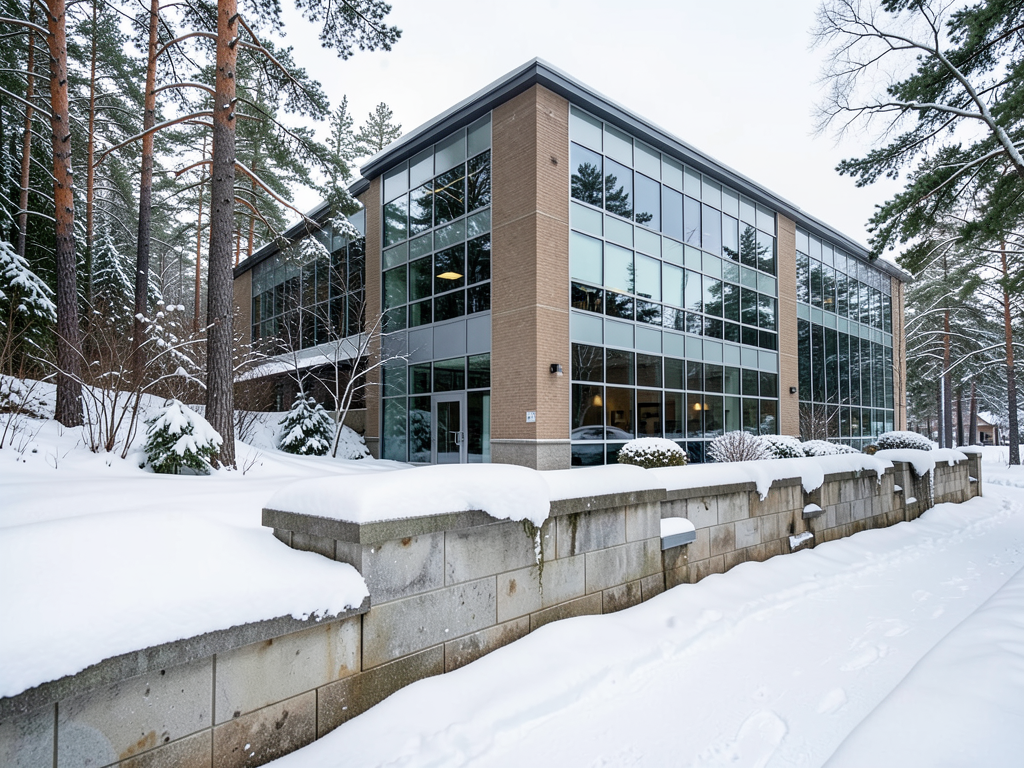
How to Prepare the Roof of Your Forest Park Business for Heavy Snow Loads Before Winter Hits
Heavy snow can add thousands of pounds to your commercial roof in a matter of hours. In Forest Park where Lake Effect snow bands often target the area the risk is even higher. A single cubic foot of packed snow can weigh 20 to 30 pounds. Multiply that by the size of your roof and you are looking at a serious structural load. This guide shows you how to assess your roof’s current condition identify warning signs of overload and take action before the first major storm.. Read more about Why You Might Need a Structural Engineer Before Upgrading Your Roof in Ukrainian Village.
Understanding Chicago Snow Load Requirements
Chicago building code requires commercial roofs to support a minimum 25 to 30 pounds per square foot live load depending on building use. That baseline assumes fresh powder snow. Wet heavy snow or ice can push loads beyond 40 psf. The City of Chicago Building Code Section 13-52-310 outlines these requirements and failure to meet them can lead to code violations and unsafe conditions.
In Forest Park the combination of older commercial buildings and frequent freeze-thaw cycles creates unique challenges. Many buildings near the Des Plaines River sit on clay-heavy soil that shifts slightly with moisture changes. That movement can stress roof framing over time. Before winter you need to know your roof’s true load capacity not just the code minimum.
The Physics of Snow Load Why Weight Matters More Than Depth
Snow is not uniform. Fresh powder might weigh six pounds per cubic foot. Packed wind-blown snow can weigh twenty pounds per cubic foot. Ice can weigh over fifty pounds per cubic foot. Depth alone does not tell you the danger.
| Snow Type | Weight per Cubic Foot | Typical Conditions |
|---|---|---|
| Fresh Powder | 6 – 8 lbs | Light fluffy snow |
| Wind-Packed Snow | 15 – 20 lbs | After drifting and settling |
| Wet Snow | 20 – 25 lbs | Near freezing temps |
| Ice / Slush | 50 – 60 lbs | Freeze-thaw cycles |
Live load is the temporary weight from snow and people. Dead load is the permanent weight of the roof structure itself. In Chicago’s climate both matter because thermal expansion and contraction can weaken connections over time. A roof that passed inspection in summer may not hold up under a wet March snowstorm.
Critical Warning Signs of Structural Roof Distress
Before snow falls inspect for these red flags. They indicate your roof may already be near its limit. Getting Your Flat Roof Ready for a Chicago Winter in Wicker Park.
- Interior door jams – If doors suddenly stick or will not close the frame may be shifting under roof stress.
- Bowing pipes or sprinkler lines – Metal lines that appear to sag suggest the deck below is deflecting.
- Popping or creaking sounds – These noises often mean wood joists are under extreme tension.
- Ceiling cracks – New cracks in drywall or plaster can signal movement in the roof structure.
If you see any of these signs stop using the building and call a structural engineer immediately. Do not wait for snow to make the problem worse.. Read more about Using Drones for Roof Inspections (And Why it Matters for Your Large Property in Libertyville).
Risk Areas Parapets HVAC Units and Snow Drifting
Snow does not always fall evenly. Wind creates drifts that can double or triple the load in certain spots. Parapet walls HVAC curbs and rooftop equipment all block wind and cause snow to pile up.
A drift against a ten-foot parapet can create a sixty psf load even if the rest of the roof averages twenty psf. That localized overload can punch through a roof deck before you ever see water inside. The ASCE 7 standard for Minimum Design Loads for Buildings requires engineers to account for drifting in their calculations. ASCE 7 Minimum Design Loads for Buildings.
Check these areas before winter:
- North and west facing parapet walls where wind-driven snow piles up
- HVAC curbs and elevator penthouses
- Low spots where drains may already be partially blocked
- Areas near roof access hatches where snow can drift against the curb
Professional Management vs DIY Removal
Removing snow from a commercial roof is dangerous. Falls from icy surfaces are a leading cause of workplace injuries. A single misstep can damage a membrane or flashing and void your warranty.
OSHA fall protection standards require guardrails or personal arrest systems for any work within six feet of an edge. Most businesses do not have that equipment on hand. Shoveling can also tear TPO EPDM or PVC membranes if the operator is not trained. OSHA Fall Protection Standards.
Professional snow removal crews use plastic shovels and low-pressure steam to clear snow without damaging roofing materials. They also know how to avoid creating ice dams by leaving a thin layer of snow for insulation. The cost of professional removal is far less than the cost of a roof replacement or a lawsuit from an injured worker. Extending the Life of Your Flat Roof in Hyde Park with Professional Coating.
Preventative Maintenance Checklist for Chicago Winters
Fall is the time to prepare. Use this checklist before the first snowfall.
- Inspect all roof drains and scuppers
Remove leaves twigs and debris. Pour water to confirm flow. Blocked drains cause ponding which adds weight and accelerates membrane wear.
- Check for loose flashing or curb caps
Wind can lift metal flashing creating entry points for water. Secure any loose pieces with compatible sealant.
- Examine rooftop equipment mounts
Confirm all bolts and clamps are tight. Loose equipment can shift under snow load and damage the roof.
- Test emergency overflow drains
Pour water into the primary drain and confirm the overflow activates. This prevents catastrophic ponding if the main drain clogs.
- Schedule a structural review if your building is over twenty years old
A quick inspection by a licensed engineer can identify hidden weaknesses before snow arrives.
Keep a snow load monitoring plan. If snow depth exceeds two feet or if temperatures stay below freezing for more than seventy-two hours call your roofing contractor to assess whether removal is needed. Is Solar Roofing Worth the Investment for Homes in Evanston?.
Local Considerations for Forest Park Businesses
Forest Park sits just west of Chicago with a slightly higher average snowfall than the city itself. The area sees frequent Lake Effect bands that can drop six inches in a few hours. Many commercial buildings along Roosevelt Road and Madison Street were built before modern snow load codes and may need reinforcement.
The Village of Forest Park requires permits for any structural modification including roof reinforcement. If your building is in the Harlem Avenue corridor check with the building department before adding support beams or altering drainage.. Read more about Why Roof Scuppers Fail and How to Fix the Drainage on Your Chinatown Flat Roof.
Local architecture also plays a role. Flat or low-slope roofs are common in the area because they maximize leasable space. Those same roofs are more vulnerable to ponding and drifting. A five-degree slope might seem minor but it can be the difference between snow sliding off and snow accumulating to dangerous depths.
Emergency Response Planning
Even with preparation emergencies happen. Create a simple plan now so you are not scrambling in a storm.
- Identify your snow removal contractor – Have their number saved and confirm they can mobilize within four hours.
- Mark safe access points – Use traffic cones or flags to show where crews can safely walk without stepping on skylights or weak spots.
- Know your building’s electrical shutoff – If a roof leak reaches electrical panels you may need to cut power fast.
- Document roof condition – Take photos of the roof before winter. If damage occurs later you will have proof of pre-existing conditions.
Post the plan in your maintenance office and share it with your property manager. In a crisis clear roles save time and money.
Cost Considerations
Preventative maintenance costs a few hundred dollars. Emergency snow removal can cost thousands. Structural repairs after a collapse can run into the tens of thousands. Insurance may cover collapse damage but it rarely covers preventive removal unless you can prove imminent danger. What to Do When You Have a Roof Leak Emergency in Logan Square.
Consider the downtime cost too. A retail store closed for a week due to roof damage can lose more than the repair itself. For restaurants and medical offices the liability risk is even higher. A falling ice chunk from a parapet can injure a customer or patient.
Weighing these numbers makes the choice clear. A small investment in inspection and maintenance pays for itself the first time it prevents a crisis.
Frequently Asked Questions
How much snow is too much for my commercial roof?
If snow depth exceeds two feet or if you notice interior doors sticking call a professional to assess load. Wet snow at twenty-four inches can exceed design limits on older buildings.
Can I use rock salt to melt snow on my roof?
Rock salt is corrosive to metal flashing and can damage roofing membranes. It also creates runoff that can harm landscaping. Use calcium chloride pellets designed for roofs if melting is necessary. Roofing Berwyn.
How often should I inspect my roof in winter?
Inspect after every major snowfall over six inches. Also check after any rapid temperature swing that could cause ice dam formation. Early detection prevents costly repairs.
Take Action Before the Snow Falls
Heavy snow is not a question of if but when. In Forest Park the combination of Lake Effect snow and older commercial buildings makes preparation essential. A quick fall inspection can reveal weaknesses before they become emergencies.
Call (773) 599-7055 today to schedule your commercial roof inspection. Our team knows the local codes the soil conditions and the weather patterns that affect your building. Do not wait until the first storm hits. Pick up the phone and call (773) 599-7055 before winter arrives.
Protect your investment protect your tenants and keep your business open all season long.
You may also find this helpful. Comparing Modified Bitumen and TPO for Industrial Buildings in McKinley Park.
You may also find this helpful. Why Cold-Applied Roofing is a Smarter Choice for Small Shops in Brighton Park.
You may also find this helpful. Managing the Complexities of Roofing Around Heavy HVAC Units in Fulton Market.
You may also find this helpful. How the Proximity to Lake Michigan Affects the Life of Your South Shore Roof.
{
“@context”: “https://schema.org”,
“@type”: “BlogPosting”,
“headline”: “How to Prepare the Roof of Your Forest Park Business for Heavy Snow Loads Before Winter Hits”,
“description”: “Protect your Forest Park commercial roof from heavy snow loads this winter. Learn critical inspection steps, load calculations, and when to call for professional snow removal.”,
“wordCount”: 1633,
“datePublished”: “2026-05-09T08:24:00.000Z”,
“dateModified”: “2026-05-09T08:24:00.000Z”,
“inLanguage”: “en-US”,
“mainEntityOfPage”: {
“@type”: “WebPage”,
“@id”: “https://patriotroofingchicago.com”
},
“publisher”: {
“@type”: “LocalBusiness”,
“name”: “Patriot Roofing Chicago”,
“url”: “https://patriotroofingchicago.com”
},
“author”: {
“@type”: “Organization”,
“name”: “Patriot Roofing Chicago”,
“url”: “https://patriotroofingchicago.com”
},
“image”: {
“@type”: “ImageObject”,
“url”: “https://patriotroofingchicago.com/wp-content/uploads/2026/03/how-to-prepare-the-roof-of-your-forest-park-busine-1.png”
}
}
{
“@context”: “https://schema.org”,
“@type”: “RoofingContractor”,
“name”: “Patriot Roofing Chicago”,
“url”: “https://patriotroofingchicago.com”,
“address”: {
“@type”: “PostalAddress”,
“addressLocality”: “Chicago”
},
“areaServed”: {
“@type”: “City”,
“name”: “Chicago”
}
}
{
“@context”: “https://schema.org”,
“@type”: “FAQPage”,
“mainEntity”: [
{
“@type”: “Question”,
“name”: “How much snow is too much for my commercial roof?”,
“acceptedAnswer”: {
“@type”: “Answer”,
“text”: “If snow depth exceeds two feet or if you notice interior doors sticking call a professional to assess load. Wet snow at twenty-four inches can exceed design limits on older buildings.”
}
},
{
“@type”: “Question”,
“name”: “Can I use rock salt to melt snow on my roof?”,
“acceptedAnswer”: {
“@type”: “Answer”,
“text”: “Rock salt is corrosive to metal flashing and can damage roofing membranes. It also creates runoff that can harm landscaping. Use calcium chloride pellets designed for roofs if melting is necessary. Roofing Berwyn.”
}
},
{
“@type”: “Question”,
“name”: “How often should I inspect my roof in winter?”,
“acceptedAnswer”: {
“@type”: “Answer”,
“text”: “Inspect after every major snowfall over six inches. Also check after any rapid temperature swing that could cause ice dam formation. Early detection prevents costly repairs.”
}
}
]
}
{
“@context”: “https://schema.org”,
“@type”: “HowTo”,
“name”: “How to Prepare Your Roof”,
“step”: [
{
“@type”: “HowToStep”,
“position”: 1,
“name”: “Inspect all roof drains and scuppers”,
“text”: “Remove leaves twigs and debris. Pour water to confirm flow. Blocked drains cause ponding which adds weight and accelerates membrane wear.”
},
{
“@type”: “HowToStep”,
“position”: 2,
“name”: “Check for loose flashing or curb caps”,
“text”: “Wind can lift metal flashing creating entry points for water. Secure any loose pieces with compatible sealant.”
},
{
“@type”: “HowToStep”,
“position”: 3,
“name”: “Examine rooftop equipment mounts”,
“text”: “Confirm all bolts and clamps are tight. Loose equipment can shift under snow load and damage the roof.”
},
{
“@type”: “HowToStep”,
“position”: 4,
“name”: “Test emergency overflow drains”,
“text”: “Pour water into the primary drain and confirm the overflow activates. This prevents catastrophic ponding if the main drain clogs.”
},
{
“@type”: “HowToStep”,
“position”: 5,
“name”: “Schedule a structural review if your building is over twenty years old”,
“text”: “A quick inspection by a licensed engineer can identify hidden weaknesses before snow arrives.”
}
],
“image”: “https://patriotroofingchicago.com/wp-content/uploads/2026/03/how-to-prepare-the-roof-of-your-forest-park-busine-1.png”
}
{
“@context”: “https://schema.org”,
“@type”: “BreadcrumbList”,
“itemListElement”: [
{
“@type”: “ListItem”,
“position”: 1,
“name”: “Home”,
“item”: “https://patriotroofingchicago.com”
},
{
“@type”: “ListItem”,
“position”: 2,
“name”: “Blog”,
“item”: “https://patriotroofingchicago.com/blog”
},
{
“@type”: “ListItem”,
“position”: 3,
“name”: “How to Prepare the Roof of Your Forest Park Business for Heavy Snow Loads Before Winter Hits”
}
]
}
{
“@context”: “https://schema.org”,
“@type”: “Service”,
“serviceType”: “Roofing”,
“provider”: {
“@type”: “LocalBusiness”,
“name”: “Patriot Roofing Chicago”,
“url”: “https://patriotroofingchicago.com”
},
“areaServed”: {
“@type”: “City”,
“name”: “Chicago”
},
“description”: “Protect your Forest Park commercial roof from heavy snow loads this winter. Learn critical inspection steps, load calculations, and when to call for professional snow removal.”
}