
Why You Might Need a Structural Engineer Before Upgrading Your Roof in Ukrainian Village
When you’re planning to upgrade your roof in Ukrainian Village, especially if you’re switching to heavier materials like slate or tile, the first question you need to answer isn’t about shingles or underlayment. It’s about whether your home’s structure can handle the weight. Many of the historic two-flats and frame houses in this neighborhood were built nearly a century ago, and their roof framing systems weren’t designed for modern, heavier materials.. Read more about How to Match Your New Roof to the Historic Aesthetic of Your Pullman District Home.
The weight difference between asphalt shingles and slate can be dramatic. Standard asphalt weighs about 250-400 pounds per square, while slate can weigh 800-1,500 pounds per square. That’s potentially three times the load on your roof trusses and walls. In Ukrainian Village, where many homes have original wood framing and shared party walls, this extra weight can create serious structural concerns that go beyond simple roofing work. Structural Engineers Association of Illinois.
Chicago’s Building Code Section 13-56-300 requires that any structural modification, including changing roofing materials that increase dead load, must be approved by a licensed structural engineer. This isn’t just a formality. Engineers will assess your existing framing, calculate load capacities, and determine if reinforcement is needed before you install new roofing. Skipping this step could lead to sagging rafters, cracked walls, or even partial roof collapse under snow loads. Chicago Building Permits.
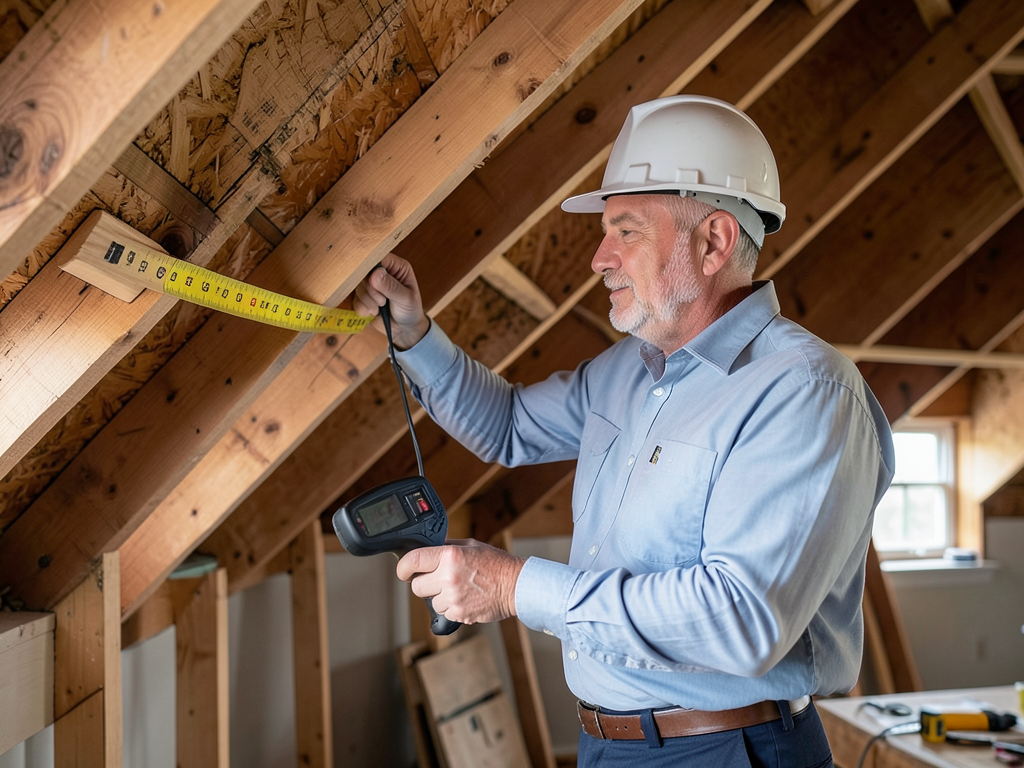
The inspection process typically starts with measuring your existing roof deck thickness, checking rafter spacing and dimensions, and examining connection points where rafters meet exterior walls. Engineers use these measurements to calculate whether your current system can support the new material’s weight plus Chicago’s snow load requirements of 25 pounds per square foot. In Ukrainian Village’s older housing stock, many homes have 2×6 rafters spaced 24 inches apart – barely adequate for standard shingles and definitely insufficient for heavy slate.. Read more about What Happens to Your Roof After a Small Attic Fire in a Morton Grove Home.
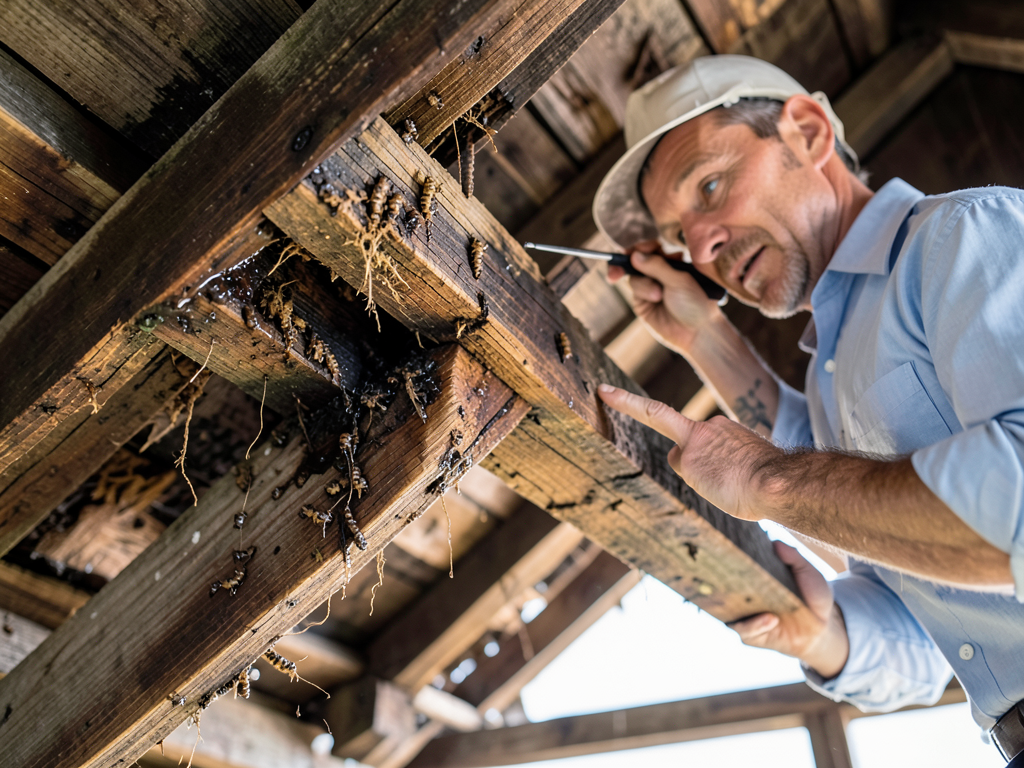
Beyond the structural calculations, engineers also look for signs of existing damage that could be aggravated by additional weight. Water damage, termite damage, or previous modifications that weakened the framing all factor into the assessment. They’ll also check your attic ventilation, because poor airflow can cause moisture buildup that weakens wood over time, making it even less capable of supporting heavy loads.
The cost of a structural engineering inspection typically ranges from $500 to $1,500 depending on your home’s size and complexity. While this adds to your project budget, it’s far less expensive than dealing with structural failure after installation. Plus, having an engineer’s stamp on your plans is often required by your roofing contractor’s insurance and by the city for permit approval. Is Solar Roofing Worth the Investment for Homes in Evanston?.
If the engineer determines your framing needs reinforcement, options include adding support beams in the attic, sistering new lumber to existing rafters, or installing metal brackets at critical connection points. These modifications can add $2,000 to $8,000 to your project, but they ensure your home can safely support the new roof for decades to come.
Ukrainian Village’s specific characteristics make engineering assessments even more critical. The neighborhood’s historic district designation means any visible modifications must meet strict preservation guidelines. An engineer who understands these requirements can help you find solutions that provide necessary structural support while maintaining your home’s historic character. They’ll also be familiar with the area’s specific challenges, like the freeze-thaw cycles that can cause expansion and contraction in older wood framing.
Working with a structural engineer also protects you from future liability. If you sell your home and the new owner discovers structural issues related to your roof upgrade, you could be held responsible. Having proper engineering documentation shows due diligence and protects your investment. It’s also essential for insurance purposes – many policies won’t cover damage from overloaded structures, and an engineer’s approval provides proof that your installation was done correctly.
The timing of the engineering assessment matters too. Schedule it before you finalize your material selection or sign any contracts. Once you know your structural limitations, you can choose materials that work with your home’s capabilities or budget for necessary reinforcements. This prevents the costly mistake of ordering expensive slate only to discover your framing can’t support it.
Local building officials in Chicago’s Department of Buildings are particularly strict about structural modifications in historic districts like Ukrainian Village. They’ve seen too many cases where homeowners installed heavy materials without proper assessment, leading to emergency repairs and code violations. Having an engineer’s report ready when you apply for permits can streamline the approval process and prevent delays. Getting Your Flat Roof Ready for a Chicago Winter in Wicker Park.
Ukrainian Village homeowners should also consider the long-term implications of their material choices. While heavy slate might seem like a premium upgrade, if your structure requires extensive reinforcement, the total cost could exceed that of a high-quality asphalt system with proper engineering. Sometimes the smartest upgrade is choosing materials that work with your existing structure while still providing durability and aesthetic appeal. Why More Naperville Homeowners are Switching to Metal Roofing This Year.
Don’t let the engineering requirement intimidate you. Think of it as an investment in your home’s safety and longevity. A qualified structural engineer will provide clear recommendations and help you understand exactly what’s needed for your specific situation. They’ll also coordinate with your roofing contractor to ensure all work meets code requirements and preserves your home’s structural integrity.. Read more about Choosing the Right Roofing Material for Your Modern ADU in West Town.
Before you commit to any roofing upgrade in Ukrainian Village, schedule a structural assessment with a licensed engineer familiar with Chicago’s building codes and historic districts. This single step can prevent thousands in unexpected repairs and ensure your new roof performs exactly as intended for years to come.. Read more about Managing the Complexities of Roofing Around Heavy HVAC Units in Fulton Market.
Understanding Load Calculations for Historic Chicago Homes
Load calculations for historic Chicago homes involve more than simple weight comparisons. Engineers must account for multiple factors that affect structural capacity, including the age of the wood, previous modifications, and the specific construction techniques used when your home was built. In Ukrainian Village, many homes used balloon framing, where studs run continuously from foundation to roof, creating different load distribution patterns than modern platform framing.
The calculation process starts with determining your existing dead load – the weight of your current roof assembly including decking, underlayment, and existing shingles. Then engineers add the proposed new material’s weight, snow load requirements for Chicago’s climate, and a safety factor of at least 1.5 times the total expected load. This safety margin is crucial because it accounts for unexpected stresses like high winds or the weight of workers during installation.
Engineers also examine your home’s foundation and basement walls, because structural issues often start there. Settlement or shifting in older foundations can cause uneven loading on roof framing, making some areas more vulnerable to failure under additional weight. They’ll check for diagonal cracks in foundation walls, uneven floors, or doors that stick – all signs that your home may have existing structural movement that could be aggravated by a heavier roof.
The inspection includes measuring moisture content in your existing wood framing. Wet or damp wood loses significant strength compared to dry lumber. In Chicago’s climate, where attics can experience high humidity in summer and condensation in winter, moisture levels often exceed safe limits for structural applications. Engineers use moisture meters to check framing at multiple points, especially near roof penetrations where leaks commonly occur.
Connection details matter enormously in these assessments. Where rafters meet exterior walls, the type of connection – whether it’s a simple bird’s mouth cut, metal brackets, or engineered connectors – determines how loads transfer to the building’s structure. Many older homes in Ukrainian Village have connections that would fail modern code requirements, but engineers can recommend reinforcement methods that preserve the original appearance while meeting current standards.
The engineer’s report will include specific recommendations if reinforcement is needed. These might range from adding collar ties in the attic to installing new load-bearing walls or beams. Each recommendation comes with a cost estimate and explanation of how it addresses the specific structural concerns identified during the inspection. This detailed information helps you make informed decisions about your roofing project.
Time is another critical factor in these calculations. Engineers must consider how long your new roof will be in place – potentially 50 years or more. This long-term perspective means they design for not just current conditions but also future deterioration of materials and potential changes in building use. A roof that’s adequate today might become problematic as wood ages and loses strength over decades.
Local soil conditions in Ukrainian Village also factor into structural assessments. The area’s clay soil can cause foundation movement that affects the entire structure. Engineers familiar with the neighborhood understand these soil characteristics and how they impact roof framing performance. They’ll look for signs of differential settlement that could create uneven loading on your roof system.
Finally, engineers consider the impact of your roof upgrade on adjacent properties. In closely spaced historic districts, your home’s structural modifications can affect shared walls and property lines. The engineer will ensure your planned changes won’t create issues for neighbors, which is particularly important in Ukrainian Village’s dense urban fabric where homes often share common walls.
Common Structural Issues Found in Ukrainian Village Homes
During structural assessments in Ukrainian Village, engineers frequently discover specific issues that are common to the neighborhood’s housing stock. One of the most prevalent problems is undersized rafters – many original 2×4 or 2×6 rafters simply can’t support the weight of modern roofing materials plus Chicago’s snow loads. These undersized members often show signs of long-term deflection, where they’ve slowly bent under their existing loads.
Water damage is another major concern. Historic homes often have had multiple roof leaks over the decades, and water infiltration weakens wood fibers, reducing their load-bearing capacity by up to 50%. Engineers use moisture meters and visual inspection to identify areas where rot or deterioration has compromised structural integrity. They’ll also look for previous repair attempts that might have used improper materials or techniques.
Many Ukrainian Village homes have had attic conversions or modifications over the years that weren’t properly engineered. Added knee walls, storage floors, or HVAC equipment can create point loads that stress the roof framing in ways the original design didn’t anticipate. Engineers must identify these modifications and assess how they impact the overall structural system.
Pest damage is surprisingly common in older wood structures. Termites, carpenter ants, and powderpost beetles can cause extensive damage that’s invisible from the exterior. Engineers look for frass (insect droppings), exit holes, and galleries in the wood. They may recommend pest inspections in conjunction with structural assessments, especially if they find signs of active infestation.
Connection failures are a critical safety concern. Over time, nails can pull out, metal connectors can rust, and wood can split around fasteners. Engineers pay special attention to rafter-to-wall connections, as failures here can lead to catastrophic roof collapse. They’ll check for proper fastening, adequate nail penetration, and signs of movement or separation at these critical joints.
Previous DIY modifications are another red flag. Homeowners often add skylights, solar panels, or other penetrations without understanding the structural implications. Engineers must identify these unauthorized changes and assess whether they’ve compromised the roof’s integrity. Sometimes the simplest solution is removing problematic modifications rather than trying to reinforce around them.
Age-related deterioration affects all building materials, but wood is particularly vulnerable. Engineers look for checks (splits along the grain), warping, and general degradation that reduces strength. They’ll also check for proper grading of lumber – older homes might contain lower-grade wood that wouldn’t meet current building standards, even if it appears structurally sound at first glance.
Ventilation issues compound many structural problems. Poor attic ventilation leads to moisture buildup, which accelerates wood deterioration and can cause ice dam formation that adds unexpected loads to roof edges. Engineers assess your current ventilation and may recommend improvements as part of the structural upgrade plan, since proper airflow is essential for long-term roof performance.
The cumulative effect of these issues means that even homes that appear structurally sound may have significant hidden problems. That’s why professional engineering assessment is so valuable – it uncovers issues that homeowners and even experienced contractors might miss, preventing costly failures after your new roof is installed. Extending the Life of Your Flat Roof in Hyde Park with Professional Coating.
Cost Comparison: Engineering Assessment vs. Emergency Repairs
| Service Component | Engineering Assessment | Emergency Structural Repairs |
|---|---|---|
| Initial Inspection Cost | $500 – $1,500 | $2,000 – $5,000 (after failure) |
| Time to Complete | 1-2 weeks | Emergency response, often 24-48 hours |
| Permit Requirements | Pre-approved with engineer’s stamp | Emergency permits, often with fines |
| Property Damage Risk | Minimal (preventive) | High (water damage, collapse) |
| Insurance Coverage | Often covered as maintenance | May be denied if overload caused |
| Project Timeline Impact | Minor delay, proper planning | Major delays, emergency scheduling |
| Total Project Cost | Budgeted upfront | 2-3x original budget |
Steps to Take Before Your Roof Upgrade
- Document Existing Conditions
Take photos of your attic, roof structure, and any visible damage. Note the location of any previous repairs, modifications, or problem areas. This documentation helps the engineer understand your home’s history and current condition.
- Gather Building Records
Find original building permits, previous inspection reports, or renovation documentation. These records can reveal important information about your home’s construction and any past structural modifications that might affect the current assessment.
- Schedule Professional Assessment
Contact a licensed structural engineer with experience in historic Chicago homes. Provide them with your documentation and material preferences so they can prepare for the specific requirements of your project.
- Review Engineer’s Report
Carefully examine the engineer’s findings, recommendations, and cost estimates for any needed reinforcements. Ask questions about anything you don’t understand – this is your opportunity to make informed decisions.
- Plan for Contingencies
Budget an additional 15-20% beyond the engineer’s estimated costs for unexpected discoveries during construction. Older homes often reveal hidden issues once work begins, and having a contingency fund prevents project delays.
Material Options That Work With Existing Structures
If your structural assessment reveals that your framing can’t support heavy materials, you still have excellent roofing options that provide durability and aesthetic appeal without requiring extensive reinforcement. Modern architectural asphalt shingles can mimic the appearance of slate or tile while weighing significantly less – typically 250-400 pounds per square compared to 800-1,500 pounds for real slate.
Composite roofing materials offer another lightweight alternative that can replicate the look of natural materials. These engineered products use recycled materials and advanced manufacturing to create shingles that are both durable and much lighter than their natural counterparts. Many composite options come with 50-year warranties and can withstand Chicago’s extreme weather conditions.
For homeowners who are set on the appearance of heavy materials, there are synthetic slate and tile options that provide the aesthetic without the structural burden. These products use advanced polymers and manufacturing techniques to create realistic textures and colors while maintaining weights similar to standard asphalt shingles. They’re also more resistant to impact damage and require less maintenance than natural materials.
Metal roofing systems present another excellent option for historic homes. Standing seam metal roofs are lightweight, extremely durable, and can be installed over existing roofing in some cases, reducing tear-off costs. They’re also excellent for energy efficiency, reflecting heat in summer and providing good insulation in winter – a significant advantage in Chicago’s climate.
The key is working with your engineer and roofing contractor to find materials that meet your aesthetic goals while respecting your home’s structural limitations. Sometimes the best solution is a high-quality asphalt system with proper underlayment and ventilation, rather than forcing heavy materials onto a structure that can’t safely support them.
Consider also the long-term maintenance implications of your material choice. Heavier materials often require more frequent inspections and maintenance to ensure the supporting structure remains sound. Lighter alternatives might offer better long-term value when you factor in reduced structural concerns and easier maintenance access.
Your engineer can provide specific weight recommendations based on your home’s calculated load capacity. They’ll help you understand the trade-offs between different materials and structural requirements, ensuring you make a choice that’s both beautiful and safe for your specific situation.
Finding the Right Professionals for Your Project
Choosing qualified professionals is crucial for a successful roof upgrade in a historic district. Start with finding a structural engineer who has specific experience with Chicago’s building codes and historic preservation requirements. Look for engineers who are members of the Structural Engineers Association of Illinois and have worked on similar projects in Ukrainian Village or other historic Chicago neighborhoods.
Your roofing contractor should have extensive experience with historic home renovations and knowledge of local building requirements. They should be familiar with working in dense urban areas, handling material deliveries in neighborhoods with limited parking, and coordinating with engineers and building inspectors. Ask for examples of similar projects they’ve completed in historic districts.
Check references carefully, specifically asking about projects involving structural modifications or material upgrades. Contact previous clients and ask about their experience with the engineer’s assessment accuracy, the contractor’s ability to work within structural limitations, and how well the final result met their expectations for both function and appearance.
Verify all licenses and insurance before signing any contracts. In Chicago, roofing contractors must have a city license, and structural engineers must be licensed in Illinois. Ask to see current certificates of insurance and verify that coverage includes both general liability and workers’ compensation. This protects you from liability if injuries occur during the project.
Communication is essential when working with multiple professionals. Your engineer, contractor, and any other specialists should be willing to communicate directly with each other and with you. Regular progress meetings help ensure everyone stays aligned on project goals, timelines, and any issues that arise during construction.
Be wary of professionals who promise results that seem too good to be true. If an engineer says your 100-year-old framing can easily support heavy slate without any reinforcement, or if a contractor claims they can bypass permit requirements in a historic district, these are red flags. Qualified professionals will be honest about limitations and requirements.
Consider working with a design-build firm that offers both engineering and roofing services. This approach can streamline communication and ensure all aspects of your project are coordinated from the start. However, still verify that separate licensed professionals handle the engineering and construction work, as required by Illinois law.
Finally, trust your instincts. You’ll be working closely with these professionals throughout your project, so choose people you feel comfortable communicating with and who demonstrate genuine concern for your home’s long-term wellbeing rather than just completing the job quickly.
Frequently Asked Questions
How do I know if my Ukrainian Village home needs a structural engineer before a roof upgrade?
If you’re planning to install heavier roofing materials than your current roof, or if your home is over 50 years old with original framing, you should have a structural engineer assess your roof’s capacity. Signs like sagging rafters, cracked plaster, or doors that stick may indicate existing structural issues that need evaluation before any upgrades.
What does a structural engineer look for during a roof assessment?
Engineers examine your roof framing’s size and spacing, check connection details where rafters meet walls, measure moisture content in wood members, look for signs of damage or deterioration, and calculate whether your existing structure can support the proposed new materials plus required safety factors. They also check for any previous modifications that might affect structural integrity.
How much does a structural engineering assessment cost in Chicago?
Structural engineering assessments for residential roofing projects typically cost between $500 and $1,500 in Chicago, depending on your home’s size and complexity. This investment is minimal compared to the potential cost of structural failure or the expense of emergency repairs if your roof can’t support the new materials. What to Do When You Have a Roof Leak Emergency in Logan Square.
Can I skip the engineering assessment if I’m just replacing with similar materials?
If you’re replacing your roof with materials of similar weight and your existing roof is in good condition, you might not need a full structural assessment. However, if your home is older or you have any concerns about structural integrity, it’s wise to have an engineer evaluate the framing before proceeding with any roof replacement.
How long does a structural assessment take and when should I schedule it?
A typical structural assessment takes 2-4 hours for the on-site inspection, with the written report following within a week. Schedule the assessment before finalizing your material selection or signing contracts with roofing contractors, so you can make informed decisions about materials and budget for any necessary reinforcements.
Upgrading your roof in Ukrainian Village is an excellent investment in your home’s value and protection, but it requires careful planning when it comes to structural considerations. The historic character and dense urban setting of this neighborhood make professional engineering assessment not just a good idea, but often a requirement for ensuring your project’s success.
Don’t let concerns about structural requirements delay your roofing project. The right engineering assessment will give you confidence that your new roof will perform beautifully for decades to come. Whether you need to reinforce your existing structure or can proceed with your preferred materials, having this information upfront prevents costly surprises and ensures your home remains safe and sound.
Ready to move forward with your roof upgrade? Call (773) 599-7055 today to schedule your structural assessment. Our team understands the unique requirements of historic Chicago homes and can help you navigate the engineering process smoothly. Don’t wait until problems arise – get the professional assessment you need now to protect your investment for years to come.
[IMAGE_PLACEHOVER_1]
{
“@context”: “https://schema.org”,
“@type”: “BlogPosting”,
“headline”: “Why You Might Need a Structural Engineer Before Upgrading Your Roof in Ukrainian Village”,
“description”: “Heavy roofing upgrades in Ukrainian Village historic homes may require structural engineering. Learn when you need an engineer, what the inspection covers, and how to protect your investment.”,
“wordCount”: 3616,
“datePublished”: “2026-05-10T09:36:00.000Z”,
“dateModified”: “2026-05-10T09:36:00.000Z”,
“inLanguage”: “en-US”,
“mainEntityOfPage”: {
“@type”: “WebPage”,
“@id”: “https://patriotroofingchicago.com”
},
“publisher”: {
“@type”: “LocalBusiness”,
“name”: “Patriot Roofing Chicago”,
“url”: “https://patriotroofingchicago.com”
},
“author”: {
“@type”: “Organization”,
“name”: “Patriot Roofing Chicago”,
“url”: “https://patriotroofingchicago.com”
},
“image”: {
“@type”: “ImageObject”,
“url”: “https://patriotroofingchicago.com/wp-content/uploads/2026/03/why-you-might-need-a-structural-engineer-before-up-1.png”
}
}
{
“@context”: “https://schema.org”,
“@type”: “RoofingContractor”,
“name”: “Patriot Roofing Chicago”,
“url”: “https://patriotroofingchicago.com”,
“address”: {
“@type”: “PostalAddress”,
“addressLocality”: “Chicago”
},
“areaServed”: {
“@type”: “City”,
“name”: “Chicago”
}
}
{
“@context”: “https://schema.org”,
“@type”: “FAQPage”,
“mainEntity”: [
{
“@type”: “Question”,
“name”: “How do I know if my Ukrainian Village home needs a structural engineer before a roof upgrade?”,
“acceptedAnswer”: {
“@type”: “Answer”,
“text”: “If you’re planning to install heavier roofing materials than your current roof, or if your home is over 50 years old with original framing, you should have a structural engineer assess your roof’s capacity. Signs like sagging rafters, cracked plaster, or doors that stick may indicate existing structural issues that need evaluation before any upgrades.”
}
},
{
“@type”: “Question”,
“name”: “What does a structural engineer look for during a roof assessment?”,
“acceptedAnswer”: {
“@type”: “Answer”,
“text”: “Engineers examine your roof framing’s size and spacing, check connection details where rafters meet walls, measure moisture content in wood members, look for signs of damage or deterioration, and calculate whether your existing structure can support the proposed new materials plus required safety factors. They also check for any previous modifications that might affect structural integrity.”
}
},
{
“@type”: “Question”,
“name”: “How much does a structural engineering assessment cost in Chicago?”,
“acceptedAnswer”: {
“@type”: “Answer”,
“text”: “Structural engineering assessments for residential roofing projects typically cost between $500 and $1,500 in Chicago, depending on your home’s size and complexity. This investment is minimal compared to the potential cost of structural failure or the expense of emergency repairs if your roof can’t support the new materials. What to Do When You Have a Roof Leak Emergency in Logan Square.”
}
},
{
“@type”: “Question”,
“name”: “Can I skip the engineering assessment if I’m just replacing with similar materials?”,
“acceptedAnswer”: {
“@type”: “Answer”,
“text”: “If you’re replacing your roof with materials of similar weight and your existing roof is in good condition, you might not need a full structural assessment. However, if your home is older or you have any concerns about structural integrity, it’s wise to have an engineer evaluate the framing before proceeding with any roof replacement.”
}
},
{
“@type”: “Question”,
“name”: “How long does a structural assessment take and when should I schedule it?”,
“acceptedAnswer”: {
“@type”: “Answer”,
“text”: “A typical structural assessment takes 2-4 hours for the on-site inspection, with the written report following within a week. Schedule the assessment before finalizing your material selection or signing contracts with roofing contractors, so you can make informed decisions about materials and budget for any necessary reinforcements.”
}
}
]
}
{
“@context”: “https://schema.org”,
“@type”: “HowTo”,
“name”: “How to Prepare for Roof Structural Assessment”,
“step”: [
{
“@type”: “HowToStep”,
“position”: 1,
“name”: “Document Existing Conditions”,
“text”: “Take photos of your attic, roof structure, and any visible damage. Note the location of any previous repairs, modifications, or problem areas. This documentation helps the engineer understand your home’s history and current condition.”
},
{
“@type”: “HowToStep”,
“position”: 2,
“name”: “Gather Building Records”,
“text”: “Find original building permits, previous inspection reports, or renovation documentation. These records can reveal important information about your home’s construction and any past structural modifications that might affect the current assessment.”
},
{
“@type”: “HowToStep”,
“position”: 3,
“name”: “Schedule Professional Assessment”,
“text”: “Contact a licensed structural engineer with experience in historic Chicago homes. Provide them with your documentation and material preferences so they can prepare for the specific requirements of your project.”
},
{
“@type”: “HowToStep”,
“position”: 4,
“name”: “Review Engineer’s Report”,
“text”: “Carefully examine the engineer’s findings, recommendations, and cost estimates for any needed reinforcements. Ask questions about anything you don’t understand – this is your opportunity to make informed decisions.”
},
{
“@type”: “HowToStep”,
“position”: 5,
“name”: “Plan for Contingencies”,
“text”: “Budget an additional 15-20% beyond the engineer’s estimated costs for unexpected discoveries during construction. Older homes often reveal hidden issues once work begins, and having a contingency fund prevents project delays.”
}
],
“image”: “https://patriotroofingchicago.com/wp-content/uploads/2026/03/why-you-might-need-a-structural-engineer-before-up-1.png”
}
{
“@context”: “https://schema.org”,
“@type”: “BreadcrumbList”,
“itemListElement”: [
{
“@type”: “ListItem”,
“position”: 1,
“name”: “Home”,
“item”: “https://patriotroofingchicago.com”
},
{
“@type”: “ListItem”,
“position”: 2,
“name”: “Blog”,
“item”: “https://patriotroofingchicago.com/blog”
},
{
“@type”: “ListItem”,
“position”: 3,
“name”: “Why You Might Need a Structural Engineer Before Upgrading Your Roof in Ukrainian Village”
}
]
}
{
“@context”: “https://schema.org”,
“@type”: “Service”,
“serviceType”: “Roofing”,
“provider”: {
“@type”: “LocalBusiness”,
“name”: “Patriot Roofing Chicago”,
“url”: “https://patriotroofingchicago.com”
},
“areaServed”: {
“@type”: “City”,
“name”: “Chicago”
},
“description”: “Heavy roofing upgrades in Ukrainian Village historic homes may require structural engineering. Learn when you need an engineer, what the inspection covers, and how to protect your investment.”
}