
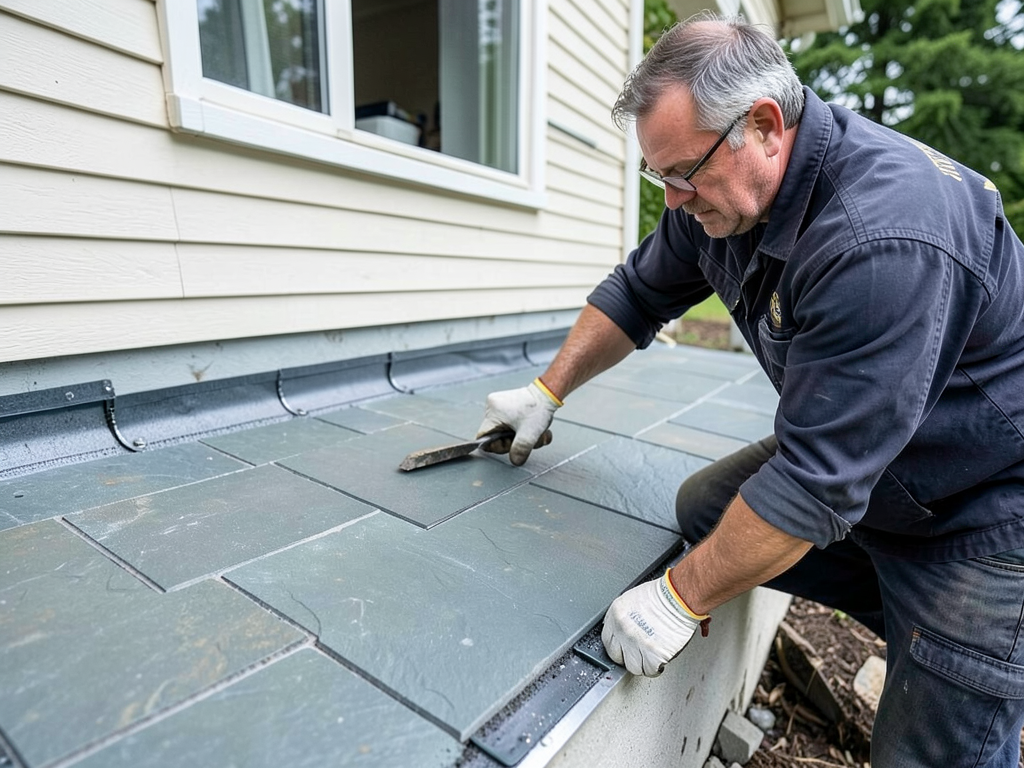
Choosing Between Natural Slate and Synthetic Alternatives for Your Glenview Estate
Natural slate and synthetic slate roofing both offer premium aesthetics and long-lasting protection for Glenview’s distinctive estates. The decision between authentic quarried stone and modern polymer alternatives comes down to your priorities around weight, cost, and performance in Chicago’s harsh climate. Is Solar Roofing Worth the Investment for Homes in Evanston?.
Natural slate delivers unmatched longevity and a genuine stone appearance that has protected buildings for centuries. Synthetic slate provides a lighter weight option with easier installation and lower upfront costs. Both materials can enhance your home’s curb appeal while standing up to Glenview’s freeze-thaw cycles and heavy snow loads.. Read more about How to Match Your New Roof to the Historic Aesthetic of Your Pullman District Home.
Understanding the key differences between these roofing options helps you make an informed investment in your property’s future. This guide examines weight requirements, installation needs, durability factors, and cost considerations specific to Glenview’s architectural styles and weather patterns. Roofing Berwyn.
Understanding Natural Slate: The ‘Forever Roof’
Natural slate represents the gold standard in premium roofing materials. Quarried from metamorphic rock formations, each slate tile offers unique color variations and a handcrafted appearance that synthetic products cannot fully replicate. Roofing Forest Park.
The material’s inherent properties make it exceptionally durable. Slate resists fire, insects, and UV radiation while maintaining its structural integrity for generations. Many European buildings showcase slate roofs that have lasted over 100 years with minimal maintenance.. Read more about Why You Might Need a Structural Engineer Before Upgrading Your Roof in Ukrainian Village.
Chicago’s climate presents specific challenges for natural slate installations. The freeze-thaw cycles common to Glenview can cause slate to delaminate if not properly installed with adequate ventilation and ice and water shield protection.
Pros and Cons of Authentic Stone
Natural slate’s primary advantage lies in its proven longevity and timeless appearance. The material develops a natural patina over time that many homeowners find appealing. Its Class A fire resistance provides superior protection compared to most synthetic alternatives. Why More Naperville Homeowners are Switching to Metal Roofing This Year.
The weight of natural slate presents significant installation considerations. A standard roof requires 800-1,500 pounds per square foot of additional structural support. Many Glenview homes built before 2000 may need reinforcement to handle this load safely.
Cost represents another factor. Natural slate typically costs 50-100% more than synthetic alternatives when including installation. The material’s weight also increases labor costs due to the need for specialized equipment and additional crew members.
Maintenance requirements vary by installation quality. Properly installed slate requires minimal upkeep, but damaged tiles must be replaced individually. Finding matching replacement slate becomes challenging as quarries change production over decades.
The Rise of Synthetic (Composite) Slate
Synthetic slate emerged as a practical alternative to natural stone, using polymer resins and recycled materials to mimic slate’s appearance. Manufacturers like DaVinci Roofscapes and EcoStar pioneered these products to address natural slate’s weight and cost barriers.
The manufacturing process allows for consistent color patterns and uniform sizing. This predictability simplifies installation and ensures matching replacement tiles remain available for decades. Many synthetic products incorporate UV inhibitors and impact modifiers for enhanced durability. Class 4 Impact Resistant Shingles.
Synthetic slate’s weight typically ranges from 200-350 pounds per square foot. This dramatic reduction eliminates the need for structural reinforcement in most Glenview homes. The lighter weight also reduces shipping costs and allows for faster installation.
Why Chicago Homeowners Choose Polymer Slate
Polymer slate offers Class 4 impact resistance in many product lines. This rating provides superior protection against hail damage common to Chicago’s severe weather patterns. The material’s flexibility helps it withstand freeze-thaw cycles without cracking.
Installation efficiency represents a significant advantage. Synthetic tiles install using standard roofing tools and techniques. Most contractors can complete synthetic slate installations in half the time required for natural stone.
Warranty coverage typically extends 40-50 years for synthetic products. While shorter than natural slate’s potential 100+ year lifespan, these warranties often include labor coverage that natural slate manufacturers cannot match.
Environmental considerations influence some buyers. Many synthetic slates incorporate recycled content and can be recycled at end of life. The reduced weight also means lower transportation emissions during shipping.
Side-by-Side Comparison: Weight, Durability, and Cost
Understanding the technical differences between natural and synthetic slate helps clarify which option suits your specific needs. The following comparison examines key performance factors.. Read more about The Real Difference Between Architectural and Luxury Shingles for Homes in Long Grove.
| Factor | Natural Slate | Synthetic Slate |
|---|---|---|
| Weight per square foot | 800-1,500 lbs | 200-350 lbs |
| Expected lifespan | 75-100+ years | 40-50 years |
| Installation time | 2-3 weeks | 1-1.5 weeks |
| Fire rating | Class A | Class A |
| Impact resistance | Class 3 | Class 4 (many products) |
| Cost per square (installed) | $1,500-$2,500 | $800-$1,200 |
| Structural requirements | Often requires reinforcement | Standard roof framing sufficient |
Natural slate’s superior longevity must be weighed against synthetic slate’s lower upfront costs and easier installation. The price difference becomes more significant when factoring in potential structural reinforcement needs for natural slate.
Performance in Chicago Winters: Freeze-Thaw and Hail Resistance
Chicago’s climate creates unique challenges for roofing materials. Glenview experiences 30-40 freeze-thaw cycles annually, with temperatures swinging from below zero to above freezing within 24-hour periods.
Natural slate performs well in freeze-thaw conditions when properly installed. The material’s low water absorption rate (typically under 0.4%) prevents ice formation within the stone. However, poor installation or damaged tiles can allow water infiltration, leading to delamination and cracking.
Synthetic slate’s polymer composition provides inherent flexibility that helps it withstand temperature fluctuations. The material expands and contracts without cracking, though extreme temperature swings can cause color fading over time.
Hail resistance becomes critical during Chicago’s spring storm season. Natural slate typically achieves Class 3 impact resistance, while many synthetic products reach Class 4 rating. Class 4 provides superior protection against golf ball-sized hail common to northern Illinois.
Ice dam formation affects both materials similarly. Proper attic ventilation and ice and water shield installation prevent moisture damage regardless of slate type. Glenview homes built before 1980 often require ventilation upgrades to meet current code requirements.
Installation Requirements: Do You Need Structural Reinforcement?
Determining whether your Glenview home can support natural slate requires a structural assessment. This evaluation examines roof framing, load-bearing walls, and existing conditions.
Older homes built before 1980 often feature 2×4 roof rafters spaced 24 inches apart. This configuration typically cannot support natural slate’s weight without reinforcement. Modern homes with engineered trusses or 2×6 rafters spaced 16 inches apart may accommodate natural slate without modification.
The assessment process involves calculating live and dead loads. Live loads include snow and wind, while dead loads encompass the roofing material’s weight. Glenview’s snow load requirements (30-40 pounds per square foot) combined with natural slate often exceed standard residential design parameters.
Reinforcement options include adding support beams, sistering existing rafters, or installing additional trusses. These modifications increase project costs by $2,000-$8,000 depending on roof complexity and required structural changes.
Synthetic slate eliminates most structural concerns. The material’s light weight allows installation over existing roofing in many cases, though building codes typically require complete tear-off for new installations.
Cost Analysis: Short-term Investment vs. Long-term Value
Initial cost comparisons between natural and synthetic slate reveal significant differences, but long-term value calculations tell a more complete story.
Natural slate’s higher upfront costs include material ($500-$1,000 per square) and specialized installation ($1,000-$1,500 per square). The total installed cost ranges from $1,500-$2,500 per square, with a typical Glenview home requiring 20-30 squares.
Synthetic slate offers material costs of $200-$400 per square and standard installation rates of $600-$800 per square. Total installed costs range from $800-$1,200 per square, representing 40-60% savings compared to natural slate.
Long-term considerations include replacement frequency and maintenance costs. Natural slate may never require replacement during your ownership, while synthetic slate typically needs replacement after 40-50 years. However, synthetic slate’s lower initial cost means you could replace it twice and still spend less than natural slate’s one-time cost.
Insurance implications vary by carrier. Some companies offer premium discounts for Class 4 impact-resistant roofing, which many synthetic products achieve. Natural slate’s fire resistance may also qualify for insurance benefits, though these savings rarely offset the initial cost difference.. Read more about Choosing the Right Impact-Resistant Shingles to Lower Your Insurance Premiums in Morgan Park.
Final Verdict: Which is Right for Your Chicago Home?
Natural slate makes sense for homeowners prioritizing longevity, authentic appearance, and who can accommodate the weight requirements. The material’s proven track record and timeless beauty justify the premium for many Glenview estates.
Synthetic slate appeals to buyers seeking slate’s aesthetic without the structural complications or premium pricing. The material’s Class 4 impact resistance and easier installation make it practical for most Glenview homes.
Your decision should factor in your home’s structural capacity, budget constraints, and long-term plans. A structural engineer’s assessment provides crucial information about whether your home can support natural slate without costly modifications.
Consider your neighborhood’s architectural character. Glenview’s historic districts may have guidelines favoring natural materials, while newer developments often embrace synthetic alternatives that provide similar aesthetics at lower costs.
Both materials increase property value compared to standard asphalt shingles. The choice between them depends on your priorities regarding authenticity, cost, and installation complexity.
Ready to explore your roofing options? Call (773) 599-7055 today to schedule a consultation with our roofing specialists. We’ll assess your home’s structure, discuss your aesthetic preferences, and provide detailed cost comparisons for both natural and synthetic slate options. For more information, visit EPA Renovation Repair and Painting Program. For more information, visit ASTM C406 Slate Standard.
Frequently Asked Questions
How long does a natural slate roof typically last in Chicago?
Natural slate roofs in Chicago typically last 75-100+ years when properly installed. The material’s longevity depends on installation quality, ventilation, and ice and water shield protection. Many European buildings showcase slate roofs exceeding 100 years of service.
Can my Glenview home support natural slate without structural reinforcement?
Homes built after 1980 with engineered trusses or 2×6 rafters spaced 16 inches apart often support natural slate without modification. Pre-1980 homes with 2×4 rafters typically require reinforcement, adding $2,000-$8,000 to project costs. A structural assessment determines your specific requirements.
Does synthetic slate look different from natural slate?
High-quality synthetic slate closely mimics natural stone’s appearance. The main differences include more consistent color patterns and uniform sizing. Some homeowners prefer synthetic’s predictability, while others value natural slate’s unique variations and developing patina over time.
Which material performs better in Chicago’s severe weather?
Synthetic slate often performs better in Chicago’s severe weather due to Class 4 impact resistance against hail. Natural slate provides superior fire resistance and longevity. Both materials handle freeze-thaw cycles well when properly installed with adequate ventilation and ice protection.
What is the cost difference between natural and synthetic slate?
Natural slate costs $1,500-$2,500 per square installed, while synthetic ranges from $800-$1,200 per square. Synthetic represents 40-60% savings upfront. However, natural slate’s potential 100+ year lifespan versus synthetic’s 40-50 years affects long-term value calculations.
You may also find this helpful. Comparing Different Financing Options for a Major Roof Replacement in Des Plaines.
{
“@context”: “https://schema.org”,
“@type”: “BlogPosting”,
“headline”: “Choosing Between Natural Slate and Synthetic Alternatives for Your Glenview Estate”,
“description”: “Comparing natural slate vs synthetic slate roofing for Glenview homes. Learn about durability, cost, weight requirements, and Chicago weather performance to make the right choice.”,
“wordCount”: 1768,
“datePublished”: “2026-04-25T11:07:00.000Z”,
“dateModified”: “2026-04-25T11:07:00.000Z”,
“inLanguage”: “en-US”,
“mainEntityOfPage”: {
“@type”: “WebPage”,
“@id”: “https://patriotroofingchicago.com”
},
“publisher”: {
“@type”: “LocalBusiness”,
“name”: “Patriot Roofing Chicago”,
“url”: “https://patriotroofingchicago.com”
},
“author”: {
“@type”: “Organization”,
“name”: “Patriot Roofing Chicago”,
“url”: “https://patriotroofingchicago.com”
},
“image”: {
“@type”: “ImageObject”,
“url”: “https://patriotroofingchicago.com/wp-content/uploads/2026/03/choosing-between-natural-slate-and-synthetic-alter-1.png”
}
}
{
“@context”: “https://schema.org”,
“@type”: “RoofingContractor”,
“name”: “Patriot Roofing Chicago”,
“url”: “https://patriotroofingchicago.com”,
“address”: {
“@type”: “PostalAddress”,
“addressLocality”: “Chicago”
},
“areaServed”: {
“@type”: “City”,
“name”: “Chicago”
}
}
{
“@context”: “https://schema.org”,
“@type”: “FAQPage”,
“mainEntity”: [
{
“@type”: “Question”,
“name”: “Installation Requirements: Do You Need Structural Reinforcement?”,
“acceptedAnswer”: {
“@type”: “Answer”,
“text”: “Determining whether your Glenview home can support natural slate requires a structural assessment. This evaluation examines roof framing, load-bearing walls, and existing conditions.”
}
},
{
“@type”: “Question”,
“name”: “Final Verdict: Which is Right for Your Chicago Home?”,
“acceptedAnswer”: {
“@type”: “Answer”,
“text”: “Natural slate makes sense for homeowners prioritizing longevity, authentic appearance, and who can accommodate the weight requirements. The material’s proven track record and timeless beauty justify the premium for many Glenview estates.”
}
}
]
}
{
“@context”: “https://schema.org”,
“@type”: “BreadcrumbList”,
“itemListElement”: [
{
“@type”: “ListItem”,
“position”: 1,
“name”: “Home”,
“item”: “https://patriotroofingchicago.com”
},
{
“@type”: “ListItem”,
“position”: 2,
“name”: “Blog”,
“item”: “https://patriotroofingchicago.com/blog”
},
{
“@type”: “ListItem”,
“position”: 3,
“name”: “Choosing Between Natural Slate and Synthetic Alternatives for Your Glenview Estate”
}
]
}
{
“@context”: “https://schema.org”,
“@type”: “Service”,
“serviceType”: “Roofing”,
“provider”: {
“@type”: “LocalBusiness”,
“name”: “Patriot Roofing Chicago”,
“url”: “https://patriotroofingchicago.com”
},
“areaServed”: {
“@type”: “City”,
“name”: “Chicago”
},
“description”: “Comparing natural slate vs synthetic slate roofing for Glenview homes. Learn about durability, cost, weight requirements, and Chicago weather performance to make the right choice.”
}