
Why Your Soffits and Fascia Are Just as Important as Your Shingles in Kenwood
Your Kenwood home’s roof system extends far beyond the shingles you see from the street. The soffits beneath your eaves and the fascia boards along the roofline form a critical barrier that protects your home from Chicago’s harsh weather. These components work together to ventilate your attic, prevent moisture intrusion, and support your gutter system. When they fail, the damage spreads quickly through your roof structure. Chicago Department of Buildings.
Many Kenwood homeowners focus on shingle replacement while ignoring deteriorating soffits and fascia. This oversight costs thousands in preventable repairs. The historic homes along Greenwood Avenue and the tree-lined streets near Washington Park face unique challenges from century-old construction methods and Chicago’s freeze-thaw cycles. Understanding these vulnerabilities helps you protect your investment. Why More Naperville Homeowners are Switching to Metal Roofing This Year.
Common Signs of Soffit and Fascia Damage in Chicago Homes
Wood rot represents the most frequent problem in Kenwood’s older homes. You might notice peeling paint, soft spots when you press the wood, or visible cracks along the fascia boards. These symptoms indicate moisture has penetrated the material and compromised its structural integrity.
Pest infestations create another major concern. Squirrels and raccoons commonly chew through rotted soffits to access attic spaces. You might hear scratching sounds in your walls or find droppings in your attic. The warm, protected spaces behind damaged soffits attract these urban wildlife pests throughout Chicago’s neighborhoods.
Ice dam formation reveals ventilation problems. When snow melts on your warm roof deck then refreezes at the edges, it creates ice dams that force water under your shingles. Proper soffit ventilation prevents this cycle by maintaining consistent roof temperatures. Homes near Jackson Park often experience this issue due to lake-effect snow and wind patterns.
Water stains on interior ceilings or walls signal fascia failure. When gutters pull away from rotted fascia boards, water runs down your home’s exterior walls instead of through the drainage system. This moisture intrusion leads to mold growth and structural damage inside your walls.
Our Soffit and Fascia Repair Process in Kenwood
We start every inspection with a thorough assessment of your roof’s perimeter. Our technicians examine every fascia board and soffit panel for signs of rot, pest damage, or improper installation. We document problem areas with photos and measurements to create an accurate repair plan.
Removal follows a systematic approach. We carefully detach gutters and downspouts without damaging the existing drainage system. Rotted wood gets removed section by section, preserving sound material whenever possible. This selective removal reduces waste and repair costs for Kenwood homeowners.
Material selection depends on your home’s age and architectural style. Historic homes along Dorchester Avenue often benefit from wood restoration using modern moisture-resistant treatments. Newer construction in the Kenwood area typically warrants aluminum or vinyl replacement for minimal maintenance requirements.
Installation includes proper flashing integration and ventilation upgrades. We ensure all new soffits meet Chicago’s building code requirements for attic airflow. Our team also realigns gutters and installs new brackets to prevent future fascia damage from weight stress.
Material Options for Kenwood Soffit and Fascia Repair
Wood remains the traditional choice for Kenwood’s historic homes. Cedar and redwood offer natural resistance to rot and insects. However, even treated wood requires regular maintenance including repainting every 5-7 years. The humid summers and freezing winters in Chicago accelerate wood deterioration without proper care.
Aluminum wrapping provides excellent protection for existing wood fascia. This process involves installing aluminum sheets over sound wood boards, creating a maintenance-free surface that resists moisture and UV damage. Aluminum works particularly well in Kenwood where homeowners want to preserve original architectural details while eliminating upkeep.
Vinyl soffits offer the lowest maintenance option. These lightweight panels resist moisture, insects, and UV degradation. Modern vinyl products include built-in ventilation channels that improve attic airflow compared to older solid wood soffits. The material costs more upfront but eliminates painting and repairs for decades.
Composite materials combine wood aesthetics with synthetic durability. These engineered products resist rot, insects, and moisture while maintaining the appearance of painted wood. Composite soffits work well for Kenwood homeowners who want traditional looks without ongoing maintenance responsibilities.
| Material | Lifespan | Maintenance | Best For |
|---|---|---|---|
| Wood (Cedar) | 15-20 years | Annual inspection, repainting every 5-7 years | Historic homes, architectural authenticity |
| Aluminum Wrap | 30+ years | Rinse annually | Existing wood fascia, low maintenance |
| Vinyl | 25-30 years | None required | Modern homes, maximum durability |
| Composite | 25-30 years | Occasional cleaning | Traditional appearance, minimal upkeep |
The Connection Between Fascia Damage and Gutter Failure
Your fascia boards serve as the mounting surface for your entire gutter system. When these boards rot or warp, gutters lose their secure attachment points. This creates a cascade of problems that affects your entire roofing system. Is Solar Roofing Worth the Investment for Homes in Evanston?.
Improper gutter alignment causes water to overflow behind the system rather than through downspouts. This water saturates the fascia boards, accelerating rot in already compromised areas. During Chicago’s heavy spring rains, this overflow can deposit hundreds of gallons against your home’s foundation. Getting Your Flat Roof Ready for a Chicago Winter in Wicker Park.
Ice accumulation adds tremendous weight to failing fascia systems. A single cubic foot of ice weighs approximately 57 pounds. When gutters fill with ice and snow, the additional load pulls weakened fascia boards away from the roof structure. This separation creates gaps where water penetrates during thaw cycles.
Squirrels and raccoons exploit these gaps to access attic spaces. These urban pests chew through rotted wood and damaged flashing to create entry points. Once inside, they damage insulation, wiring, and stored belongings while creating fire hazards through their nesting materials.
Chicago Weather Challenges: Ice Dams and Humidity Impact
Chicago’s climate creates unique challenges for soffit and fascia systems. The city experiences approximately 38 inches of annual snowfall, with lake-effect storms adding significant accumulation near Kenwood. This snow load stresses roof structures and creates ideal conditions for ice dam formation.
Freeze-thaw cycles accelerate material deterioration. Water seeps into small cracks during daytime thaws, then expands when temperatures drop below freezing. This expansion forces cracks wider, allowing more water penetration. Over multiple seasons, this cycle destroys even treated wood products.
Summer humidity levels in Chicago average 70-80%, creating ideal conditions for wood rot and mold growth. The combination of heat and moisture causes composite materials to expand and contract, potentially loosening fasteners over time. Proper ventilation through soffit systems becomes critical for preventing attic condensation.
Wind patterns in Kenwood create additional stress on roof edges. The neighborhood’s proximity to Lake Michigan subjects homes to sustained winds that can reach 40+ mph during storm events. These winds create uplift forces that pull on improperly secured soffits and fascia boards.
Building Code Requirements for Soffit and Fascia in Chicago
Chicago Municipal Code Section 13-32-010 requires all roof structures to include proper ventilation systems that prevent moisture accumulation in attic spaces. This code specifically addresses soffit ventilation requirements for homes in the city’s historic districts, including Kenwood.
The International Residential Code (IRC) Section R806 mandates minimum net free ventilation area of 1 square foot per 150 square feet of attic floor space. For homes with vapor barriers, this requirement reduces to 1:300. Most Kenwood homes require additional ventilation due to their age and construction methods. International Residential Code Section R806.
Chicago’s amended building code requires fire-resistant materials within 3 feet of property lines for all new construction and major renovations. This requirement affects material choices for soffit and fascia replacement in densely built neighborhoods like Kenwood, where homes often sit just feet apart.
Permit requirements vary by project scope. Simple fascia repairs under 100 square feet typically don’t require permits. However, complete soffit replacement or structural repairs must obtain permits through the Department of Buildings. Our team handles all permitting requirements for Kenwood homeowners.
Cost-Benefit Analysis: Repair vs. Replacement
Repair costs for localized damage typically range from $500 to $2,000 depending on accessibility and extent of rot. These repairs work well for isolated problem areas where the majority of the soffit and fascia system remains sound. However, patchwork repairs often lead to recurring problems as surrounding material continues deteriorating.
Full replacement projects cost between $3,000 and $8,000 for average Kenwood homes. This investment includes complete removal of old materials, installation of new soffits and fascia, gutter realignment, and ventilation upgrades. While the upfront cost exceeds spot repairs, replacement eliminates future maintenance expenses for 20-30 years.
Energy efficiency improvements provide additional value from replacement projects. Modern soffit systems with integrated ventilation reduce attic temperatures by 15-20 degrees during summer months. This temperature reduction decreases cooling costs and extends the life of roofing materials by reducing thermal stress. Roofing Berwyn.
Insurance considerations affect the financial decision. Many Kenwood homeowners insurance policies offer premium discounts for homes with updated roofing systems that meet current building codes. The improved ventilation and moisture barriers from new soffit and fascia installation may qualify for these discounts.
Preventative Maintenance for Kenwood Homeowners
Annual inspections prevent minor issues from becoming major repairs. Check your soffits and fascia each spring after winter’s harshest weather passes. Look for peeling paint, soft spots, or gaps where materials meet. Pay special attention to areas near downspouts where water concentration creates accelerated deterioration.
Gutter cleaning prevents water backup that damages fascia boards. Remove leaves and debris at least twice yearly, with additional cleaning after major storms. Ensure downspouts direct water at least 5 feet from your foundation to prevent soil saturation that affects your home’s structural integrity.
Trim tree branches that overhang your roof. Chicago’s mature tree canopy creates beautiful streetscapes but drops leaves and branches that trap moisture against your roofline. Maintain at least 3 feet of clearance between tree limbs and your home’s exterior to improve airflow and reduce debris accumulation.
Monitor attic ventilation during summer months. Excessive heat buildup indicates inadequate soffit ventilation. Install temperature monitors to track attic conditions. Temperatures above 130 degrees Fahrenheit signal the need for ventilation improvements to protect your roofing system.
Frequently Asked Questions
How long does soffit and fascia replacement take?
Most Kenwood homes complete soffit and fascia replacement within 2-3 days. Weather conditions and material availability may extend this timeline. Our team works efficiently to minimize disruption while maintaining quality standards throughout the installation process.
Can I replace just the damaged sections?
Spot repairs work for isolated damage but often lead to matching problems with existing materials. Color fading, weathering, and material aging create visible differences between new and old sections. Full replacement ensures consistent appearance and eliminates the risk of adjacent material failure.
What’s the best material for historic Kenwood homes?
Wood restoration with modern treatments preserves architectural authenticity while improving durability. For homeowners seeking minimal maintenance, aluminum wrapping provides excellent protection while maintaining the appearance of painted wood from street view. Material selection depends on your priorities for authenticity versus convenience.
How do I know if my ventilation is adequate?
Ice dam formation indicates poor ventilation. You might also notice excessive attic heat in summer, moisture condensation on rafters, or mold growth in attic spaces. Professional assessment using infrared cameras can identify ventilation deficiencies and recommend specific improvements for your home’s design. Extending the Life of Your Flat Roof in Hyde Park with Professional Coating.
Does homeowner’s insurance cover soffit and fascia damage?
Insurance typically covers sudden damage from covered perils like wind or hail. However, gradual deterioration from age or lack of maintenance falls under homeowner responsibility. Some policies offer separate coverage for roof components as optional endorsements that may include soffit and fascia protection.

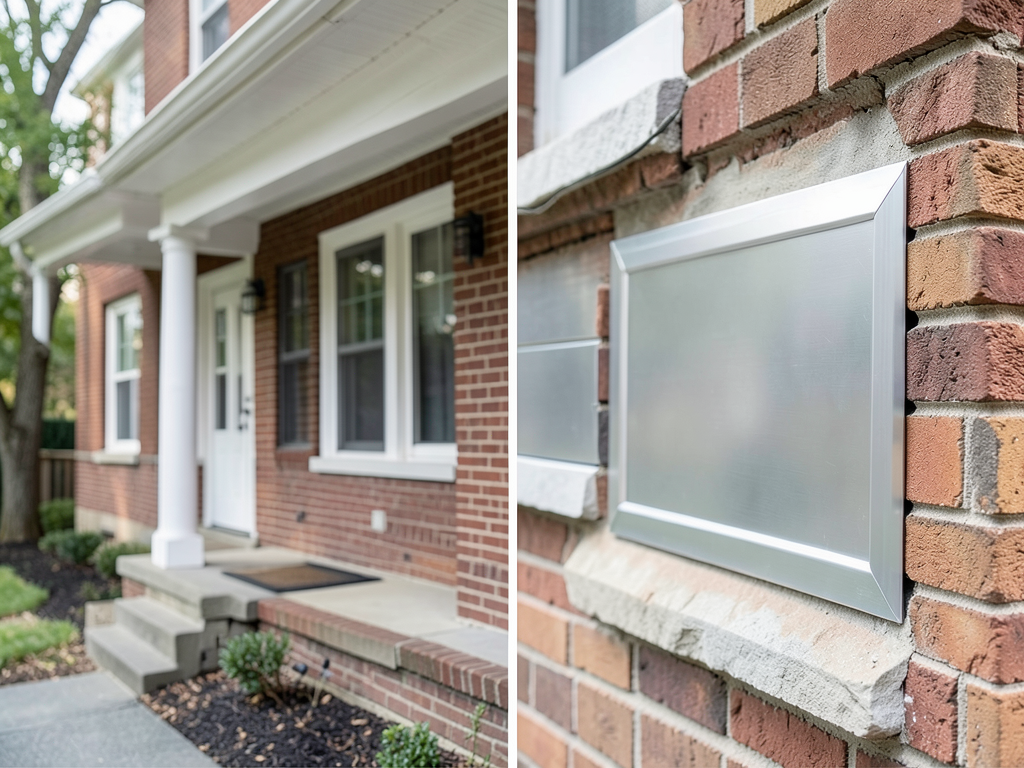
Protecting your Kenwood home’s soffits and fascia prevents costly water damage and extends your roof’s lifespan. These components work silently to ventilate your attic, support your gutters, and shield your home from Chicago’s extreme weather. Don’t wait until you notice peeling paint or soft wood to address these critical systems.
Call (773) 599-7055 today to schedule your professional inspection. Our experienced technicians will assess your soffit and fascia condition and recommend the most cost-effective solutions for your specific situation. Whether you need minor repairs or complete replacement, we provide honest assessments and quality workmanship that protects your Kenwood home for decades to come.
{
“@context”: “https://schema.org”,
“@type”: “BlogPosting”,
“headline”: “Why Your Soffits and Fascia Are Just as Important as Your Shingles in Kenwood”,
“description”: “Learn why soffit and fascia damage threatens your Kenwood home’s roof structure. Discover local repair signs, materials, and expert protection against Chicago weather.”,
“wordCount”: 2034,
“datePublished”: “2026-03-22T15:21:00.000Z”,
“dateModified”: “2026-03-22T15:21:00.000Z”,
“inLanguage”: “en-US”,
“mainEntityOfPage”: {
“@type”: “WebPage”,
“@id”: “https://patriotroofingchicago.com”
},
“publisher”: {
“@type”: “LocalBusiness”,
“name”: “Patriot Roofing Chicago”,
“url”: “https://patriotroofingchicago.com”
},
“author”: {
“@type”: “Organization”,
“name”: “Patriot Roofing Chicago”,
“url”: “https://patriotroofingchicago.com”
},
“image”: {
“@type”: “ImageObject”,
“url”: “https://patriotroofingchicago.com/wp-content/uploads/2026/03/why-your-soffits-and-fascia-are-just-as-important-1.png”
}
}
{
“@context”: “https://schema.org”,
“@type”: “RoofingContractor”,
“name”: “Patriot Roofing Chicago”,
“url”: “https://patriotroofingchicago.com”,
“address”: {
“@type”: “PostalAddress”,
“addressLocality”: “Chicago”
},
“areaServed”: {
“@type”: “City”,
“name”: “Chicago”
}
}
{
“@context”: “https://schema.org”,
“@type”: “FAQPage”,
“mainEntity”: [
{
“@type”: “Question”,
“name”: “How long does soffit and fascia replacement take?”,
“acceptedAnswer”: {
“@type”: “Answer”,
“text”: “Most Kenwood homes complete soffit and fascia replacement within 2-3 days. Weather conditions and material availability may extend this timeline. Our team works efficiently to minimize disruption while maintaining quality standards throughout the installation process.”
}
},
{
“@type”: “Question”,
“name”: “Can I replace just the damaged sections?”,
“acceptedAnswer”: {
“@type”: “Answer”,
“text”: “Spot repairs work for isolated damage but often lead to matching problems with existing materials. Color fading, weathering, and material aging create visible differences between new and old sections. Full replacement ensures consistent appearance and eliminates the risk of adjacent material failure.”
}
},
{
“@type”: “Question”,
“name”: “What’s the best material for historic Kenwood homes?”,
“acceptedAnswer”: {
“@type”: “Answer”,
“text”: “Wood restoration with modern treatments preserves architectural authenticity while improving durability. For homeowners seeking minimal maintenance, aluminum wrapping provides excellent protection while maintaining the appearance of painted wood from street view. Material selection depends on your priorities for authenticity versus convenience.”
}
},
{
“@type”: “Question”,
“name”: “How do I know if my ventilation is adequate?”,
“acceptedAnswer”: {
“@type”: “Answer”,
“text”: “Ice dam formation indicates poor ventilation. You might also notice excessive attic heat in summer, moisture condensation on rafters, or mold growth in attic spaces. Professional assessment using infrared cameras can identify ventilation deficiencies and recommend specific improvements for your home’s design. Extending the Life of Your Flat Roof in Hyde Park with Professional Coating.”
}
},
{
“@type”: “Question”,
“name”: “Does homeowner’s insurance cover soffit and fascia damage?”,
“acceptedAnswer”: {
“@type”: “Answer”,
“text”: “Insurance typically covers sudden damage from covered perils like wind or hail. However, gradual deterioration from age or lack of maintenance falls under homeowner responsibility. Some policies offer separate coverage for roof components as optional endorsements that may include soffit and fascia protection.”
}
}
]
}
{
“@context”: “https://schema.org”,
“@type”: “BreadcrumbList”,
“itemListElement”: [
{
“@type”: “ListItem”,
“position”: 1,
“name”: “Home”,
“item”: “https://patriotroofingchicago.com”
},
{
“@type”: “ListItem”,
“position”: 2,
“name”: “Blog”,
“item”: “https://patriotroofingchicago.com/blog”
},
{
“@type”: “ListItem”,
“position”: 3,
“name”: “Why Your Soffits and Fascia Are Just as Important as Your Shingles in Kenwood”
}
]
}
{
“@context”: “https://schema.org”,
“@type”: “Service”,
“serviceType”: “Roofing”,
“provider”: {
“@type”: “LocalBusiness”,
“name”: “Patriot Roofing Chicago”,
“url”: “https://patriotroofingchicago.com”
},
“areaServed”: {
“@type”: “City”,
“name”: “Chicago”
},
“description”: “Learn why soffit and fascia damage threatens your Kenwood home’s roof structure. Discover local repair signs, materials, and expert protection against Chicago weather.”
}