
Why Your Gutters Keep Getting Clogged Even if You Do Not Have Trees in Calumet Heights
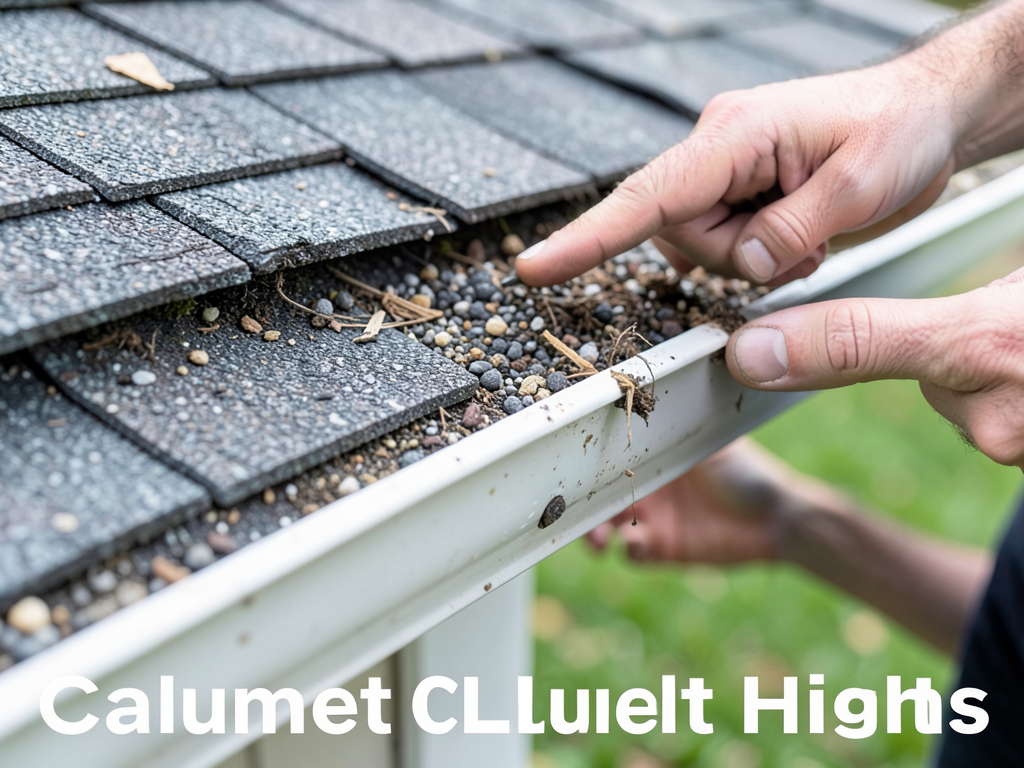
If you live in Calumet Heights and find your gutters filling with debris despite having no trees nearby, you are not alone. Many homeowners in this Chicago neighborhood face this puzzling problem. The culprit is often not leaves or twigs but something much closer to home: your roof. Chicago Department of Buildings.
Chicago’s extreme weather takes a toll on roofing materials. Asphalt shingles shed tiny granules as they age, especially after harsh winters and hot summers. These granules wash into your gutters and accumulate like sand in a bottle. Over time, they create a thick layer that traps water and blocks proper drainage. Is Solar Roofing Worth the Investment for Homes in Evanston?.
Another factor unique to Calumet Heights is the area’s industrial history. Soot and particulate matter from decades of nearby factories settle on roofs and break down roofing materials faster. This accelerates granule loss and adds another layer of debris to your gutters. Roofing Berwyn.
Understanding these causes is the first step to solving your gutter problems. You do not need to cut down imaginary trees. You need to address the real source of the clogs.
Common Sources of Gutter Debris in Tree-Free Neighborhoods
Homeowners often assume that if they do not have trees, their gutters should stay clean. This assumption leads to frustration when clogs keep forming. Here are the most common sources of gutter debris in neighborhoods like Calumet Heights. Why More Naperville Homeowners are Switching to Metal Roofing This Year.
Asphalt Shingle Granule Loss is the primary culprit. Asphalt shingles are coated with ceramic granules that protect them from UV rays. Over time, these granules loosen and wash away. In Chicago’s climate, this process speeds up due to freeze-thaw cycles and temperature extremes.
Industrial Fallout from the area’s manufacturing past settles on roofs. This soot mixes with moisture and becomes acidic, breaking down roofing materials. The resulting debris washes into gutters along with the granules.
Birds and Small Animals can also contribute. Nesting materials, feathers, and droppings accumulate in gutters. While this is less common than granule loss, it can still cause significant blockages.
Pollen and Seed Pods from distant trees can travel on wind currents. Even if your property has no trees, pollen from blocks away can settle on your roof and wash into gutters during rain.
Roofing Material Breakdown from age affects all roofs eventually. The protective layers of shingles deteriorate, and small pieces break off. These pieces combine with granules to form a gritty sludge in your gutters.
How to Identify Granule Loss in Your Gutters
Recognizing granule loss early can prevent bigger problems. Here is how to inspect your gutters for this common issue.. Read more about Why K-Style Gutters and Half-Round Gutters Perform Differently on Homes in Longwood Manor.
Visual Inspection is the first step. Look for a layer of fine sand or silt in the bottom of your gutters. This material feels gritty between your fingers and may be black, gray, or brown depending on your shingle color.
Water Flow Test can reveal hidden clogs. During a rainstorm, watch how water flows from your downspouts. If water trickles out slowly or backs up near the roof edge, granules may be blocking the flow.
Physical Check requires caution. Use a small garden trowel to scoop a sample from your gutter. If the material feels like coarse sand and leaves a black residue on your hands, you are looking at shingle granules.
Roof Inspection from the ground can show granule loss. Look for bare spots on your shingles where the protective granules have worn away. These areas appear as darker patches on the roof surface.
Professional Assessment provides the most accurate diagnosis. A roofing contractor can measure granule accumulation and determine if it indicates normal wear or premature aging requiring attention.
The Chicago Climate Factor: Why Calumet Heights Homes Are Vulnerable
Chicago’s weather creates unique challenges for roofs and gutters. The city’s climate accelerates granule loss and gutter clogging in ways that surprise many homeowners.
Freeze-Thaw Cycles are particularly damaging. When moisture gets under roofing granules and freezes, it expands. This expansion pushes granules loose, creating more debris for your gutters. Calumet Heights experiences dozens of these cycles each winter.
Temperature Swings stress roofing materials. Chicago can see 50-degree temperature changes in a single day. This causes roofing materials to expand and contract rapidly, loosening granules and creating cracks where debris can collect.
Humidity Levels in summer promote algae and moss growth on roofs. These organisms hold moisture against shingles, accelerating granule loss. The resulting organic material adds to gutter debris.
Wind Patterns in Calumet Heights can carry industrial particles from nearby areas. These particles settle on roofs and mix with moisture, creating an acidic solution that breaks down roofing materials faster than in other neighborhoods.
Storm Frequency means more opportunities for debris to wash into gutters. Chicago averages 38 inches of rain annually, plus snow that melts and runs through gutter systems. Each weather event potentially adds to the granule accumulation.
Preventing Gutter Clogs: Solutions for Calumet Heights Homeowners
Once you understand the causes, you can take steps to prevent gutter clogs. Here are effective solutions for homes in Calumet Heights.
Regular Gutter Cleaning is essential. Even without trees, gutters need cleaning at least twice per year. Schedule cleanings in late spring and early fall to catch debris before it causes problems.
Gutter Guards can help but are not perfect. Some guards allow fine granules to pass through while blocking larger debris. Choose guards with fine mesh screens if granule control is your main concern.
Roof Maintenance reduces granule loss. Keep your roof clean and free of moss or algae. Address any damaged shingles promptly to prevent accelerated wear.
Attic Ventilation plays a role. Poor ventilation causes heat buildup that makes shingles more brittle. Proper ventilation extends shingle life and reduces granule loss.
Roof Replacement Timing matters. If your roof is over 20 years old and losing many granules, replacement might be more cost-effective than constant gutter cleaning.
Professional Inspection annually helps catch problems early. A roofing expert can identify issues before they become major expenses.
When to Call a Professional: Signs You Need Help
Some gutter problems require professional attention. Here are signs that you need expert help for your Calumet Heights home. Extending the Life of Your Flat Roof in Hyde Park with Professional Coating.
Water Damage Inside Your Home indicates serious gutter problems. Stains on ceilings or walls near exterior walls suggest water is overflowing from clogged gutters.
Sagging Gutters mean the system is overloaded with debris or water. This can cause gutters to pull away from your home, creating even bigger drainage problems.
Moss or Plant Growth in gutters shows persistent moisture problems. Plants growing in your gutters indicate clogs that have lasted long enough for soil to accumulate.
Ice Dam Formation in winter is a serious issue. Ice dams form when gutters cannot drain properly, causing water to back up under shingles and potentially damage your roof structure.
Foundation Issues can result from poor gutter drainage. If you notice cracks in your foundation or water pooling near your home’s base, your gutters may not be functioning properly.
Roof Age Concerns become urgent when combined with heavy granule loss. If your roof is over 15 years old and shedding granules rapidly, you may need replacement soon.
Comparing Gutter Protection Options for Calumet Heights Homes
Choosing the right gutter protection depends on your specific situation. Here is a comparison of common options for homes in this area.
| Protection Type | Cost Range | Effectiveness Against Granules | Maintenance Required | Best For |
|---|---|---|---|---|
| Standard Mesh Guards | $3-5 per linear foot | Moderate | Annual Cleaning | Homeowners wanting basic protection |
| Micro-Mesh Guards | $6-10 per linear foot | High | Every 2-3 Years | Those with heavy granule loss |
| Solid Cover Systems | $12-20 per linear foot | Very High | Minimal | Maximum protection needed |
| Foam Inserts | $2-4 per linear foot | Low-Moderate | Annual Replacement | Budget-conscious homeowners |
| Professional Cleaning Service | $150-300 per cleaning | N/A | Bi-Annual Service | Those preferring professional care |
DIY Gutter Maintenance Tips for Calumet Heights Residents
Many homeowners prefer handling gutter maintenance themselves. Here are safe and effective DIY tips for Calumet Heights properties.
Safety First is crucial. Always use a sturdy ladder on level ground. Have someone spot you while you work. Never reach beyond your comfortable arm’s length while on a ladder.
Timing Matters. Clean gutters during dry weather when debris is lighter. Early morning or late afternoon on mild days provides the best working conditions.
Tools You Need include a sturdy ladder, work gloves, a small garden trowel, a bucket or tarp for debris collection, and a garden hose for flushing.
Cleaning Process starts with removing large debris by hand or with a trowel. Work from the downspout end toward the outlet. Flush each section with water to check for proper flow.
Inspection Points include checking for leaks at seams, ensuring downspouts are clear, and looking for any damage to the gutter system itself.
Disposal Considerations matter in Calumet Heights. Bag debris for trash pickup rather than washing it into storm drains, which can cause neighborhood flooding.
Understanding Chicago Building Codes for Gutters and Drainage
Chicago has specific requirements for gutter and drainage systems. Understanding these codes helps ensure your system meets local standards.
Chicago Municipal Code Section 18-4-206 requires proper roof drainage to prevent water accumulation. Gutters must direct water away from building foundations and public walkways.
Down spout Requirements under Section 18-4-207 mandate that downspouts extend at least five feet from building foundations. This prevents water damage to basements and foundations.
Combined Sewer Considerations affect gutter drainage in older parts of Calumet Heights. During heavy rains, the city’s combined sewer system can back up, making proper gutter function even more critical.
Ice Dam Prevention is addressed in building codes through requirements for proper attic insulation and ventilation. These measures reduce the risk of ice dams that can damage gutters and roofs.
Permit Requirements for gutter replacement vary by project scope. Simple repairs typically do not require permits, but system replacements may need approval from the Department of Buildings.
Frequently Asked Questions
Why do my gutters clog even though I have no trees?
Gutters clog from sources other than trees, primarily asphalt shingle granule loss, industrial fallout, and organic debris from birds or wind-blown pollen. Chicago’s climate accelerates these processes.
How often should I clean my gutters in Calumet Heights?
Clean your gutters at least twice per year, typically in late spring and early fall. If you notice heavy granule loss or have an older roof, consider cleaning three to four times annually.
Are gutter guards worth the investment for homes without trees?
Yes, gutter guards can be valuable even without trees. They help control shingle granules and other fine debris that would otherwise accumulate in your gutters.
How can I tell if my roof is causing gutter problems?
Look for fine sand or grit in your gutters, check your roof for bare spots where granules have worn away, and watch for water backing up during rainstorms.
What building codes affect gutter systems in Chicago?
Chicago Municipal Code Section 18-4-206 and 18-4-207 govern gutter drainage requirements, downspout extensions, and proper water diversion away from foundations.
Can I install gutter protection myself?
Many gutter protection systems are designed for DIY installation, but professional installation ensures proper fit and maximum effectiveness, especially for complex rooflines.
How do I know when it is time to replace my roof?
Signs include heavy granule loss, curling or missing shingles, age over 20 years, and frequent gutter clogs that persist despite cleaning.
Protecting Your Calumet Heights Home from Gutter Problems
Gutter issues in Calumet Heights often stem from factors unique to this Chicago neighborhood. Understanding these causes helps you take the right preventive steps.
The combination of aging roofs, industrial fallout, and Chicago’s extreme weather creates a perfect storm for gutter clogs. Regular maintenance, proper protection systems, and timely roof replacement can prevent most problems.
Remember that your gutters are your home’s first line of defense against water damage. Keeping them clear and functional protects your foundation, prevents basement flooding, and extends the life of your roof and siding.
If you are dealing with persistent gutter clogs or notice signs of roof deterioration, professional help can save you money and headaches in the long run. A roofing expert can assess your specific situation and recommend the most cost-effective solutions. Roofing Forest Park.
Call (773) 599-7055 today to schedule your inspection and keep your Calumet Heights home protected from water damage. For more information, visit EPA information on industrial fallout and environmental factors.
{
“@context”: “https://schema.org”,
“@type”: “BlogPosting”,
“headline”: “Why Your Gutters Keep Getting Clogged Even if You Do Not Have Trees in Calumet Heights”,
“description”: “Discover the hidden causes of gutter clogs in Calumet Heights homes without trees. Learn how shingle granule loss and Chicago’s climate create drainage problems.”,
“wordCount”: 2097,
“datePublished”: “2026-06-01T15:35:00.000Z”,
“dateModified”: “2026-06-01T15:35:00.000Z”,
“inLanguage”: “en-US”,
“mainEntityOfPage”: {
“@type”: “WebPage”,
“@id”: “https://patriotroofingchicago.com”
},
“publisher”: {
“@type”: “LocalBusiness”,
“name”: “Patriot Roofing Chicago”,
“url”: “https://patriotroofingchicago.com”
},
“author”: {
“@type”: “Organization”,
“name”: “Patriot Roofing Chicago”,
“url”: “https://patriotroofingchicago.com”
},
“image”: {
“@type”: “ImageObject”,
“url”: “https://patriotroofingchicago.com/wp-content/uploads/2026/03/why-your-gutters-keep-getting-clogged-even-if-you-1.png”
}
}
{
“@context”: “https://schema.org”,
“@type”: “RoofingContractor”,
“name”: “Patriot Roofing Chicago”,
“url”: “https://patriotroofingchicago.com”,
“address”: {
“@type”: “PostalAddress”,
“addressLocality”: “Chicago”
},
“areaServed”: {
“@type”: “City”,
“name”: “Chicago”
}
}
{
“@context”: “https://schema.org”,
“@type”: “FAQPage”,
“mainEntity”: [
{
“@type”: “Question”,
“name”: “Why do my gutters clog even though I have no trees?”,
“acceptedAnswer”: {
“@type”: “Answer”,
“text”: “Gutters clog from sources other than trees, primarily asphalt shingle granule loss, industrial fallout, and organic debris from birds or wind-blown pollen. Chicago’s climate accelerates these processes.”
}
},
{
“@type”: “Question”,
“name”: “How often should I clean my gutters in Calumet Heights?”,
“acceptedAnswer”: {
“@type”: “Answer”,
“text”: “Clean your gutters at least twice per year, typically in late spring and early fall. If you notice heavy granule loss or have an older roof, consider cleaning three to four times annually.”
}
},
{
“@type”: “Question”,
“name”: “Are gutter guards worth the investment for homes without trees?”,
“acceptedAnswer”: {
“@type”: “Answer”,
“text”: “Yes, gutter guards can be valuable even without trees. They help control shingle granules and other fine debris that would otherwise accumulate in your gutters.”
}
},
{
“@type”: “Question”,
“name”: “How can I tell if my roof is causing gutter problems?”,
“acceptedAnswer”: {
“@type”: “Answer”,
“text”: “Look for fine sand or grit in your gutters, check your roof for bare spots where granules have worn away, and watch for water backing up during rainstorms.”
}
},
{
“@type”: “Question”,
“name”: “What building codes affect gutter systems in Chicago?”,
“acceptedAnswer”: {
“@type”: “Answer”,
“text”: “Chicago Municipal Code Section 18-4-206 and 18-4-207 govern gutter drainage requirements, downspout extensions, and proper water diversion away from foundations.”
}
},
{
“@type”: “Question”,
“name”: “Can I install gutter protection myself?”,
“acceptedAnswer”: {
“@type”: “Answer”,
“text”: “Many gutter protection systems are designed for DIY installation, but professional installation ensures proper fit and maximum effectiveness, especially for complex rooflines.”
}
},
{
“@type”: “Question”,
“name”: “How do I know when it is time to replace my roof?”,
“acceptedAnswer”: {
“@type”: “Answer”,
“text”: “Signs include heavy granule loss, curling or missing shingles, age over 20 years, and frequent gutter clogs that persist despite cleaning.”
}
}
]
}
{
“@context”: “https://schema.org”,
“@type”: “BreadcrumbList”,
“itemListElement”: [
{
“@type”: “ListItem”,
“position”: 1,
“name”: “Home”,
“item”: “https://patriotroofingchicago.com”
},
{
“@type”: “ListItem”,
“position”: 2,
“name”: “Blog”,
“item”: “https://patriotroofingchicago.com/blog”
},
{
“@type”: “ListItem”,
“position”: 3,
“name”: “Why Your Gutters Keep Getting Clogged Even if You Do Not Have Trees in Calumet Heights”
}
]
}
{
“@context”: “https://schema.org”,
“@type”: “Service”,
“serviceType”: “Roofing”,
“provider”: {
“@type”: “LocalBusiness”,
“name”: “Patriot Roofing Chicago”,
“url”: “https://patriotroofingchicago.com”
},
“areaServed”: {
“@type”: “City”,
“name”: “Chicago”
},
“description”: “Discover the hidden causes of gutter clogs in Calumet Heights homes without trees. Learn how shingle granule loss and Chicago’s climate create drainage problems.”
}