
Water dripping down your brick parapet wall after a rainstorm feels like a betrayal. You just installed a new roof last year and now this. The truth is your roof might be fine. The real problem lives in the brick wall itself and it’s a problem that only gets worse in Chicago’s Chinatown. Chicago Building Code Section 13-32-010.
Chinatown’s brick buildings face a perfect storm of water damage. The area sits near the lake where humidity stays high year-round. When winter hits those same walls freeze and thaw over and over again. That cycle pushes water deeper into the brick. A new roof membrane cannot stop water that’s already inside the wall. Getting Your Flat Roof Ready for a Chicago Winter in Wicker Park.
Chicago’s building code requires parapet walls to meet strict safety standards. Section 13-32-010 of the Municipal Code mandates that any wall over three stories must have proper coping and flashing. Many Chinatown buildings were built before these rules existed. That means hidden problems waiting to fail.. Read more about Why Roof Scuppers Fail and How to Fix the Drainage on Your Chinatown Flat Roof.
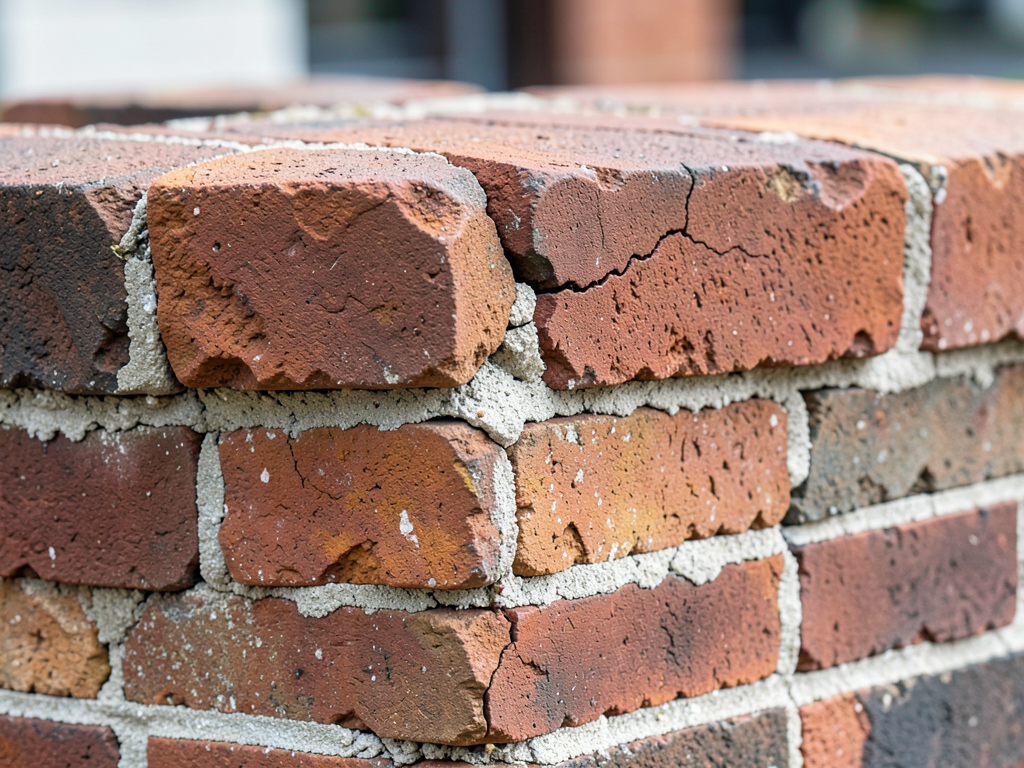
Water moves through brick in ways most people never consider. Brick acts like a sponge. When it gets wet it holds that water until something forces it out. In Chicago that something is usually freezing temperatures. As water freezes it expands by about 9 percent. That expansion cracks the brick and mortar from the inside out.
Common Causes of Parapet Leaks in Chicago Buildings
Freeze-thaw cycles destroy brick faster than anything else. When temperatures swing from above freezing to below freezing multiple times per week the damage compounds. Each cycle creates tiny cracks. Those cracks get bigger with every freeze.
Spalling brick shows the damage clearly. You will see the face of the brick popping off leaving a rough surface behind. This happens when water trapped inside the brick freezes and breaks the surface apart. Once spalling starts it spreads quickly.
Mortar joints fail next. The mortar between bricks is softer than the brick itself. It’s designed to crack first so the brick doesn’t. But when mortar fails water has an easy path into the wall. Old lime-based mortars in historic Chinatown buildings are especially vulnerable.
The Role of the ‘Chicago Common Brick’ in Water Retention
Chicago Common Brick looks different from other bricks. It has a rougher texture and more porous surface. This brick was made locally using clay from the Chicago River bed. The clay contains more iron and other minerals that make the brick more absorbent.
This higher absorption rate means Chicago Common Brick holds more water than modern bricks. In Chinatown’s damp climate that extra water becomes a problem. The brick soaks up rain and snow melt then holds it until freezing temperatures arrive.
Historic buildings in Chinatown often used Chicago Common Brick because it was cheap and available. Today those same buildings suffer from the brick’s water retention properties. A wall built with this brick needs more maintenance than one built with modern materials.
Critical Failure Points: Coping Stones, Flashing, and Scuppers. Read more about Why Your Roof and Chimney Flashing Need Constant Attention in the Bungalow Belt of Hermosa.
Coping stones cap the top of parapet walls. They should slope slightly to shed water. Many Chinatown buildings have flat or poorly sloped coping. This lets water pool on top of the wall where it seeps down through cracks.
Limestone coping is common in older buildings. Limestone is soft and wears down over time. It also absorbs water which makes freeze-thaw damage worse. Metal coping lasts longer but can corrode at the seams.
Counter-flashing seals the gap between the roof membrane and the brick wall. When this fails water runs down the inside of the wall where you cannot see it. Bad counter-flashing is the number one cause of hidden parapet leaks.
Scuppers are small openings that let water drain off the roof. If scuppers get clogged water backs up and flows over the parapet wall. This creates a waterfall effect that pounds the brick with water.
Step-by-Step Diagnostic Process
Finding the source of a parapet leak takes more than a quick look. You need to check multiple points and use the right tools. A moisture meter can show you where water is hiding inside the wall.
Start with a visual inspection. Look for cracks in the brick and mortar. Check the coping stones for movement or damage. See if any areas look darker which might mean they stay wet longer.
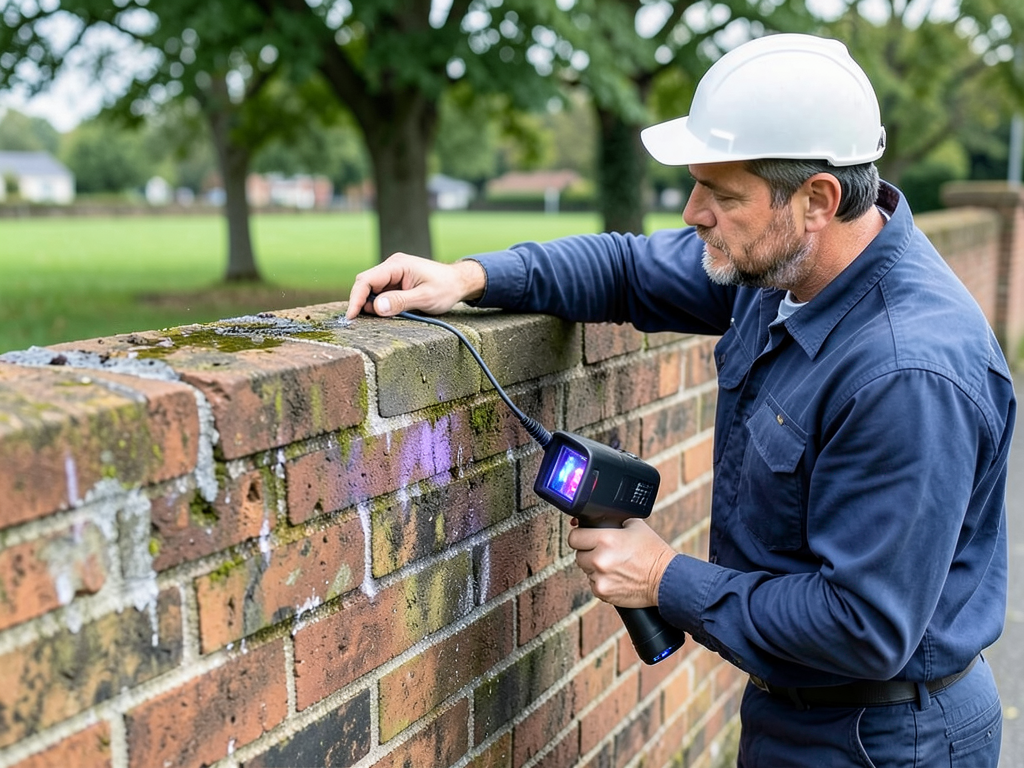
Then use thermal imaging. Wet areas show up colder on an infrared camera. This helps find problems behind the surface where you cannot see them. Water changes how heat moves through the wall.
Check the roof-to-wall connection carefully. This is where most leaks start. Look for gaps in the flashing or signs of rust on metal parts. Even small gaps let a lot of water in over time.
Finally test the drainage. Pour a small amount of water near the base of the parapet. Watch where it goes. If it pools or runs toward the building you have a grading problem that makes leaks worse.
Permanent Solutions: Tuckpointing vs. Waterproofing Membranes vs. Rebuilding
Tuckpointing replaces damaged mortar. This is the first step for most parapet repairs. Fresh mortar seals the joints and stops water from entering through the gaps. But tuckpointing only works if the brick itself is still good. EPA moisture control guidelines.
Waterproofing membranes add a protective layer over the brick. These breathable coatings let moisture vapor escape but stop liquid water from entering. This works well for Chicago Common Brick which tends to hold too much water. Is Solar Roofing Worth the Investment for Homes in Evanston?.
Sometimes the damage is too severe for repair. If more than 30 percent of the wall shows spalling or large cracks rebuilding becomes necessary. This costs more but gives you a wall that will last another 50 years.
The choice depends on the extent of damage and your budget. Minor problems respond well to tuckpointing. Moderate issues need waterproofing. Major damage requires rebuilding. Roofing Berwyn.
Chicago Building Codes and Compliance for Parapet Safety
Chicago Municipal Code Section 13-32-010 requires parapet walls to be structurally sound and properly flashed. This code applies to all buildings over three stories. Violations can result in fines and mandatory repairs.
The code also requires parapet walls to support their own weight plus any loads from the roof or equipment. Many older Chinatown buildings were not built to these standards. That creates safety hazards during storms or heavy snow.
Building owners must maintain parapets in safe condition. This includes fixing cracks, replacing missing mortar, and ensuring proper drainage. Ignoring these requirements can lead to liability if someone gets hurt from falling debris.
Recent code changes require better flashing details at roof-to-wall transitions. These details help prevent the exact type of leak many Chinatown building owners experience. Compliance with current codes prevents future problems.
Cost-Benefit Analysis of Parapet Repairs
Small repairs like tuckpointing cost less upfront but need more frequent maintenance. You might spend $2000 to $5000 every five to seven years. This adds up over time but keeps costs manageable in the short term.. Read more about How to Coordinate Your Roofing and Tuckpointing Projects in Mayfair for a Dry Home.
Waterproofing treatments cost more initially, around $5000 to $10000, but last longer. Many quality coatings come with 10 to 15 year warranties. This reduces long-term maintenance costs and prevents interior damage. Roofing Forest Park.
Complete rebuilding costs the most, often $20000 to $40000, but solves the problem permanently. New walls built to current codes need minimal maintenance for decades. This option makes sense for historic buildings or when the existing wall is severely damaged.
Consider the value of your property and the cost of ongoing leaks. Water damage to interior finishes and equipment costs far more than proper repairs. Insurance may not cover damage from deferred maintenance.
Preventing Future Parapet Leaks
Regular inspections catch problems early. Check your parapet walls twice per year, once in spring and once in fall. Look for new cracks, loose bricks, or damaged coping. Early detection prevents expensive repairs.
Keep scuppers and drains clear. Blocked drainage causes most parapet wall failures. Clean them after every major storm and before winter freeze-up. Consider installing larger scuppers if you have repeated clogging issues.
Apply masonry sealants every 5 to 7 years. These breathable coatings protect against water absorption. They work best on Chicago Common Brick which tends to soak up moisture. Follow manufacturer instructions for proper application.
Monitor interior walls for signs of moisture. Water stains, peeling paint, or musty odors indicate leaks you cannot see from outside. Address these problems quickly before they cause structural damage.
Why Professional Assessment Matters
Parapet wall leaks look simple but often have complex causes. A professional can identify the real problem instead of treating symptoms. This saves money and prevents repeat repairs. Extending the Life of Your Flat Roof in Hyde Park with Professional Coating.
Professionals use specialized tools like moisture meters and thermal cameras. These show problems hidden inside walls. DIY inspections miss these issues which continue causing damage.
Building codes require specific repair methods for different types of buildings. A professional knows which methods comply with local regulations. This prevents code violations and ensures safe repairs.
Professional repairs come with warranties. If the problem returns within the warranty period the contractor fixes it at no cost. This protection is worth the initial investment.
Frequently Asked Questions
How do I know if my parapet wall is leaking?
Look for water stains on interior walls near the roof line. Check for peeling paint or bubbling plaster. Musty odors often indicate hidden moisture. You might also see efflorescence, a white powdery substance that forms when water evaporates from brick.
Can I just seal the outside of the wall?
Sealing the outside helps but rarely solves the problem completely. Water can still enter through the roof-to-wall connection or from below. You need to address all potential entry points including flashing, coping, and drainage.
How long do parapet repairs take?
Minor tuckpointing takes 2 to 3 days. Waterproofing applications need 1 to 2 days plus drying time. Complete rebuilds take 1 to 2 weeks depending on weather and building access. Most repairs can be done without moving tenants out.. Read more about Why Cold-Applied Roofing is a Smarter Choice for Small Shops in Brighton Park.
Will my insurance cover parapet repairs?
Insurance typically covers sudden damage but not deferred maintenance. If the leak results from normal wear and tear you pay for repairs yourself. Some policies cover interior damage caused by roof leaks even if they don’t cover the roof itself.
How much do parapet repairs cost in Chinatown?
Costs vary based on building height, wall condition, and repair method. Tuckpointing runs $15 to $25 per square foot. Waterproofing costs $8 to $12 per square foot. Complete rebuilds range from $50 to $100 per square foot. Get multiple quotes before choosing a contractor.
Water leaking through your brick parapet wall is not just annoying. It’s destroying your building from the inside out. The freeze-thaw cycles in Chicago’s Chinatown make this problem worse every year. Waiting only makes repairs more expensive.
Don’t let another storm damage your property. Call (773) 599-7055 today to schedule your parapet wall inspection. Our team knows how to fix these problems permanently. We serve building owners throughout Chicago’s Chinatown and surrounding areas.
Pick up the phone and call (773) 599-7055 before the next storm hits. Your building deserves better than temporary fixes that fail again next winter. Let’s solve this problem for good.
You may also find this helpful. Understanding the Shared Roof Responsibilities for Owners of 3-Flats in Uptown.
{
“@context”: “https://schema.org”,
“@type”: “BlogPosting”,
“headline”: “Why Your Brick Parapet Walls Are Leaking Even With a New Roof in Chinatown”,
“description”: “Discover why brick parapet walls leak in Chicago’s Chinatown even with a new roof. Learn the hidden causes and get expert masonry repairs. Call (773) 599-7055.”,
“wordCount”: 1881,
“datePublished”: “2026-05-16T08:57:00.000Z”,
“dateModified”: “2026-05-16T08:57:00.000Z”,
“inLanguage”: “en-US”,
“mainEntityOfPage”: {
“@type”: “WebPage”,
“@id”: “https://patriotroofingchicago.com”
},
“publisher”: {
“@type”: “LocalBusiness”,
“name”: “Patriot Roofing Chicago”,
“url”: “https://patriotroofingchicago.com”
},
“author”: {
“@type”: “Organization”,
“name”: “Patriot Roofing Chicago”,
“url”: “https://patriotroofingchicago.com”
},
“image”: {
“@type”: “ImageObject”,
“url”: “https://patriotroofingchicago.com/wp-content/uploads/2026/03/why-your-brick-parapet-walls-are-leaking-even-with-1.png”
}
}
{
“@context”: “https://schema.org”,
“@type”: “RoofingContractor”,
“name”: “Patriot Roofing Chicago”,
“url”: “https://patriotroofingchicago.com”,
“address”: {
“@type”: “PostalAddress”,
“addressLocality”: “Chicago”
},
“areaServed”: {
“@type”: “City”,
“name”: “Chicago”
}
}
{
“@context”: “https://schema.org”,
“@type”: “FAQPage”,
“mainEntity”: [
{
“@type”: “Question”,
“name”: “How do I know if my parapet wall is leaking?”,
“acceptedAnswer”: {
“@type”: “Answer”,
“text”: “Look for water stains on interior walls near the roof line. Check for peeling paint or bubbling plaster. Musty odors often indicate hidden moisture. You might also see efflorescence, a white powdery substance that forms when water evaporates from brick.”
}
},
{
“@type”: “Question”,
“name”: “Can I just seal the outside of the wall?”,
“acceptedAnswer”: {
“@type”: “Answer”,
“text”: “Sealing the outside helps but rarely solves the problem completely. Water can still enter through the roof-to-wall connection or from below. You need to address all potential entry points including flashing, coping, and drainage.”
}
},
{
“@type”: “Question”,
“name”: “How long do parapet repairs take?”,
“acceptedAnswer”: {
“@type”: “Answer”,
“text”: “Minor tuckpointing takes 2 to 3 days. Waterproofing applications need 1 to 2 days plus drying time. Complete rebuilds take 1 to 2 weeks depending on weather and building access. Most repairs can be done without moving tenants out.”
}
},
{
“@type”: “Question”,
“name”: “Will my insurance cover parapet repairs?”,
“acceptedAnswer”: {
“@type”: “Answer”,
“text”: “Insurance typically covers sudden damage but not deferred maintenance. If the leak results from normal wear and tear you pay for repairs yourself. Some policies cover interior damage caused by roof leaks even if they don’t cover the roof itself.”
}
},
{
“@type”: “Question”,
“name”: “How much do parapet repairs cost in Chinatown?”,
“acceptedAnswer”: {
“@type”: “Answer”,
“text”: “Costs vary based on building height, wall condition, and repair method. Tuckpointing runs $15 to $25 per square foot. Waterproofing costs $8 to $12 per square foot. Complete rebuilds range from $50 to $100 per square foot. Get multiple quotes before choosing a contractor.”
}
}
]
}
{
“@context”: “https://schema.org”,
“@type”: “BreadcrumbList”,
“itemListElement”: [
{
“@type”: “ListItem”,
“position”: 1,
“name”: “Home”,
“item”: “https://patriotroofingchicago.com”
},
{
“@type”: “ListItem”,
“position”: 2,
“name”: “Blog”,
“item”: “https://patriotroofingchicago.com/blog”
},
{
“@type”: “ListItem”,
“position”: 3,
“name”: “Why Your Brick Parapet Walls Are Leaking Even With a New Roof in Chinatown”
}
]
}
{
“@context”: “https://schema.org”,
“@type”: “Service”,
“serviceType”: “Roofing”,
“provider”: {
“@type”: “LocalBusiness”,
“name”: “Patriot Roofing Chicago”,
“url”: “https://patriotroofingchicago.com”
},
“areaServed”: {
“@type”: “City”,
“name”: “Chicago”
},
“description”: “Discover why brick parapet walls leak in Chicago’s Chinatown even with a new roof. Learn the hidden causes and get expert masonry repairs. Call (773) 599-7055.”
}