
Why Lakefront Homes in Glencoe Need Extra Protection Against High Winds
Lakefront homes in Glencoe sit directly in the path of powerful Lake Michigan wind corridors. These properties experience wind speeds that routinely exceed inland areas by 15 to 20 miles per hour during storm events. The combination of open water fetch and elevated bluff locations creates uplift pressures that standard roofing systems simply cannot withstand over time. Is Solar Roofing Worth the Investment for Homes in Evanston?.
Homeowners along Sheridan Road and the Glencoe Beach area see accelerated shingle wear, damaged flashing, and premature roof failure compared to properties even a few blocks inland. The unique microclimate demands specialized materials, installation techniques, and ongoing maintenance schedules that most general contractors overlook. Why More Naperville Homeowners are Switching to Metal Roofing This Year.
Understanding these specific vulnerabilities is the first step toward protecting your investment. The right approach combines high-wind rated materials with proper fastening patterns and enhanced underlayment systems designed for coastal conditions.
Wind Uplift Forces on Glencoe Lakefront Properties
Wind uplift occurs when air pressure beneath a roof deck becomes higher than pressure above it. On lakefront properties, this effect intensifies dramatically. The National Roofing Contractors Association classifies Glencoe’s shoreline zone as a High-Velocity Wind Area requiring Class H or higher wind uplift ratings. National Roofing Contractors Association.
Standard asphalt shingles installed inland typically meet ASTM D3161 Class F ratings for 110 mph winds. Lakefront installations require Class H materials tested to 150 mph or higher. The difference means specialized polymer-modified asphalt and enhanced nailing patterns that increase fastener density by 20 percent.
Wind tunnel studies conducted by the Roofing Industry Committee on Weather Issues show that bluff-top homes in Glencoe experience 1.8 times the uplift pressure of similar homes in inland Wilmette. This translates to approximately 28 pounds per square foot of additional force during severe lake-effect storms. Roofing Berwyn.
Without proper reinforcement, these forces cause nail pull-through, shingle delamination, and complete system failure. The damage often appears as missing ridge caps first, followed by progressive loss of field shingles that exposes underlayment to UV degradation.
Material Selection for High-Wind Lakefront Applications
Standard three-tab shingles fail prematurely in Glencoe’s wind corridor. Architectural shingles with reinforced fiberglass mats and polymer-modified asphalt provide better resistance but still fall short of Class H requirements. The most effective solution combines multiple protection layers.
Premium polymer-modified shingles rated for 150+ mph winds feature heat-activated sealant strips that bond across shingle tabs. This creates a continuous membrane effect that resists wind-driven rain infiltration. The modified asphalt composition remains flexible in sub-zero temperatures, preventing cracking during freeze-thaw cycles common to the North Shore.
For maximum protection, synthetic underlayment systems replace traditional felt paper. These polypropylene materials weigh less than 10 pounds per square but provide superior tear resistance and moisture protection. When installed with 6-inch overlaps instead of standard 4-inch overlaps, they create a secondary barrier against wind-driven precipitation.
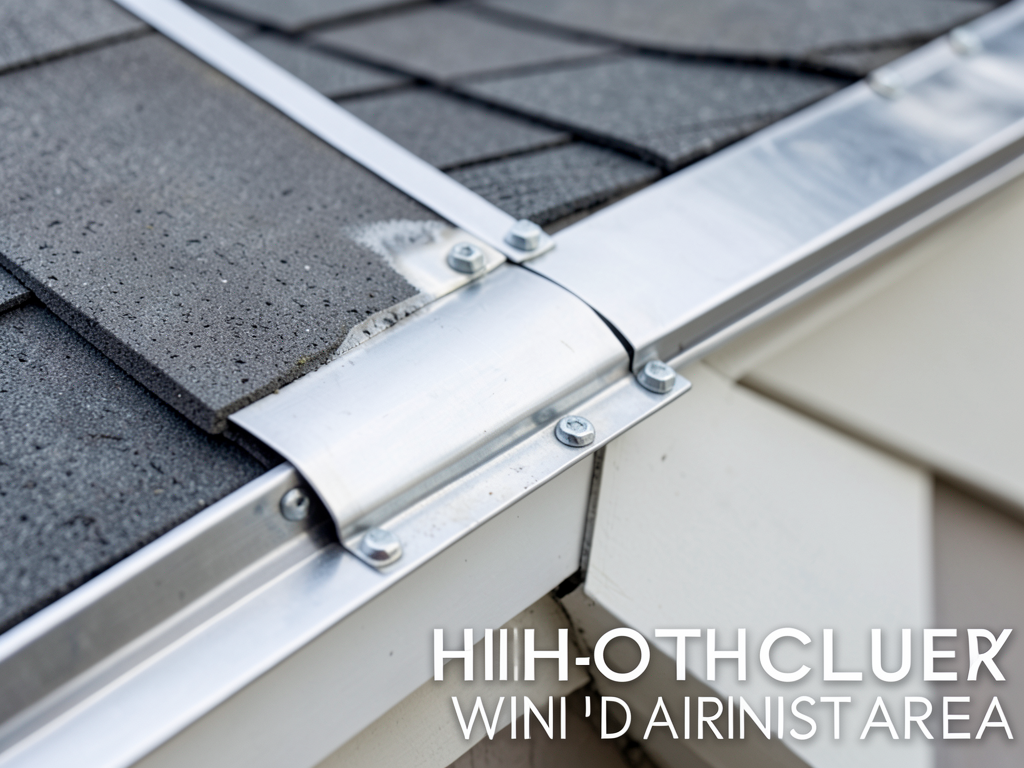
Metal edge flashing requires stainless steel fasteners and continuous cleats rather than individual clips. This prevents the fluttering that leads to fastener withdrawal in high winds. Copper or painted aluminum edging with reinforced corners resists the lifting forces that damage standard aluminum trim.
Starter strip installation proves critical for lakefront applications. Using full-width starter strips with adhesive backing on all edges eliminates the vulnerability at shingle butt joints where wind infiltration begins.
Installation Techniques That Withstand Lake Michigan Storms
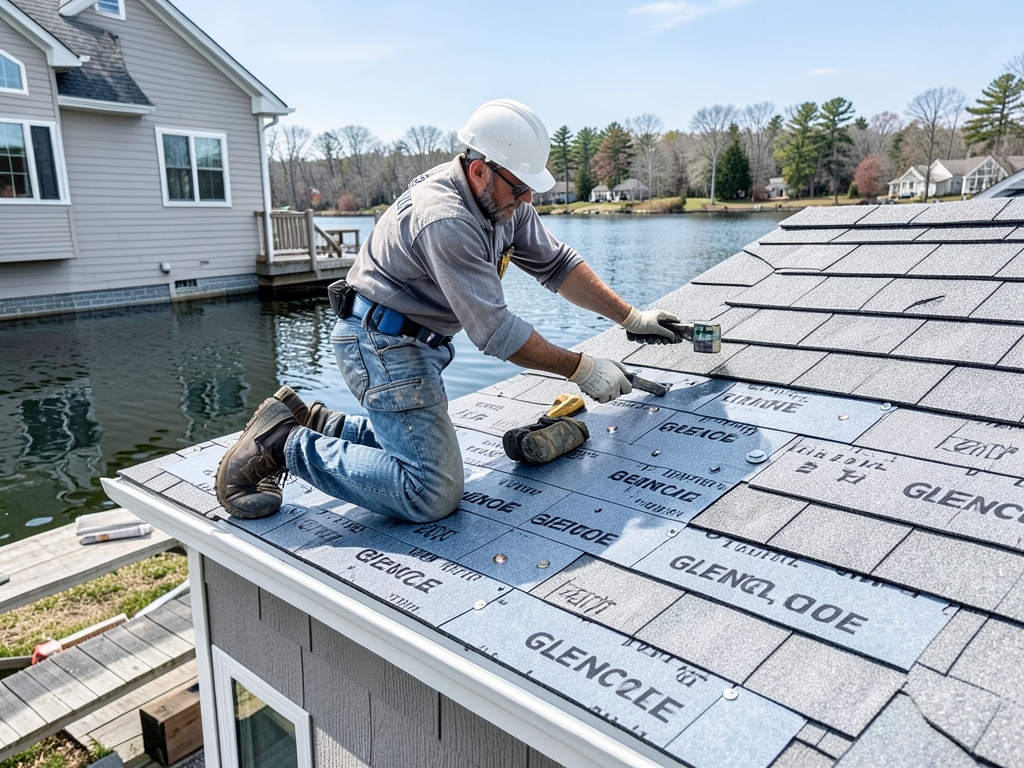
Proper installation separates surviving roofs from failing ones in Glencoe’s wind corridor. The International Building Code requires six nails per shingle in High-Velocity Wind Areas, compared to four nails standard for inland installations. This 50 percent increase in fastener density provides the holding power needed for extreme uplift conditions. International Code Council.
Nail placement must follow specific patterns. Fasteners should penetrate 3/4 inch into roof deck lumber, with no more than 1 inch from shingle edges. Galvanized or stainless steel nails prevent rust staining that weakens holding power over time. Ring-shank nails provide 40 percent more withdrawal resistance than smooth-shank alternatives.
Flashing details require special attention in lakefront applications. Step flashing along walls must extend 4 inches up the wall and 4 inches onto the roof deck. Counterflashing should cover the step flashing by at least 2 inches and terminate in a sealed reglet or mechanical anchor. This prevents wind-driven rain from entering wall cavities.
Ridge cap installation demands premium materials and techniques. Six nails per ridge cap piece, with nails placed 1 inch from each end and 1 inch from side edges, provides maximum resistance to uplift. Premium ridge caps feature polymer-modified asphalt and thicker fiberglass mats than standard options.
Valley construction requires open metal valleys rather than woven or closed-cut methods. The metal valley lining should extend 12 inches from the centerline on each side, providing a path for wind-driven rain to flow off the roof rather than under shingles.
Climate Factors That Accelerate Roof Deterioration
Lake Michigan’s proximity creates unique climate challenges beyond wind. The lake effect moderates temperatures but increases humidity levels by 15 to 20 percent compared to inland areas. This elevated moisture content accelerates algae growth on north-facing roof slopes and promotes wood rot in roof deck components.
Freeze-thaw cycling occurs more frequently near the lake due to temperature moderation. When temperatures hover near freezing, the lake effect causes repeated melting and refreezing that forces ice into microscopic cracks in roofing materials. This process widens cracks over time, leading to material failure. Roofing Forest Park.
Salt spray from lake storms deposits chloride compounds on roofing surfaces. While not as severe as coastal ocean environments, these deposits accelerate metal corrosion and degrade asphalt binders in shingles. Copper and stainless steel components resist this corrosion better than aluminum or galvanized steel.
UV exposure patterns differ along the lakefront due to reflective properties of water. South-facing slopes receive additional radiation from reflected sunlight, increasing thermal cycling stress on roofing materials. This causes accelerated aging of asphalt binders and premature loss of granule adhesion.
Heavy snow loads from lake-effect storms create additional stress on roof structures. The wet, dense snow characteristic of lake-effect events weighs 30 to 40 percent more than typical continental snow. This increased load requires proper structural assessment before installing new roofing systems.
Maintenance Requirements for Lakefront Roof Longevity
Lakefront roofs require more frequent maintenance than inland properties. Annual inspections should occur in late spring after winter storms have passed. This timing allows identification of damage before summer storm season begins. Inspections should include both ground-level observation and ladder access to roof edges.
Debris removal becomes critical in wooded lakefront areas. Leaves and pine needles trap moisture against roofing materials, accelerating deterioration. Twice-yearly cleaning prevents organic material buildup that promotes algae growth and wood rot. Special attention should focus on valleys and areas around roof penetrations.
Gutter maintenance requires more frequent attention near the lake. Wind-driven debris accumulates faster in lakefront locations, causing overflow that damages fascia boards and creates ice dam conditions in winter. Gutter cleaning should occur quarterly, with additional cleaning after major storms.
Flashing and sealant inspection identifies potential failure points before water intrusion occurs. Sealants around chimneys, vents, and skylights should be checked annually for cracking or separation. Silicone-based sealants provide better flexibility and UV resistance than acrylic latex products for lakefront applications.
Algae and moss growth requires treatment in shaded areas. Zinc or copper strips installed near ridge lines release metal ions that inhibit organic growth. For existing growth, oxygen bleach solutions clean without damaging roofing materials, unlike chlorine bleach which can accelerate shingle deterioration.
Building Code Requirements for Glencoe Lakefront Roofing
The Village of Glencoe enforces strict building codes for lakefront properties. The local ordinance requires Class H wind uplift ratings for all structures within 1,000 feet of Lake Michigan. This exceeds the standard Class F requirements used throughout Cook County.
Illinois Building Code Section 1504.1.11 mandates enhanced fastening requirements for High-Velocity Wind Areas. The code specifies minimum nail penetration depths, fastener spacing patterns, and material ratings based on basic wind speed maps. Glencoe’s location in the 120 mph wind speed zone triggers these enhanced requirements.
Underlayment requirements in Glencoe exceed standard practices. The code requires two layers of ASTM D226 or ASTM D226 Type II underlayment in High-Velocity Wind Areas. The first layer installs horizontally with 4-inch overlaps, while the second layer installs vertically with 6-inch overlaps, creating a shingled effect.
Ice and water shield requirements extend beyond standard practices in Glencoe. The code mandates ice barrier application on all eaves, valleys, and roof penetrations. This self-adhering membrane prevents water infiltration from ice damming, a common issue in the North Shore’s freeze-thaw climate.
Permit requirements include engineered drawings for roof replacements in lakefront zones. The Village Building Department reviews plans for compliance with wind uplift requirements, fastener patterns, and material specifications. Inspections occur at multiple stages, including underlayment installation and final completion.
Cost Considerations for High-Performance Lakefront Roofing
High-performance lakefront roofing systems cost 30 to 50 percent more than standard installations. The premium reflects specialized materials, enhanced installation techniques, and increased labor requirements. However, the investment often pays for itself through extended roof life and reduced maintenance costs.
Material costs for Class H rated shingles run $120 to $180 per square compared to $80 to $120 for standard architectural shingles. The premium materials feature polymer-modified asphalt, reinforced fiberglass mats, and enhanced granule adhesion that resist the harsh lakefront environment.
Labor costs increase due to specialized installation requirements. Six-nail fastening patterns require more time than standard four-nail methods. Enhanced flashing details and additional underlayment layers add 20 to 30 percent to installation time. Skilled crews familiar with high-wind applications command premium wages.
Long-term cost savings offset initial premiums. High-performance systems typically last 25 to 30 years versus 15 to 20 years for standard installations in lakefront environments. The extended service life means fewer replacement cycles and lower lifetime ownership costs.
Insurance premium reductions often accompany high-performance installations. Many insurers offer 5 to 10 percent discounts for Class H rated roofing systems in High-Velocity Wind Areas. These savings accumulate over the system’s life, further improving the return on investment.
Choosing the Right Contractor for Lakefront Projects
Lakefront roofing requires specialized expertise that many general contractors lack. The right contractor demonstrates specific experience with High-Velocity Wind Area installations, proper licensing for Cook County work, and knowledge of local building codes.
Verification of credentials proves essential. Contractors should carry Illinois roofing licenses, liability insurance with adequate coverage limits, and workers’ compensation insurance. Ask for proof of coverage and verify license status with the Illinois Department of Financial and Professional Regulation. Extending the Life of Your Flat Roof in Hyde Park with Professional Coating.
Experience with lakefront projects provides valuable insight. Request references from Glencoe or similar North Shore properties. Contact previous clients to discuss their experiences with wind resistance, material performance, and contractor communication throughout the project.
Detailed proposals separate quality contractors from low-cost bidders. Professional proposals include material specifications, installation methods, fastening patterns, and warranty information. Avoid contractors who provide vague descriptions or refuse to specify materials by brand and model number.
Warranty considerations extend beyond manufacturer coverage. Quality contractors offer workmanship warranties of at least five years, covering installation errors that could lead to premature failure. Some provide enhanced warranties of up to 10 years for high-wind applications.
Warning Signs Your Lakefront Roof Needs Attention
Early detection prevents catastrophic failure in lakefront roofing systems. Missing or damaged ridge caps often indicate wind damage that will progress to field shingles if unaddressed. Check ridge lines after severe storms for displaced or cracked cap shingles.
Curling or clawing shingles signal material deterioration accelerated by UV exposure and thermal cycling. These deformations reduce wind resistance and allow water infiltration. Replace affected shingles promptly to prevent underlayment damage and wood rot in roof deck components.
Granule loss in gutters indicates advancing shingle age. While some granule loss occurs naturally, excessive accumulation suggests binder degradation accelerated by lakefront conditions. Bald spots on shingles expose asphalt to UV radiation, accelerating deterioration.
Water stains on ceilings or walls indicate active leaks that require immediate attention. In lakefront homes, leaks often originate at flashing details or ridge caps compromised by wind uplift. Delay increases repair costs and interior damage potential.
Flashing separation at chimneys, vents, or walls creates water infiltration points. Check these details annually for sealant deterioration or mechanical separation. Re-seal or replace damaged flashing before water enters wall cavities or attic spaces.
Future Trends in Lakefront Roofing Technology
Emerging technologies promise enhanced protection for lakefront properties. Impact-resistant shingles with polymer-modified asphalt cores resist both wind uplift and hail damage. These materials maintain flexibility in extreme temperatures while providing superior granule adhesion.
Synthetic roofing materials offer alternatives to traditional asphalt. Polymer-based products mimic slate or cedar shake appearance while providing superior wind resistance and lighter weight. These materials resist algae growth and UV degradation better than organic-based products.
Smart roofing systems integrate sensors that monitor wind uplift forces and material stress. These systems alert homeowners to developing problems before catastrophic failure occurs. Some systems connect to weather data to predict high-risk conditions and recommend preventive actions.
Cool roofing technologies reduce thermal cycling stress in lakefront applications. Reflective coatings and light-colored materials lower roof surface temperatures by 50 to 60 degrees Fahrenheit, reducing expansion-contraction cycles that cause material fatigue.
Solar integration becomes more feasible with enhanced mounting systems designed for high-wind areas. These systems use reinforced racking and specialized fasteners that meet High-Velocity Wind Area requirements while supporting photovoltaic panels.
Frequently Asked Questions
How much wind can a properly installed lakefront roof withstand?
A properly installed Class H rated roof in Glencoe can withstand winds up to 150 mph when installed according to manufacturer specifications and local building codes. This includes enhanced fastening patterns, premium materials, and proper flashing details.
How often should I inspect my lakefront roof?
Lakefront roofs require annual inspections in late spring, with additional checks after severe storms. Quarterly gutter cleaning and biannual debris removal help prevent moisture-related deterioration common in lakefront environments.
Are metal roofs better for lakefront homes?
Metal roofs offer excellent wind resistance and longevity for lakefront applications. Standing seam metal systems with proper fastening can withstand winds exceeding 150 mph. However, they cost 50 to 100 percent more than premium asphalt systems and require specialized installation expertise.
What causes the most damage to lakefront roofs?
Wind uplift causes the most immediate damage, followed by UV degradation and thermal cycling. Freeze-thaw cycles, algae growth, and salt spray contribute to long-term deterioration. Proper material selection and installation techniques address all these factors.
How long should a lakefront roof last?
High-performance lakefront roofing systems typically last 25 to 30 years when properly installed and maintained. Standard installations in the same environment often fail after 15 to 20 years due to accelerated deterioration from wind, UV exposure, and moisture.
Protecting your Glencoe lakefront home requires specialized knowledge and materials designed for extreme wind conditions. The investment in proper roofing systems pays dividends through extended service life, reduced maintenance costs, and enhanced property protection.
Don’t wait for the next severe storm to discover your roof’s vulnerabilities. Call (773) 599-7055 today to schedule your comprehensive lakefront roof inspection. Our experts understand the unique challenges of Glencoe’s wind corridor and can recommend solutions that provide lasting protection for your home.
Pick up the phone and call (773) 599-7055 before the next storm hits. Your home deserves the specialized protection that only experienced lakefront roofing professionals can provide.
- Schedule Professional Inspection
Contact a licensed roofing contractor with lakefront experience for comprehensive assessment of your current roof condition and wind vulnerability.
- Upgrade to Class H Materials
Install wind-rated shingles and underlayment systems designed for High-Velocity Wind Areas, exceeding standard inland requirements by 20 to 30 percent.
- Enhance Fastening Patterns
Implement six-nail fastening patterns and stainless steel fasteners that provide 50 percent more holding power than standard four-nail installations.
- Improve Flashing Details
Install enhanced flashing systems with continuous cleats and extended coverage that prevent wind-driven rain infiltration at vulnerable roof-wall intersections.
- Establish Maintenance Schedule
Create quarterly cleaning and annual inspection routines that address the accelerated deterioration common in lakefront environments.
{
“@context”: “https://schema.org”,
“@type”: “BlogPosting”,
“headline”: “Why Lakefront Homes in Glencoe Need Extra Protection Against High Winds”,
“description”: “Lakefront homes in Glencoe face extreme wind uplift and storm damage. Learn why specialized roofing materials and installation methods are critical for North Shore protection.”,
“wordCount”: 2681,
“datePublished”: “2026-04-09T10:04:00.000Z”,
“dateModified”: “2026-04-09T10:04:00.000Z”,
“inLanguage”: “en-US”,
“mainEntityOfPage”: {
“@type”: “WebPage”,
“@id”: “https://patriotroofingchicago.com”
},
“publisher”: {
“@type”: “LocalBusiness”,
“name”: “Patriot Roofing Chicago”,
“url”: “https://patriotroofingchicago.com”
},
“author”: {
“@type”: “Organization”,
“name”: “Patriot Roofing Chicago”,
“url”: “https://patriotroofingchicago.com”
},
“image”: {
“@type”: “ImageObject”,
“url”: “https://patriotroofingchicago.com/wp-content/uploads/2026/03/why-lakefront-homes-in-glencoe-need-extra-protecti-1.png”
}
}
{
“@context”: “https://schema.org”,
“@type”: “RoofingContractor”,
“name”: “Patriot Roofing Chicago”,
“url”: “https://patriotroofingchicago.com”,
“address”: {
“@type”: “PostalAddress”,
“addressLocality”: “Chicago”
},
“areaServed”: {
“@type”: “City”,
“name”: “Chicago”
}
}
{
“@context”: “https://schema.org”,
“@type”: “FAQPage”,
“mainEntity”: [
{
“@type”: “Question”,
“name”: “How much wind can a properly installed lakefront roof withstand?”,
“acceptedAnswer”: {
“@type”: “Answer”,
“text”: “A properly installed Class H rated roof in Glencoe can withstand winds up to 150 mph when installed according to manufacturer specifications and local building codes. This includes enhanced fastening patterns, premium materials, and proper flashing details.”
}
},
{
“@type”: “Question”,
“name”: “How often should I inspect my lakefront roof?”,
“acceptedAnswer”: {
“@type”: “Answer”,
“text”: “Lakefront roofs require annual inspections in late spring, with additional checks after severe storms. Quarterly gutter cleaning and biannual debris removal help prevent moisture-related deterioration common in lakefront environments.”
}
},
{
“@type”: “Question”,
“name”: “Are metal roofs better for lakefront homes?”,
“acceptedAnswer”: {
“@type”: “Answer”,
“text”: “Metal roofs offer excellent wind resistance and longevity for lakefront applications. Standing seam metal systems with proper fastening can withstand winds exceeding 150 mph. However, they cost 50 to 100 percent more than premium asphalt systems and require specialized installation expertise.”
}
},
{
“@type”: “Question”,
“name”: “What causes the most damage to lakefront roofs?”,
“acceptedAnswer”: {
“@type”: “Answer”,
“text”: “Wind uplift causes the most immediate damage, followed by UV degradation and thermal cycling. Freeze-thaw cycles, algae growth, and salt spray contribute to long-term deterioration. Proper material selection and installation techniques address all these factors.”
}
},
{
“@type”: “Question”,
“name”: “How long should a lakefront roof last?”,
“acceptedAnswer”: {
“@type”: “Answer”,
“text”: “High-performance lakefront roofing systems typically last 25 to 30 years when properly installed and maintained. Standard installations in the same environment often fail after 15 to 20 years due to accelerated deterioration from wind, UV exposure, and moisture.”
}
}
]
}
{
“@context”: “https://schema.org”,
“@type”: “HowTo”,
“name”: “How to Protect Your Lakefront Roof”,
“step”: [
{
“@type”: “HowToStep”,
“position”: 1,
“name”: “Schedule Professional Inspection”,
“text”: “Contact a licensed roofing contractor with lakefront experience for comprehensive assessment of your current roof condition and wind vulnerability.”
},
{
“@type”: “HowToStep”,
“position”: 2,
“name”: “Upgrade to Class H Materials”,
“text”: “Install wind-rated shingles and underlayment systems designed for High-Velocity Wind Areas, exceeding standard inland requirements by 20 to 30 percent.”
},
{
“@type”: “HowToStep”,
“position”: 3,
“name”: “Enhance Fastening Patterns”,
“text”: “Implement six-nail fastening patterns and stainless steel fasteners that provide 50 percent more holding power than standard four-nail installations.”
},
{
“@type”: “HowToStep”,
“position”: 4,
“name”: “Improve Flashing Details”,
“text”: “Install enhanced flashing systems with continuous cleats and extended coverage that prevent wind-driven rain infiltration at vulnerable roof-wall intersections.”
},
{
“@type”: “HowToStep”,
“position”: 5,
“name”: “Establish Maintenance Schedule”,
“text”: “Create quarterly cleaning and annual inspection routines that address the accelerated deterioration common in lakefront environments.”
}
],
“image”: “https://patriotroofingchicago.com/wp-content/uploads/2026/03/why-lakefront-homes-in-glencoe-need-extra-protecti-1.png”
}
{
“@context”: “https://schema.org”,
“@type”: “BreadcrumbList”,
“itemListElement”: [
{
“@type”: “ListItem”,
“position”: 1,
“name”: “Home”,
“item”: “https://patriotroofingchicago.com”
},
{
“@type”: “ListItem”,
“position”: 2,
“name”: “Blog”,
“item”: “https://patriotroofingchicago.com/blog”
},
{
“@type”: “ListItem”,
“position”: 3,
“name”: “Why Lakefront Homes in Glencoe Need Extra Protection Against High Winds”
}
]
}
{
“@context”: “https://schema.org”,
“@type”: “Service”,
“serviceType”: “Roofing”,
“provider”: {
“@type”: “LocalBusiness”,
“name”: “Patriot Roofing Chicago”,
“url”: “https://patriotroofingchicago.com”
},
“areaServed”: {
“@type”: “City”,
“name”: “Chicago”
},
“description”: “Lakefront homes in Glencoe face extreme wind uplift and storm damage. Learn why specialized roofing materials and installation methods are critical for North Shore protection.”
}