
Why Industrial Roofing Standards Benefit Mixed-Use Buildings in West Town
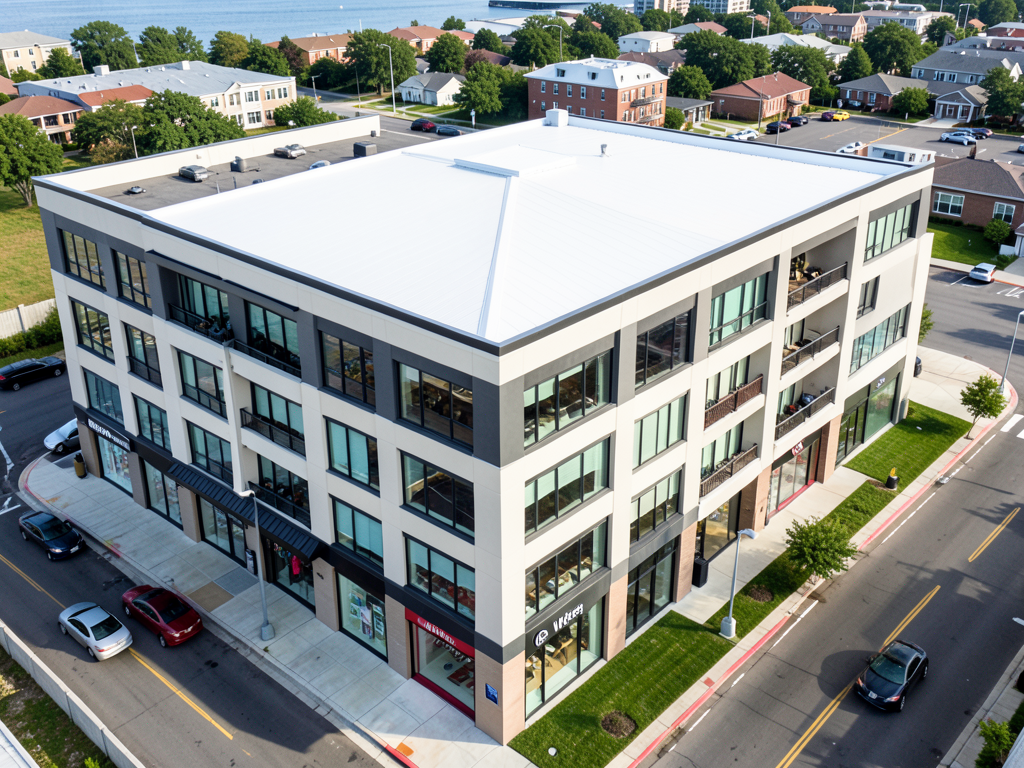
Mixed-use buildings in West Town face unique challenges that require industrial-grade roofing solutions. The combination of commercial retail spaces on the ground floor and residential units above creates a complex environment where durability, noise control, and energy efficiency must work together seamlessly. Industrial roofing standards provide the framework for addressing these challenges while ensuring compliance with Chicago’s strict building codes and energy ordinances. Roofing Berwyn.
Chicago’s mixed-use developments in neighborhoods like West Town, Wicker Park, and Bucktown are experiencing rapid growth. These buildings must withstand the city’s harsh climate conditions, including heavy snow loads, freeze-thaw cycles, and high winds, while also meeting the specific needs of both commercial tenants and residential occupants. Industrial roofing standards offer proven solutions that protect property investments and create comfortable living and working environments. Roofing Forest Park.
The implementation of industrial roofing standards in mixed-use buildings delivers measurable benefits in terms of longevity, energy performance, and maintenance costs. These standards address critical factors such as wind uplift resistance, thermal insulation requirements, and waterproofing systems that are essential for the demanding conditions found in Chicago’s urban environment. By following these established guidelines, property owners can avoid costly repairs and ensure their buildings meet all regulatory requirements.
Key Benefits of Industrial Roofing Standards for Mixed-Use Properties
Industrial roofing standards provide multiple advantages for mixed-use buildings in West Town. These benefits extend beyond basic weather protection to include energy efficiency, noise reduction, and long-term cost savings. Understanding these advantages helps property owners make informed decisions about their roofing investments.
Enhanced Durability and Weather Resistance
Industrial roofing systems are engineered to withstand extreme weather conditions that are common in Chicago. The materials and installation methods used in these systems provide superior resistance to wind uplift, which is particularly important in West Town where buildings are often exposed to strong gusts from Lake Michigan. According to the Chicago Building Code, commercial and mixed-use buildings must meet specific wind uplift ratings that exceed residential requirements.
The freeze-thaw cycles that occur throughout Chicago winters create significant stress on roofing systems. Industrial standards require materials that can expand and contract without cracking or developing leaks. This is especially critical for mixed-use buildings where water infiltration could damage both retail merchandise and residential property. The use of reinforced membranes and proper flashing techniques prevents the formation of ice dams that commonly cause roof failures in older buildings.
Industrial roofing systems also incorporate fire-resistant materials that meet or exceed Chicago’s fire safety requirements for commercial structures. This is particularly important for mixed-use buildings where retail spaces may contain flammable materials or equipment that could pose risks to residential occupants above.
Energy Efficiency and Cost Savings
Chicago’s energy efficiency ordinances, including the Cool Roof Ordinance, require commercial and mixed-use buildings to meet specific thermal performance standards. Industrial roofing systems are designed to comply with these regulations while maximizing energy savings. The use of high-performance insulation and reflective roof coatings can reduce heating and cooling costs by up to 30% compared to standard roofing materials.
The thermal performance of industrial roofing systems is measured using R-value ratings, which indicate the material’s resistance to heat flow. Chicago’s building codes require minimum R-values that vary based on the building’s use and location. For mixed-use buildings in West Town, industrial standards typically recommend R-values between R-20 and R-30 for the roof assembly, depending on the specific application and energy goals.
Energy modeling studies show that buildings with industrial-grade roofing systems maintain more consistent indoor temperatures, reducing the load on HVAC systems. This is particularly beneficial for mixed-use properties where commercial tenants may have different temperature requirements than residential occupants. The improved thermal performance also helps prevent condensation issues that can lead to mold growth and structural damage.
Noise Reduction and Tenant Comfort
Industrial roofing standards include specifications for sound attenuation that are essential for mixed-use buildings. The combination of commercial activity below and residential living above requires careful attention to noise control. Industrial systems incorporate multiple layers of sound-dampening materials that can reduce noise transmission by up to 50 decibels compared to standard roofing assemblies.
The acoustic performance of industrial roofing systems is measured using Sound Transmission Class (STC) ratings. Chicago’s building codes require specific STC ratings for mixed-use developments, with higher ratings needed for buildings located near major transportation corridors or entertainment districts. Industrial standards typically recommend STC ratings of 50 or higher for mixed-use applications. Class 4 Impact Resistant Shingles.
Beyond basic noise reduction, industrial roofing systems can incorporate specialized features such as green roof components or rooftop amenity spaces that enhance tenant satisfaction. These features must be designed to handle additional loads while maintaining the building’s structural integrity and meeting all safety requirements.
Recommended Roofing Systems for Chicago Mixed-Use Properties
Selecting the right roofing system for a mixed-use building requires careful consideration of the specific requirements for both commercial and residential components. Industrial standards provide guidance on material selection, installation methods, and performance criteria that ensure optimal results for these complex structures.
TPO Roofing Systems
Thermoplastic Polyolefin (TPO) roofing systems are among the most popular choices for mixed-use buildings in Chicago. These single-ply membrane systems offer excellent durability, energy efficiency, and cost-effectiveness. TPO membranes are available in white or light gray colors that reflect solar radiation, helping buildings comply with Chicago’s Cool Roof requirements.
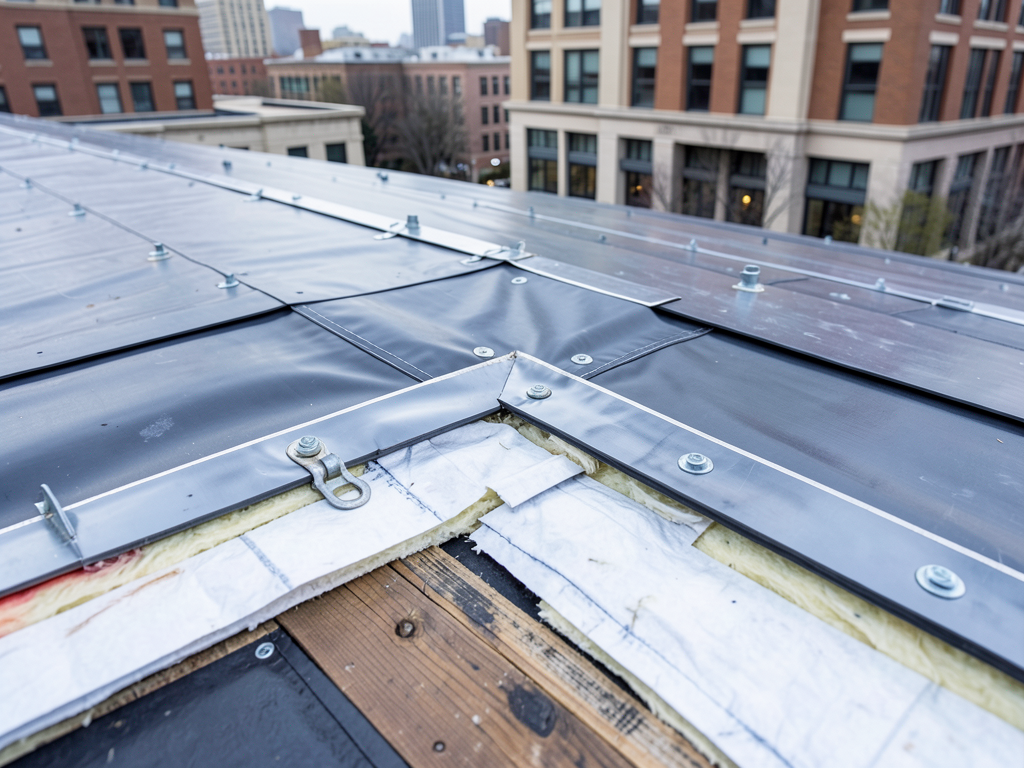
Industrial TPO systems typically include reinforced membranes with thicknesses ranging from 45 to 80 mils, depending on the specific application and wind uplift requirements. The installation process follows strict industrial standards that ensure proper seam welding, edge termination, and flashing details. These systems can achieve wind uplift ratings of up to 240 pounds per square foot when properly installed.
The energy performance of TPO systems is particularly impressive, with Solar Reflectance Index (SRI) values often exceeding 100 for white membranes. This high reflectivity reduces heat absorption during summer months, lowering cooling costs for both commercial and residential tenants. The material’s resistance to UV radiation and chemical exposure also makes it ideal for buildings with rooftop HVAC equipment or exhaust systems.
EPDM Roofing Systems
Ethylene Propylene Diene Monomer (EPDM) roofing systems offer excellent performance for mixed-use applications, particularly in situations where budget constraints are a primary concern. These rubber membrane systems provide superior flexibility and weather resistance, making them well-suited for Chicago’s climate extremes.
Industrial EPDM systems use fully adhered or mechanically attached installation methods that provide reliable waterproofing even in high-wind conditions. The material’s natural dark color absorbs heat during winter months, potentially reducing heating costs for buildings in West Town’s urban environment. However, white EPDM options are available for projects requiring higher solar reflectance.
The durability of EPDM systems is demonstrated by their ability to withstand temperatures ranging from -40°F to 180°F without cracking or becoming brittle. This temperature resistance is crucial for Chicago’s freeze-thaw cycles and the thermal cycling that occurs in mixed-use buildings with varying occupancy patterns throughout the day.
Modified Bitumen Systems
Modified bitumen roofing systems provide excellent performance for mixed-use buildings that require additional durability or have specific architectural requirements. These multi-ply systems offer superior puncture resistance and can accommodate heavy foot traffic, making them ideal for buildings with rooftop access or amenity spaces.
Industrial modified bitumen systems typically consist of two or three layers of reinforced sheets that are either torch-applied or cold-applied using adhesives. The multiple-layer construction provides redundancy that enhances the system’s overall reliability. These systems can achieve Class A fire ratings and meet all Chicago building code requirements for commercial structures.
The flexibility of modified bitumen systems allows for the integration of various surfacing options, including mineral granules, aluminum coatings, or aggregate surfacing. This versatility enables property owners to customize the system’s appearance and performance characteristics while maintaining compliance with industrial standards and local regulations.
Navigating Chicago Building Codes and Energy Efficiency Ordinances
Chicago’s building codes and energy efficiency ordinances create a complex regulatory environment that requires careful navigation when selecting and installing roofing systems for mixed-use buildings. Industrial standards provide the framework for ensuring compliance while optimizing building performance.
Chicago Building Code Title 14 Compliance
Chicago’s Building Code Title 14 establishes specific requirements for commercial and mixed-use buildings that exceed those for purely residential structures. These requirements cover everything from material specifications to installation methods and safety protocols. Industrial roofing standards align with these requirements while often exceeding the minimum thresholds to ensure optimal performance.
The code requires detailed engineering calculations for wind uplift resistance, particularly for buildings in West Town where wind patterns can create significant pressure differentials. Industrial standards provide the methodology for these calculations, including factors for building height, roof slope, and surrounding terrain. The resulting wind uplift ratings determine the specific attachment requirements and material thicknesses needed for each project.
Fire safety is another critical aspect of Title 14 compliance. Industrial roofing systems must achieve specific Class A fire ratings and incorporate proper fire stopping details at parapets and other roof penetrations. The code also requires documentation of material fire ratings and installation methods to ensure that the completed system meets all safety requirements.
Energy Efficiency and Cool Roof Requirements
Chicago’s Energy Conservation Code and Cool Roof Ordinance establish minimum performance standards for roofing systems in commercial and mixed-use buildings. These regulations are designed to reduce the urban heat island effect and improve overall energy efficiency throughout the city. Industrial roofing standards provide the technical basis for meeting these requirements while optimizing building performance.
The Cool Roof Ordinance requires new roofs or roof replacements on commercial buildings to meet specific Solar Reflectance Index (SRI) values. For most mixed-use buildings in West Town, this means using roofing materials with SRI values of at least 78 for low-sloped roofs. Industrial standards guide the selection of materials and coatings that achieve these ratings while maintaining durability and weather resistance.
Beyond the Cool Roof requirements, the Energy Conservation Code establishes minimum R-value requirements for roof assemblies based on the building’s use and location. For mixed-use buildings in Chicago, these requirements typically range from R-20 to R-30, depending on factors such as building height and occupancy type. Industrial standards provide detailed guidance on insulation selection, installation methods, and thermal bridging prevention to ensure compliance with these requirements.
Permitting and Inspection Requirements
Obtaining the necessary permits for roofing work on mixed-use buildings in West Town involves navigating a complex process that includes multiple city departments and agencies. Industrial roofing standards provide the documentation and quality control measures needed to streamline this process and ensure successful inspections.
The Chicago Department of Buildings requires detailed permit applications that include engineering calculations, material specifications, and installation plans. Industrial standards provide standardized documentation formats that meet these requirements while ensuring that all critical information is included. This documentation typically includes wind uplift calculations, fire safety details, and energy performance data.
During the construction phase, multiple inspections are required to verify compliance with building codes and permit conditions. Industrial roofing systems incorporate quality control measures such as material testing, seam strength verification, and moisture detection that facilitate these inspections. The use of certified installers who follow industrial standards also helps ensure that the completed system meets all regulatory requirements.
Case Studies: Mixed-Use Roofing Projects in West Town
Examining successful mixed-use roofing projects in West Town provides valuable insights into the practical application of industrial standards and the benefits they deliver. These case studies demonstrate how proper planning, material selection, and installation techniques can create durable, efficient roofing systems that meet the needs of both commercial and residential tenants.
Damen Avenue Mixed-Use Development
A recent mixed-use project on Damen Avenue in West Town showcases the successful implementation of industrial roofing standards for a complex building program. The three-story structure includes ground-floor retail spaces, second-floor office areas, and third-floor residential units. The roofing system needed to address multiple challenges, including high wind exposure, energy efficiency requirements, and noise control between different occupancy types.
The project team selected a TPO roofing system with 60-mil reinforced membranes and high-density polyisocyanurate insulation achieving an R-value of 25. The system incorporated wind uplift engineering that exceeded Chicago’s minimum requirements by 20%, providing additional protection against the strong winds that funnel through the nearby Chicago Avenue corridor. The white TPO membrane achieved an SRI value of 104, exceeding the Cool Roof Ordinance requirements.
Noise control was addressed through the installation of a multi-layer sound attenuation system that included a gypsum-based underlayment and specialized isolation materials. Post-installation testing confirmed that the system achieved an STC rating of 52, significantly reducing noise transmission between the commercial and residential spaces. The project received positive feedback from both retail tenants and residents regarding the building’s comfort and energy performance.
North Avenue Corridor Renovation
A historic mixed-use building on North Avenue underwent a comprehensive roofing renovation that demonstrates how industrial standards can be applied to preserve architectural character while improving performance. The building, constructed in the 1920s, features a flat roof with decorative parapet walls that required careful restoration to maintain its historic appearance.
The renovation project used a modified bitumen roofing system with a granulated surface that closely matched the original roofing material’s appearance. However, the system incorporated modern industrial standards, including a self-adhering base sheet, reinforced cap sheets, and improved flashing details that addressed long-standing leak issues. The total roof assembly achieved an R-value of 22, significantly improving the building’s energy efficiency.
Special attention was given to the parapet walls, which required masonry repair and the installation of proper coping caps to prevent water infiltration. The project also included the installation of a green roof section on a portion of the roof, providing amenity space for residents while contributing to the building’s stormwater management and energy performance. The renovation successfully balanced historic preservation requirements with modern performance standards.
Why Property Managers Choose Industrial Standards for Mixed-Use Projects
Property managers and building owners in West Town consistently choose industrial roofing standards for their mixed-use projects due to the measurable benefits these systems provide. Understanding the decision-making process and the factors that influence these choices helps explain why industrial standards have become the preferred approach for complex urban developments.
Long-Term Cost Effectiveness
While industrial roofing systems typically require higher initial investments compared to standard residential systems, their long-term cost effectiveness makes them the preferred choice for mixed-use buildings. The extended service life, reduced maintenance requirements, and energy savings provide returns that justify the upfront costs over the building’s operational life.
Industrial roofing systems for mixed-use buildings typically have service lives of 20 to 30 years, compared to 15 to 20 years for standard systems. This extended longevity reduces the frequency of replacement cycles and the associated disruption to tenants. The systems also incorporate features that minimize maintenance requirements, such as reinforced flashings, integrated drainage systems, and durable surface materials that resist UV degradation.
The energy savings achieved through industrial systems provide ongoing financial benefits that compound over time. Buildings with high-performance roofing systems typically see 15% to 30% reductions in heating and cooling costs compared to those with standard systems. For mixed-use buildings where energy costs are shared between commercial and residential tenants, these savings can significantly improve the property’s overall profitability.
Risk Management and Liability Reduction
Property managers choose industrial roofing standards because they provide comprehensive risk management benefits that protect against liability and reduce insurance costs. The systems’ superior performance characteristics minimize the likelihood of failures that could result in property damage, personal injury, or business interruption.
Industrial roofing systems incorporate multiple layers of redundancy that provide backup protection in case of primary system failure. This redundancy is particularly important for mixed-use buildings where a roof leak could damage both commercial inventory and residential property. The systems also include detailed documentation of material specifications, installation methods, and quality control testing that can be valuable in insurance claims or legal disputes.
Insurance companies often provide premium discounts for buildings with industrial-grade roofing systems due to their reduced risk profiles. These discounts can offset a significant portion of the system’s initial cost over time. Additionally, the systems’ compliance with building codes and industry standards provides protection against liability claims related to code violations or substandard workmanship.
Tenant Satisfaction and Retention
The superior performance of industrial roofing systems contributes to higher tenant satisfaction and retention rates, which are critical factors for the financial success of mixed-use buildings. Both commercial and residential tenants benefit from the systems’ noise reduction, energy efficiency, and reliability, creating a more attractive living and working environment.
Commercial tenants particularly value the protection that industrial roofing systems provide for their merchandise and equipment. The systems’ superior waterproofing and drainage capabilities minimize the risk of water damage that could disrupt business operations or damage valuable inventory. The energy efficiency also helps control operating costs, which is especially important for retail businesses with tight profit margins.
Residential tenants appreciate the comfort and quiet that industrial roofing systems provide. The sound attenuation characteristics create peaceful living environments even in buildings with active commercial spaces below. The systems’ energy efficiency also contributes to more consistent indoor temperatures and lower utility costs, factors that are increasingly important to apartment seekers in competitive urban markets.
Maintenance and Repair Considerations for Mixed-Use Buildings
Proper maintenance is essential for maximizing the performance and longevity of industrial roofing systems in mixed-use buildings. The unique characteristics of these buildings require specialized maintenance approaches that address the needs of both commercial and residential components while ensuring compliance with safety regulations.
Preventative Maintenance Programs
Industrial roofing standards emphasize the importance of preventative maintenance programs that identify and address potential issues before they become major problems. These programs typically include regular inspections, cleaning, and minor repairs that help extend the system’s service life and maintain its performance characteristics.
For mixed-use buildings in West Town, preventative maintenance should be performed at least twice annually, with additional inspections following severe weather events. The inspections should include a comprehensive evaluation of the roof surface, flashings, penetrations, and drainage systems. Industrial standards provide detailed inspection checklists that ensure all critical components are evaluated systematically.
Maintenance activities should be scheduled to minimize disruption to both commercial and residential tenants. This often requires coordination with retail businesses to ensure that maintenance work does not interfere with operating hours or customer traffic. Industrial standards provide guidance on safe access procedures, noise control measures, and debris containment that help facilitate these coordination efforts.
Emergency Repair Protocols
Despite the superior reliability of industrial roofing systems, emergencies can still occur due to severe weather, accidental damage, or material failures. Having established emergency repair protocols is essential for mixed-use buildings where a roof problem could affect multiple tenants and create significant liability risks.
Industrial standards provide guidelines for emergency response procedures that prioritize safety, damage containment, and rapid restoration of building protection. These procedures typically include immediate temporary measures such as tarping or emergency patching, followed by permanent repairs that restore the system’s full performance characteristics.
For mixed-use buildings, emergency response plans should include communication protocols that notify all affected tenants and coordinate access for repair crews. The plans should also address specific requirements for different tenant types, such as the need to protect retail inventory or maintain residential safety during repair operations. Industrial standards provide templates for these emergency response plans that can be customized for specific building configurations.
Documentation and Warranty Management
Maintaining comprehensive documentation of roofing system maintenance and repairs is essential for protecting the building owner’s investment and ensuring warranty compliance. Industrial roofing standards emphasize the importance of detailed record-keeping that tracks system performance, maintenance activities, and repair history.
Documentation should include material specifications, installation details, inspection reports, and repair records that provide a complete history of the roofing system’s performance. This documentation is valuable for warranty claims, insurance purposes, and future maintenance planning. Industrial standards provide recommended documentation formats that ensure all critical information is captured systematically.
Warranty management is particularly important for mixed-use buildings where the roofing system represents a significant capital investment. Industrial systems typically come with comprehensive warranties that cover material defects, installation errors, and performance guarantees. Understanding the specific terms and conditions of these warranties, including required maintenance procedures and inspection schedules, is essential for maintaining warranty coverage.
Future Trends in Mixed-Use Roofing Technology
The roofing industry continues to evolve with new technologies and materials that offer enhanced performance for mixed-use buildings. Understanding these emerging trends helps property owners and managers make informed decisions about future roofing investments and stay ahead of regulatory changes that may affect their buildings.
Smart Roofing Systems
Smart roofing technology is transforming how building owners monitor and manage their roofing systems. These advanced systems incorporate sensors and monitoring equipment that provide real-time data on roof conditions, including moisture levels, temperature variations, and structural stresses. For mixed-use buildings, this technology offers unprecedented visibility into system performance and early warning of potential problems.
Industrial standards are evolving to incorporate smart technology requirements, including specifications for sensor placement, data collection protocols, and integration with building management systems. These standards ensure that smart roofing systems provide reliable, actionable information while maintaining compatibility with existing building infrastructure and safety systems.
The data collected by smart roofing systems can be used to optimize maintenance schedules, predict potential failures, and verify system performance against design specifications. For mixed-use buildings, this information can help property managers balance the needs of different tenant types while maximizing system efficiency and longevity.
Sustainable and Green Roofing Solutions
Sustainability continues to be a major focus in roofing technology, with new materials and systems offering improved environmental performance for mixed-use buildings. Industrial standards are incorporating sustainability criteria that address factors such as recycled content, embodied energy, and end-of-life recyclability while maintaining the performance characteristics required for commercial applications.
Green roofing systems, including extensive and intensive vegetative roofs, are becoming increasingly popular for mixed-use buildings in urban areas like West Town. These systems provide multiple benefits, including stormwater management, urban heat island mitigation, and amenity space for residents. Industrial standards provide detailed guidance on the structural requirements, waterproofing details, and maintenance procedures needed to ensure the long-term success of these systems.
Solar roofing integration is another emerging trend that combines energy generation with traditional roofing functions. Industrial standards are evolving to address the unique challenges of integrating photovoltaic systems with roofing assemblies, including mounting requirements, electrical safety, and warranty considerations. For mixed-use buildings, these integrated systems can provide renewable energy for both commercial and residential tenants while contributing to sustainability goals.
Frequently Asked Questions
What are the main benefits of using industrial roofing standards for mixed-use buildings in West Town?
Industrial roofing standards provide enhanced durability, improved energy efficiency, superior noise reduction, and better compliance with Chicago building codes for mixed-use buildings. These standards ensure that roofing systems can withstand the city’s harsh climate while meeting the specific needs of both commercial and residential tenants. The result is longer system life, lower operating costs, and improved tenant satisfaction.
How do industrial roofing standards address Chicago’s energy efficiency requirements?
Industrial roofing standards incorporate specific requirements for thermal performance, including minimum R-values and Solar Reflectance Index (SRI) ratings that meet or exceed Chicago’s energy efficiency ordinances. These standards guide the selection of insulation materials, reflective coatings, and installation methods that optimize building energy performance while ensuring compliance with local regulations.
What maintenance is required for industrial roofing systems in mixed-use buildings?
Industrial roofing systems require regular preventative maintenance, including bi-annual inspections, debris removal, and minor repairs. The maintenance schedule should be coordinated to minimize disruption to both commercial and residential tenants. Documentation of all maintenance activities is essential for warranty compliance and long-term system performance tracking.
Are industrial roofing systems more expensive than standard residential systems?
Yes, industrial roofing systems typically have higher initial costs due to superior materials, specialized installation requirements, and compliance with commercial building codes. However, their extended service life, reduced maintenance needs, and energy savings provide better long-term value compared to standard residential systems.
How do I choose the right roofing system for my mixed-use building in West Town?
Selecting the right roofing system requires evaluating factors such as building use, climate conditions, energy efficiency goals, and budget constraints. Industrial standards provide guidance on material selection, but working with experienced commercial roofing contractors who understand Chicago’s specific requirements is essential for making the best choice for your building.
Conclusion
Industrial roofing standards provide the foundation for successful mixed-use building projects in West Town by ensuring durability, energy efficiency, and compliance with Chicago’s strict building codes. These standards address the unique challenges of combining commercial and residential spaces under a single roof while providing long-term cost benefits and improved tenant satisfaction.
The implementation of industrial roofing standards requires careful planning, proper material selection, and experienced installation to achieve optimal results. Property owners who invest in these high-performance systems benefit from extended service life, reduced maintenance costs, and enhanced building value. As West Town continues to develop as a mixed-use neighborhood, the importance of industrial roofing standards will only increase.
Ready to upgrade your mixed-use building with industrial-grade roofing that meets Chicago standards? Call (773) 599-7055 today to schedule your inspection and learn how industrial roofing standards can benefit your property. Don’t wait until problems arise – take proactive steps to protect your investment and ensure your building meets all regulatory requirements.
Pick up the phone and call (773) 599-7055 before the next storm hits. Our experienced team understands the unique requirements of mixed-use buildings in West Town and can provide solutions that deliver lasting performance and value.
- Assess Building Requirements
Evaluate the specific needs of your mixed-use building, including commercial tenant requirements, residential noise control needs, and energy efficiency goals.
- Review Local Codes
Research Chicago building codes and energy efficiency ordinances that apply to your property, including Title 14 requirements and Cool Roof Ordinance compliance.
- Consult with Experts
Work with experienced commercial roofing contractors who understand industrial standards and have experience with mixed-use projects in West Town.
- Evaluate Material Options
Compare different roofing systems such as TPO, EPDM, and modified bitumen based on their performance characteristics and cost-effectiveness for your specific application.
- Plan for Maintenance
Develop a comprehensive maintenance plan that addresses the unique requirements of mixed-use buildings and ensures long-term system performance.
Learn more about preparing your roof for Chicago winters
Discover how professional coatings can extend your roof’s life
Get emergency leak repair guidance
Explore metal roofing benefits for Chicago homes
Learn about solar roofing investment returns
Chicago Department of Buildings
EPA Urban Heat Island Resources
Institute of Inspection Cleaning and Restoration Certification
National Roofing Contractors Association
Energy.gov Roof Insulation Guide
{
“@context”: “https://schema.org”,
“@type”: “BlogPosting”,
“headline”: “Why Industrial Roofing Standards Benefit Mixed-Use Buildings in West Town”,
“description”: “Learn how Chicago’s industrial roofing standards improve durability, energy efficiency, and tenant comfort in West Town’s mixed-use developments. Get expert insights now.”,
“wordCount”: 4403,
“datePublished”: “2026-03-19T16:03:00.000Z”,
“dateModified”: “2026-03-19T16:03:00.000Z”,
“inLanguage”: “en-US”,
“mainEntityOfPage”: {
“@type”: “WebPage”,
“@id”: “https://patriotroofingchicago.com”
},
“publisher”: {
“@type”: “LocalBusiness”,
“name”: “Patriot Roofing Chicago”,
“url”: “https://patriotroofingchicago.com”
},
“author”: {
“@type”: “Organization”,
“name”: “Patriot Roofing Chicago”,
“url”: “https://patriotroofingchicago.com”
},
“image”: {
“@type”: “ImageObject”,
“url”: “https://patriotroofingchicago.com/wp-content/uploads/2026/03/why-industrial-roofing-standards-benefit-mixed-use-1.png”
}
}
{
“@context”: “https://schema.org”,
“@type”: “RoofingContractor”,
“name”: “Patriot Roofing Chicago”,
“url”: “https://patriotroofingchicago.com”,
“address”: {
“@type”: “PostalAddress”,
“addressLocality”: “Chicago”
},
“areaServed”: {
“@type”: “City”,
“name”: “Chicago”
}
}
{
“@context”: “https://schema.org”,
“@type”: “FAQPage”,
“mainEntity”: [
{
“@type”: “Question”,
“name”: “What are the main benefits of using industrial roofing standards for mixed-use buildings in West Town?”,
“acceptedAnswer”: {
“@type”: “Answer”,
“text”: “Industrial roofing standards provide enhanced durability, improved energy efficiency, superior noise reduction, and better compliance with Chicago building codes for mixed-use buildings. These standards ensure that roofing systems can withstand the city’s harsh climate while meeting the specific needs of both commercial and residential tenants. The result is longer system life, lower operating costs, and improved tenant satisfaction.”
}
},
{
“@type”: “Question”,
“name”: “How do industrial roofing standards address Chicago’s energy efficiency requirements?”,
“acceptedAnswer”: {
“@type”: “Answer”,
“text”: “Industrial roofing standards incorporate specific requirements for thermal performance, including minimum R-values and Solar Reflectance Index (SRI) ratings that meet or exceed Chicago’s energy efficiency ordinances. These standards guide the selection of insulation materials, reflective coatings, and installation methods that optimize building energy performance while ensuring compliance with local regulations.”
}
},
{
“@type”: “Question”,
“name”: “What maintenance is required for industrial roofing systems in mixed-use buildings?”,
“acceptedAnswer”: {
“@type”: “Answer”,
“text”: “Industrial roofing systems require regular preventative maintenance, including bi-annual inspections, debris removal, and minor repairs. The maintenance schedule should be coordinated to minimize disruption to both commercial and residential tenants. Documentation of all maintenance activities is essential for warranty compliance and long-term system performance tracking.”
}
},
{
“@type”: “Question”,
“name”: “Are industrial roofing systems more expensive than standard residential systems?”,
“acceptedAnswer”: {
“@type”: “Answer”,
“text”: “Yes, industrial roofing systems typically have higher initial costs due to superior materials, specialized installation requirements, and compliance with commercial building codes. However, their extended service life, reduced maintenance needs, and energy savings provide better long-term value compared to standard residential systems.”
}
},
{
“@type”: “Question”,
“name”: “How do I choose the right roofing system for my mixed-use building in West Town?”,
“acceptedAnswer”: {
“@type”: “Answer”,
“text”: “Selecting the right roofing system requires evaluating factors such as building use, climate conditions, energy efficiency goals, and budget constraints. Industrial standards provide guidance on material selection, but working with experienced commercial roofing contractors who understand Chicago’s specific requirements is essential for making the best choice for your building.”
}
}
]
}
{
“@context”: “https://schema.org”,
“@type”: “HowTo”,
“name”: “How to Select Industrial Roofing for Mixed-Use Buildings”,
“step”: [
{
“@type”: “HowToStep”,
“position”: 1,
“name”: “Assess Building Requirements”,
“text”: “Evaluate the specific needs of your mixed-use building, including commercial tenant requirements, residential noise control needs, and energy efficiency goals.”
},
{
“@type”: “HowToStep”,
“position”: 2,
“name”: “Review Local Codes”,
“text”: “Research Chicago building codes and energy efficiency ordinances that apply to your property, including Title 14 requirements and Cool Roof Ordinance compliance.”
},
{
“@type”: “HowToStep”,
“position”: 3,
“name”: “Consult with Experts”,
“text”: “Work with experienced commercial roofing contractors who understand industrial standards and have experience with mixed-use projects in West Town.”
},
{
“@type”: “HowToStep”,
“position”: 4,
“name”: “Evaluate Material Options”,
“text”: “Compare different roofing systems such as TPO, EPDM, and modified bitumen based on their performance characteristics and cost-effectiveness for your specific application.”
},
{
“@type”: “HowToStep”,
“position”: 5,
“name”: “Plan for Maintenance”,
“text”: “Develop a comprehensive maintenance plan that addresses the unique requirements of mixed-use buildings and ensures long-term system performance.”
}
],
“image”: “https://patriotroofingchicago.com/wp-content/uploads/2026/03/why-industrial-roofing-standards-benefit-mixed-use-1.png”
}
{
“@context”: “https://schema.org”,
“@type”: “BreadcrumbList”,
“itemListElement”: [
{
“@type”: “ListItem”,
“position”: 1,
“name”: “Home”,
“item”: “https://patriotroofingchicago.com”
},
{
“@type”: “ListItem”,
“position”: 2,
“name”: “Blog”,
“item”: “https://patriotroofingchicago.com/blog”
},
{
“@type”: “ListItem”,
“position”: 3,
“name”: “Why Industrial Roofing Standards Benefit Mixed-Use Buildings in West Town”
}
]
}
{
“@context”: “https://schema.org”,
“@type”: “Service”,
“serviceType”: “Roofing”,
“provider”: {
“@type”: “LocalBusiness”,
“name”: “Patriot Roofing Chicago”,
“url”: “https://patriotroofingchicago.com”
},
“areaServed”: {
“@type”: “City”,
“name”: “Chicago”
},
“description”: “Learn how Chicago’s industrial roofing standards improve durability, energy efficiency, and tenant comfort in West Town’s mixed-use developments. Get expert insights now.”
}