
Why DIY Roof Repairs Usually End Up Costing Chicago Homeowners More in the Long Run
Chicago homeowners often consider fixing their own roof to save money. The reality is that DIY roof repairs in the Windy City almost always cost more in the long run. Chicago’s extreme freeze-thaw cycles, high winds, and heavy snow loads create unique roofing challenges that require professional expertise. A small leak can quickly turn into major structural damage if not properly addressed. From voided warranties to building code violations, the risks far outweigh any initial savings. This guide explains the hidden dangers of DIY roof repair in Chicago and why calling a professional is the safest and most cost-effective choice. Chicago Department of Buildings roofing permits.
The Hidden Dangers of DIY Roof Repair in Chicago: What Homeowners Must Know
Chicago’s climate creates roofing problems that generic DIY advice cannot solve. The city’s combination of lake-effect snow, high humidity, and temperature extremes causes materials to expand and contract dramatically. This movement leads to cracked shingles, separated flashing, and compromised underlayment. When homeowners attempt repairs without understanding these local conditions, they often create bigger problems. Improper sealing can trap moisture, leading to rot and mold growth inside walls. Using the wrong materials or techniques can also void manufacturer warranties, leaving you unprotected when real damage occurs. The cost of fixing a failed DIY repair often exceeds what a professional would have charged initially. Extending the Life of Your Flat Roof in Hyde Park with Professional Coating.
Call (773) 599-7055 today to schedule your inspection.
Why Chicago’s Climate Makes DIY Roofing Especially Risky
Chicago’s weather is uniquely harsh on roofing systems. The city experiences an average of 38 inches of snow annually, with temperatures dropping below freezing for nearly 100 days per year. These conditions create ice dams that force water under shingles and into your home. The freeze-thaw cycle causes materials to expand and contract, weakening seals and creating gaps. Chicago’s wind speeds often exceed 30 mph, with gusts reaching 70 mph during storms. These winds can tear poorly secured shingles or flashing. The city’s high humidity levels in summer promote mold and algae growth, which can damage roofing materials if not properly treated. DIY repairs rarely account for all these factors. Is Solar Roofing Worth the Investment for Homes in Evanston?.
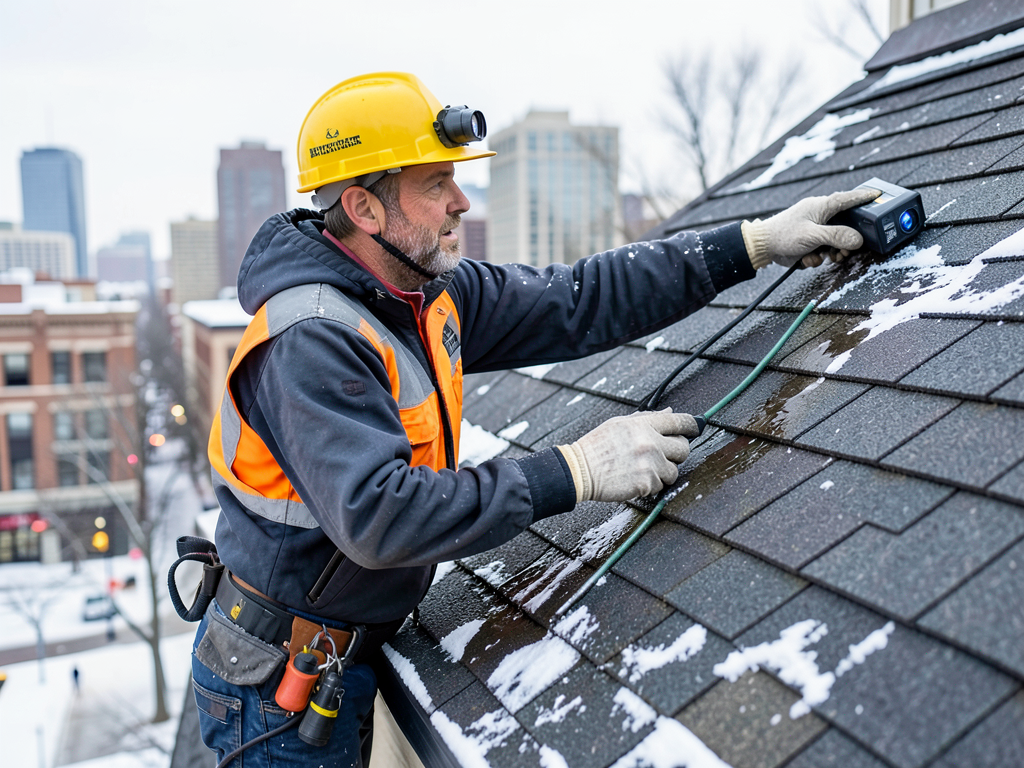
Image: Technician using infrared camera to detect moisture beneath Chicago roof shingles during winter inspection
Top 5 Safety Risks of Self-Roofing Repairs
Roofing is one of the most dangerous DIY projects homeowners can attempt. In Chicago, these risks increase due to steep roof pitches common in older neighborhoods and icy conditions during winter months. Here are the top five safety hazards: Why More Naperville Homeowners are Switching to Metal Roofing This Year.
- Falls from Heights – Chicago’s historic homes often have steep roof pitches that make walking dangerous even for professionals. A single misstep can result in serious injury or death.
- Electrical Hazards – Many Chicago homes have power lines running near roof edges. Contact with live wires can be fatal.
- Improper Ladder Setup – Chicago’s narrow lots and mature tree canopies make proper ladder placement difficult. Unstable ladders cause thousands of injuries annually.
- Exposure to Hazardous Materials – Older Chicago homes may contain asbestos in roofing materials. Disturbing these materials releases dangerous fibers.
- Weather-Related Accidents – Sudden storms and high winds in Chicago can trap DIYers on roofs, creating emergency situations.
Professional roofers use OSHA-approved fall protection systems and have insurance coverage for accidents. DIYers typically lack both. OSHA roofing safety guidelines.
Financial Pitfalls: How DIY Can Void Your Homeowner’s Insurance
Many Chicago homeowners don’t realize that DIY roof repairs can void their insurance coverage. Insurance companies expect professional work on major home systems. When damage occurs from improper DIY repairs, claims are often denied. Here’s what you need to know:
Chicago building codes require permits for most roof repairs exceeding 25% of the total roof area. DIY work rarely includes proper permitting. If a fire or water damage occurs and inspectors find unpermitted work, insurance companies can deny claims entirely. Additionally, manufacturers like GAF and Owens Corning void warranties if their products are installed incorrectly. A single DIY mistake can eliminate years of warranty protection.
The financial impact extends beyond the immediate repair. If you sell your home and discover unpermitted work during inspection, you may need to pay for professional repairs before closing. Some Chicago title companies won’t process sales with known code violations.
Chicago Building Codes and Permit Requirements for Roof Repairs
Chicago’s building codes are among the strictest in the nation. The Chicago Department of Buildings requires permits for most roof work, including:
- Replacing more than 25% of roof surface area
- Installing new roofing materials
- Modifying roof structure or support systems
- Adding roof-mounted equipment like solar panels
The city mandates specific requirements under Title 14R of the Municipal Code. These include minimum underlayment specifications, proper flashing installation, and ventilation requirements. Chicago’s codes also address ice and water shield requirements for areas prone to ice damming.
DIY repairs often violate these codes without the homeowner realizing it. Common violations include inadequate flashing, improper nail patterns, and insufficient ventilation. When violations are discovered, homeowners face fines up to $1,000 per day until corrected. Professional roofers know these codes and ensure compliance.
Common DIY Mistakes: From Improper Flashing to Ice Dam Vulnerability
Professional roofers see the same DIY mistakes repeatedly in Chicago homes. These errors often create more damage than the original problem:
Improper Flashing Installation – Flashing directs water away from vulnerable areas like chimneys, vents, and valleys. DIYers often use the wrong materials or install flashing backward, creating leak points.
Wrong Nail Patterns – Asphalt shingles require specific nail placement and quantity. Too few nails or incorrect spacing allows wind to lift shingles, leading to blow-offs during Chicago’s frequent storms.
Ignoring Ventilation Requirements – Chicago homes need proper attic ventilation to prevent ice dams and moisture buildup. DIY repairs rarely address ventilation, leading to premature roof failure.
Using Incorrect Materials – Chicago’s climate requires specific materials rated for high winds and freeze-thaw cycles. DIYers often choose cheaper materials that fail quickly.
Creating Ice Dam Vulnerability – Poor insulation and ventilation cause ice dams, but DIY repairs often make the problem worse by trapping heat in the attic.
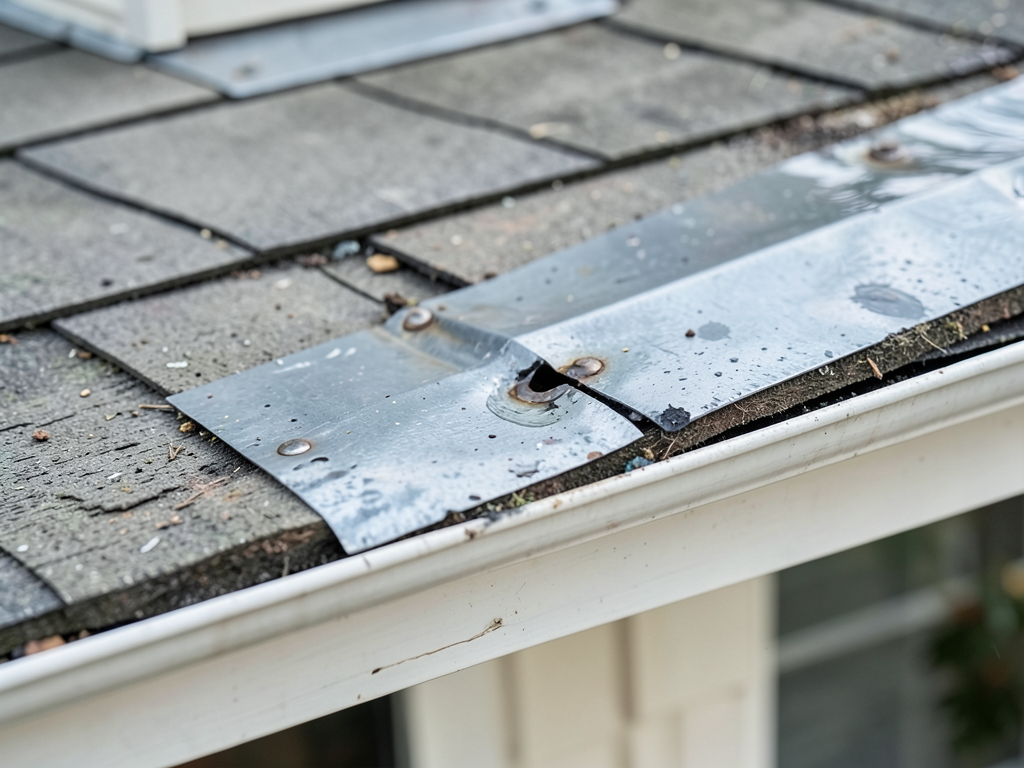
Image: Close-up of improperly installed flashing on Chicago bungalow roof showing water infiltration points
Chicago-Specific Architecture: Why Your Home Needs Professional Care
Chicago’s architectural heritage creates unique roofing challenges. The city’s iconic bungalows, two-flats, and historic Victorians require specialized knowledge. These homes often feature: Roofing Berwyn.
- Steep roof pitches that increase fall risks
- Complex flashing details around decorative features
- Older materials that require careful handling
- Structural modifications that affect roof load
Many Chicago homes built before 1970 contain asbestos in roofing materials. Disturbing these materials without proper training and equipment releases harmful fibers. Professional roofers know how to identify and safely handle hazardous materials.
Chicago’s dense neighborhoods also create logistical challenges. Limited driveway space means materials must be carried through homes or over fences. Professional roofers have equipment and experience handling these constraints. DIYers often underestimate these challenges, leading to property damage or incomplete repairs.. Read more about Is Your Woodlawn Investment Property Ready for a Roof Overlay (And Should You Even Do It?).
When to Call a Professional Chicago Roofer
Some roof problems require immediate professional attention. Call a licensed roofer if you notice:
- Active leaks during rain or snow
- Missing or damaged shingles after storms
- Sagging roof sections or ceiling stains
- Visible mold or mildew growth
- Ice dam formation during winter
Professional roofers use diagnostic tools that DIYers lack. Moisture meters detect hidden water damage. Thermal imaging reveals heat loss and insulation problems. These tools identify issues before they become major repairs. A professional inspection costs far less than emergency repairs after DIY failures. What to Do When You Have a Roof Leak Emergency in Logan Square.
If you’re considering DIY to save money, ask yourself: Is risking your safety and your home’s integrity worth the potential savings? Professional roofers provide warranties, insurance protection, and code compliance that DIY cannot match.
The Cost-Benefit Analysis: DIY vs. Professional Repair
Let’s compare the real costs of DIY versus professional roof repair in Chicago:
| Factor | DIY Repair | Professional Repair |
|---|---|---|
| Initial Cost | $200-500 (materials only) | $800-2,500 (labor + materials) |
| Time Investment | 8-20 hours | 2-6 hours |
| Safety Equipment | $100-300 (if purchased) | Included in service |
| Permit Costs | Potential fines $1,000+ | $50-200 (included) |
| Warranty Protection | None | 5-25 years depending on work |
| Insurance Coverage | Potentially voided | Maintained |
| Long-Term Reliability | 6-24 months average | 10-25 years average |
The numbers tell the story. While DIY might save $300-500 upfront, the potential costs of water damage, code violations, and voided warranties can reach thousands. Professional repairs include guarantees and protect your home’s value.
Emergency Tarping: The Safe DIY Alternative
Not all roof work requires professional installation. Emergency tarping is a safe DIY task that can prevent damage until a professional arrives. Here’s how to do it safely:
- Safety First
Never climb on a wet or icy roof. Use a sturdy ladder and have someone spot you. Wear non-slip shoes and use a safety harness if available.
- Assess the Damage
Identify the leak source from inside your home. Look for water stains on ceilings or walls to locate the problem area.
- Choose the Right Tarp
Use a heavy-duty, waterproof tarp at least 6 feet larger than the damaged area on all sides. Lightweight tarps tear easily in Chicago winds.
- Secure Properly
Place 2×4 boards along tarp edges and screw through the tarp into the roof deck. Never use nails, which create new leak points.
- Direct Water Flow
Ensure the tarp slopes away from your home. Water should run off the tarp, not collect on it.
Emergency tarping buys time but is not a permanent solution. Chicago’s weather will eventually tear through temporary fixes. Professional repairs address the root cause and provide lasting protection.
Finding a Qualified Chicago Roofer
When DIY is not the answer, finding the right professional matters. Look for these qualifications in a Chicago roofer:
- Illinois roofing license from IDFPR
- Chicago Department of Buildings registration
- Proof of liability and workers’ compensation insurance
- Local references from Chicago neighborhoods
- Experience with your home’s architectural style
- Manufacturer certifications for specific materials
Ask potential contractors about their experience with Chicago’s climate challenges. Do they understand ice dam prevention? Can they explain proper ventilation for your home’s design? A qualified roofer should discuss these issues without prompting.
Request written estimates that detail materials, timeline, and warranty information. Compare proposals based on value, not just price. The cheapest option often costs more when repairs fail.
Protecting Your Chicago Home: The Professional Advantage
Chicago homes represent significant investments that deserve professional care. Professional roofers bring expertise that DIY cannot match:
- Knowledge of local building codes and permit requirements
- Experience with Chicago’s specific weather challenges
- Access to commercial-grade materials and tools
- Insurance coverage for accidents and damage
- Warranties that protect your investment
- Ability to identify and address underlying issues
Professional roofers also understand Chicago’s unique housing stock. They know how to work with historic materials, navigate tight urban lots, and address problems specific to Chicago architecture. This expertise prevents the mistakes that often occur with DIY repairs.
Remember that your roof protects everything inside your home. Water damage from roof leaks can destroy insulation, damage electrical systems, and create mold problems. The cost of professional repair pales compared to the expense of repairing water damage.
Don’t risk your home’s safety and value. Call (773) 599-7055 today to schedule your professional roof inspection.
Frequently Asked Questions
Is DIY roof repair ever legal in Chicago?
Minor repairs like replacing a few shingles might not require permits, but most roof work needs professional licensing and permits. Chicago building codes are strict, and unpermitted work can result in fines and insurance issues.
How much does a professional roof inspection cost in Chicago?
Most Chicago roofers offer free inspections. Professional inspections typically include checking for hidden damage, assessing ventilation, and identifying potential problems before they cause major damage.
What’s the most common DIY roof repair mistake in Chicago?
Improper flashing installation is the most frequent error. DIYers often use incorrect materials or install flashing backward, creating leak points that cause significant water damage over time.
How long do professional roof repairs last in Chicago’s climate?
Quality professional repairs typically last 10-25 years, depending on materials and workmanship. DIY repairs often fail within 6-24 months due to Chicago’s harsh weather conditions.
Can I do my own roof repair if I’m selling my Chicago home?
DIY repairs can create problems during home sales. Buyers and their inspectors often discover unpermitted work, which can delay or cancel sales. Professional repairs with proper documentation protect your transaction.
You may also find this helpful. Comparing Different Financing Options for a Major Roof Replacement in Des Plaines.
You may also find this helpful. How to Tell if Your Garfield Ridge Roof Has Real Storm Damage or Just Normal Wear and Tear.
{
“@context”: “https://schema.org”,
“@type”: “BlogPosting”,
“headline”: “Why DIY Roof Repairs Usually End Up Costing Chicago Homeowners More in the Long Run”,
“description”: “DIY roof repairs in Chicago can lead to safety hazards, code violations, and expensive damage. Learn why hiring a professional is the smarter investment for your home.”,
“wordCount”: 2105,
“datePublished”: “2026-04-12T08:00:00.000Z”,
“dateModified”: “2026-04-12T08:00:00.000Z”,
“inLanguage”: “en-US”,
“mainEntityOfPage”: {
“@type”: “WebPage”,
“@id”: “https://patriotroofingchicago.com”
},
“publisher”: {
“@type”: “LocalBusiness”,
“name”: “Patriot Roofing Chicago”,
“url”: “https://patriotroofingchicago.com”
},
“author”: {
“@type”: “Organization”,
“name”: “Patriot Roofing Chicago”,
“url”: “https://patriotroofingchicago.com”
},
“image”: {
“@type”: “ImageObject”,
“url”: “https://patriotroofingchicago.com/wp-content/uploads/2026/03/why-diy-roof-repairs-usually-end-up-costing-chicag-1.png”
}
}
{
“@context”: “https://schema.org”,
“@type”: “RoofingContractor”,
“name”: “Patriot Roofing Chicago”,
“url”: “https://patriotroofingchicago.com”,
“address”: {
“@type”: “PostalAddress”,
“addressLocality”: “Chicago”
},
“areaServed”: {
“@type”: “City”,
“name”: “Chicago”
}
}
{
“@context”: “https://schema.org”,
“@type”: “FAQPage”,
“mainEntity”: [
{
“@type”: “Question”,
“name”: “Is DIY roof repair ever legal in Chicago?”,
“acceptedAnswer”: {
“@type”: “Answer”,
“text”: “Minor repairs like replacing a few shingles might not require permits, but most roof work needs professional licensing and permits. Chicago building codes are strict, and unpermitted work can result in fines and insurance issues.”
}
},
{
“@type”: “Question”,
“name”: “How much does a professional roof inspection cost in Chicago?”,
“acceptedAnswer”: {
“@type”: “Answer”,
“text”: “Most Chicago roofers offer free inspections. Professional inspections typically include checking for hidden damage, assessing ventilation, and identifying potential problems before they cause major damage.”
}
},
{
“@type”: “Question”,
“name”: “What’s the most common DIY roof repair mistake in Chicago?”,
“acceptedAnswer”: {
“@type”: “Answer”,
“text”: “Improper flashing installation is the most frequent error. DIYers often use incorrect materials or install flashing backward, creating leak points that cause significant water damage over time.”
}
},
{
“@type”: “Question”,
“name”: “How long do professional roof repairs last in Chicago’s climate?”,
“acceptedAnswer”: {
“@type”: “Answer”,
“text”: “Quality professional repairs typically last 10-25 years, depending on materials and workmanship. DIY repairs often fail within 6-24 months due to Chicago’s harsh weather conditions.”
}
},
{
“@type”: “Question”,
“name”: “Can I do my own roof repair if I’m selling my Chicago home?”,
“acceptedAnswer”: {
“@type”: “Answer”,
“text”: “DIY repairs can create problems during home sales. Buyers and their inspectors often discover unpermitted work, which can delay or cancel sales. Professional repairs with proper documentation protect your transaction.”
}
}
]
}
{
“@context”: “https://schema.org”,
“@type”: “HowTo”,
“name”: “How to Emergency Tarp a Roof”,
“step”: [
{
“@type”: “HowToStep”,
“position”: 1,
“name”: “Safety First”,
“text”: “Never climb on a wet or icy roof. Use a sturdy ladder and have someone spot you. Wear non-slip shoes and use a safety harness if available.”
},
{
“@type”: “HowToStep”,
“position”: 2,
“name”: “Assess the Damage”,
“text”: “Identify the leak source from inside your home. Look for water stains on ceilings or walls to locate the problem area.”
},
{
“@type”: “HowToStep”,
“position”: 3,
“name”: “Choose the Right Tarp”,
“text”: “Use a heavy-duty, waterproof tarp at least 6 feet larger than the damaged area on all sides. Lightweight tarps tear easily in Chicago winds.”
},
{
“@type”: “HowToStep”,
“position”: 4,
“name”: “Secure Properly”,
“text”: “Place 2×4 boards along tarp edges and screw through the tarp into the roof deck. Never use nails, which create new leak points.”
},
{
“@type”: “HowToStep”,
“position”: 5,
“name”: “Direct Water Flow”,
“text”: “Ensure the tarp slopes away from your home. Water should run off the tarp, not collect on it.”
}
],
“image”: “https://patriotroofingchicago.com/wp-content/uploads/2026/03/why-diy-roof-repairs-usually-end-up-costing-chicag-1.png”
}
{
“@context”: “https://schema.org”,
“@type”: “BreadcrumbList”,
“itemListElement”: [
{
“@type”: “ListItem”,
“position”: 1,
“name”: “Home”,
“item”: “https://patriotroofingchicago.com”
},
{
“@type”: “ListItem”,
“position”: 2,
“name”: “Blog”,
“item”: “https://patriotroofingchicago.com/blog”
},
{
“@type”: “ListItem”,
“position”: 3,
“name”: “Why DIY Roof Repairs Usually End Up Costing Chicago Homeowners More in the Long Run”
}
]
}
{
“@context”: “https://schema.org”,
“@type”: “Service”,
“serviceType”: “Roofing”,
“provider”: {
“@type”: “LocalBusiness”,
“name”: “Patriot Roofing Chicago”,
“url”: “https://patriotroofingchicago.com”
},
“areaServed”: {
“@type”: “City”,
“name”: “Chicago”
},
“description”: “DIY roof repairs in Chicago can lead to safety hazards, code violations, and expensive damage. Learn why hiring a professional is the smarter investment for your home.”
}