
The Benefits of Investing in Impact-Resistant Shingles for Your Austin Neighborhood Home
Chicago’s location in the Midwest makes it particularly vulnerable to severe weather patterns that can devastate standard roofing materials. Impact-resistant shingles, specifically Class 4 rated products, offer Austin neighborhood homeowners a proven defense against hail damage while potentially reducing insurance premiums by 5-25% annually. These specialized shingles use SBS modified asphalt technology that flexes under impact rather than cracking, providing superior protection compared to traditional architectural shingles. UL 2218 Testing Standard.
The investment in impact-resistant roofing pays dividends through reduced repair costs, extended roof lifespan, and peace of mind during storm season. For Austin neighborhood homes, where many properties date back to the early 1900s and face unique weather challenges, upgrading to Class 4 shingles represents a smart financial decision that enhances both property value and storm resilience. Is Solar Roofing Worth the Investment for Homes in Evanston?.
Why Chicago Weather Demands Class 4 Impact Resistance
Chicago experiences an average of 3-5 significant hail events annually, with stones often reaching golf ball size or larger. The city’s position in the Midwest creates a perfect storm scenario where warm Gulf air collides with cold Canadian fronts, producing severe thunderstorms that can last for hours. . Read more about How to Tell if Your Garfield Ridge Roof Has Real Storm Damage or Just Normal Wear and Tear.
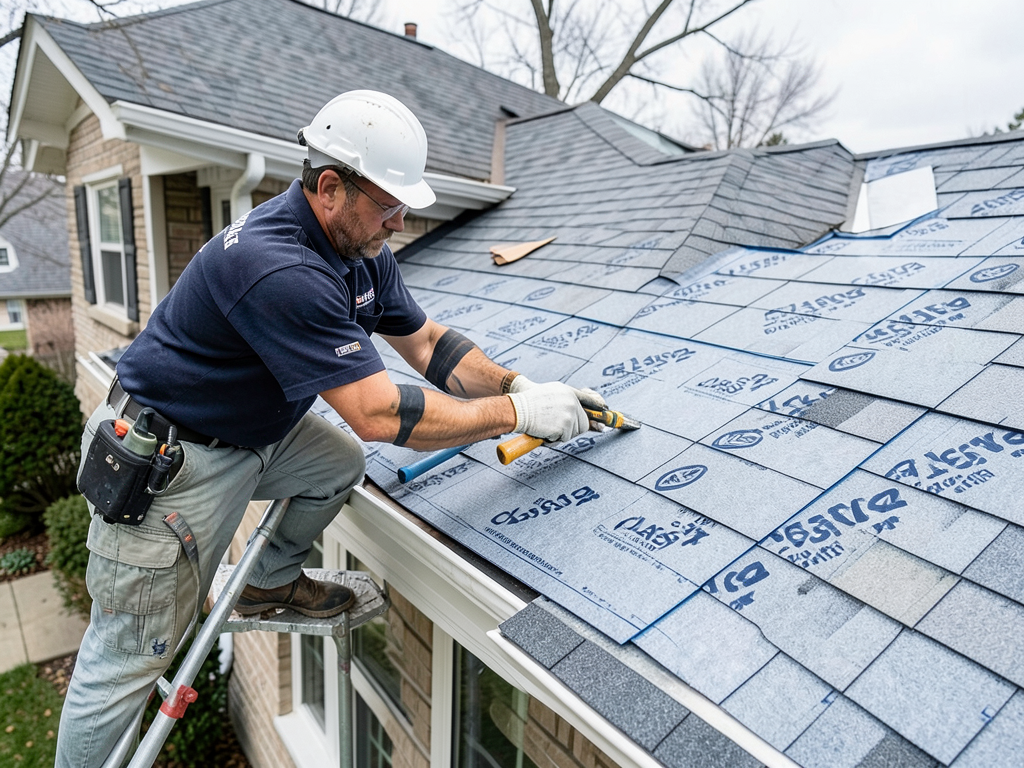
Temperature fluctuations in Chicago also stress roofing materials. The city sees annual temperature swings from -20°F in winter to over 95°F in summer, causing standard shingles to expand and contract repeatedly. This movement weakens the bond between asphalt layers and creates microscopic cracks that eventually lead to leaks. Class 4 shingles are engineered with polymer-modified bitumen that maintains flexibility across this extreme temperature range. Asphalt Roofing Manufacturers Association.
The ‘Lake Effect’ weather pattern unique to Chicago adds another layer of complexity. Moisture from Lake Michigan fuels storm development and can increase hail size by 30-40% compared to inland areas. Homes in Austin neighborhood sit in the direct path of these systems, making impact-resistant roofing not just a luxury but a necessity. Roofing Berwyn.
Impact Resistant vs. Standard Shingles: The Technical Difference
Standard architectural shingles consist of a fiberglass mat coated with asphalt and mineral granules. When struck by hail, these materials tend to crack or shatter, exposing the underlying roof deck to water damage. Class 4 impact-resistant shingles incorporate SBS (styrene-butadiene-styrene) modified asphalt that acts like rubber under impact.
The UL 2218 testing standard provides objective measurement of impact resistance. During testing, a 2-inch steel ball is dropped from 20 feet onto the shingle surface. Class 4 shingles must withstand this impact without cracking, while Class 3 shingles can show damage.
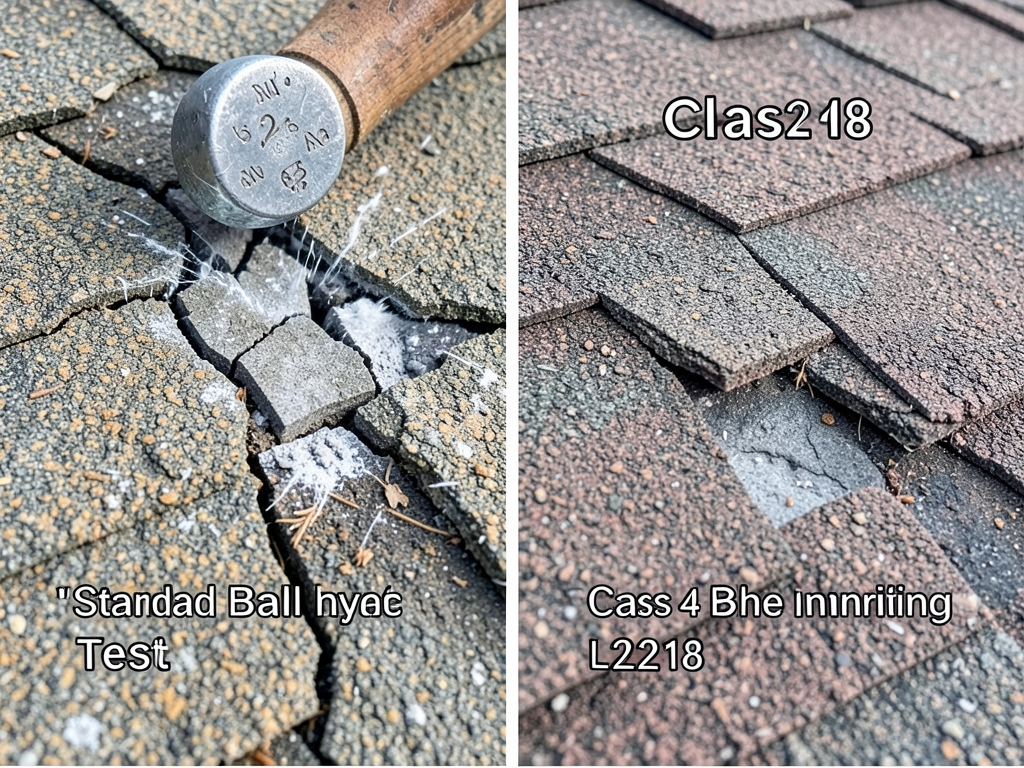
Key technical differences include:
- Thickness: Class 4 shingles typically measure 4.2-4.5mm thick versus 3.2-3.5mm for standard shingles
- Adhesive strips: Enhanced sealant technology prevents wind uplift at speeds up to 130mph
- Granule adhesion: Specialized coating prevents granule loss during severe storms
The manufacturing process for impact-resistant shingles involves higher temperatures and specialized equipment, contributing to their 15-20% higher cost. However, this premium is offset by their superior performance in Chicago’s harsh climate.
Potential Insurance Discounts for Chicago Homeowners
Illinois insurance companies recognize the value of impact-resistant roofing through premium discounts. State Farm, Allstate, and Liberty Mutual all offer credits for homes with Class 4 shingles, with typical savings ranging from 5% to 25% depending on the carrier and location.
To qualify for these discounts, homeowners must provide documentation showing the shingles meet UL 2218 Class 4 standards. Most manufacturers include this certification on the product packaging or in installation documentation. The discount applies to both the dwelling coverage and personal property coverage portions of the policy. Why More Naperville Homeowners are Switching to Metal Roofing This Year.
Some Chicago-area insurers go beyond basic discounts. Certain companies offer deductible waivers for hail damage on homes with Class 4 roofing. This means if a severe storm damages your roof, you won’t pay the typical $1,000-$2,500 deductible for repairs. Over a 20-year period, this benefit alone can offset the initial premium cost of impact-resistant shingles.
Top Rated Impact Resistant Shingle Brands for Illinois Homes
Several manufacturers produce Class 4 impact-resistant shingles that perform exceptionally well in Chicago’s climate. Owens Corning Duration FLEX uses SureNail technology and has earned top ratings for wind resistance and impact protection. The shingles feature a unique fabric strip that creates a triple layer of protection at the nail line.
GAF Timberline AS II represents another excellent option for Chicago homeowners. These shingles incorporate LayerLock technology that mechanically fuses the common bond between overlapping shingles, creating a monolithic barrier against wind and water infiltration. The product comes with a 50-year limited warranty, providing long-term protection for your investment.
CertainTeed NorthGate offers Class 4 impact resistance with StreakFighter algae resistance technology. This is particularly valuable in Chicago’s humid summers when algae growth can discolor standard shingles within 5-7 years. The advanced granule technology resists both impact damage and biological growth.
When selecting impact-resistant shingles, verify the UL 2218 Class 4 certification and check for additional features like algae resistance, wind ratings above 110mph, and extended warranty coverage. These factors contribute to the overall value proposition beyond just impact resistance.
Cost Analysis: ROI of Upgrading Your Roof in the Windy City
The initial cost of Class 4 impact-resistant shingles runs 15-25% higher than standard architectural shingles. For an average Austin neighborhood home with a 2,000 square foot roof, this translates to an additional $2,500-$4,000 investment. However, the long-term financial benefits significantly outweigh this upfront cost.
Insurance premium savings typically range from $200-$600 annually for Chicago homes. Over a 20-year period, this accumulates to $4,000-$12,000 in direct savings. When combined with reduced repair costs and extended roof lifespan, the total return on investment becomes compelling.
Standard shingles in Chicago often require replacement every 15-20 years due to weather damage. Class 4 impact-resistant shingles can easily last 25-30 years with proper maintenance. This extended lifespan means avoiding one complete roof replacement, saving $8,000-$15,000 in replacement costs.
The break-even point for impact-resistant shingles typically occurs within 8-12 years when factoring in insurance savings and reduced maintenance costs. After this point, the investment generates positive cash flow through lower insurance premiums and avoided repair expenses.
Installation Considerations for Chicago Homes
Proper installation is critical for impact-resistant shingles to perform as designed. Chicago building codes require specific underlayment and ventilation standards that must be followed to maintain warranty coverage. The Illinois Home Repair and Remodeling Act mandates certain consumer protections, including written contracts and cancellation rights.
Ice and water shield installation is particularly important in Chicago’s climate. Building codes require this protective membrane in valleys, around chimneys, and along eaves where ice dams commonly form. For impact-resistant shingles, extending the ice and water shield coverage to the entire roof deck provides maximum protection. Extending the Life of Your Flat Roof in Hyde Park with Professional Coating.
Ventilation requirements in Chicago are strict due to the freeze-thaw cycles that cause ice dam formation. Building codes mandate 1 square foot of net free ventilation area for every 150 square feet of attic space. Proper ventilation prevents moisture buildup that can compromise even the most impact-resistant roofing system.
Local building permits are required in Austin neighborhood and surrounding areas. The permit process ensures compliance with Chicago Municipal Code Section 13-32-010 and other applicable regulations. Working with a licensed roofing contractor familiar with local requirements prevents costly mistakes and ensures proper inspection sign-off.
Maintenance Tips for Maximum Roof Longevity
Even the best impact-resistant shingles require regular maintenance to achieve their full lifespan potential. Annual inspections should check for damaged shingles, proper flashing around chimneys and vents, and signs of algae or moss growth. Chicago’s humid summers create ideal conditions for biological growth that can compromise shingle integrity.
Gutter cleaning becomes especially important with impact-resistant roofing. The enhanced granule adhesion means these shingles shed water more efficiently, but clogged gutters can cause water backup and ice dam formation. Clean gutters at least twice yearly, in spring and fall, to maintain proper drainage.
Tree trimming prevents damage from overhanging branches that can scrape against shingles during wind storms. Chicago’s mature neighborhoods often feature large trees that drop debris onto roofs. Keeping branches at least 10 feet from the roof surface reduces the risk of impact damage and prevents organic material accumulation.
Professional cleaning every 3-5 years removes algae, moss, and accumulated debris that can trap moisture against the shingle surface. Use soft washing techniques rather than pressure washing, which can damage even impact-resistant shingles. Many Chicago roofing contractors offer maintenance packages that include cleaning, inspection, and minor repairs.
Frequently Asked Questions
Are impact-resistant shingles worth the extra cost in Chicago?
Yes. The combination of insurance discounts, reduced repair costs, and extended lifespan typically provides positive ROI within 8-12 years. Chicago’s severe weather makes this investment particularly valuable compared to milder climates.
Will impact-resistant shingles completely prevent hail damage?
No roofing material is completely hail-proof. However, Class 4 shingles significantly reduce damage from typical Chicago hail events. Large hail stones over 2 inches may still cause some cosmetic damage, but the structural integrity remains intact.
Do I need special permits for impact-resistant shingle installation?
Yes. Chicago and surrounding suburbs require building permits for roofing work. The permit process ensures compliance with local building codes and provides consumer protection through required inspections.
Can I install impact-resistant shingles over my existing roof?
Building codes in Chicago typically allow one layer of roofing material. Installing over existing shingles may void warranties and prevent proper inspection of the roof deck. A complete tear-off is usually recommended for maximum performance.
How do I verify that shingles are truly Class 4 rated?
Look for UL 2218 certification on the product packaging or technical specifications. Reputable manufacturers provide this documentation, and your roofing contractor should be able to produce certification before installation begins.
Will impact-resistant shingles increase my home’s resale value?
Yes. Buyers recognize the value of impact-resistant roofing, particularly in Chicago’s climate. The combination of lower insurance costs, reduced maintenance needs, and storm protection makes these homes more attractive to potential buyers.
Making the Right Choice for Your Home
Selecting impact-resistant shingles involves balancing cost, performance, and warranty considerations. For Austin neighborhood homes, where many properties represent significant investments, the added protection and potential insurance savings make Class 4 shingles an intelligent choice. The key is working with a qualified roofing contractor who understands Chicago’s unique weather challenges and building code requirements.
Before making a decision, request quotes from multiple contractors and verify their licensing through the Illinois Department of Financial and Professional Regulation. Ask about their experience with impact-resistant installations and request references from local homeowners. A quality installation is just as important as the shingle selection itself.
The peace of mind that comes with impact-resistant roofing extends beyond financial considerations. Knowing your home is protected against Chicago’s most severe weather events provides invaluable security for you and your family. When the next storm system rolls in from Lake Michigan, you’ll rest easier knowing your investment is working to protect your home.
Ready to upgrade your Austin neighborhood home with impact-resistant shingles? Call (773) 599-7055 today to schedule your free inspection and learn how much you could save on insurance premiums. Our team has installed hundreds of Class 4 roofs throughout Chicago and can help you make the best choice for your specific needs and budget. Getting Your Flat Roof Ready for a Chicago Winter in Wicker Park.
{
“@context”: “https://schema.org”,
“@type”: “BlogPosting”,
“headline”: “The Benefits of Investing in Impact-Resistant Shingles for Your Austin Neighborhood Home”,
“description”: “Discover how Class 4 impact-resistant shingles can lower your insurance premiums and protect your Austin home from hail damage. Learn about Chicago’s unique weather challenges and ROI.”,
“wordCount”: 1892,
“datePublished”: “2026-04-13T06:19:00.000Z”,
“dateModified”: “2026-04-13T06:19:00.000Z”,
“inLanguage”: “en-US”,
“mainEntityOfPage”: {
“@type”: “WebPage”,
“@id”: “https://patriotroofingchicago.com”
},
“publisher”: {
“@type”: “LocalBusiness”,
“name”: “Patriot Roofing Chicago”,
“url”: “https://patriotroofingchicago.com”
},
“author”: {
“@type”: “Organization”,
“name”: “Patriot Roofing Chicago”,
“url”: “https://patriotroofingchicago.com”
},
“image”: {
“@type”: “ImageObject”,
“url”: “https://patriotroofingchicago.com/wp-content/uploads/2026/03/the-benefits-of-investing-in-impact-resistant-shin-1.png”
}
}
{
“@context”: “https://schema.org”,
“@type”: “RoofingContractor”,
“name”: “Patriot Roofing Chicago”,
“url”: “https://patriotroofingchicago.com”,
“address”: {
“@type”: “PostalAddress”,
“addressLocality”: “Chicago”
},
“areaServed”: {
“@type”: “City”,
“name”: “Chicago”
}
}
{
“@context”: “https://schema.org”,
“@type”: “FAQPage”,
“mainEntity”: [
{
“@type”: “Question”,
“name”: “Are impact-resistant shingles worth the extra cost in Chicago?”,
“acceptedAnswer”: {
“@type”: “Answer”,
“text”: “Yes. The combination of insurance discounts, reduced repair costs, and extended lifespan typically provides positive ROI within 8-12 years. Chicago’s severe weather makes this investment particularly valuable compared to milder climates.”
}
},
{
“@type”: “Question”,
“name”: “Will impact-resistant shingles completely prevent hail damage?”,
“acceptedAnswer”: {
“@type”: “Answer”,
“text”: “No roofing material is completely hail-proof. However, Class 4 shingles significantly reduce damage from typical Chicago hail events. Large hail stones over 2 inches may still cause some cosmetic damage, but the structural integrity remains intact.”
}
},
{
“@type”: “Question”,
“name”: “Do I need special permits for impact-resistant shingle installation?”,
“acceptedAnswer”: {
“@type”: “Answer”,
“text”: “Yes. Chicago and surrounding suburbs require building permits for roofing work. The permit process ensures compliance with local building codes and provides consumer protection through required inspections.”
}
},
{
“@type”: “Question”,
“name”: “How do I verify that shingles are truly Class 4 rated?”,
“acceptedAnswer”: {
“@type”: “Answer”,
“text”: “Look for UL 2218 certification on the product packaging or technical specifications. Reputable manufacturers provide this documentation, and your roofing contractor should be able to produce certification before installation begins.”
}
},
{
“@type”: “Question”,
“name”: “Will impact-resistant shingles increase my home’s resale value?”,
“acceptedAnswer”: {
“@type”: “Answer”,
“text”: “Yes. Buyers recognize the value of impact-resistant roofing, particularly in Chicago’s climate. The combination of lower insurance costs, reduced maintenance needs, and storm protection makes these homes more attractive to potential buyers.”
}
}
]
}
{
“@context”: “https://schema.org”,
“@type”: “BreadcrumbList”,
“itemListElement”: [
{
“@type”: “ListItem”,
“position”: 1,
“name”: “Home”,
“item”: “https://patriotroofingchicago.com”
},
{
“@type”: “ListItem”,
“position”: 2,
“name”: “Blog”,
“item”: “https://patriotroofingchicago.com/blog”
},
{
“@type”: “ListItem”,
“position”: 3,
“name”: “The Benefits of Investing in Impact-Resistant Shingles for Your Austin Neighborhood Home”
}
]
}
{
“@context”: “https://schema.org”,
“@type”: “Service”,
“serviceType”: “Roofing”,
“provider”: {
“@type”: “LocalBusiness”,
“name”: “Patriot Roofing Chicago”,
“url”: “https://patriotroofingchicago.com”
},
“areaServed”: {
“@type”: “City”,
“name”: “Chicago”
},
“description”: “Discover how Class 4 impact-resistant shingles can lower your insurance premiums and protect your Austin home from hail damage. Learn about Chicago’s unique weather challenges and ROI.”
}