
Restoring the Historic Roof on Your Oak Park Home the Right Way
Your historic Oak Park home deserves more than a quick patch job. With over 100 years of weathering and architectural significance, restoring a historic roof requires specialized craftsmanship, deep knowledge of local preservation guidelines, and materials that match the original construction. This guide walks you through everything you need to know about restoring the historic roof on your Oak Park home the right way. Oak Park Historic Preservation Commission.
Understanding Oak Park’s Historic Roofing Heritage
Oak Park stands as one of the most architecturally significant suburbs in the Chicago area, with over 20,000 buildings constructed between 1880 and 1940. The village contains the world’s largest concentration of Frank Lloyd Wright-designed structures, alongside stunning examples of Victorian, Tudor Revival, and Prairie School architecture. Each architectural style demands specific roofing materials and installation techniques that preserve the home’s historic character. Is Solar Roofing Worth the Investment for Homes in Evanston?.
The challenge of restoring a historic roof in Oak Park goes beyond simple repairs. Many homes feature original slate, clay tile, or cedar shake roofing systems that require specialized knowledge to restore properly. The village’s strict Historic Preservation Commission guidelines mean that any exterior modifications must maintain architectural integrity while meeting modern building code requirements. Roofing Berwyn.
Oak Park’s climate presents unique challenges for historic roofing. The freeze-thaw cycles common to the Chicago area cause expansion and contraction in roofing materials, while the heavy snow loads of recent winters test the structural integrity of century-old roof decks. Proper restoration addresses these environmental factors while preserving the home’s historic character. Roofing Forest Park.
Specialized Materials for Oak Park’s Historic Homes
Slate, Clay Tile, and Cedar Shakes: Authentic Sourcing
Historic Oak Park homes often feature roofing materials that are no longer commonly available. Vermont slate, Ludowici clay tile, and western red cedar shakes were standard materials during the early 20th century construction boom. Finding authentic replacements requires relationships with specialty suppliers and knowledge of period-appropriate materials.
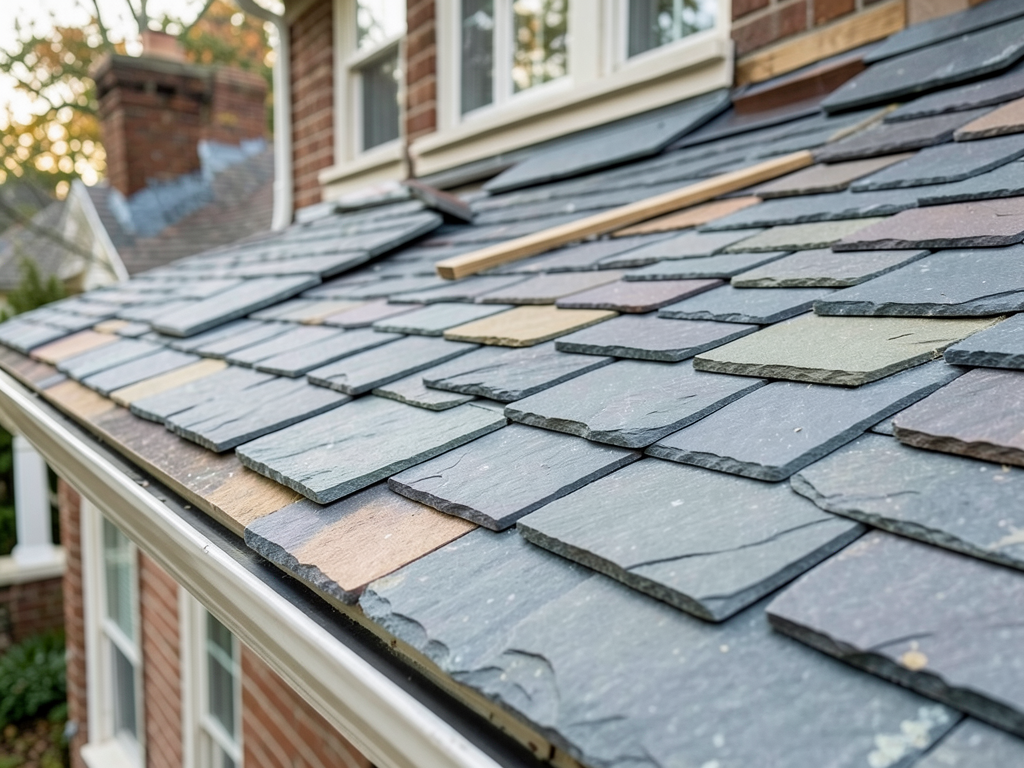
Authentic slate restoration involves matching the original color, thickness, and texture. Vermont slate comes in various colors including green, purple, and black, with each quarry producing slightly different variations. A skilled restoration specialist can identify the original quarry and source matching material, even if it means salvaging from other historic buildings undergoing renovation.
Clay tile restoration requires understanding the specific manufacturing processes from different eras. Early 20th century tiles were often hand-formed and kiln-fired, creating subtle variations in color and texture that give historic roofs their character. Modern reproduction tiles, while durable, may lack the authentic appearance that preservation guidelines require.
Cedar shake restoration involves more than simply replacing damaged shakes. The original western red cedar develops a distinctive silver-gray patina over decades of weathering. Matching this appearance requires using cedar from the same geographic region and allowing for proper weathering time before installation.
Navigating Oak Park’s Historic Preservation Commission Guidelines
The Oak Park Historic Preservation Commission (HPC) enforces strict guidelines for any exterior modifications to homes in designated historic districts. Understanding these requirements before beginning restoration work can save time, money, and potential rejection of your permit application.
HPC approval requires submitting detailed plans that demonstrate how proposed work maintains the home’s historic character. This includes material specifications, color samples, and installation methods that match original construction techniques. The commission reviews applications for compliance with the Secretary of the Interior’s Standards for Rehabilitation, which prioritize preserving historic materials and features. Secretary of the Interior’s Standards for Rehabilitation.
Common HPC requirements for historic roof restoration include maintaining original roof pitch, preserving decorative elements like finials and cresting, and using materials that match the original in color, texture, and installation pattern. The commission may require mock-ups or samples before approving large-scale restoration work.
Working with an experienced historic restoration contractor who understands HPC requirements can streamline the approval process. These specialists know how to present restoration plans that satisfy both preservation guidelines and modern building code requirements, reducing the likelihood of costly redesigns or material substitutions.
Our Restoration Process: From Structural Assessment to Final Inspection
Proper historic roof restoration begins with a comprehensive structural assessment. Many century-old homes have experienced roof deck deterioration, compromised support structures, or previous improper repairs that must be addressed before installing new materials. Our process includes detailed inspection of every component from attic ventilation to exterior flashing.
The assessment phase identifies hidden damage that could compromise the restoration. This includes checking for rotted decking, damaged rafters, inadequate ventilation, and previous water damage that may have affected interior walls or ceilings. We use moisture meters, thermal imaging, and physical inspection to document the roof’s true condition.
Structural reinforcement often becomes necessary when restoring historic roofs. Original construction methods may not meet current building code requirements for snow loads or wind resistance. We reinforce roof structures while maintaining the home’s historic appearance, using techniques that strengthen the roof without visible alterations.
Material removal and salvage represents a critical phase in historic restoration. We carefully remove damaged materials, salvaging any components that can be reused or serve as patterns for new fabrication. This includes copper flashing, decorative elements, and intact roofing materials that match the restoration plan.
Installation follows strict preservation guidelines and manufacturer specifications for historic materials. This includes proper underlayment selection for slate or tile roofs, correct nailing patterns for cedar shakes, and copper flashing installation that prevents water infiltration while maintaining historic appearance.
Case Study: Restoring a Prairie School Roof in the Frank Lloyd Wright District
A recent restoration project in the Frank Lloyd Wright Historic District demonstrates the complexity of historic roof work in Oak Park. The 1911 home featured original Buckingham slate roofing that had reached the end of its service life after 110 years of exposure to Chicago’s harsh weather.
The restoration required matching the original Vermont slate in color, thickness, and texture. We sourced material from the same quarry that supplied the original roofing in 1911, ensuring perfect color matching. The project also involved restoring original copper flashing and gutters that had developed leaks but retained their historic character.
Structural assessment revealed previous improper repairs that had compromised the roof’s ability to shed water properly. We reinforced the roof deck while maintaining the original roof pitch and decorative elements. The project required HPC approval, which we obtained by demonstrating our commitment to preserving the home’s historic character while meeting modern building code requirements.
The restoration included upgrading attic ventilation to meet current energy efficiency standards while maintaining the home’s historic appearance. We installed modern ridge vents that remain hidden from street view, improving the home’s energy performance without altering its historic character.
Why Oak Park Homeowners Trust Patriot Roofing for Heritage Roofing
Historic roof restoration requires specialized knowledge that goes beyond standard roofing skills. Our team understands the unique challenges of working on century-old homes, from navigating preservation guidelines to sourcing authentic materials. We bring 15+ years of experience working in Oak Park’s historic districts to every restoration project.
Our expertise includes certification in historic preservation techniques, relationships with specialty material suppliers, and proven success working with the Oak Park Historic Preservation Commission. We understand that your historic home represents not just a significant financial investment but also a piece of architectural history that deserves careful restoration.
We provide detailed documentation throughout the restoration process, including before and after photographs, material specifications, and compliance documentation for HPC records. Our work comes with comprehensive warranties that protect both the materials and our craftsmanship.
Ready to restore your historic Oak Park home’s roof the right way? Call (773) 599-7055 today to schedule your comprehensive assessment. Our historic restoration specialists will evaluate your roof’s condition and provide a detailed plan that preserves your home’s architectural heritage while ensuring decades of reliable protection. Getting Your Flat Roof Ready for a Chicago Winter in Wicker Park.
Frequently Asked Questions
How long does historic roof restoration typically take?
Historic roof restoration projects typically require 3-6 weeks depending on the roof’s size, complexity, and weather conditions. The process includes assessment, material sourcing, HPC approval, and careful installation that preserves historic details.
Will my homeowner’s insurance cover historic roof restoration?
Standard homeowner’s insurance typically covers roof damage but may not cover the full cost of historic restoration. Some insurers offer specialized coverage for historic properties. We can provide documentation to support insurance claims for restoration work.
What if my roof contains asbestos or lead paint?
Many historic roofs contain hazardous materials that require special handling during restoration. Our team follows all EPA guidelines for asbestos and lead abatement, ensuring safe removal and disposal while protecting your family and our workers.
How much does historic roof restoration cost compared to replacement?
Historic restoration typically costs 30-50% more than standard roof replacement due to specialized materials, skilled labor, and preservation requirements. However, it preserves your home’s value and character while often qualifying for historic preservation tax credits.
Can I do some of the work myself to save money?
HPC guidelines typically require professional installation of historic roofing materials. DIY work may void warranties and potentially violate preservation guidelines. We recommend professional restoration to ensure compliance and lasting results. Extending the Life of Your Flat Roof in Hyde Park with Professional Coating.
How do I know if my home is in a historic district?
The Oak Park Historic Preservation Commission maintains maps of designated historic districts. You can also check your property’s age and architectural style, as homes built before 1940 in certain areas may fall under HPC jurisdiction for exterior modifications.
{
“@context”: “https://schema.org”,
“@type”: “BlogPosting”,
“headline”: “Restoring the Historic Roof on Your Oak Park Home the Right Way”,
“description”: “Expert historic roof restoration in Oak Park requires specialized materials, HPC approval, and proper structural assessment. Call (773) 599-7055 for your assessment.”,
“wordCount”: 1590,
“datePublished”: “2026-02-20T12:43:00.000Z”,
“dateModified”: “2026-02-20T12:43:00.000Z”,
“inLanguage”: “en-US”,
“mainEntityOfPage”: {
“@type”: “WebPage”,
“@id”: “https://patriotroofingchicago.com”
},
“publisher”: {
“@type”: “LocalBusiness”,
“name”: “Patriot Roofing Chicago”,
“url”: “https://patriotroofingchicago.com”
},
“author”: {
“@type”: “Organization”,
“name”: “Patriot Roofing Chicago”,
“url”: “https://patriotroofingchicago.com”
},
“image”: {
“@type”: “ImageObject”,
“url”: “https://patriotroofingchicago.com/wp-content/uploads/2026/03/restoring-the-historic-roof-on-your-oak-park-home-1.png”
}
}
{
“@context”: “https://schema.org”,
“@type”: “RoofingContractor”,
“name”: “Patriot Roofing Chicago”,
“url”: “https://patriotroofingchicago.com”,
“address”: {
“@type”: “PostalAddress”,
“addressLocality”: “Chicago”
},
“areaServed”: {
“@type”: “City”,
“name”: “Chicago”
}
}
{
“@context”: “https://schema.org”,
“@type”: “FAQPage”,
“mainEntity”: [
{
“@type”: “Question”,
“name”: “How long does historic roof restoration typically take?”,
“acceptedAnswer”: {
“@type”: “Answer”,
“text”: “Historic roof restoration projects typically require 3-6 weeks depending on the roof’s size, complexity, and weather conditions. The process includes assessment, material sourcing, HPC approval, and careful installation that preserves historic details.”
}
},
{
“@type”: “Question”,
“name”: “Will my homeowner’s insurance cover historic roof restoration?”,
“acceptedAnswer”: {
“@type”: “Answer”,
“text”: “Standard homeowner’s insurance typically covers roof damage but may not cover the full cost of historic restoration. Some insurers offer specialized coverage for historic properties. We can provide documentation to support insurance claims for restoration work.”
}
},
{
“@type”: “Question”,
“name”: “What if my roof contains asbestos or lead paint?”,
“acceptedAnswer”: {
“@type”: “Answer”,
“text”: “Many historic roofs contain hazardous materials that require special handling during restoration. Our team follows all EPA guidelines for asbestos and lead abatement, ensuring safe removal and disposal while protecting your family and our workers.”
}
},
{
“@type”: “Question”,
“name”: “How much does historic roof restoration cost compared to replacement?”,
“acceptedAnswer”: {
“@type”: “Answer”,
“text”: “Historic restoration typically costs 30-50% more than standard roof replacement due to specialized materials, skilled labor, and preservation requirements. However, it preserves your home’s value and character while often qualifying for historic preservation tax credits.”
}
},
{
“@type”: “Question”,
“name”: “Can I do some of the work myself to save money?”,
“acceptedAnswer”: {
“@type”: “Answer”,
“text”: “HPC guidelines typically require professional installation of historic roofing materials. DIY work may void warranties and potentially violate preservation guidelines. We recommend professional restoration to ensure compliance and lasting results. Extending the Life of Your Flat Roof in Hyde Park with Professional Coating.”
}
},
{
“@type”: “Question”,
“name”: “How do I know if my home is in a historic district?”,
“acceptedAnswer”: {
“@type”: “Answer”,
“text”: “The Oak Park Historic Preservation Commission maintains maps of designated historic districts. You can also check your property’s age and architectural style, as homes built before 1940 in certain areas may fall under HPC jurisdiction for exterior modifications.”
}
}
]
}
{
“@context”: “https://schema.org”,
“@type”: “BreadcrumbList”,
“itemListElement”: [
{
“@type”: “ListItem”,
“position”: 1,
“name”: “Home”,
“item”: “https://patriotroofingchicago.com”
},
{
“@type”: “ListItem”,
“position”: 2,
“name”: “Blog”,
“item”: “https://patriotroofingchicago.com/blog”
},
{
“@type”: “ListItem”,
“position”: 3,
“name”: “Restoring the Historic Roof on Your Oak Park Home the Right Way”
}
]
}
{
“@context”: “https://schema.org”,
“@type”: “Service”,
“serviceType”: “Roofing”,
“provider”: {
“@type”: “LocalBusiness”,
“name”: “Patriot Roofing Chicago”,
“url”: “https://patriotroofingchicago.com”
},
“areaServed”: {
“@type”: “City”,
“name”: “Chicago”
},
“description”: “Expert historic roof restoration in Oak Park requires specialized materials, HPC approval, and proper structural assessment. Call (773) 599-7055 for your assessment.”
}