
Protecting Your Skokie Home from Damage Caused by Overhanging Tree Branches
Skokie homeowners know the beauty of mature trees comes with hidden risks to their roofs. Overhanging branches create multiple hazards from falling debris to animal access points. This guide shows you exactly what to watch for and how to protect your investment before costly damage occurs. Why More Naperville Homeowners are Switching to Metal Roofing This Year.
Common Tree-Related Roof Risks in Skokie Neighborhoods
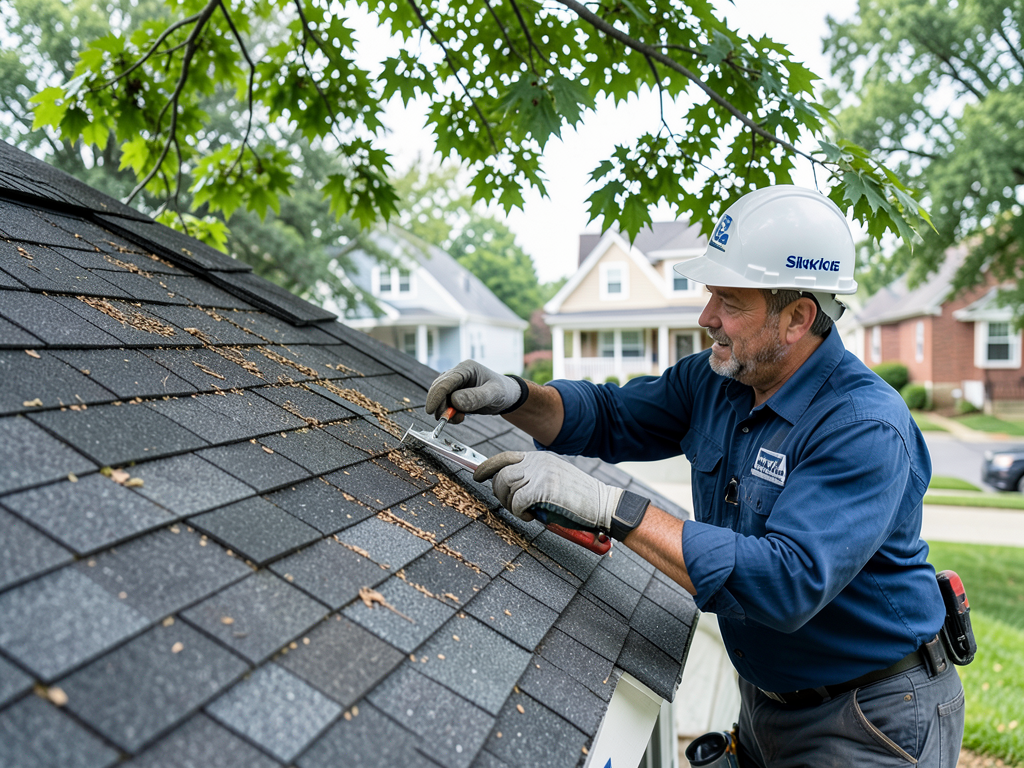
Skokie’s tree canopy includes mature Silver Maples and Honey Locusts that create specific challenges for asphalt shingle roofs. During summer storms, these branches act like sails catching wind that can lift shingles and expose underlayment. In winter, snow-laden limbs can snap and puncture your roof deck.
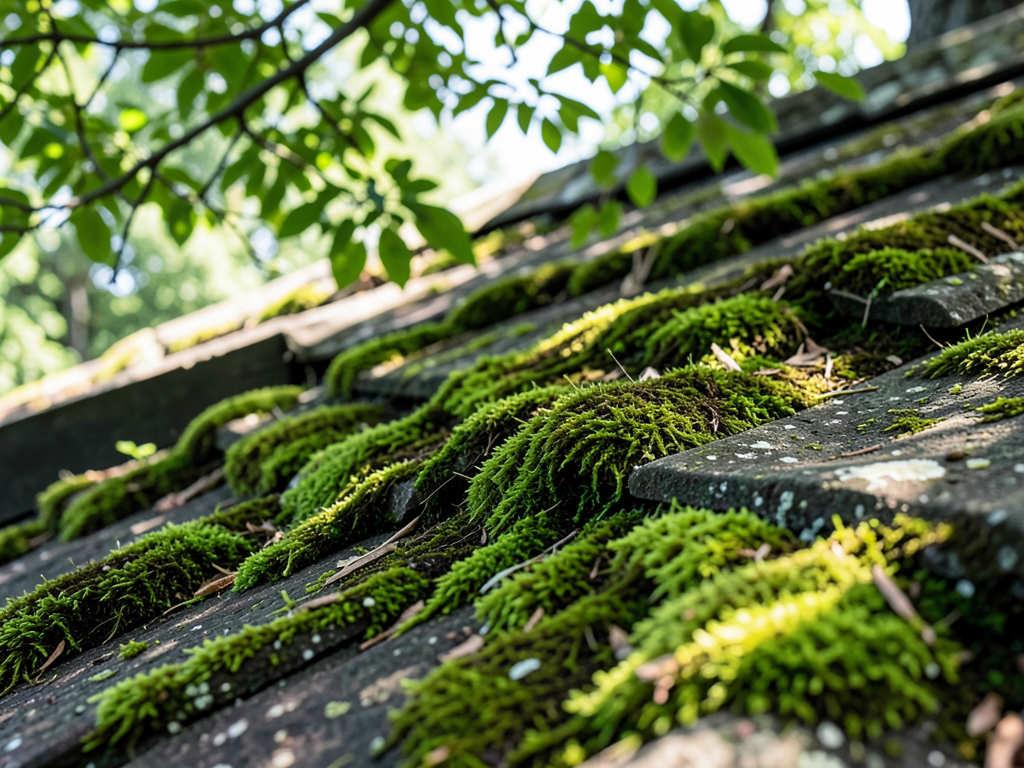
Overhanging branches drop leaves and needles that trap moisture against your roof surface. This creates perfect conditions for moss and algae growth that eats away at shingle granules. The constant shade also prevents your roof from drying properly after rain, accelerating wood rot in fascia boards and soffits.
Squirrels and raccoons use overhanging branches as highways onto your roof. Once there, they can chew through vents, damage flashing, or create entry points into your attic. A single branch touching your roof can provide access for these pests to cause thousands in damage.
5 Proactive Steps to Prevent Tree Damage
- Maintain 10-Foot Clearance
Keep all branches at least 10 feet from your roof surface. This prevents leaf debris buildup and eliminates animal access points. Use professional tree services for branches larger than 2 inches in diameter. Extending the Life of Your Flat Roof in Hyde Park with Professional Coating.
- Schedule Seasonal Inspections
Inspect your roof after every major storm and at least twice yearly. Look for lifted shingles, damaged flashing, or granule loss around areas where branches overhang.
- Clean Gutters Regularly
Clogged gutters cause water to back up under shingles. In Skokie’s heavy rain seasons, this can lead to interior leaks within hours. Clean gutters every spring and fall, or install leaf guards.
- Address Dead Limbs Immediately
Dead branches are time bombs waiting to fall. They’re also indicators of tree health issues that could affect your entire property’s safety.
- Coordinate Tree and Roof Work
When scheduling roof repairs, have your tree service trim back branches first. This prevents new damage during the roofing process and gives workers better access. EPA WaterSense guidelines.
Skokie Village Ordinances and Tree Removal Permits
The Village of Skokie requires permits for removing trees with a diameter of 6 inches or more at breast height. This applies to trees on private property that could affect public safety or utilities. Permit applications must include a site plan showing the tree location and reason for removal.
Emergency tree work to prevent imminent damage to structures is exempt from the permit process, but you must notify the Building Department within 24 hours. For non-emergency work, permits typically take 5-7 business days to process. What to Do When You Have a Roof Leak Emergency in Logan Square.
Skokie’s Tree Preservation Ordinance protects certain species and requires replacement of removed trees based on their size. A certified arborist must inspect trees before removal to determine if they’re diseased or pose a safety hazard.
Identifying Early Signs of Damage
Look for these warning signs that tree branches are already damaging your roof. Granule loss appears as dark patches where asphalt shingles have lost their protective coating. You’ll notice this most in areas where branches constantly brush against the surface. Getting Your Flat Roof Ready for a Chicago Winter in Wicker Park.
Scuffed or scraped shingles indicate branches are already making contact. These areas become weak points during storms. Lifted flashing around chimneys or vents suggests animal activity or branch impact damage.
Check your attic after heavy winds for damp spots on rafters or insulation. Water stains on ceilings below roof valleys often indicate blocked drainage from leaf debris. The musty smell of damp wood means moisture has already penetrated your roof system.
During winter, ice dams form more easily in shaded areas under tree canopies. The constant shade prevents snow from melting and draining properly, leading to water backing up under shingles.
When to Call a Skokie Roofing Professional
Call a professional when you notice multiple damaged shingles, active leaks, or signs of structural damage. Don’t wait for the next storm. Water damage spreads quickly and can compromise your home’s structural integrity.
Professional roofers use moisture meters to detect hidden water damage that homeowners miss. They can identify whether damage is from tree contact, storm impact, or age-related deterioration. This distinction matters for insurance claims.
Roof inspections should include checking for proper ventilation. Overhanging branches can block soffit vents, causing moisture buildup in your attic. This leads to mold growth and reduced energy efficiency.
Professionals coordinate with tree services to ensure both trades work safely together. They understand how to protect your roof during tree trimming and can make repairs immediately if accidental damage occurs.
Seasonal Maintenance Calendar for Skokie Homeowners
| Season | Tree Maintenance | Roof Inspection | Special Considerations |
|---|---|---|---|
| Spring | Remove winter damage, prune for growth | Check for ice damage, clean gutters | Prepare for storm season |
| Summer | Thin canopy for wind resistance | Inspect for UV damage, check ventilation | Watch for storm damage |
| Fall | Remove dead branches, clear leaf debris | Clean gutters, check flashing | Prepare for snow loads |
| Winter | Monitor for ice buildup, remove snow from low branches | Check for ice dams, inspect attic ventilation | Emergency repairs only |
Insurance Considerations for Skokie Homeowners
Document your tree maintenance efforts with photos and receipts. Insurance companies look favorably on preventative maintenance when processing claims. Keep records of professional inspections and any tree work done near your home.
Standard homeowners policies cover sudden damage from falling trees but may exclude damage from long-term neglect. If you’ve documented regular maintenance, you’re more likely to receive full coverage for repairs.
Consider increasing your coverage if you have mature trees close to your home. The cost of additional coverage is often less than a single major repair. Ask your agent about specific tree-related exclusions in your policy.
After a storm, document damage before cleaning up. Take photos of fallen branches on your roof and any interior water damage. This evidence helps with insurance claims and can speed up the approval process.
Cost Comparison: Prevention vs. Repair
| Service | Average Cost | Frequency | Long-term Savings |
|---|---|---|---|
| Annual Tree Pruning | $300-600 | Yearly | Prevents $5,000+ roof damage |
| Professional Roof Inspection | $150-300 | Twice yearly | Identifies issues early |
| Gutter Cleaning | $100-200 | 2-3 times yearly | Prevents water damage |
| Emergency Roof Repair | $1,000-3,000 | Only if needed | Costs more if delayed |
| Full Roof Replacement | $8,000-15,000 | Every 20-30 years | Reduced by 5-10 years with neglect |
DIY vs. Professional Tree Work Safety
DIY tree trimming seems cost-effective but carries serious risks. Falls from ladders account for thousands of injuries yearly. Power lines, hidden decay, and improper cutting techniques can turn a simple trim job into a disaster.
Professional arborists use specialized equipment like pole saws, climbing gear, and rigging systems. They understand how trees will fall and can control the direction of branch drops. This prevents damage to your roof, siding, and landscaping.
Roof work requires specific safety training. Walking on wet or damaged shingles creates slip hazards. Professionals use roof jacks and harnesses to prevent falls. They also know how to walk on different roof types without causing additional damage.
The cost of professional services includes insurance coverage. If damage occurs during DIY work, you’re responsible for repairs. Licensed professionals carry liability insurance that covers accidental damage to your property.
Environmental Benefits of Proper Tree Management
Healthy trees provide shade that reduces cooling costs by up to 25%. They also absorb stormwater, reducing runoff that can overwhelm municipal systems. Proper pruning maintains these benefits while protecting your roof.
Native species like Oak and Hickory support local wildlife. These trees have evolved to withstand Chicago’s climate and require less maintenance than exotic species. They also provide better wind resistance during storms.
Tree preservation increases property values by 7-19%. Well-maintained trees signal a cared-for property and can make your home more attractive to buyers. The key is balancing tree health with roof protection.
Consider planting new trees at safe distances from your home. A tree planted 20 feet from your house will provide shade without threatening your roof for decades to come.
Emergency Response After Storm Damage
After severe weather, inspect your roof from the ground using binoculars. Look for missing shingles, sagging areas, or visible holes. Don’t climb onto your roof after a storm; damaged structures can collapse.
Cover any interior leaks with buckets and move valuables away from affected areas. Document damage with photos before making temporary repairs. This documentation helps with insurance claims.
Call a professional immediately if you see active leaks or structural damage. Many roofing companies offer 24/7 emergency services. Quick response prevents water damage from spreading through your home. Is Solar Roofing Worth the Investment for Homes in Evanston?.
Board up broken windows and secure loose branches on the ground. These pose immediate safety hazards. Don’t attempt to remove large branches from your roof yourself.
Long-term Roof Protection Strategies
Install impact-resistant shingles if you’re in a high-risk area for falling branches. Class 4 shingles withstand hail and debris impact better than standard asphalt. They cost 10-15% more but can extend your roof’s life by 5-7 years.
Consider gutter guards to reduce maintenance and prevent debris buildup. Mesh guards allow water through while keeping leaves and needles out. This reduces the weight on your gutters during storms and prevents ice dam formation.
Proper attic ventilation prevents moisture buildup that can rot your roof deck. Soffit vents should remain clear of insulation and debris. Ridge vents at the roof peak allow hot, moist air to escape.
Regular maintenance costs less than emergency repairs. A $200 gutter cleaning prevents $2,000 in water damage. A $300 tree trim prevents $5,000 in roof repairs. Prevention always costs less than cure.
Frequently Asked Questions
How close can tree branches be to my roof?
Maintain at least 10 feet of clearance between branches and your roof surface. This prevents leaf debris buildup, eliminates animal access points, and reduces the risk of branches falling during storms.
Does homeowners insurance cover tree damage to my roof?
Most policies cover sudden damage from falling trees or branches. However, they may deny claims for damage resulting from neglected maintenance. Document your tree care efforts to support insurance claims.
How often should I have my roof inspected?
Have your roof professionally inspected twice yearly, in spring and fall. Also inspect after major storms. Regular inspections catch problems early when they’re less expensive to fix.
Can I trim tree branches myself?
You can trim small branches yourself, but hire professionals for anything larger than 2 inches in diameter or near power lines. DIY tree work carries serious injury risks and can damage your roof if done improperly.
What are signs my roof has tree damage?
Look for granule loss on shingles, lifted or missing shingles, water stains on ceilings, damp spots in your attic, and moss or algae growth. These indicate branches are already causing problems.
Don’t wait for the next storm to discover tree damage on your roof. Call (773) 599-7055 today to schedule your professional inspection. Our Skokie roofing experts will identify potential hazards and recommend the right solutions to protect your home. Pick up the phone and call (773) 599-7055 before the next storm hits. For more information, visit National Association of Certified Home Inspectors.