
Increasing the Curb Appeal of Your Winnetka Property with Custom Copper Roofing
Custom copper roofing accents transform Winnetka homes from beautiful to breathtaking. The North Shore’s luxury market demands materials that age gracefully while delivering unmatched durability against Lake Michigan’s harsh climate. Copper accents create visual depth that catches afternoon sunlight differently than standard roofing materials and develop a distinctive patina that signals quality craftsmanship. Copper Development Association.
Copper roofing elements offer more than aesthetic appeal. The material naturally resists moss and algae growth in Winnetka’s humid summers. Its thermal properties help regulate attic temperatures during Chicago’s extreme seasonal swings. When properly installed with lead-coated copper or 16-ounce raw copper sheets, these accents can last 50+ years with minimal maintenance. Is Solar Roofing Worth the Investment for Homes in Evanston?.
The architectural styles common to Winnetka—Tudor Revival, French Provincial, and Colonial Revival—benefit particularly from copper’s versatility. Copper can be shaped into intricate dormer details, bay window overhangs, and decorative finials that complement these home styles’ historic character while adding contemporary sophistication.
Understanding Copper Roofing Materials and Their Benefits
Copper roofing comes in several forms, each suited to different applications. Raw copper develops a blue-green patina over 5-7 years in the Chicago climate. Lead-coated copper maintains a darker, more uniform appearance longer. Both materials expand and contract with temperature changes, requiring specific installation techniques to prevent seam separation. Roofing Berwyn.
The thickness of copper sheets affects both cost and longevity. 16-ounce copper provides excellent durability for most residential applications. 20-ounce copper offers superior resistance to denting from hail or falling branches. The heavier gauge costs more initially but often proves more economical over decades of service.
Copper’s natural antimicrobial properties prevent the growth of mold, mildew, and algae on roof surfaces. This characteristic proves especially valuable in Winnetka’s climate, where moisture from Lake Michigan creates ideal conditions for biological growth on traditional roofing materials. Copper gutters and downspouts also resist the staining that occurs when organic matter decomposes on other metals. Roofing Forest Park.
Popular Copper Accent Applications for Winnetka Homes
Copper gutters and downspouts represent one of the most practical copper investments for Winnetka properties. These systems handle heavy rainfall from Lake Michigan storms while developing an attractive patina that complements brick and stone facades. The material’s durability means fewer replacements compared to aluminum or vinyl systems.
Chimney caps made from copper protect masonry from water damage while adding a refined finishing touch. Custom-fabricated caps include proper flashing integration to prevent leaks at the chimney-roof junction. The copper’s expansion and contraction must be accounted for in the design to maintain a weathertight seal over decades.
Bay window overhangs finished in copper create a striking architectural feature. The material’s ability to be formed into complex curves makes it ideal for these challenging shapes. Copper bay window roofs direct water away from windows and siding while providing a unified appearance with the main roof structure.
Cupolas and decorative finials finished in copper serve as focal points visible from the street. These elements often crown Winnetka’s larger homes, adding vertical interest and a touch of European elegance. The copper’s reflective quality changes throughout the day, creating dynamic visual interest.
The Patina Process: What to Expect in Chicago’s Climate
Copper’s transformation from bright metallic to verdigris patina follows a predictable timeline in the Chicago area. Within weeks of installation, copper develops a brown oxidation layer. Over 12-18 months, this progresses to a darker chocolate brown. The final blue-green patina typically appears after 5-7 years of exposure to Winnetka’s weather.
Chicago’s proximity to Lake Michigan accelerates the patina process through higher humidity levels. Salt air from the lake also influences the final color, often creating more varied green tones than inland installations. The process cannot be rushed with chemical treatments without compromising the material’s long-term durability.
Temperature fluctuations in the Chicago area cause copper to expand and contract more than many other roofing materials. Quality installations account for this movement through specific fastening patterns and expansion joints. Without these considerations, seams can separate and allow water infiltration.
The patina provides a protective layer that prevents further corrosion. Once fully developed, the verdigris surface requires no maintenance beyond occasional cleaning to remove debris. This self-protecting quality distinguishes copper from painted metals that require periodic recoating.
Installation Techniques for Lasting Performance
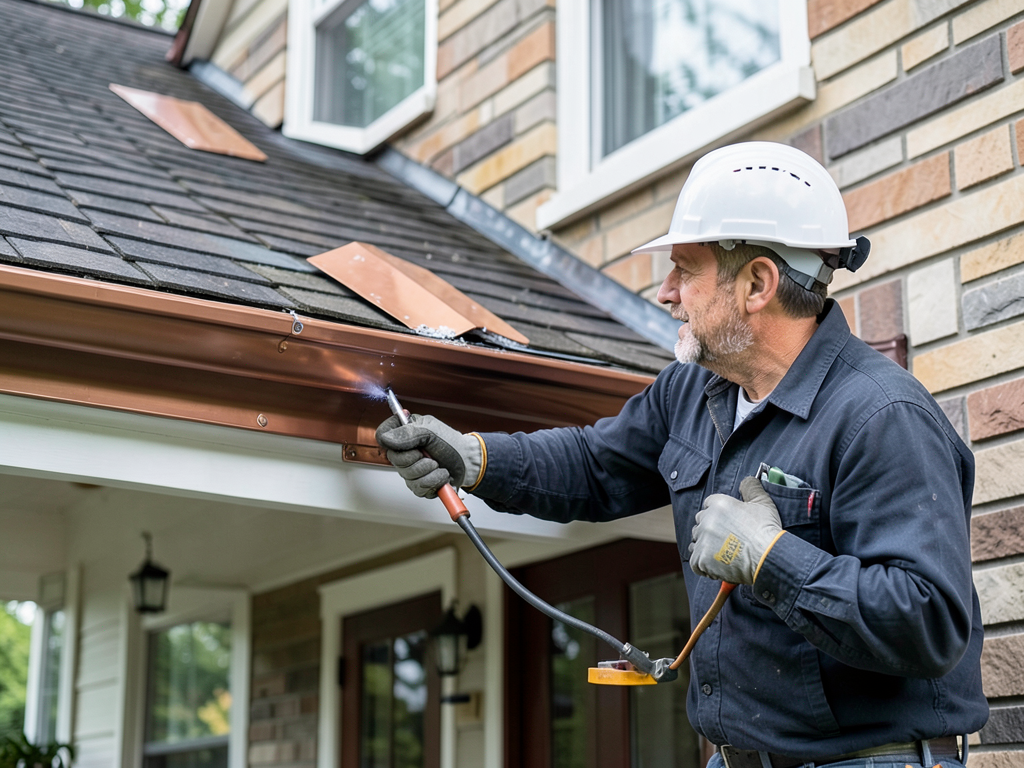
Proper copper installation requires specialized skills and tools. Soldered seams create watertight joints that expand and contract as a single unit. The soldering process must achieve specific temperatures to create durable bonds without overheating the copper. Cold-weather installations require additional techniques to ensure proper solder flow.
Copper flashing details protect vulnerable roof areas where different materials meet. Step flashing along walls and chimney cricket flashing on steep pitches prevent water infiltration. The National Roofing Contractors Association (NRCA) guidelines specify minimum overlap dimensions and fastening patterns for copper flashing in high-wind zones like Chicago’s North Shore. National Roofing Contractors Association.
Thermal expansion calculations determine fastener spacing and joint design. Copper expands approximately 0.0000094 inches per inch per degree Fahrenheit. On a 20-foot copper panel experiencing Chicago’s 120-degree temperature swing, this translates to nearly 1/4 inch of total movement. Installation methods must accommodate this without stressing the material.
Underlayment selection affects copper’s long-term performance. Synthetic underlayments resist the acidic compounds that can form between copper and certain asphalt products. The underlayment also provides a cushion that prevents minor movements from creating wear points at fastener locations.. Read more about Choosing Between Natural Slate and Synthetic Alternatives for Your Glenview Estate.
Preserving Winnetka’s Architectural Heritage with Copper
Winnetka’s historic districts contain homes built between 1890 and 1940 that showcase original copper details. These elements often require restoration rather than replacement to maintain historical accuracy. The Winnetka Historic Preservation Commission reviews exterior modifications to ensure new copper work matches existing patterns and materials.
French Provincial homes in Winnetka commonly feature copper-clad bay windows and dormers. The material’s ability to form complex curves makes it ideal for the rounded archways and turret shapes characteristic of this style. Restoration projects often reveal original copper details beneath layers of paint or corrosion.
Tudor Revival homes benefit from copper’s ability to create the steep, complex rooflines these houses require. Copper valleys and ridges provide durable protection in these high-stress areas while adding visual interest through contrasting patina development. The material’s weight requires proper structural support, especially on older homes.
Colonial Revival homes in Winnetka often feature copper-clad cupolas and widow’s walks. These elements serve both decorative and functional purposes, providing ventilation while creating distinctive silhouettes. The copper’s reflective quality enhances these features’ visibility from both street level and neighboring properties.
Maintenance and Longevity Considerations
Copper roofing accents require minimal maintenance once installed. Annual inspections should check for loose fasteners, separated seams, or debris accumulation in valleys. The material’s natural resistance to biological growth eliminates the need for chemical treatments that can damage other roofing materials.
Cleaning copper accents involves gentle washing with mild soap and water. Abrasive cleaners or pressure washing can damage the developing patina or create uneven coloration. Some homeowners prefer the varied appearance of natural patina, while others request uniform cleaning to maintain consistent coloring across all copper elements. Why More Naperville Homeowners are Switching to Metal Roofing This Year.
Impact damage from falling branches or hail can dent copper surfaces. While these dents don’t typically affect performance, they may be visible on flat surfaces. 20-ounce copper provides better resistance to impact damage than lighter gauges, though at increased cost.
Copper’s longevity makes it economical despite higher initial costs. A quality copper installation typically lasts 50-100 years, compared to 20-30 years for standard asphalt shingles. The material’s recyclability also appeals to environmentally conscious homeowners concerned about construction waste.
Investment Value and Property Considerations
Copper accents can increase property values in Winnetka’s luxury market. Real estate appraisers recognize quality copper work as a premium feature that distinguishes properties from standard offerings. The material’s durability and low maintenance requirements appeal to buyers seeking long-term value over initial cost savings.
Insurance companies often offer premium discounts for homes with impact-resistant roofing materials. While copper itself isn’t classified as impact-resistant, its durability and longevity can factor into overall property risk assessments. Some insurers provide specific credits for architectural copper work that meets industry standards.
Property tax assessments may increase following copper installation due to the material’s premium classification. However, the improvement’s longevity often justifies this adjustment through decades of enhanced performance and reduced maintenance costs. Local tax assessors evaluate copper work based on installation quality and material specifications.
The return on investment for copper accents varies by application. Visible elements like gutters and bay window roofs typically provide better ROI than less visible components. The material’s ability to enhance architectural character often proves more valuable than its functional benefits alone.
Comparing Copper to Alternative Materials
Zinc offers similar durability to copper but develops a more uniform gray patina. The material costs less than copper but cannot achieve the same range of colors and textures. Zinc’s lower thermal expansion coefficient makes it easier to install but limits its ability to form complex shapes.
Aluminum provides a copper-like appearance at lower cost but lacks the material’s longevity and patina development. Painted aluminum requires periodic recoating to maintain appearance. The material’s lighter weight makes it suitable for applications where copper’s weight might stress older structures.
Copper-look steel products mimic copper’s appearance through specialized coatings. These products cost significantly less than real copper but cannot develop authentic patina or provide the same longevity. The coatings eventually fail, requiring replacement or refinishing.
Stainless steel offers excellent durability but lacks copper’s aesthetic qualities. The material’s silver finish doesn’t develop patina and can appear industrial on residential applications. Its higher cost than aluminum makes it less common for decorative accents.
Frequently Asked Questions
Will copper roofing stain my siding or concrete?
During the early oxidation stages, copper can release compounds that may discolor light-colored surfaces. This typically occurs within the first 6-12 months. Professional installers use protective barriers and strategic water management to minimize this risk. Once the patina fully develops, staining becomes extremely rare. Extending the Life of Your Flat Roof in Hyde Park with Professional Coating.
How long until copper turns green?
In Winnetka’s climate, copper typically develops its final blue-green patina after 5-7 years. The process begins with a brown oxidation layer appearing within weeks of installation. Chicago’s humidity from Lake Michigan accelerates the transformation compared to drier inland areas. Some homeowners appreciate the intermediate brown stage, while others prefer the final green color.
Is copper roofing worth the investment in Winnetka?
For Winnetka’s luxury market, copper accents often provide excellent value. The material’s 50+ year lifespan, minimal maintenance requirements, and ability to enhance property character make it cost-effective over time. Many North Shore homeowners view copper as essential for maintaining their home’s architectural integrity and market position.
Can copper be installed over existing roofing?
Copper accents typically require proper underlayment and structural support. Installing over existing materials risks creating moisture traps and preventing proper fastening. Each application requires evaluation of the existing roof condition, structural capacity, and integration with surrounding materials. Professional assessment determines the appropriate installation method.
Does copper roofing require special permits in Winnetka?
Most copper roofing installations require building permits from the Village of Winnetka. Historic district properties face additional review by the Historic Preservation Commission. The permitting process evaluates structural requirements, fire safety, and compliance with local building codes. Professional installers typically handle permit acquisition as part of the project scope.
Ready to Enhance Your Winnetka Home?
Custom copper roofing accents represent a significant investment in your property’s beauty and value. The material’s durability, low maintenance requirements, and ability to enhance architectural character make it particularly well-suited to Winnetka’s luxury homes and demanding climate.
Professional installation ensures your copper accents perform beautifully for decades. From proper material selection to expert soldering techniques, every detail matters in creating lasting results. The right installation prevents common problems like seam separation and water infiltration while maximizing the material’s aesthetic potential.
Call (773) 599-7055 today to schedule your copper roofing consultation. Our team understands Winnetka’s specific requirements and can help you select the perfect copper accents for your home’s style and budget. Don’t wait until next season to start enhancing your property’s curb appeal.
Pick up the phone and call (773) 599-7055 before the next storm hits. Protect your investment with copper roofing accents that combine timeless beauty with unmatched durability. Your home deserves the quality and craftsmanship that only professional copper installation provides.
{
“@context”: “https://schema.org”,
“@type”: “BlogPosting”,
“headline”: “Increasing the Curb Appeal of Your Winnetka Property with Custom Copper Roofing”,
“description”: “Discover how custom copper roofing accents can elevate your Winnetka home’s luxury appeal. Learn about durability, patina development, and architectural integration.”,
“wordCount”: 2069,
“datePublished”: “2026-04-03T13:44:00.000Z”,
“dateModified”: “2026-04-03T13:44:00.000Z”,
“inLanguage”: “en-US”,
“mainEntityOfPage”: {
“@type”: “WebPage”,
“@id”: “https://patriotroofingchicago.com”
},
“publisher”: {
“@type”: “LocalBusiness”,
“name”: “Patriot Roofing Chicago”,
“url”: “https://patriotroofingchicago.com”
},
“author”: {
“@type”: “Organization”,
“name”: “Patriot Roofing Chicago”,
“url”: “https://patriotroofingchicago.com”
},
“image”: {
“@type”: “ImageObject”,
“url”: “https://patriotroofingchicago.com/wp-content/uploads/2026/03/increasing-the-curb-appeal-of-your-winnetka-proper-1.png”
}
}
{
“@context”: “https://schema.org”,
“@type”: “RoofingContractor”,
“name”: “Patriot Roofing Chicago”,
“url”: “https://patriotroofingchicago.com”,
“address”: {
“@type”: “PostalAddress”,
“addressLocality”: “Chicago”
},
“areaServed”: {
“@type”: “City”,
“name”: “Chicago”
}
}
{
“@context”: “https://schema.org”,
“@type”: “FAQPage”,
“mainEntity”: [
{
“@type”: “Question”,
“name”: “Will copper roofing stain my siding or concrete?”,
“acceptedAnswer”: {
“@type”: “Answer”,
“text”: “During the early oxidation stages, copper can release compounds that may discolor light-colored surfaces. This typically occurs within the first 6-12 months. Professional installers use protective barriers and strategic water management to minimize this risk. Once the patina fully develops, staining becomes extremely rare. Extending the Life of Your Flat Roof in Hyde Park with Professional Coating.”
}
},
{
“@type”: “Question”,
“name”: “How long until copper turns green?”,
“acceptedAnswer”: {
“@type”: “Answer”,
“text”: “In Winnetka’s climate, copper typically develops its final blue-green patina after 5-7 years. The process begins with a brown oxidation layer appearing within weeks of installation. Chicago’s humidity from Lake Michigan accelerates the transformation compared to drier inland areas. Some homeowners appreciate the intermediate brown stage, while others prefer the final green color.”
}
},
{
“@type”: “Question”,
“name”: “Is copper roofing worth the investment in Winnetka?”,
“acceptedAnswer”: {
“@type”: “Answer”,
“text”: “For Winnetka’s luxury market, copper accents often provide excellent value. The material’s 50+ year lifespan, minimal maintenance requirements, and ability to enhance property character make it cost-effective over time. Many North Shore homeowners view copper as essential for maintaining their home’s architectural integrity and market position.”
}
},
{
“@type”: “Question”,
“name”: “Can copper be installed over existing roofing?”,
“acceptedAnswer”: {
“@type”: “Answer”,
“text”: “Copper accents typically require proper underlayment and structural support. Installing over existing materials risks creating moisture traps and preventing proper fastening. Each application requires evaluation of the existing roof condition, structural capacity, and integration with surrounding materials. Professional assessment determines the appropriate installation method.”
}
},
{
“@type”: “Question”,
“name”: “Does copper roofing require special permits in Winnetka?”,
“acceptedAnswer”: {
“@type”: “Answer”,
“text”: “Most copper roofing installations require building permits from the Village of Winnetka. Historic district properties face additional review by the Historic Preservation Commission. The permitting process evaluates structural requirements, fire safety, and compliance with local building codes. Professional installers typically handle permit acquisition as part of the project scope.”
}
},
{
“@type”: “Question”,
“name”: “Ready to Enhance Your Winnetka Home?”,
“acceptedAnswer”: {
“@type”: “Answer”,
“text”: “Custom copper roofing accents represent a significant investment in your property’s beauty and value. The material’s durability, low maintenance requirements, and ability to enhance architectural character make it particularly well-suited to Winnetka’s luxury homes and demanding climate.”
}
}
]
}
{
“@context”: “https://schema.org”,
“@type”: “BreadcrumbList”,
“itemListElement”: [
{
“@type”: “ListItem”,
“position”: 1,
“name”: “Home”,
“item”: “https://patriotroofingchicago.com”
},
{
“@type”: “ListItem”,
“position”: 2,
“name”: “Blog”,
“item”: “https://patriotroofingchicago.com/blog”
},
{
“@type”: “ListItem”,
“position”: 3,
“name”: “Increasing the Curb Appeal of Your Winnetka Property with Custom Copper Roofing”
}
]
}
{
“@context”: “https://schema.org”,
“@type”: “Service”,
“serviceType”: “Roofing”,
“provider”: {
“@type”: “LocalBusiness”,
“name”: “Patriot Roofing Chicago”,
“url”: “https://patriotroofingchicago.com”
},
“areaServed”: {
“@type”: “City”,
“name”: “Chicago”
},
“description”: “Discover how custom copper roofing accents can elevate your Winnetka home’s luxury appeal. Learn about durability, patina development, and architectural integration.”
}