
Improving Your Attic Ventilation to Save Money on Chicago Cooling Costs
Chicago summers push attic temperatures above 150°F forcing your air conditioner to work overtime. Poor attic ventilation traps heat and moisture creating a perfect storm for high energy bills and roof damage. The right ventilation system can cut cooling costs by up to 20% while preventing ice dams in winter and extending your roof’s lifespan by years. Chicago Building Code.
How Chicago’s Climate Makes Attic Ventilation Critical
Chicago experiences some of the most extreme temperature swings in the country. Summer humidity from Lake Michigan combines with winter freeze-thaw cycles to create unique attic challenges. When warm moist air from your living space rises into a poorly ventilated attic it condenses on cold surfaces. This creates the perfect conditions for mold growth wood rot and ice dam formation.. Read more about How to Stop Ice Dams from Ruining Your Chicago Roof This Winter.
During winter heat escaping through your ceiling melts snow on the roof. This water runs down to the eaves where it refreezes creating ice dams that force water under shingles. Proper ventilation keeps the attic temperature closer to the outside air temperature preventing this cycle.
Understanding Ventilation The Science Behind the Savings
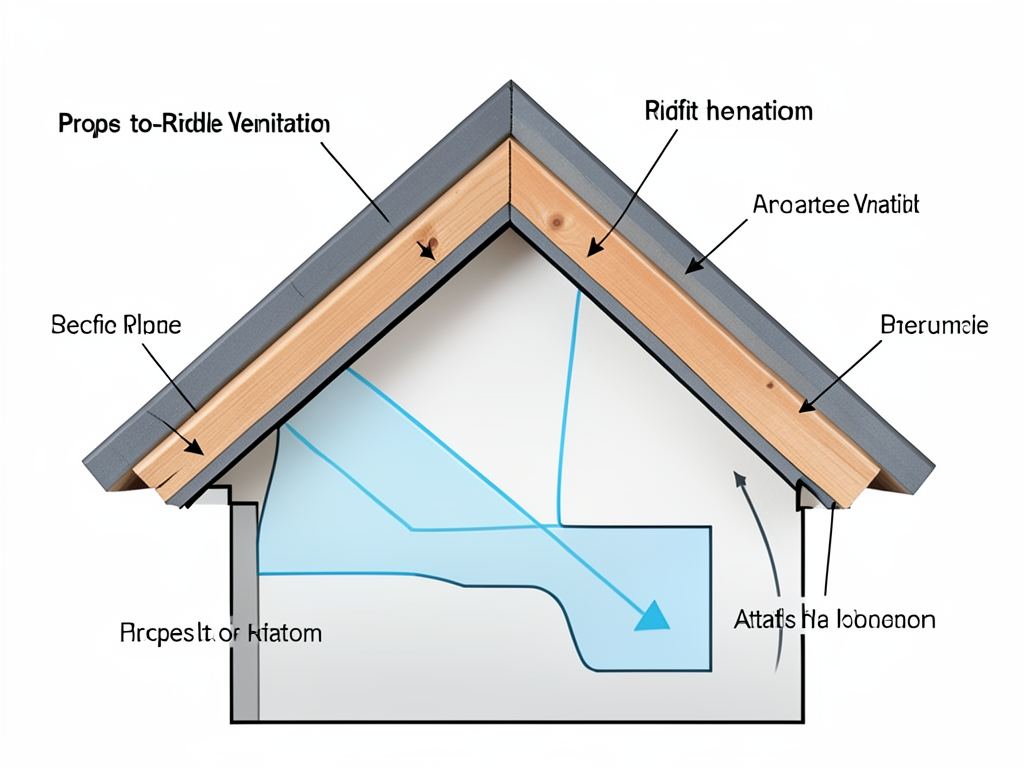
Effective attic ventilation works on a simple principle hot air rises. A balanced system requires both intake vents usually in the soffits and exhaust vents at or near the ridge. This creates continuous airflow that carries heat and moisture out of your attic. Soffit & Fascia Services.
The Chicago Building Code requires 1 square foot of net free ventilation area for every 150 square feet of attic floor space. For homes with vapor barriers this ratio can be reduced to 1:300. Many older Chicago homes built before modern codes were established have inadequate ventilation by today’s standards.
Types of Attic Ventilation Systems
Ridge Vents run along the peak of your roof providing continuous exhaust ventilation. They work best when paired with proper soffit intake vents. Modern ridge vents feature external baffles that prevent rain and snow infiltration while allowing maximum airflow.
Soffit Vents install in the eaves beneath your roof overhang. These provide the intake air that drives the entire ventilation system. Without adequate soffit ventilation ridge vents cannot function properly.
Gable Vents mount on the exterior walls at the ends of your attic. While better than no ventilation they create limited cross-ventilation compared to ridge-and-soffit systems.
Attic Fans use electricity to actively exhaust hot air. Solar-powered models eliminate operating costs but may not provide sufficient airflow during cloudy periods. Fans work well as supplements to passive ventilation but should never be the primary system.
Static Vents include turbine vents and box vents. Turbine vents spin with even slight breezes to actively exhaust air. Box vents rely entirely on passive convection and require more units to achieve the same airflow as ridge vents.
Chicago-Specific Ventilation Challenges
Chicago’s heavy snow loads create unique ventilation concerns. Snow can block ridge vents and gable vents reducing airflow when you need it most. Ice formation around vent edges can also restrict airflow. Homes in areas like Berwyn and Forest Park with mature tree canopies face additional challenges from leaves and debris blocking soffit vents. Roofing Berwyn.
The city’s high humidity levels mean attics need more ventilation than homes in drier climates. Chicago’s average relative humidity exceeds 70% during summer months compared to 50-60% in many other regions. This extra moisture requires enhanced ventilation capacity to prevent condensation and mold growth.
Many Chicago bungalows and two-flats have complex roof structures with multiple valleys and dormers. These architectural features require specialized ventilation planning to ensure adequate airflow reaches all attic spaces.
Common Ventilation Problems in Chicago Homes
Blocked Soffit Vents represent the most frequent ventilation failure. Insulation often falls into soffit areas during construction or renovation blocking the very vents meant to supply fresh air. Installing proper baffles prevents this issue.
Insufficient Ventilation Area plagues many older homes. A 1500-square-foot attic requires at least 10 square feet of net free ventilation area. Many pre-1980 homes have less than half this amount.
Poor Vent Placement creates dead zones where heat and moisture accumulate. Vents placed too close together or in the wrong locations fail to create the airflow patterns necessary for effective ventilation.
Unbalanced Systems occur when exhaust capacity exceeds intake capacity. This creates negative pressure that can pull conditioned air from your living space into the attic increasing energy costs.
Benefits Beyond Energy Savings
Proper attic ventilation extends far beyond lower cooling bills. Your roof shingles last longer when they’re not subjected to extreme attic heat. Asphalt shingles can deteriorate 50% faster when attic temperatures exceed 140°F.
Moisture control prevents structural damage to roof decking and rafters. In Chicago’s humid climate condensation can cause wood rot within just a few seasons if ventilation is inadequate.
Ice dam prevention saves thousands in potential water damage repairs. A single ice dam can cause ceiling stains wall damage and insulation degradation that costs $5000 or more to repair.
Indoor air quality improves when moisture and mold spores cannot accumulate in your attic. This is especially important for Chicago homes with finished attics or those used for storage.
Professional Ventilation Assessment Process
A thorough attic ventilation assessment involves several diagnostic steps. First technicians measure current temperature and humidity levels throughout the attic space. They identify existing ventilation components and calculate the total net free ventilation area.
Next they inspect for signs of moisture damage including water stains on rafters rusted nail heads and mold growth. They check for proper insulation levels and ensure baffles are correctly installed to maintain clear airflow paths from soffits to ridge.
Technicians also evaluate your roof’s structural integrity looking for signs of heat damage to shingles and decking. They assess whether your current ventilation system meets Chicago’s building code requirements and recommend specific improvements if needed.
Installation Best Practices
Professional installation follows specific guidelines to ensure optimal performance. Soffit vents should provide at least 50% of the total ventilation area with the remaining 50% at or near the ridge. This 50/50 balance ensures proper airflow throughout the attic. Extending the Life of Your Flat Roof in Hyde Park with Professional Coating.
Intake vents must remain unobstructed by insulation. Installing proper baffles creates clear channels that prevent insulation from blocking airflow while maintaining energy efficiency.
Exhaust vents should be installed as high as possible on the roof ideally along the entire ridge. This placement takes advantage of natural convection as hot air naturally rises to exit through the highest points.. Read more about Adding More Natural Light to Your Lincoln Park Home with New Skylights.
Special consideration is needed for complex roof designs. Hip roofs for example may require additional ventilation near the hip ridges to ensure adequate airflow in all attic areas.
Cost Considerations and ROI
Improving attic ventilation typically costs between $1500 and $3500 for a complete system installation. This investment often pays for itself within 2-3 years through reduced energy costs alone.
Additional savings come from extended roof life. Proper ventilation can add 5-10 years to your roof’s lifespan delaying the $10000+ cost of a full replacement.
Ice dam prevention alone can save thousands in potential water damage repairs. The average ice dam claim exceeds $6000 when interior damage is included.
Maintenance and Long-Term Care
Attic ventilation systems require minimal maintenance but benefit from annual inspections. Check soffit vents each fall to ensure they’re clear of debris and insulation. Look for signs of animal nesting in exhaust vents during spring.
After severe storms inspect ridge vents for damage or displacement. Heavy winds can sometimes lift vent components reducing their effectiveness.
Monitor your attic’s temperature and humidity levels during extreme weather. If temperatures consistently exceed outdoor air temperature by more than 15°F your ventilation may need adjustment.
Special Considerations for Chicago Architecture
Chicago’s diverse housing stock requires different ventilation approaches. Bungalows often have low-pitched roofs that limit traditional ridge vent installation. These homes may benefit from combination systems using both ridge vents and strategically placed static vents.
Two-flats and three-flats present unique challenges due to their size and multiple roof sections. Each section may require its own ventilation system to ensure adequate airflow throughout the entire structure.
Historic homes in areas like Oak Park may have restrictions on visible ventilation modifications. In these cases low-profile solutions like solar attic fans or specialized ridge vents that blend with existing architecture become important.
Flat roof buildings common in many Chicago neighborhoods require completely different ventilation strategies. These structures often use mechanical ventilation systems or specialized roof coatings that incorporate ventilation properties.
Energy Efficiency Synergy
Attic ventilation works best as part of a comprehensive energy efficiency strategy. Proper insulation levels complement ventilation by reducing the amount of heat transfer between your living space and attic.
Radiant barriers installed beneath roof decking can reduce heat gain by up to 40% when combined with good ventilation. This combination is particularly effective in Chicago’s hot humid summers.
Smart thermostats that adjust based on attic temperature can optimize your HVAC system’s performance. Some advanced systems even integrate with attic ventilation to maximize energy savings.
Environmental Impact
Beyond personal savings proper attic ventilation reduces your home’s carbon footprint. Lower air conditioning usage means reduced electricity consumption which in Chicago primarily comes from fossil fuel sources.
Extended roof life means fewer roofing materials in landfills. The average roof replacement generates several hundred pounds of waste so delaying replacement through proper maintenance has significant environmental benefits. Roofing Forest Park.
Moisture control prevents mold growth which can release harmful spores into your home and the surrounding environment. This creates healthier living conditions for your family and neighbors.
Choosing the Right Contractor
Attic ventilation requires specialized knowledge of building science and local climate conditions. Look for contractors with specific experience in Chicago-area homes and understanding of local building codes.
Ask potential contractors about their assessment process and whether they use diagnostic tools like infrared cameras or moisture meters. A thorough evaluation should include both visual inspection and quantitative measurements.
Verify that contractors understand the specific requirements for your home’s architecture. A bungalow requires different ventilation strategies than a two-flat or modern construction home.
Frequently Asked Questions
How do I know if my attic needs better ventilation?
Signs include high cooling bills ice dams in winter mold or mildew odors excessive attic heat and moisture damage to roof decking. If your second floor is significantly warmer than the first ventilation issues are likely.
Can I install ventilation myself?
While some basic maintenance is possible proper ventilation installation requires understanding building codes roof structure and airflow dynamics. DIY installations often create more problems than they solve potentially leading to roof leaks or inadequate ventilation.
How long does ventilation installation take?
Most complete ventilation system installations take 1-2 days for a typical Chicago home. Complex roof structures or historic homes may require additional time for proper planning and execution.
Will ventilation installation damage my roof?
Professional installation should not damage your roof. In fact proper ventilation prevents the very damage that poor ventilation causes. Experienced contractors use techniques that maintain your roof’s integrity while improving its performance.
Take Control of Your Home’s Comfort and Efficiency
Don’t let another Chicago summer drain your wallet through excessive cooling costs. Poor attic ventilation affects not just your energy bills but your home’s structural integrity and your family’s comfort. The solution is straightforward but requires professional assessment and installation to be effective.
Every day you wait means higher energy bills and increased risk of moisture damage. Chicago’s climate won’t wait for you to act. Take the first step toward lower cooling costs and a healthier home by scheduling your professional attic ventilation assessment today.
Call (773) 599-7055 to schedule your inspection and discover how much you could save with proper attic ventilation. Our Chicago-based experts understand the unique challenges our climate presents and can recommend the perfect solution for your home.
Pick up the phone and call (773) 599-7055 before the next heat wave hits. Your wallet and your roof will thank you.

For more information, visit Department of Energy attic ventilation guide. For more information, visit National Association of Certified Home Inspectors.
{
“@context”: “https://schema.org”,
“@type”: “BlogPosting”,
“headline”: “Improving Your Attic Ventilation to Save Money on Chicago Cooling Costs”,
“description”: “Discover how proper attic ventilation can cut your Chicago cooling costs by 20% while preventing ice dams and roof damage in our extreme climate.”,
“wordCount”: 2002,
“datePublished”: “2026-03-02T15:07:00.000Z”,
“dateModified”: “2026-03-02T15:07:00.000Z”,
“inLanguage”: “en-US”,
“mainEntityOfPage”: {
“@type”: “WebPage”,
“@id”: “https://patriotroofingchicago.com”
},
“publisher”: {
“@type”: “LocalBusiness”,
“name”: “Patriot Roofing Chicago”,
“url”: “https://patriotroofingchicago.com”
},
“author”: {
“@type”: “Organization”,
“name”: “Patriot Roofing Chicago”,
“url”: “https://patriotroofingchicago.com”
},
“image”: {
“@type”: “ImageObject”,
“url”: “https://patriotroofingchicago.com/wp-content/uploads/2026/03/improving-your-attic-ventilation-to-save-money-on-1.png”
}
}
{
“@context”: “https://schema.org”,
“@type”: “RoofingContractor”,
“name”: “Patriot Roofing Chicago”,
“url”: “https://patriotroofingchicago.com”,
“address”: {
“@type”: “PostalAddress”,
“addressLocality”: “Chicago”
},
“areaServed”: {
“@type”: “City”,
“name”: “Chicago”
}
}
{
“@context”: “https://schema.org”,
“@type”: “FAQPage”,
“mainEntity”: [
{
“@type”: “Question”,
“name”: “How do I know if my attic needs better ventilation?”,
“acceptedAnswer”: {
“@type”: “Answer”,
“text”: “Signs include high cooling bills ice dams in winter mold or mildew odors excessive attic heat and moisture damage to roof decking. If your second floor is significantly warmer than the first ventilation issues are likely.”
}
},
{
“@type”: “Question”,
“name”: “Can I install ventilation myself?”,
“acceptedAnswer”: {
“@type”: “Answer”,
“text”: “While some basic maintenance is possible proper ventilation installation requires understanding building codes roof structure and airflow dynamics. DIY installations often create more problems than they solve potentially leading to roof leaks or inadequate ventilation.”
}
},
{
“@type”: “Question”,
“name”: “How long does ventilation installation take?”,
“acceptedAnswer”: {
“@type”: “Answer”,
“text”: “Most complete ventilation system installations take 1-2 days for a typical Chicago home. Complex roof structures or historic homes may require additional time for proper planning and execution.”
}
},
{
“@type”: “Question”,
“name”: “Will ventilation installation damage my roof?”,
“acceptedAnswer”: {
“@type”: “Answer”,
“text”: “Professional installation should not damage your roof. In fact proper ventilation prevents the very damage that poor ventilation causes. Experienced contractors use techniques that maintain your roof’s integrity while improving its performance.”
}
}
]
}
{
“@context”: “https://schema.org”,
“@type”: “BreadcrumbList”,
“itemListElement”: [
{
“@type”: “ListItem”,
“position”: 1,
“name”: “Home”,
“item”: “https://patriotroofingchicago.com”
},
{
“@type”: “ListItem”,
“position”: 2,
“name”: “Blog”,
“item”: “https://patriotroofingchicago.com/blog”
},
{
“@type”: “ListItem”,
“position”: 3,
“name”: “Improving Your Attic Ventilation to Save Money on Chicago Cooling Costs”
}
]
}
{
“@context”: “https://schema.org”,
“@type”: “Service”,
“serviceType”: “Roofing”,
“provider”: {
“@type”: “LocalBusiness”,
“name”: “Patriot Roofing Chicago”,
“url”: “https://patriotroofingchicago.com”
},
“areaServed”: {
“@type”: “City”,
“name”: “Chicago”
},
“description”: “Discover how proper attic ventilation can cut your Chicago cooling costs by 20% while preventing ice dams and roof damage in our extreme climate.”
}