
Identifying Hidden Roof Flashing Issues Before They Ruin Your Palatine Home
Roof flashing problems often start small but can quickly escalate into major structural damage if left unaddressed. In Palatine homes where heavy snow loads and freeze-thaw cycles are common flashing failures can lead to water infiltration that rots wood framing damages insulation and creates perfect conditions for mold growth. This guide will help you understand what flashing is how to spot trouble early and why addressing these issues promptly protects your home’s value and your family’s health.. Read more about Fixing Common Terrace Leaks in Streeterville Penthouses Before Water Hits Your Living Room.
Flashing serves as the waterproof barrier where different roof sections meet walls chimneys skylights and valleys. When properly installed with materials like galvanized steel or copper it directs water away from vulnerable joints. But when flashing deteriorates from age improper installation or Chicago’s harsh weather patterns water finds its way in through the smallest gaps. By the time you notice water stains on your ceiling the damage behind your walls may already be extensive. Getting Your Flat Roof Ready for a Chicago Winter in Wicker Park.
Common Flashing Failure Patterns in Palatine Homes
Palatine’s climate creates unique challenges for roof flashing. The freeze-thaw cycles common in northern Illinois cause metal flashing to expand and contract repeatedly eventually breaking sealant bonds and creating gaps. Heavy snow accumulation adds weight stress to flashing points particularly around chimneys and roof valleys where ice dams frequently form. Understanding these failure patterns helps you recognize problems before they escalate.
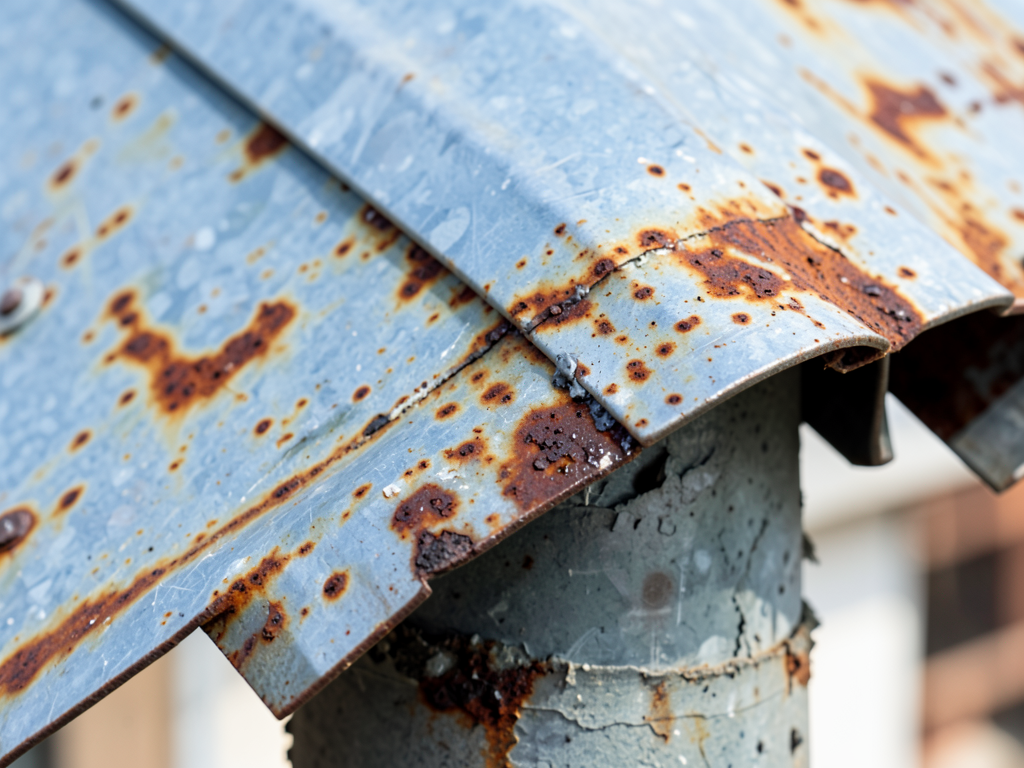
Chimney flashing failures represent the most frequent issue we see in Palatine neighborhoods. The metal strips that seal the gap between your chimney and roof often separate from the brick due to thermal movement. You might notice rusted metal cracked caulk or water stains on walls near the fireplace. Valley flashing which channels water between roof sections can pull away from underlayment during high winds or develop holes from debris impact. Step flashing along walls and dormers often fails when the sealant deteriorates or the metal corrodes at fastener points. EPA Mold Information.
Another critical failure point involves kick-out flashing at roof-to-wall intersections. This specialized piece directs water away from siding into the gutter system. When missing or improperly installed water runs down walls and can cause extensive siding damage before you notice interior problems. In Palatine’s older neighborhoods like Deer Grove and Palatine Hills many homes lack proper kick-out flashing altogether making them particularly vulnerable to these issues.. Read more about Why Your Oak Brook Home Needs an Ice and Water Shield Even if the Rest of the Roof is Fine.
Diagnostic Signs of Flashing Problems
Learning to identify flashing issues early can save you thousands in repair costs. Start by examining your attic during daylight hours. Look for pinpoints of light around chimneys vents and roof edges. These indicate gaps where flashing has failed. Next check for water stains on rafters or roof decking particularly near exterior walls. Even small discoloration suggests moisture intrusion that requires immediate attention.
Outside inspect flashing for visible damage. Rusted metal bent sections or missing pieces signal immediate problems. Pay special attention to the sealant around flashing joints. Cracked peeling or missing caulk allows water infiltration even when the metal itself remains intact. In Palatine’s older homes you might find tar patches over original flashing – a temporary fix that often fails within one or two seasons.. Read more about Why Your Bathroom Exhaust Fans Might Be the Real Cause of Roof Rot in Your Portage Park Home.
Listen for unusual sounds during rain. Dripping water inside walls or ceilings indicates active leaks that may originate from flashing failures. The sound might be subtle – a faint tapping or rushing water behind drywall. These auditory clues often appear before visible damage becomes apparent. Also monitor your energy bills. Water infiltration through failed flashing can saturate insulation reducing its effectiveness and forcing your HVAC system to work harder.
Professional Inspection Process for Palatine Homeowners
A thorough flashing inspection involves more than a quick visual scan. Professional roofers use moisture meters to detect water within roof decking and walls without causing damage. They check for proper flashing overlap – each piece should overlap the one below by at least two inches to create a water-shedding effect. The inspection also includes verifying that flashing extends up the wall at least four inches and that counter-flashing properly covers step flashing. Extending the Life of Your Flat Roof in Hyde Park with Professional Coating.
During inspection we examine the type of metal used in your flashing. Galvanized steel remains common in Palatine homes built before 2000 but it corrodes faster than copper or aluminum in our climate. We also check fastener spacing – nails should be placed every six to eight inches along flashing edges. Missing fasteners allow wind to lift flashing creating entry points for water. The inspection includes checking for proper cricket installation behind chimneys wider than 30 inches which prevents water pooling and ice dam formation.
Ice and water shield installation represents another critical inspection point. This self-adhering membrane should extend at least three feet up from the eaves and around all roof penetrations. In Palatine where ice dams frequently form proper ice shield coverage prevents water backup under shingles. We verify that the shield overlaps flashing by at least six inches creating a continuous waterproof barrier from eaves to ridge.
Repair Solutions and Material Options
Repair approaches vary based on the extent of damage and your home’s age. Minor sealant failures often require only cleaning and re-caulking with high-quality polyurethane or silicone caulk rated for exterior use. For corroded flashing complete replacement with new galvanized steel or copper provides the most durable solution. Copper flashing while more expensive upfront lasts 50+ years in Palatine’s climate and develops a protective patina that prevents further corrosion.
Step flashing replacement requires careful attention to overlap patterns. Each piece must be woven into the shingle course below and extend up the wall at least four inches. We use galvanized roofing nails for metal-to-wood connections and stainless steel fasteners where dissimilar metals meet to prevent galvanic corrosion. For chimney flashing we often recommend installing a cricket – a small peaked structure that diverts water around the chimney base preventing ice dam formation. Is Solar Roofing Worth the Investment for Homes in Evanston?.
Drip edge installation represents another critical repair consideration. This metal strip directs water away from fascia boards into gutters preventing rot and pest infiltration. In Palatine’s older neighborhoods many homes lack proper drip edge entirely. Installation involves securing the strip along eaves and rakes before shingle installation creating a finished edge that protects the roof deck from wind-driven rain.
Cost Factors and Timing Considerations
Flashing repair costs vary significantly based on damage extent and material choices. Minor sealant repairs might cost $200-500 while complete flashing system replacement for a chimney or valley can range from $1,500-4,000. Copper flashing installation adds 30-50% to material costs but provides superior longevity. The key is addressing problems early – a $500 repair today prevents a $5,000 structural repair next year.
Timing matters significantly in Palatine. Late summer and early fall offer ideal conditions for flashing work with warm temperatures that allow proper sealant curing and minimal precipitation risk. Avoid scheduling repairs during January through March when frozen ground and extreme cold complicate installation. If you discover active leaks during winter temporary tarping can prevent further damage until spring repairs become feasible.
Insurance coverage for flashing repairs varies by policy. Most standard homeowners policies cover sudden damage from storms but exclude gradual deterioration from age or poor maintenance. Document any storm damage with photos and contact your insurance company promptly. For homes in Palatine’s historic districts check local regulations before replacing original flashing – some materials may require approval to maintain architectural integrity. Why More Naperville Homeowners are Switching to Metal Roofing This Year.
Preventative Maintenance Strategies
Regular maintenance extends flashing life and prevents costly repairs. Clean gutters twice yearly to prevent water backup that can seep under flashing. Trim tree branches that hang over your roof – falling limbs can bend flashing and create gaps. After severe storms inspect flashing from the ground using binoculars for visible damage or displacement.
Consider applying protective coatings to galvanized steel flashing every five years. These specialized paints contain rust inhibitors and extend metal life by creating an additional moisture barrier. For copper flashing occasional cleaning removes oxidation that can trap moisture against the metal. Avoid pressure washing flashing as high-pressure water can force its way under overlapping sections and cause internal damage.
Attic ventilation plays a crucial role in flashing longevity. Poor ventilation creates temperature extremes that accelerate metal fatigue and sealant failure. Ensure your attic has balanced intake and exhaust vents – typically one square foot of net free area per 150 square feet of attic space. In Palatine’s humid summers proper ventilation prevents condensation that can corrode flashing from the underside.
Emergency Response to Active Leaks
When you discover active water infiltration immediate action prevents further damage. First contain the leak inside using buckets and towels to protect flooring and furnishings. If safe inspect the attic to identify the water entry point – this helps direct temporary repairs. For active leaks a properly installed tarp can provide temporary protection until professional repairs begin.
Emergency tarping requires specific techniques for effectiveness. The tarp should extend at least four feet beyond the damaged area on all sides and be secured with 2×4 boards screwed through the tarp into the roof deck. Never use nails alone as they create additional leak points. The tarp should slope away from the roof penetration to direct water over rather than under the covering. What to Do When You Have a Roof Leak Emergency in Logan Square.
Document all emergency measures with photos for insurance purposes. Keep receipts for any materials purchased and note the date and time of the leak discovery. Most insurance companies require prompt reporting of damage – delays can result in claim denials based on failure to mitigate further damage.
Frequently Asked Questions
How can I tell if my flashing needs repair?
Look for rusted metal cracked sealant water stains on ceilings or walls and missing or bent flashing sections. Attic inspections during daylight can reveal light gaps around chimneys and vents that indicate flashing failures.
Is flashing repair covered by homeowners insurance?
Coverage depends on your policy and the damage cause. Storm damage is typically covered but deterioration from age or lack of maintenance usually isn’t. Check your policy details and document damage promptly.
How long should roof flashing last in Palatine’s climate?
Properly installed galvanized steel flashing typically lasts 20-30 years while copper can last 50+ years. Harsh winters and freeze-thaw cycles can shorten lifespan making regular inspections essential.
Can I repair flashing myself?
Minor sealant repairs are possible for DIYers but proper flashing installation requires specialized knowledge and tools. Improper repairs often cause more damage than they prevent so professional evaluation is recommended for most issues.
What’s the difference between step flashing and continuous flashing?
Step flashing consists of individual L-shaped pieces woven between shingles and up wall surfaces while continuous flashing is a single long piece used in valleys. Step flashing handles wall intersections better while continuous flashing efficiently channels water in roof valleys.
Protect Your Palatine Home from Hidden Water Damage
Roof flashing issues rarely announce themselves until significant damage has occurred. By understanding what to look for and taking prompt action when problems arise you can protect your Palatine home from the costly consequences of water infiltration. Remember that flashing serves as your roof’s first line of defense against our region’s challenging weather patterns.
Don’t wait for ceiling stains or mold growth to alert you to flashing problems. Schedule a professional inspection today to identify potential issues before they escalate. Our experienced team understands the unique challenges Palatine homes face and can recommend the most effective repair solutions for your specific situation.
Call (773) 599-7055 today to schedule your comprehensive flashing inspection. We’ll identify any problems explain your repair options clearly and help you protect your home from the hidden damage that faulty flashing can cause. Your home deserves the best protection against Palatine’s weather – don’t let flashing failures compromise your investment. For more information, visit Cook County Building Codes.
You may also find this helpful. Why the Dormers on Your Roscoe Village Home Are the Most Likely Source of That Mystery Leak.
{
“@context”: “https://schema.org”,
“@type”: “BlogPosting”,
“headline”: “Identifying Hidden Roof Flashing Issues Before They Ruin Your Palatine Home”,
“description”: “Learn how to spot hidden roof flashing problems in Palatine homes before they cause major water damage. Expert tips for identifying early warning signs.”,
“wordCount”: 2007,
“datePublished”: “2026-04-10T09:45:00.000Z”,
“dateModified”: “2026-04-10T09:45:00.000Z”,
“inLanguage”: “en-US”,
“mainEntityOfPage”: {
“@type”: “WebPage”,
“@id”: “https://patriotroofingchicago.com”
},
“publisher”: {
“@type”: “LocalBusiness”,
“name”: “Patriot Roofing Chicago”,
“url”: “https://patriotroofingchicago.com”
},
“author”: {
“@type”: “Organization”,
“name”: “Patriot Roofing Chicago”,
“url”: “https://patriotroofingchicago.com”
},
“image”: {
“@type”: “ImageObject”,
“url”: “https://patriotroofingchicago.com/wp-content/uploads/2026/03/identifying-hidden-roof-flashing-issues-before-the-1.png”
}
}
{
“@context”: “https://schema.org”,
“@type”: “RoofingContractor”,
“name”: “Patriot Roofing Chicago”,
“url”: “https://patriotroofingchicago.com”,
“address”: {
“@type”: “PostalAddress”,
“addressLocality”: “Chicago”
},
“areaServed”: {
“@type”: “City”,
“name”: “Chicago”
}
}
{
“@context”: “https://schema.org”,
“@type”: “FAQPage”,
“mainEntity”: [
{
“@type”: “Question”,
“name”: “How can I tell if my flashing needs repair?”,
“acceptedAnswer”: {
“@type”: “Answer”,
“text”: “Look for rusted metal cracked sealant water stains on ceilings or walls and missing or bent flashing sections. Attic inspections during daylight can reveal light gaps around chimneys and vents that indicate flashing failures.”
}
},
{
“@type”: “Question”,
“name”: “Is flashing repair covered by homeowners insurance?”,
“acceptedAnswer”: {
“@type”: “Answer”,
“text”: “Coverage depends on your policy and the damage cause. Storm damage is typically covered but deterioration from age or lack of maintenance usually isn’t. Check your policy details and document damage promptly.”
}
},
{
“@type”: “Question”,
“name”: “How long should roof flashing last in Palatine’s climate?”,
“acceptedAnswer”: {
“@type”: “Answer”,
“text”: “Properly installed galvanized steel flashing typically lasts 20-30 years while copper can last 50+ years. Harsh winters and freeze-thaw cycles can shorten lifespan making regular inspections essential.”
}
},
{
“@type”: “Question”,
“name”: “Can I repair flashing myself?”,
“acceptedAnswer”: {
“@type”: “Answer”,
“text”: “Minor sealant repairs are possible for DIYers but proper flashing installation requires specialized knowledge and tools. Improper repairs often cause more damage than they prevent so professional evaluation is recommended for most issues.”
}
},
{
“@type”: “Question”,
“name”: “What’s the difference between step flashing and continuous flashing?”,
“acceptedAnswer”: {
“@type”: “Answer”,
“text”: “Step flashing consists of individual L-shaped pieces woven between shingles and up wall surfaces while continuous flashing is a single long piece used in valleys. Step flashing handles wall intersections better while continuous flashing efficiently channels water in roof valleys.”
}
}
]
}
{
“@context”: “https://schema.org”,
“@type”: “BreadcrumbList”,
“itemListElement”: [
{
“@type”: “ListItem”,
“position”: 1,
“name”: “Home”,
“item”: “https://patriotroofingchicago.com”
},
{
“@type”: “ListItem”,
“position”: 2,
“name”: “Blog”,
“item”: “https://patriotroofingchicago.com/blog”
},
{
“@type”: “ListItem”,
“position”: 3,
“name”: “Identifying Hidden Roof Flashing Issues Before They Ruin Your Palatine Home”
}
]
}
{
“@context”: “https://schema.org”,
“@type”: “Service”,
“serviceType”: “Roofing”,
“provider”: {
“@type”: “LocalBusiness”,
“name”: “Patriot Roofing Chicago”,
“url”: “https://patriotroofingchicago.com”
},
“areaServed”: {
“@type”: “City”,
“name”: “Chicago”
},
“description”: “Learn how to spot hidden roof flashing problems in Palatine homes before they cause major water damage. Expert tips for identifying early warning signs.”
}