
Hot upper floor bedrooms in Mount Greenwood are a common frustration for homeowners, especially during Chicago’s humid summers. The problem stems from physics: heat rises, and older homes in this neighborhood often have inadequate attic insulation or ventilation. The good news is that you can cool those upstairs rooms without running your air conditioning nonstop. This guide walks through proven strategies that address the root causes of heat buildup, from simple fixes like ceiling fans to more substantial improvements like cool roofing materials that reflect solar heat before it enters your home. Why More Naperville Homeowners are Switching to Metal Roofing This Year.
Understanding Why Your Upper Floor Gets So Hot
Mount Greenwood’s housing stock, built primarily between the 1920s and 1950s, features classic Chicago bungalows and Cape Cods with finished upper floors. These homes often have limited attic space above the bedrooms, creating a heat trap. During summer days, sunlight beating down on your roof can heat the attic space to 150°F or higher. This super-heated air radiates through the ceiling into your bedrooms, making them 8-12°F warmer than downstairs.
The problem compounds because many of these homes have original fiberglass insulation that has settled over decades, creating gaps and reducing its effectiveness. Additionally, the Chicago Building Code requires specific ventilation ratios for attics, but older homes may not meet current standards. Without proper airflow, hot air stagnates in the attic space, turning your upper floor into an oven.
Another factor unique to Mount Greenwood is the neighborhood’s mature tree canopy. While trees provide shade that helps keep your home cooler, they also drop leaves and debris that can clog gutters and downspouts. This blockage prevents proper drainage and can lead to ice dam formation in winter, which damages roofing materials and creates pathways for heat loss in summer. Is Solar Roofing Worth the Investment for Homes in Evanston?.
Quick Fixes That Make an Immediate Difference
Before investing in major renovations, several low-cost improvements can significantly reduce upper floor heat. Ceiling fans are your first line of defense. A good quality ceiling fan running counterclockwise creates a wind-chill effect that makes you feel 4-5°F cooler without actually changing the room temperature. Install them in every upstairs bedroom and set them to run continuously during hot weather.
Next, evaluate your window treatments. Mount Greenwood receives intense afternoon sun, particularly on west-facing windows. Install cellular shades or thermal curtains with a white or reflective backing. These can block up to 80% of solar heat gain. For an even more effective solution, apply window film that rejects infrared radiation while maintaining visibility.
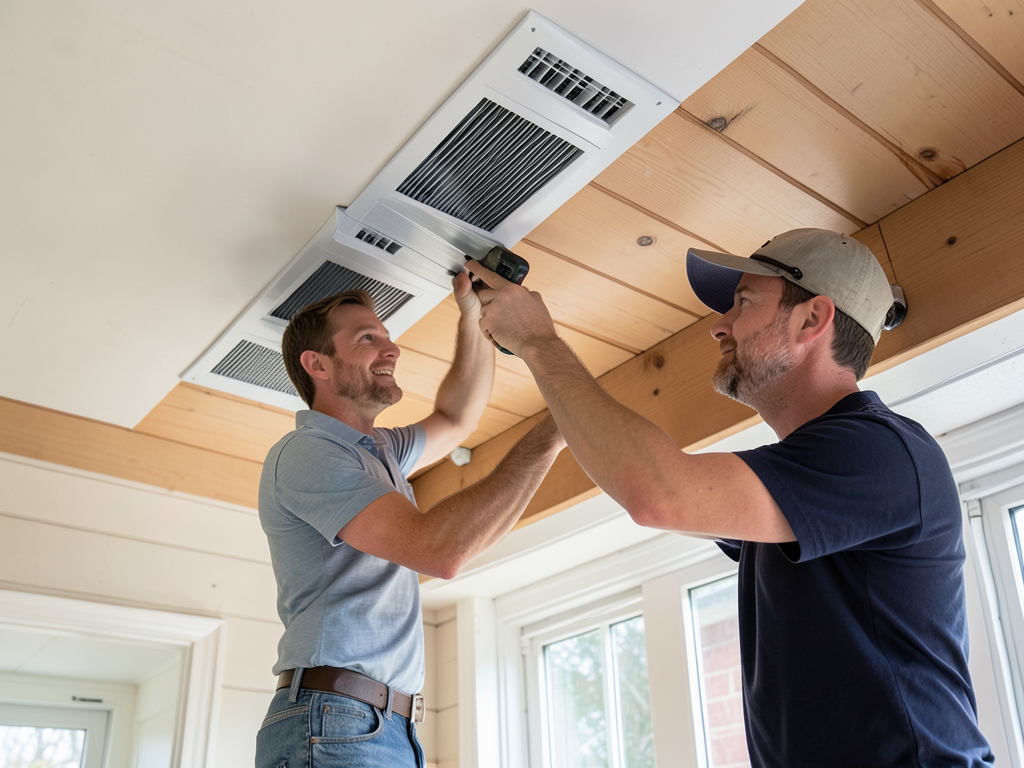
Check your air vents and returns. Many older homes have furniture blocking floor vents or have closed bedroom doors that restrict airflow. Keep all vents clear and consider installing ventilated door grilles to improve air circulation. Also, clean or replace your HVAC filters monthly during summer. Dirty filters restrict airflow, forcing your system to work harder and reducing cooling efficiency.
Finally, seal air leaks around windows, doors, and electrical outlets on exterior walls. Use weatherstripping for movable joints and caulk for stationary cracks. Even small gaps add up to significant heat gain. A simple incense test can reveal leaks: hold a lit stick near suspected areas and watch for smoke movement indicating air flow.
Improving Attic Ventilation and Insulation
Proper attic ventilation is critical for keeping upper floors cool. The Chicago Municipal Code Section 13-32-010 requires one square foot of net free ventilation area for every 150 square feet of attic floor space, divided equally between soffit and ridge vents. Many Mount Greenwood homes fall short of this standard.
Start by inspecting your soffit vents. These are the small openings under your roof’s eaves that allow cool air to enter the attic. If they’re blocked by insulation or debris, airflow stops. Use a soffit vent baffle to keep insulation away from the vent openings while maintaining proper insulation depth.
Next, evaluate your exhaust ventilation. Ridge vents along the peak of your roof or powered attic fans can expel hot air effectively. However, powered fans can sometimes draw cool air from your living space through ceiling leaks, increasing your cooling costs. Passive ridge vents are often more efficient for Chicago’s climate.
Insulation upgrades provide the biggest return on investment. The Department of Energy recommends R-49 to R-60 insulation for attics in northern Illinois. If your attic has less than 12 inches of fiberglass batts, you’re likely losing significant cooling in summer and heating in winter. Consider blown-in cellulose or fiberglass for better coverage in irregular spaces. Energy Department cool roof information.
When adding insulation, address any existing moisture problems first. Look for water stains on rafters, mold growth, or rusted nails. These indicate roof leaks that need repair before insulation installation. Also, ensure bathroom exhaust fans vent directly outside, not into the attic, to prevent moisture buildup. EPA Urban Heat Island information.
Cool Roofing Solutions for Chicago Homes
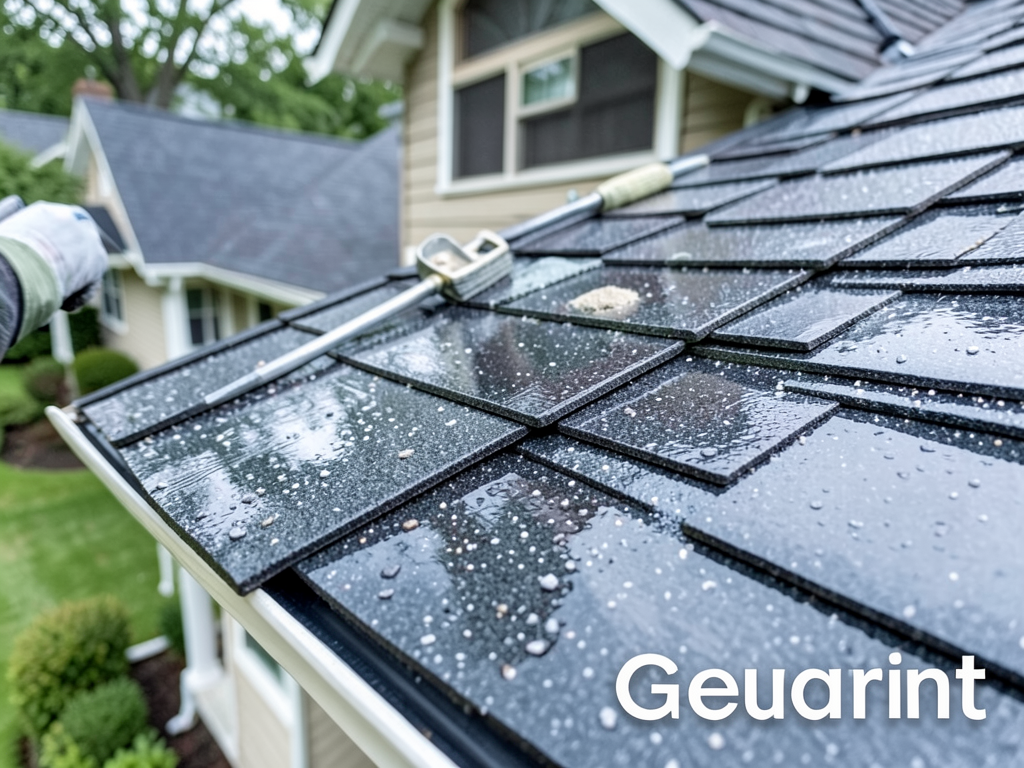
Traditional dark asphalt shingles absorb 85-95% of solar energy, turning your roof into a heat generator. Cool roofing materials reflect more sunlight and emit heat more efficiently, reducing roof surface temperatures by 50-60°F. This translates to attic temperatures that are 20-30°F cooler and upper floor rooms that stay comfortable with less air conditioning. Roofing Berwyn.
Several cool roofing options work well for Mount Greenwood’s architectural styles. Light-colored asphalt shingles with reflective granules can achieve Solar Reflectance Index (SRI) values of 20-30, compared to 5-10 for standard dark shingles. Brands like GAF Timberline Cool Series and Owens Corning Duration Cool offer these benefits in colors that complement traditional home exteriors.
For homeowners wanting maximum performance, metal roofing with special coatings can achieve SRI values above 40. These roofs reflect up to 70% of solar radiation and last 40-70 years compared to 20-25 years for asphalt. While the upfront cost is higher, the energy savings and longevity often justify the investment.
Another option is installing a radiant barrier under your roof deck. This aluminum foil-like material reflects radiant heat before it enters the attic space. When combined with adequate ventilation, radiant barriers can reduce cooling costs by 5-10% in Chicago’s climate.
Before choosing a cool roofing system, check with your homeowner’s association and review the Chicago Energy Conservation Code requirements. Some historic districts have restrictions on visible roofing changes. Also, verify that your roofing contractor is licensed and insured in Illinois and familiar with local building permit requirements.
Landscaping Strategies That Reduce Heat Gain
Your yard can be a powerful tool for keeping your home cooler. Strategic tree planting provides shade that reduces roof and wall temperatures by 10-25°F. In Mount Greenwood, focus on deciduous trees that block summer sun but allow winter light to warm your home. Plant them on the south and west sides where sun exposure is highest.
Choose trees suited to Chicago’s climate zone 5b. Good options include red maple, honey locust, and river birch. These grow 40-60 feet tall and provide broad canopies. Plant them at least 15-20 feet from your home to prevent foundation damage from root systems and to allow for mature growth.
Ground cover also matters. Replace heat-absorbing asphalt or concrete near your home with grass, ground covers, or permeable pavers. These materials stay cooler and reduce the urban heat island effect that makes Chicago neighborhoods several degrees warmer than surrounding rural areas.
Consider installing a green roof on flat or low-slope sections of your home. While more common on commercial buildings, residential green roofs can reduce heat gain by up to 75% while managing stormwater runoff. They require structural evaluation to ensure your home can support the additional weight of soil and plants.
Finally, maintain your existing landscaping to maximize cooling benefits. Keep trees pruned to allow air circulation under the canopy. Remove dead branches that could fall and damage your roof. Clean gutters regularly to prevent water backup that can lead to roof damage and reduced cooling efficiency.
When to Call a Professional
While many cooling improvements are DIY-friendly, certain situations require professional expertise. If your upper floor remains uncomfortably hot despite your best efforts, a professional energy audit can identify hidden problems. These audits use thermal imaging cameras to detect heat leaks and airflow issues that aren’t visible to the naked eye. Extending the Life of Your Flat Roof in Hyde Park with Professional Coating.
Roof inspections are another area where professionals add value. They can identify damaged flashing, deteriorated underlayment, or ventilation problems that contribute to heat gain. In Mount Greenwood, where many homes are 80-100 years old, underlying roof deck damage is common and requires expert repair.
If you’re considering cool roofing or major insulation upgrades, work with contractors who understand Chicago’s specific climate challenges. They should be familiar with the Illinois Home Repair and Remodeling Act requirements and able to navigate local permit processes in Chicago and surrounding suburbs.
Professional HVAC contractors can also evaluate whether your current system is adequate for your home’s cooling needs. Many older homes in Mount Greenwood have undersized air conditioners that struggle to cool upper floors effectively. A load calculation can determine if you need a larger system or if zoning improvements would solve your comfort issues.
Finally, if you notice signs of moisture problems like condensation on windows, musty odors, or visible mold, call a professional immediately. These issues can indicate serious problems that affect both comfort and structural integrity.
Cost vs. Benefit Analysis
Improving upper floor cooling involves balancing upfront costs against long-term benefits. Simple improvements like ceiling fans and weatherstripping cost $100-500 but can reduce cooling costs by 5-10%. More substantial upgrades like insulation improvements typically cost $1,500-3,000 but can cut cooling costs by 15-25% while improving winter heating efficiency.
Cool roofing installations are more expensive upfront, averaging $7,000-12,000 for a typical Mount Greenwood home. However, they can reduce cooling costs by 10-15% annually and last 50% longer than standard shingles. Many utility companies, including ComEd, offer rebates for energy-efficient roofing improvements that can offset 10-20% of the cost.
The most cost-effective approach often combines multiple strategies. Start with the lowest-cost improvements that provide immediate relief, then plan for larger upgrades as your budget allows. This phased approach lets you experience benefits while spreading costs over time.
Remember that comfort improvements also increase your home’s value. Energy-efficient homes with good temperature control are more attractive to buyers and can command premium prices. In Mount Greenwood’s competitive housing market, these upgrades can provide both immediate comfort and long-term financial returns.
Maintaining Your Cooling Improvements
After investing in cooling improvements, regular maintenance ensures they continue working effectively. Schedule annual HVAC tune-ups before summer to check refrigerant levels, clean coils, and verify proper airflow. Clean or replace filters monthly during peak cooling season.
Inspect your roof twice yearly, in spring and fall. Look for damaged or missing shingles, rusted flashing, and debris accumulation. Clean gutters and downspouts to ensure proper drainage. Check attic ventilation openings for blockages from nests, leaves, or insulation migration.
Test your ceiling fans each spring by turning them on and observing blade rotation. They should spin counterclockwise for summer cooling. Reverse them to clockwise in winter to help distribute warm air that rises to the ceiling.
Monitor your energy bills for unusual increases that might indicate system problems. A sudden spike in cooling costs could mean refrigerant leaks, duct problems, or failing insulation. Address these issues promptly to prevent more expensive repairs later.
Finally, stay informed about new cooling technologies and incentives. Energy efficiency standards and available rebates change periodically. What wasn’t cost-effective five years ago might make sense now with improved technology and available incentives.
Creating Your Cooling Improvement Plan
The most successful cooling improvements start with a clear plan. Begin by documenting your current comfort issues. Which rooms get hottest? When do problems occur? How does this affect your daily life? This information helps prioritize improvements and measure success.
Next, assess your home’s specific characteristics. What’s your roof’s orientation and condition? How old is your insulation? What’s the condition of your HVAC system? Understanding these factors helps you choose solutions that address your actual problems rather than applying generic fixes.
Set realistic goals and timelines. You might start with weekend DIY projects like weatherstripping and fan installation, then plan for professional improvements over the next few years. Create a budget that balances immediate comfort needs with long-term value considerations.
Consider working with a professional who can provide a comprehensive assessment and help you develop a prioritized plan. They can identify issues you might miss and recommend solutions that work together effectively. In Mount Greenwood, look for contractors familiar with the neighborhood’s specific housing stock and local building requirements.
Finally, track your results. Monitor temperature changes, energy usage, and comfort levels after each improvement. This data helps you understand what works best in your specific situation and provides valuable information if you decide to make additional improvements later.
Frequently Asked Questions
How much can I save on cooling costs by improving my upper floor?
Most homeowners see 15-30% reductions in cooling costs after implementing a comprehensive set of improvements including insulation upgrades, ventilation improvements, and cool roofing. The exact savings depend on your home’s current condition and the specific improvements you choose.
Are cool roofing materials available in colors that match my home’s exterior?
Yes, modern cool roofing materials come in a wide range of colors beyond just white. Many manufacturers offer dark and medium shades that still provide significant heat reflection through special reflective granules. You can achieve both energy efficiency and aesthetic appeal.
How long does it take to see results from cooling improvements?
Some improvements like ceiling fans and weatherstripping provide immediate comfort benefits. Insulation and ventilation upgrades typically show results within days as attic temperatures stabilize. Cool roofing improvements may take a full summer season to demonstrate their full impact on energy costs.
Can I install cool roofing over my existing shingles?
In most cases, yes, but it depends on the condition of your existing roof and local building codes. A professional inspection can determine if your roof deck can support the additional weight and if the existing shingles provide adequate surface for the new installation.
What’s the best time of year to make these improvements?
Spring and fall are ideal for most cooling improvements because temperatures are moderate and contractors have more availability. However, if you have urgent comfort issues, many improvements can be completed during summer with proper planning to minimize disruption.
Ready to transform your hot upper floor into a comfortable retreat? The strategies in this guide can help you achieve better comfort while reducing your energy bills. Every Mount Greenwood home is unique, and the best solutions often combine multiple approaches tailored to your specific situation. Getting Your Flat Roof Ready for a Chicago Winter in Wicker Park.
Don’t let another summer pass with uncomfortable upstairs bedrooms. Whether you need a simple attic inspection or a complete cool roofing installation, professional help is available. Call (773) 599-7055 today to schedule your consultation. Our team understands the unique challenges of cooling Chicago homes and can recommend solutions that work for your budget and comfort needs.
Pick up the phone and call (773) 599-7055 before the next heat wave hits. Your upper floor bedrooms don’t have to be the hottest rooms in your house. With the right improvements, you can enjoy consistent comfort throughout your home while saving money on energy costs for years to come.
{
“@context”: “https://schema.org”,
“@type”: “BlogPosting”,
“headline”: “How to Keep Your Upper Floor Bedrooms Cooler in Mount Greenwood Without Cranking the AC”,
“description”: “Discover proven strategies to cool your Mount Greenwood upper floor bedrooms naturally, from attic ventilation to cool roofing solutions that cut energy bills.”,
“wordCount”: 2569,
“datePublished”: “2026-05-18T07:43:00.000Z”,
“dateModified”: “2026-05-18T07:43:00.000Z”,
“inLanguage”: “en-US”,
“mainEntityOfPage”: {
“@type”: “WebPage”,
“@id”: “https://patriotroofingchicago.com”
},
“publisher”: {
“@type”: “LocalBusiness”,
“name”: “Patriot Roofing Chicago”,
“url”: “https://patriotroofingchicago.com”
},
“author”: {
“@type”: “Organization”,
“name”: “Patriot Roofing Chicago”,
“url”: “https://patriotroofingchicago.com”
},
“image”: {
“@type”: “ImageObject”,
“url”: “https://patriotroofingchicago.com/wp-content/uploads/2026/03/how-to-keep-your-upper-floor-bedrooms-cooler-in-mo-1.png”
}
}
{
“@context”: “https://schema.org”,
“@type”: “RoofingContractor”,
“name”: “Patriot Roofing Chicago”,
“url”: “https://patriotroofingchicago.com”,
“address”: {
“@type”: “PostalAddress”,
“addressLocality”: “Chicago”
},
“areaServed”: {
“@type”: “City”,
“name”: “Chicago”
}
}
{
“@context”: “https://schema.org”,
“@type”: “FAQPage”,
“mainEntity”: [
{
“@type”: “Question”,
“name”: “How much can I save on cooling costs by improving my upper floor?”,
“acceptedAnswer”: {
“@type”: “Answer”,
“text”: “Most homeowners see 15-30% reductions in cooling costs after implementing a comprehensive set of improvements including insulation upgrades, ventilation improvements, and cool roofing. The exact savings depend on your home’s current condition and the specific improvements you choose.”
}
},
{
“@type”: “Question”,
“name”: “Are cool roofing materials available in colors that match my home’s exterior?”,
“acceptedAnswer”: {
“@type”: “Answer”,
“text”: “Yes, modern cool roofing materials come in a wide range of colors beyond just white. Many manufacturers offer dark and medium shades that still provide significant heat reflection through special reflective granules. You can achieve both energy efficiency and aesthetic appeal.”
}
},
{
“@type”: “Question”,
“name”: “How long does it take to see results from cooling improvements?”,
“acceptedAnswer”: {
“@type”: “Answer”,
“text”: “Some improvements like ceiling fans and weatherstripping provide immediate comfort benefits. Insulation and ventilation upgrades typically show results within days as attic temperatures stabilize. Cool roofing improvements may take a full summer season to demonstrate their full impact on energy costs.”
}
},
{
“@type”: “Question”,
“name”: “Can I install cool roofing over my existing shingles?”,
“acceptedAnswer”: {
“@type”: “Answer”,
“text”: “In most cases, yes, but it depends on the condition of your existing roof and local building codes. A professional inspection can determine if your roof deck can support the additional weight and if the existing shingles provide adequate surface for the new installation.”
}
},
{
“@type”: “Question”,
“name”: “What’s the best time of year to make these improvements?”,
“acceptedAnswer”: {
“@type”: “Answer”,
“text”: “Spring and fall are ideal for most cooling improvements because temperatures are moderate and contractors have more availability. However, if you have urgent comfort issues, many improvements can be completed during summer with proper planning to minimize disruption.”
}
}
]
}
{
“@context”: “https://schema.org”,
“@type”: “BreadcrumbList”,
“itemListElement”: [
{
“@type”: “ListItem”,
“position”: 1,
“name”: “Home”,
“item”: “https://patriotroofingchicago.com”
},
{
“@type”: “ListItem”,
“position”: 2,
“name”: “Blog”,
“item”: “https://patriotroofingchicago.com/blog”
},
{
“@type”: “ListItem”,
“position”: 3,
“name”: “How to Keep Your Upper Floor Bedrooms Cooler in Mount Greenwood Without Cranking the AC”
}
]
}
{
“@context”: “https://schema.org”,
“@type”: “Service”,
“serviceType”: “Roofing”,
“provider”: {
“@type”: “LocalBusiness”,
“name”: “Patriot Roofing Chicago”,
“url”: “https://patriotroofingchicago.com”
},
“areaServed”: {
“@type”: “City”,
“name”: “Chicago”
},
“description”: “Discover proven strategies to cool your Mount Greenwood upper floor bedrooms naturally, from attic ventilation to cool roofing solutions that cut energy bills.”
}