
How to Coordinate Your Roofing and Tuckpointing Projects in Mayfair for a Dry Home
Mayfair’s brick bungalows and two-flats built in the 1920s and 1930s share a common vulnerability at the roofline where water infiltration often begins. Coordinating your roofing and tuckpointing projects into a single coordinated effort saves time and money while creating a watertight barrier that protects your home’s structure for decades. Is Solar Roofing Worth the Investment for Homes in Evanston?.
Chicago’s freeze-thaw cycles and heavy lake-effect snow put unique stress on the junction where roofing materials meet brick parapet walls and chimneys. When these systems work together instead of against each other the result is a home that stays dry through every storm. Chicago Building Department.
Why Timing Matters for Your Mayfair Home
The intersection of roofing and masonry work creates specific challenges in neighborhoods like Mayfair where homes share similar construction patterns. Most bungalows feature parapet walls that extend above the roofline and require counter-flashing that tucks into mortar joints. If your roofing contractor installs new materials over deteriorated mortar the flashing fails within months. Roofing Berwyn.
Water follows the path of least resistance. When mortar joints crack and allow moisture to penetrate the brick cavity that water travels downward and can appear as a leak inside your home. The source appears to be the roof when actually the masonry system failed first. moisture meter testing.
Three Critical Coordination Points
Successful project coordination depends on understanding three key transition areas where roofing and masonry meet. Each requires specific sequencing to prevent water damage.
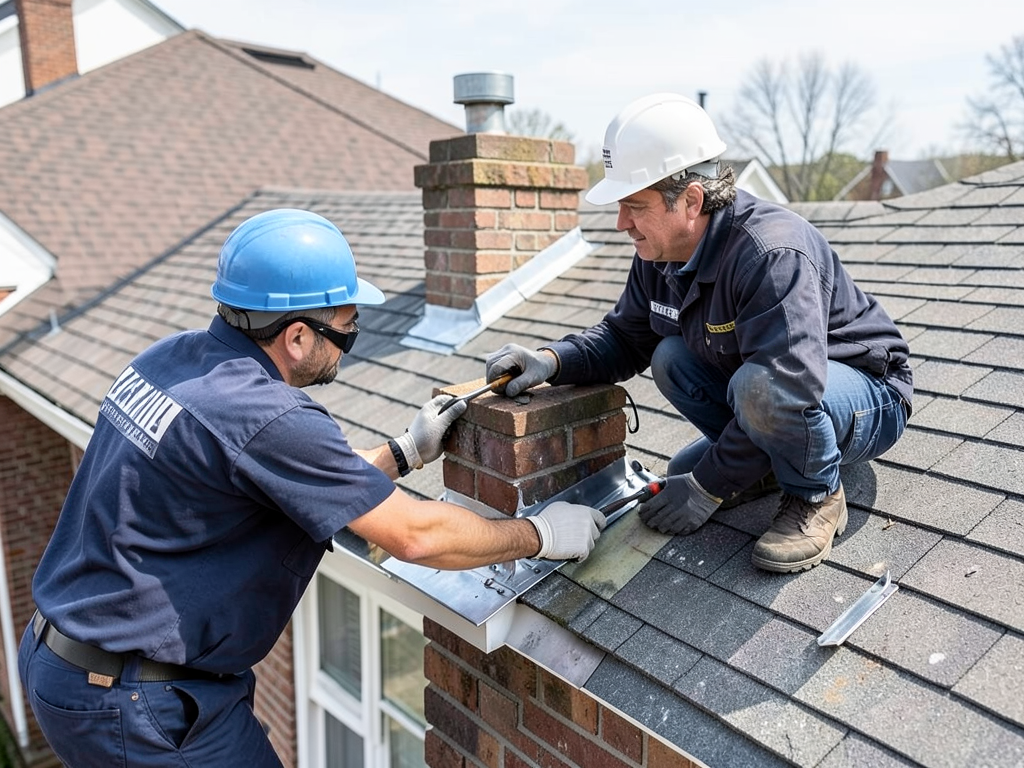
Chimney flashing and crown repair represents the first coordination point. The chimney crown must be repaired or replaced before new flashing installs. Fresh mortar provides the solid surface needed for counter-flashing to seal properly against water migration.
Parapet wall counter-flashing forms the second critical area. The vertical legs of counter-flashing must embed into freshly repointed mortar joints at least 1.5 inches deep according to Chicago Municipal Code Section 13-32-010. Shallow embedding creates gaps that fail during the first freeze-thaw cycle.
Dormer and sidewall transitions create the third coordination point. These areas require step flashing that interlocks with each course of brick. Installing flashing after tuckpointing ensures each piece sits in a solid mortar bed rather than loose or deteriorated joints.
Cost Savings Through Combined Scheduling
Scaffolding represents the largest single expense in both roofing and tuckpointing projects. A typical bungalow in Mayfair requires scaffolding that costs between $2,500 and $4,000 to erect and dismantle. When both trades share the same setup the cost splits between both scopes of work.
Material delivery coordination also creates savings. Having roofing materials and masonry supplies arrive on the same schedule reduces delivery fees and minimizes street parking disruption on narrow Mayfair blocks like those near Mayfair Park or along Homer Avenue.
Weather delays cost money in both trades. Coordinating schedules means if rain postpones roofing work the tuckpointing crew can continue with interior or covered tasks instead of sending workers home. This efficiency reduces overall project duration by 30 to 40 percent.
Mayfair’s Unique Building Patterns
Mayfair’s development between 1920 and 1940 created consistent building patterns that affect how roofing and masonry work together. Most homes feature Chicago common brick with limestone sills and headers. This specific combination requires understanding how different materials expand and contract at different rates.
The area’s heavy clay soil composition causes minor foundation shifts that telegraph up through walls. These micro-movements stress the roof-to-wall connection points. Proper coordination includes assessing these movement patterns before selecting flashing types and installation methods.. Read more about Why Your Roof and Chimney Flashing Need Constant Attention in the Bungalow Belt of Hermosa.
Many Mayfair homes sit near the Kennedy Expressway where road vibration and air pressure changes from passing traffic create additional stress on masonry joints. This environmental factor makes proper mortar selection and flashing integration even more critical for long-term performance.
Diagnostic Testing Before Work Begins
Professional coordination starts with diagnostic testing that identifies hidden problems before work begins. A moisture meter reading taken at multiple depths through suspect mortar joints reveals whether water infiltration is active or historical. Readings above 20 percent moisture content indicate active leaks requiring immediate attention. Extending the Life of Your Flat Roof in Hyde Park with Professional Coating.
Infrared scanning of parapet walls shows temperature differentials that indicate where mortar has separated from brick. These cold spots often align with interior water stains, confirming the masonry as the leak source rather than the roof surface.
A simple screwdriver test on chimney crowns reveals whether the concrete surface has deteriorated enough to require replacement. If the tool penetrates more than 1/8 inch into the surface the crown needs complete removal and reconstruction before any flashing work begins.
Material Compatibility Considerations
Selecting compatible materials prevents future failures at the roof-masonry junction. Modified bitumen roofing membranes work better than asphalt shingles on parapet applications because they create fewer seams and provide better flexibility at movement joints.
Mortar selection affects long-term performance. Type N mortar provides the right balance of strength and flexibility for most Mayfair applications. Using Type S mortar, which is much harder, can actually cause brick spalling when moisture tries to escape through the surface.
Flashing materials must match the expected movement patterns. Stainless steel counter-flashing lasts 50+ years when properly embedded. Aluminum flashing corrodes when in contact with certain mortar additives common in Chicago construction, creating premature failure points.
Permit Requirements in Mayfair
Chicago Building Code Section 13-32-010 requires permits for both roofing and masonry work. Coordinating both trades under a single permit application streamlines inspections and ensures both systems meet current code requirements for water management.
The Department of Buildings inspects flashing integration as part of both roofing and masonry permits. Having both trades on-site during inspections prevents the finger-pointing that occurs when separate contractors blame each other for water infiltration issues.
Historic district considerations apply to some Mayfair properties near older commercial corridors. These homes may require additional approval from the Commission on Chicago Landmarks if visible from public way, affecting material and color choices for both roofing and masonry work.. Read more about How to Tell if Your Historic Home in Bowmanville Has Asbestos Shingles.
Seasonal Timing Strategies
Spring and fall provide optimal conditions for coordinating both trades. Temperatures between 45 and 85 degrees Fahrenheit allow proper mortar curing and roofing adhesive activation. Summer heat can cause mortar to dry too quickly, creating weak joints that fail during winter expansion.
Winter coordination requires specific strategies. Tuckpointing can proceed in temperatures above 35 degrees using cold-weather mortars, but roofing work becomes limited to emergency repairs only. Planning summer coordination for winter work ensures materials and crews remain available when conditions allow. What to Do When You Have a Roof Leak Emergency in Logan Square.
Early coordination allows ordering materials during off-peak seasons when pricing is better and availability is higher. Last-minute coordination often means paying premium prices for rush delivery of specialized flashing or custom brick matching.
Quality Control Checkpoints
Establishing quality control checkpoints prevents costly rework. The first checkpoint occurs after demolition but before new materials install. This inspection confirms the extent of deterioration and allows for scope adjustments if hidden damage appears.
The second checkpoint happens after masonry work completes but before roofing begins. This ensures all counter-flashing channels are properly prepared and mortar joints have cured for at least 48 hours in moderate conditions.
The final checkpoint occurs after both trades complete work but before final payment. A water test using a garden hose at low pressure for 30 minutes reveals any remaining infiltration points that require attention before the project concludes.
Insurance Considerations
Coordinated work can affect insurance claims and coverage. Some insurance companies offer premium discounts when both roofing and masonry work meets current building codes because the reduced risk of water damage lowers their exposure.
Documentation becomes critical for insurance purposes. Having both trades provide detailed before-and-after photos with measurements creates a complete record that supports any future claims related to workmanship or material failure.
Permit compliance affects insurance coverage. Work done without proper permits may void coverage if water damage occurs, making the small investment in coordinated permitting worthwhile for long-term protection.
Communication Protocols Between Trades
Successful coordination requires clear communication protocols between roofing and masonry crews. Daily briefings at the start of each work day prevent misunderstandings about sequencing and material delivery schedules.
Designated coordinators from each trade should have authority to make on-site decisions about sequencing changes due to weather or unexpected conditions. This prevents work stoppages while waiting for higher-level approvals.
Shared documentation systems allow both trades to track progress and identify potential conflicts before they create delays. Cloud-based project management tools enable real-time updates that keep everyone informed about schedule changes or material substitutions.
Long-Term Maintenance Planning
Coordinated projects create opportunities for long-term maintenance planning. When both systems work together properly, maintenance schedules can align for efficiency. Annual inspections of flashing integration and mortar joints prevent small problems from becoming major repairs.
Documentation from the coordinated project provides a baseline for future maintenance. Knowing when specific components installed and what materials used helps technicians diagnose problems more quickly when issues arise years later.
Many Mayfair homeowners find that the initial coordination investment pays dividends through reduced emergency repair costs and extended system lifespans. Properly integrated roofing and masonry systems often last 25 to 30 years before requiring significant attention. Why More Naperville Homeowners are Switching to Metal Roofing This Year.
Finding the Right Team
Not all contractors have experience coordinating both trades effectively. Look for teams that have completed similar projects in Mayfair and can provide references from satisfied neighbors. Experience with local building patterns and code requirements matters as much as technical skill.
Ask potential contractors about their coordination process and how they handle unexpected discoveries during demolition. Teams that have clear protocols for scope changes and additional work tend to deliver smoother projects with fewer surprises.
Verify that both roofing and masonry crews work for the same company or have established relationships that ensure accountability. When problems arise, having a single point of contact simplifies resolution and prevents costly delays.
Frequently Asked Questions
How long does a coordinated roofing and tuckpointing project take?
Most bungalow projects in Mayfair require 7 to 10 working days when both trades coordinate effectively. Weather delays can extend this timeline, but proper scheduling minimizes downtime between phases.
Can tuckpointing be done in winter if the roofing work waits until spring?
Yes, cold-weather tuckpointing using specialized mortars can proceed when temperatures stay above 35 degrees. However, coordinating both trades in warmer seasons typically produces better long-term results and may cost less overall.
What permits are required for combined roofing and masonry work?
Chicago requires separate permits for roofing and masonry work, but coordinating both under a single application streamlines the process. Both trades must meet Chicago Building Code requirements for flashing and water management integration.
How much can I save by coordinating both projects?
Coordinated projects typically save 15 to 25 percent compared to separate scheduling. The savings come from shared scaffolding, combined material deliveries, and reduced labor hours from efficient sequencing.
Will coordinating these projects affect my home’s value?
Yes, properly coordinated roofing and masonry work that prevents water infiltration protects your home’s structural integrity and can increase property values by 3 to 5 percent according to local real estate assessments.
Ready to Protect Your Mayfair Home?
Water infiltration through failing roof-to-wall connections causes thousands of dollars in damage to Mayfair homes every year. Coordinating your roofing and tuckpointing projects now prevents emergency repairs during Chicago’s harshest weather.
Call (773) 599-7055 today to schedule your inspection and learn how coordinating both trades can save you time and money while protecting your home for decades to come.
Don’t wait for the next storm to discover water damage in your attic or walls. The coordination process starts with a single phone call to a team that understands Mayfair’s unique building patterns and Chicago’s specific weather challenges.
{
“@context”: “https://schema.org”,
“@type”: “BlogPosting”,
“headline”: “How to Coordinate Your Roofing and Tuckpointing Projects in Mayfair for a Dry Home”,
“description”: “Learn how to bundle roofing and tuckpointing in Mayfair to save time and prevent leaks. Local expert advice for Chicago’s brick bungalow neighborhoods.”,
“wordCount”: 1970,
“datePublished”: “2026-05-27T07:05:00.000Z”,
“dateModified”: “2026-05-27T07:05:00.000Z”,
“inLanguage”: “en-US”,
“mainEntityOfPage”: {
“@type”: “WebPage”,
“@id”: “https://patriotroofingchicago.com”
},
“publisher”: {
“@type”: “LocalBusiness”,
“name”: “Patriot Roofing Chicago”,
“url”: “https://patriotroofingchicago.com”
},
“author”: {
“@type”: “Organization”,
“name”: “Patriot Roofing Chicago”,
“url”: “https://patriotroofingchicago.com”
},
“image”: {
“@type”: “ImageObject”,
“url”: “https://patriotroofingchicago.com/wp-content/uploads/2026/03/how-to-coordinate-your-roofing-and-tuckpointing-pr-1.png”
}
}
{
“@context”: “https://schema.org”,
“@type”: “RoofingContractor”,
“name”: “Patriot Roofing Chicago”,
“url”: “https://patriotroofingchicago.com”,
“address”: {
“@type”: “PostalAddress”,
“addressLocality”: “Chicago”
},
“areaServed”: {
“@type”: “City”,
“name”: “Chicago”
}
}
{
“@context”: “https://schema.org”,
“@type”: “FAQPage”,
“mainEntity”: [
{
“@type”: “Question”,
“name”: “How long does a coordinated roofing and tuckpointing project take?”,
“acceptedAnswer”: {
“@type”: “Answer”,
“text”: “Most bungalow projects in Mayfair require 7 to 10 working days when both trades coordinate effectively. Weather delays can extend this timeline, but proper scheduling minimizes downtime between phases.”
}
},
{
“@type”: “Question”,
“name”: “Can tuckpointing be done in winter if the roofing work waits until spring?”,
“acceptedAnswer”: {
“@type”: “Answer”,
“text”: “Yes, cold-weather tuckpointing using specialized mortars can proceed when temperatures stay above 35 degrees. However, coordinating both trades in warmer seasons typically produces better long-term results and may cost less overall.”
}
},
{
“@type”: “Question”,
“name”: “What permits are required for combined roofing and masonry work?”,
“acceptedAnswer”: {
“@type”: “Answer”,
“text”: “Chicago requires separate permits for roofing and masonry work, but coordinating both under a single application streamlines the process. Both trades must meet Chicago Building Code requirements for flashing and water management integration.”
}
},
{
“@type”: “Question”,
“name”: “Will coordinating these projects affect my home’s value?”,
“acceptedAnswer”: {
“@type”: “Answer”,
“text”: “Yes, properly coordinated roofing and masonry work that prevents water infiltration protects your home’s structural integrity and can increase property values by 3 to 5 percent according to local real estate assessments.”
}
},
{
“@type”: “Question”,
“name”: “Ready to Protect Your Mayfair Home?”,
“acceptedAnswer”: {
“@type”: “Answer”,
“text”: “Water infiltration through failing roof-to-wall connections causes thousands of dollars in damage to Mayfair homes every year. Coordinating your roofing and tuckpointing projects now prevents emergency repairs during Chicago’s harshest weather.”
}
}
]
}
{
“@context”: “https://schema.org”,
“@type”: “BreadcrumbList”,
“itemListElement”: [
{
“@type”: “ListItem”,
“position”: 1,
“name”: “Home”,
“item”: “https://patriotroofingchicago.com”
},
{
“@type”: “ListItem”,
“position”: 2,
“name”: “Blog”,
“item”: “https://patriotroofingchicago.com/blog”
},
{
“@type”: “ListItem”,
“position”: 3,
“name”: “How to Coordinate Your Roofing and Tuckpointing Projects in Mayfair for a Dry Home”
}
]
}
{
“@context”: “https://schema.org”,
“@type”: “Service”,
“serviceType”: “Roofing”,
“provider”: {
“@type”: “LocalBusiness”,
“name”: “Patriot Roofing Chicago”,
“url”: “https://patriotroofingchicago.com”
},
“areaServed”: {
“@type”: “City”,
“name”: “Chicago”
},
“description”: “Learn how to bundle roofing and tuckpointing in Mayfair to save time and prevent leaks. Local expert advice for Chicago’s brick bungalow neighborhoods.”
}